By Denise Fleck
Pet Safety Crusader & Animal Care Instructor
Not all dogs are born knowing how to swim. Even if you have a breed renowned for its affinity for water, introducing your canine companion to pools, lakes, or oceans requires patience, proper technique, and strict safety measures. Helping your dog learn to navigate the water safely not only strengthens your bond but also sets the stage for a lifetime of shared outdoor adventures.
Main Facts: The Reality of Canine Swimming and Water Safety
While popular culture often depicts dogs as instinctive swimmers, canine behaviorists and veterinary experts emphasize that swimming is a learned skill for many dogs. Furthermore, water safety is a serious welfare issue.
According to pet safety statistics, an estimated 10,000 dogs drown in the United States every year. The vast majority of these tragic accidents occur when unattended dogs fall or wander into backyard swimming pools and are unable to locate the steps to exit. Much like humans, dogs quickly exhaust themselves through panic and frantic splashing. Once fatigue sets in, even breeds traditionally categorized as water-loving can slip beneath the surface.
Beyond drowning prevention, swimming serves as an exceptional form of low-impact aerobic exercise. For dogs suffering from canine arthritis, hip dysplasia, spinal issues, or those struggling with obesity, water provides crucial buoyancy. This buoyancy offloads weight from painful joints, allowing animals to burn calories, maintain cardiovascular health, and build muscle mass with minimal physical stress. Additionally, high-energy working and performance dogs—those competing in agility, flyball, herding, and tracking—frequently utilize swimming as a cross-training tool to maintain peak physical conditioning.
Chronology: Assessing, Introducing, and Mastering the Water
Teaching a dog to swim should never be a rushed process. Pet owners should follow a progressive, step-by-step timeline to ensure their dog builds confidence rather than trauma.
Phase 1: Evaluating Initial Comfort Levels
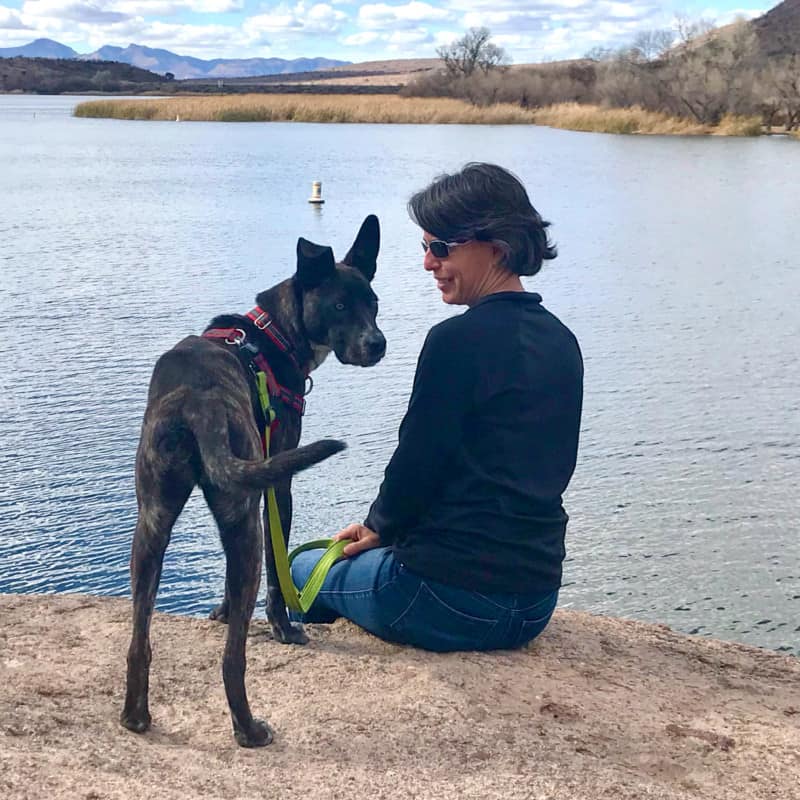
Before heading to a body of water, owners must assess their dog’s natural disposition. Some dogs are absolute land-lovers who will actively detour around puddles, while others are natural water enthusiasts.
To determine where your dog falls on the spectrum, test their reaction in shallow water. Walking your dog on a leash into the shallows or holding them gently in the water will reveal their natural aptitude:
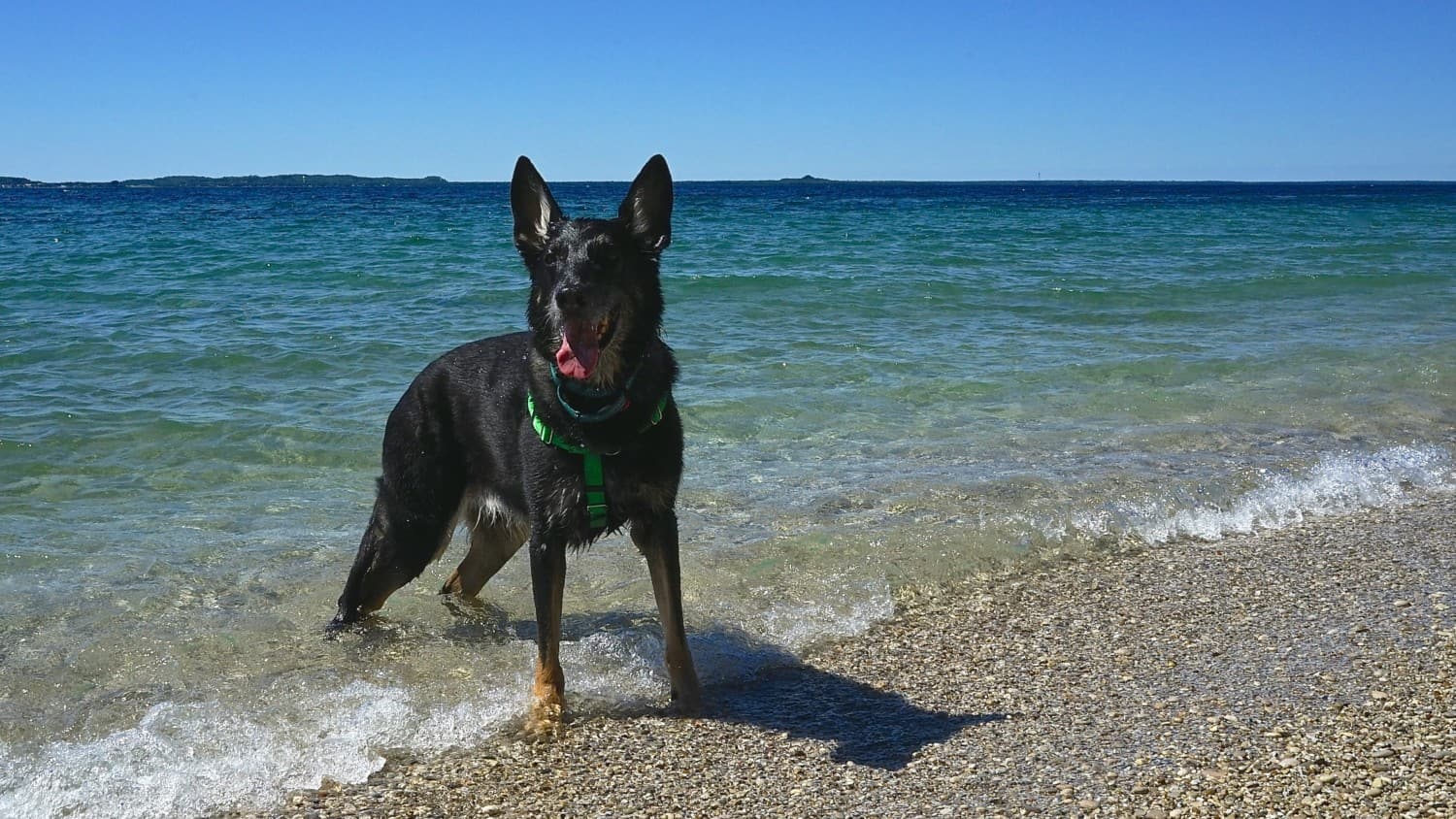
- The Reluctant Wader: If your dog panics or struggles frantically to return to dry land, they likely harbor a deep-seated fear. Owners must decide whether to patiently work through this anxiety using treats and toys, or accept—like pet travel experts Amy and Rod did with their dog Myles—that their companion simply prefers dry land.
- The Front-Paddle Beginner: If your dog begins paddling exclusively with their front paws while letting their hind end sink and slap the water, they possess basic survival instincts but require human support to coordinate their body.
- The Natural Swimmer: If your dog immediately engages all four legs in a smooth, synchronized motion while keeping their head elevated, you have lucked out with a natural-born swimmer.
Phase 2: Slow, Positive Introduction
Once a baseline is established, the introduction phase begins. Owners should select a calm, clean body of water with a gradual, sloping shoreline—such as a quiet lake beach or a shallow pool ramp.
- Never Force the Dog: Never throw, push, or drag a dog into deep water. This induces immediate panic and creates a lifelong phobia.
- Use Lures: Entice the dog using floating water toys or high-value treats, allowing them to wade in at their own pace as long as their feet can touch the bottom.
- Keep Sessions Brief: Watch for physical cues of exhaustion. Heavy panting, labored breathing, or a sagging hind end indicate it is time to exit the water immediately.
Phase 3: Post-Swim Recovery and Maintenance
After a successful swimming session, proper hygiene prevents secondary health complications.
- Rinse Thoroughly: Chlorine from swimming pools can severely irritate a dog’s skin and eyes, while bacteria, algae, and parasites in natural lakes or rivers can lead to gastrointestinal or skin infections. Always rinse or shampoo your dog’s coat post-swim.
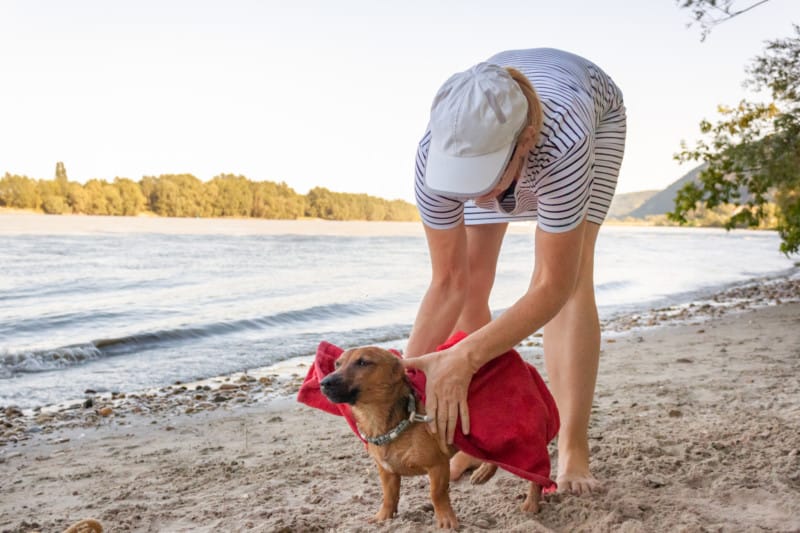
- Dry the Ears: Excess moisture trapped in the ear canal creates an ideal breeding ground for yeast and bacteria, frequently resulting in painful outer ear infections (otitis externa). Thoroughly dry your dog’s ears with a clean towel.
Supporting Data: Breed Predispositions and Physical Mechanics
Anatomy plays a massive role in swimming capability. Understanding a dog’s physical build prevents owners from placing unrealistic expectations on vulnerable breeds.
- High-Risk Breeds: Short-necked, heavy-chested, and short-legged breeds—such as Bulldogs, Pugs, Basset Hounds, and Boxers—face severe biomechanical disadvantages in the water. Their dense muscle mass and heavy front ends make it nearly impossible for them to keep their heads elevated without artificial flotation devices, such as canine life jackets.
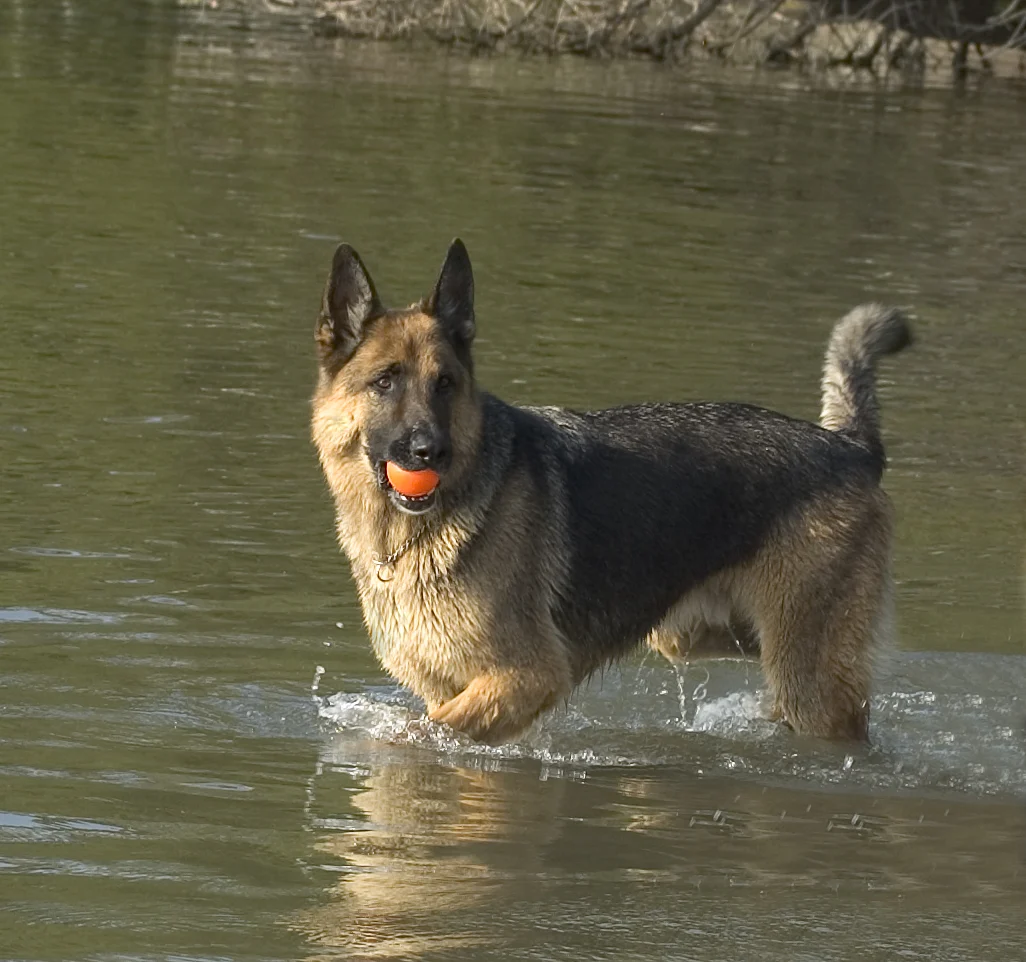
- Natural Retrievers: Breeds like Labrador Retrievers, Golden Retrievers, Newfoundland dogs, and Portuguese Water Dogs possess webbed toes, water-repellent double coats, and lung capacities engineered for aquatic retrieval. However, even these breeds benefit from early, structured practice to master their pacing and stamina.
Official Responses and Expert Recommendations
Animal welfare organizations, veterinary associations, and pet care specialists universally endorse proactive water safety measures for pet owners.
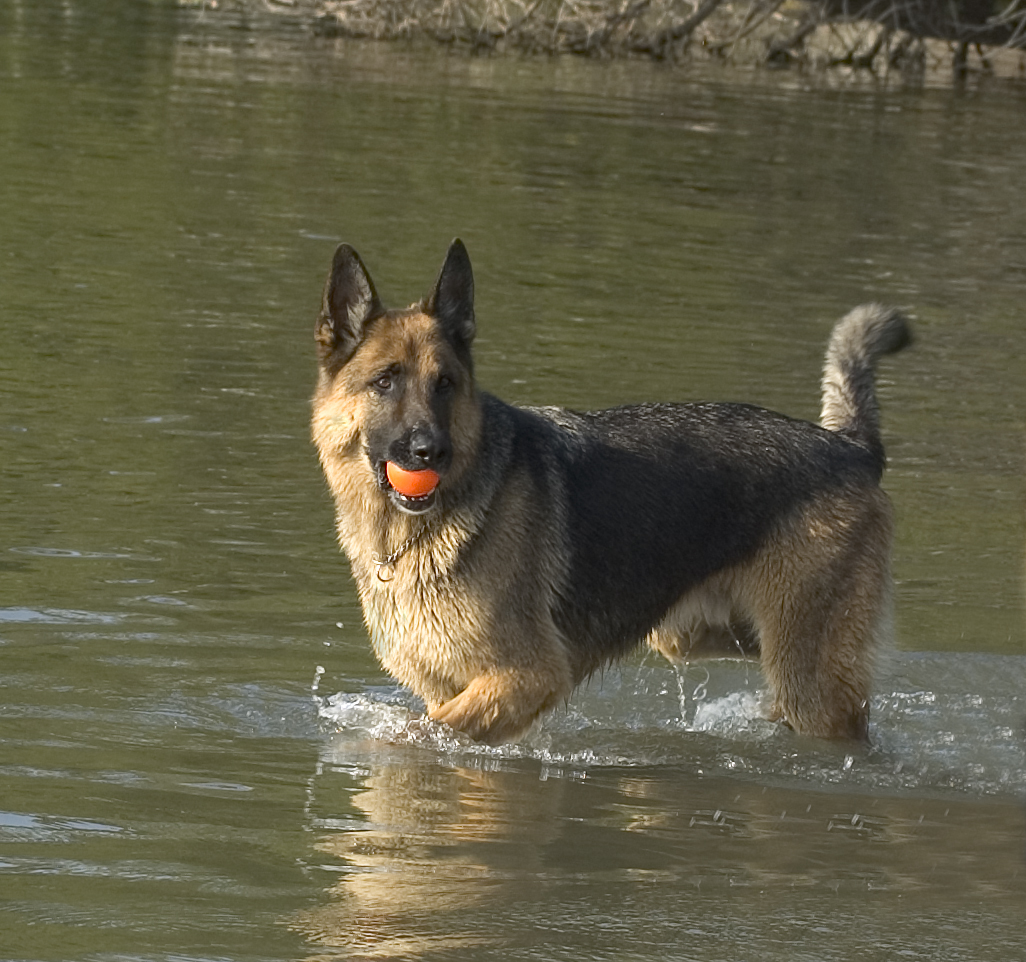
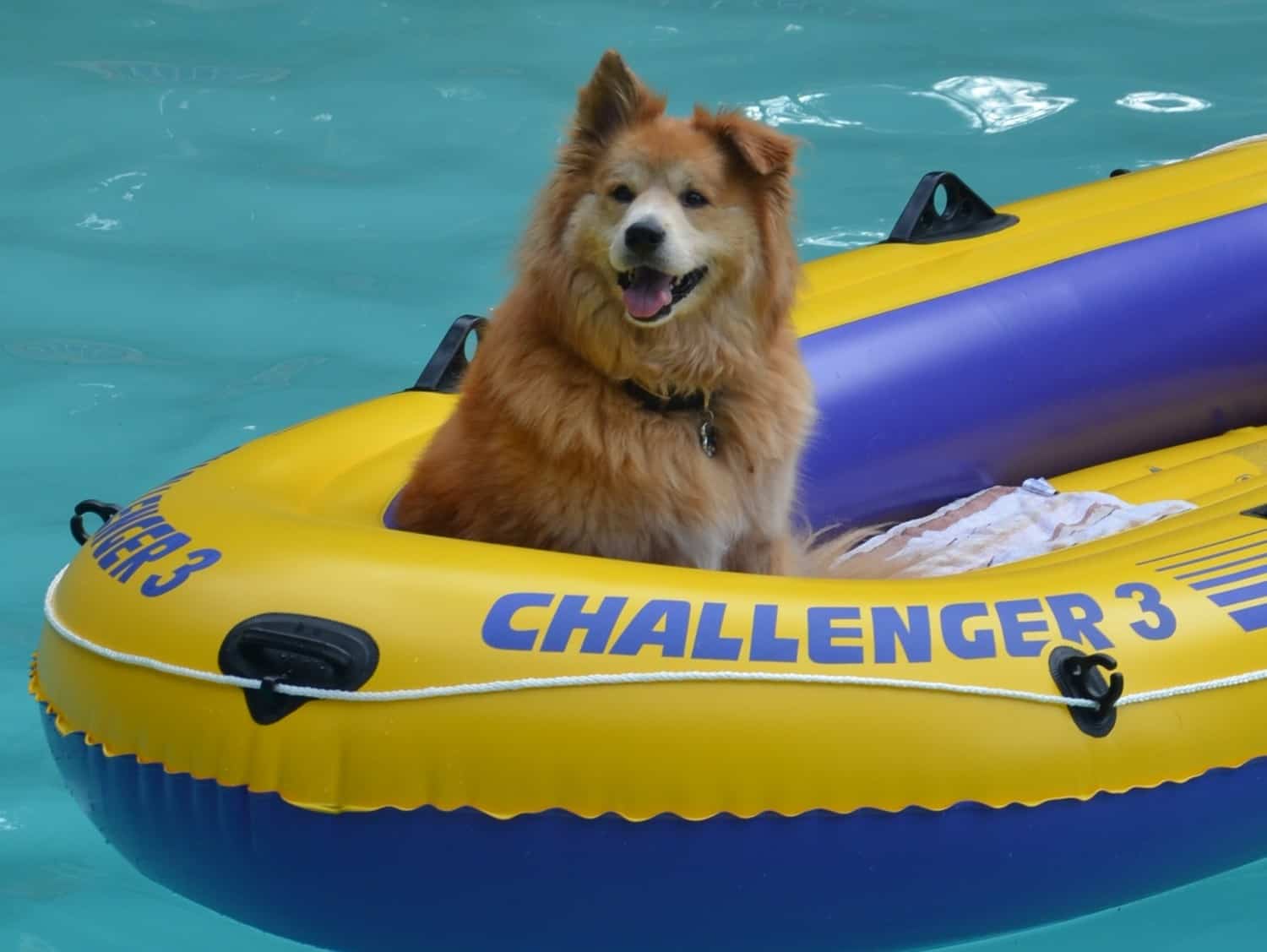
According to veterinary medical boards, summer months see a significant spike in emergency clinic visits related to water intoxication (hyponatremia) from dogs gulping pool water while fetching toys, as well as ear infections and lacerations from submerged debris. Experts strongly advise investing in properly fitted canine personal flotation devices (PFDs)—commonly known as dog life vests—which feature a top handle to easily hoist a tired dog back onto a boat or dock.
Furthermore, animal behaviorists emphasize positive reinforcement. Certified trainers recommend pairing every water milestone with verbal praise and rewards, ensuring that the dog associates aquatic environments with safety and joy rather than stress.
Implications: Expanding Horizons Through Safe Water Sports
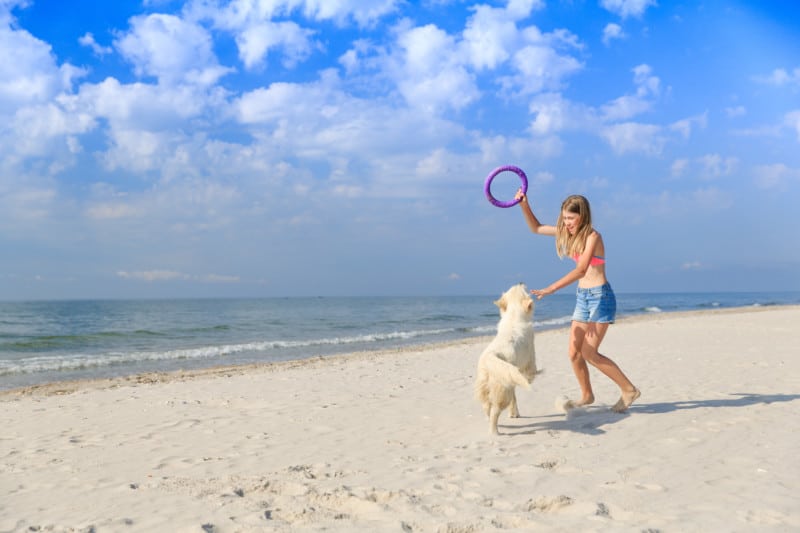
When approached correctly, swimming opens the door to an array of enriching canine-human recreational activities. Once a dog has mastered buoyancy, dock navigation, and safe entry and exit strategies, owners can safely integrate them into advanced water sports:
- Paddling Adventures: Canoeing, kayaking, and paddleboarding allow dogs to explore rivers and lakes alongside their humans. (For more details, see our guide on Tips for Canoeing or Kayaking With Dogs).
- Boating and Sailing: Exploring coastal waters or open lakes on motorized watercraft provides thrilling sensory experiences for sea-faring pups.
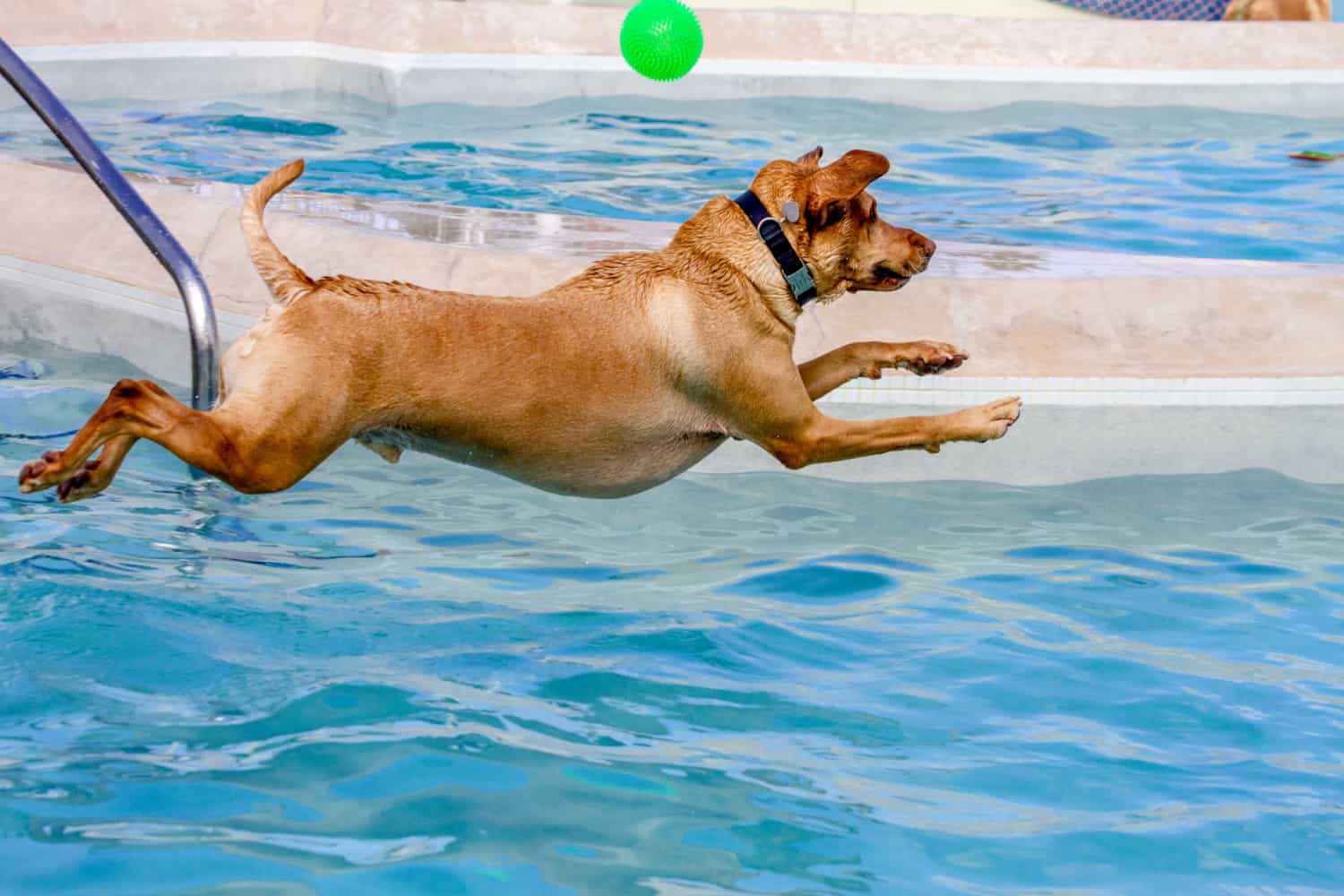
- Competitive Dock Diving and Retrieving: Many sporting breeds thrive in structured events like dock diving, where dogs leap from a platform into a body of water to chase a thrown toy for distance or height.
Ultimately, teaching a dog to swim is a journey defined by patience, observation, and mutual trust. By respecting individual limits, prioritizing safety equipment, and maintaining a playful attitude, owners can transform water aversion into aquatic appreciation—paving the way for years of memorable splashes and shared adventures.
About the Author
Denise Fleck is an award-winning author, radio show host, and pet safety crusader. Having trained with dozens of rescue organizations and veterinary professionals, she developed the comprehensive curriculum for Pet First-Aid & CPCR classes, dedicated to empowering pet parents with life-saving knowledge.