CENTRAL OREGON — Horse owners and equine operations throughout Central Oregon are on high alert following a newly confirmed cluster of pigeon fever cases. According to recent reports released by the Oregon State Department of Agriculture (ODA) and disseminated via the Equine Disease Communication Center (EDCC) health network, four new horses have officially tested positive for the bacterial infection.
The outbreak has established a localized footprint across two adjacent central counties. In Deschutes County, animal health officials have confirmed one new case, alongside five additional horses currently classified as suspected cases. Meanwhile, neighboring Crook County has reported three newly confirmed cases, supplemented by three additional suspected infections undergoing veterinary monitoring.
While pigeon fever is non-zoonotic and generally non-fatal when managed with appropriate veterinary intervention, the rapid appearance of multiple cases within a compressed timeframe has prompted equine veterinarians and state agricultural authorities to urge heightened biosecurity measures. Industry stakeholders, boarding stable managers, and private owners are being advised to closely monitor herd health as the region navigates the peak seasonal window for the disease.
Chronology of the Outbreak
The trajectory of the current Central Oregon outbreak mirrors the typical seasonal progression of the bacterium responsible for pigeon fever. While sporadic cases occur throughout the year in various parts of the Western United States, veterinary epidemiologists trace the genesis of this regional spike to the tail end of the summer grazing season, a period when environmental conditions converge to facilitate transmission.
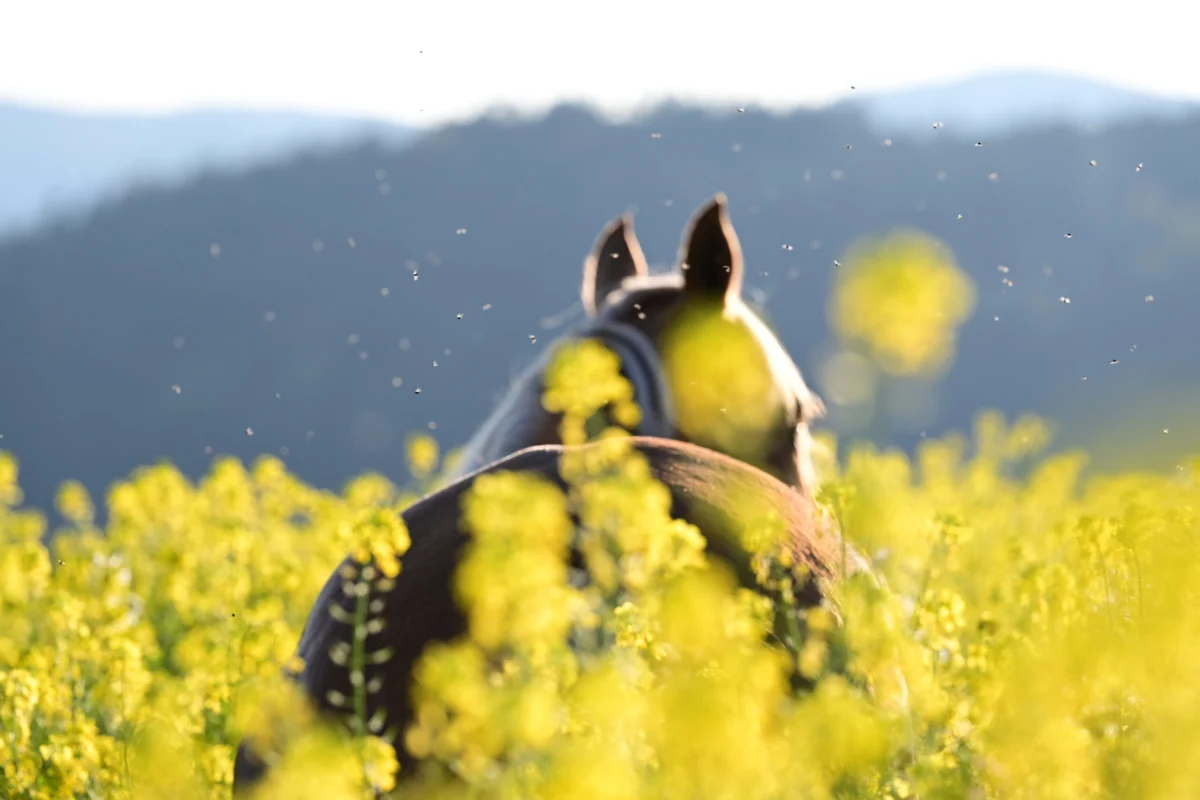
- Late Summer (July – August): Environmental temperatures peak, and vector populations—specifically stable flies (Stomoxys calcitrans) and horn flies—reach their maximum density across Central Oregon’s agricultural and rural residential zones. Dry, dusty soil conditions frequently lead to minor skin abrasions on pastured livestock.
- Early Autumn (September): The first reports of localized swelling and abscess formation begin to trickle into regional veterinary practices. Initial cases in Crook County present subtle clinical signs that are frequently mistaken for routine insect bites or localized soft-tissue trauma.
- Mid-Autumn (October): Veterinary diagnostics confirm the presence of Corynebacterium pseudotuberculosis in multiple animals across both Deschutes and Crook counties. The Oregon State Department of Agriculture formally logs the initial wave of positive laboratory results.
- Current Status: The ODA officially confirms four new positive test results, bringing the active count to four confirmed cases in Deschutes County (inclusive of historical and ongoing tracking) and three in Crook County, with a combined total of eight suspected cases awaiting definitive diagnostic clearance. State and local animal health networks continue to aggregate data to monitor for potential geographic expansion.
Supporting Data and Veterinary Epidemiology
To understand the mechanics of the current Central Oregon outbreak, it is essential to examine the causative agent, its vectors, and the environmental factors that dictate its spread.
The Pathogen: Corynebacterium pseudotuberculosis
Pigeon fever—officially known as caseous lymphadenitis or pigeon breast—is caused by the gram-positive bacterium Corynebacterium pseudotuberculosis. While the organism is perhaps best known for causing caseous lymphadenitis in sheep and goats, a distinct biotype of the bacterium specifically affects equines.
The disease derives its colloquial name, "pigeon fever," from the characteristic pectoral swelling that develops on the horse’s chest. In severe cases, the massive accumulation of pus and swelling causes the horse’s chest to protrude in a manner that resembles the puffed-out breast of a pigeon.
Transmission Dynamics
Unlike respiratory pathogens that spread rapidly via airborne droplets or direct nose-to-nose contact, Corynebacterium pseudotuberculosis is primarily a soil-dwelling and vector-borne organism. The bacterium can survive for extended periods in dry manure and soil, remaining viable for months depending on environmental conditions.
Infection in horses typically occurs through three primary routes:
- Cutaneous Penetration: The bacteria enter the horse’s body through broken skin, minor cuts, scrapes, or insect bite wounds.
- Mechanical Vectors: Biting insects, particularly house flies (Musca domestica), stable flies, and horn flies, act as mechanical carriers, transferring the bacteria from the purulent discharge of an infected horse to the intact or compromised skin of a healthy animal.
- Contaminated Fomites: Shared grooming equipment, halters, feed troughs, and fencing can serve as indirect vehicles for transmission if proper sanitation protocols are neglected.
Clinical Manifestations
Veterinarians classify pigeon fever into three primary clinical forms, each presenting distinct management challenges:
- Pectoral Form (Most Common): Accounts for up to 80% of clinical presentations. Horses develop large, painful abscesses primarily on the chest, ventral midline, and under the belly. These abscesses eventually mature, soften, and rupture, releasing a thick, odorless, creamy-white or light-greenish purulent exudate.
- Internal Form: A less common but significantly more dangerous manifestation where abscesses form in internal organs, such as the liver, spleen, kidneys, or lungs. Affected horses typically display vague symptoms, including chronic weight loss, lethargy, intermittent fever, and poor overall condition.
- Ulcerative Lymphangitis: Characterized by infection and inflammation of the lymphatic vessels and lymph nodes, most commonly in the lower hind limbs. This form leads to severe edema (fluid swelling), lameness, and painful ulcerations along the legs.
Official Responses and Industry Stakeholder Action
In response to the clustering of cases in Deschutes and Crook counties, state agricultural agencies and equine health organizations have mobilized information campaigns to educate owners and prevent a wider regional epizootic.
The Oregon State Department of Agriculture has reiterated that while pigeon fever is not a federally or state-regulated quarantine disease—meaning mandatory movement restrictions are typically not imposed on entire premises—it requires proactive management by individual horse owners to prevent stable-to-stable dissemination.
Concurrently, organizations such as the Equine Disease Communication Center (EDCC) have leveraged their communication networks to broadcast verified data. EDCC Health Watch, an Equine Network marketing program, utilizes real-time data feeds from state veterinarians to disseminate prompt alerts. Through industry donations and independent non-profit support, the EDCC ensures that horse owners, trainers, and veterinary practitioners have open, barrier-free access to infectious disease tracking.
Dr. Sarah Jenkins, an independent equine veterinary consultant operating in the Pacific Northwest, emphasizes that public transparency is the most effective tool for mitigating the impact of the disease.
"When owners see localized case numbers reported transparently through channels like the EDCC, complacency drops," Dr. Jenkins notes. "They check their pastures for hazards, they clean up manure piles that attract biting flies, and they call their veterinarians at the first sign of a ventral lump rather than waiting to see if it pops on its own."
Local veterinary clinics across Bend, Redmond, Prineville, and surrounding rural communities report an uptick in diagnostic inquiries. Practitioners are currently advising clients to conduct thorough physical examinations of their horses daily, paying close attention to the axillary region (armpits), chest floor, and ventral midline.
Implications for Horse Owners and the Regional Equine Economy
The appearance of pigeon fever carries notable operational and economic implications for the Central Oregon equine community, which encompasses everything from high-end breeding and equestrian sport facilities to multi-use boarding stables and recreational trail riding operations.
Biosecurity and Management Protocols
To insulate herds against infection, equine health authorities recommend the implementation of rigorous, multi-layered biosecurity protocols. Because elimination of the bacterium from natural soil environments is virtually impossible, management strategies focus on interrupting the transmission cycle:
- Vector Control: Implementing aggressive fly control measures is paramount. This includes the use of environmental larvicides, premise sprays, fly masks, and topical repellents. Manure management—specifically removing manure from paddocks regularly and composting it away from housing areas—drastically reduces the breeding habitat for stable and house flies.
- Wound Management: Treating all minor cuts, scrapes, and abrasions immediately with antiseptic cleansers and protective ointments prevents opportunistic bacteria from gaining entry through compromised epidermal barriers.
- Quarantine and Isolation: Newly acquired horses or animals returning from regional shows, trail rides, or clinics should be monitored closely and isolated from the general herd for a standard observation window of 14 to 21 days.
- Equipment Hygiene: Prohibiting the sharing of grooming tools, tack, blankets, and feed buckets between distinct horses minimizes the risk of indirect fomite transmission.
Treatment and Prognosis
If a horse owner suspects their animal is affected by pigeon fever, standard veterinary protocol dictates immediate professional consultation.
Diagnosis is typically confirmed via physical examination and bacterial culture or polymerase chain reaction (PCR) testing of the purulent exudate. Treatment protocols vary depending on the severity and clinical form of the disease:
- Abscess Management: For external pectoral abscesses, the standard approach involves allowing the abscess to "ripen" (mature). Veterinarians often apply warm compresses to accelerate maturation. Once fully mature, the abscess is surgically lanced, drained, and flushed thoroughly with a dilute antiseptic solution, such as chlorhexidine or povidone-iodine.
- Environmental Contamination Control: Because the drainage material contains millions of infectious bacteria, strict sanitary collection is mandatory. Vets and owners must collect and properly dispose of all contaminated bedding and bandage materials to prevent seeding the environment with Corynebacterium pseudotuberculosis.
- The Antibiotic Debate: Systemic antibiotic therapy is a subject of nuanced veterinary discussion. In many cases of external pigeon fever, antibiotics are withheld because they can prolong the maturation of abscesses or lead to chronic, recurring flare-ups by preventing the immune system from mounting a complete localized response. However, antibiotics are promptly administered in cases involving the internal form, severe systemic illness, or deep-seated ulcerative lymphangitis.
- Prognosis: The vast majority of horses with the external pectoral form recover fully with proper drainage, supportive care, and time, returning to full athletic and recreational utility. Conversely, the internal form carries a guarded to poor prognosis, underscoring the critical importance of early detection and differential diagnosis.
Economic and Recreational Impact
Central Oregon boasts a vibrant equine economy characterized by equestrian tourism, competitive events, and breeding operations. Outbreaks of infectious equine diseases inevitably introduce friction into this sector. Event organizers face heightened pressure to verify vaccination and health statuses, while boarding facilities must enforce stringent visitor and newcomer policies to protect their resident equine populations.
Furthermore, the physical toll on affected animals can temporarily sideline working horses, riding lesson strings, and competition prospects. Owners face direct veterinary expenses associated with diagnostics, lancing procedures, drainage supplies, and long-term supportive care.
Despite these challenges, agricultural officials remain confident that adherence to established biosecurity measures will successfully contain the current cluster. As cooler late-autumn weather transitions into the hard frosts of winter, insect vector activity will naturally decline, significantly reducing the rate of new transmissions across Deschutes and Crook counties. In the interim, continuous monitoring, prompt veterinary intervention, and transparent information sharing via organizations like the EDCC remain the equine community’s most effective defenses.