AURORA, Colo. — In a significant development for pediatric behavioral health, new research spearheaded by the University of Colorado Anschutz Medical Campus offers robust, empirically backed evidence that therapeutic horseback riding can substantially alleviate hyperactivity, emotional dysregulation, and behavioral challenges in children navigating autism spectrum disorder (ASD) and co-occurring psychiatric conditions.
The comprehensive study, supported by funding from the National Institutes of Health (NIH), was recently published in the prestigious medical journal Pediatrics. This multi-site investigation expands profoundly upon previous scholarly works, offering fresh insight into alternative and complementary therapies that could eventually reduce reliance on conventional pharmacological interventions, which frequently carry heavy burdens of undesirable side effects.
Main Facts: The Intersection of Equine Therapy and Pediatric Psychiatry
At its core, the CU Anschutz study investigated the measurable psychological and behavioral impacts of structured equine-assisted activities on a vulnerable and often hard-to-treat patient population: youth diagnosed with autism and complex, overlapping psychiatric diagnoses.
Led by senior author and principal investigator Dr. Robin Gabriels, a professor of psychiatry and licensed clinical psychologist at CU Anschutz and Children’s Hospital Colorado, the research team sought to answer several critical questions regarding how—and why—horses can act as catalysts for neurological and behavioral stabilization.
The headline finding of the research is distinct: children assigned to the active horseback riding intervention group demonstrated statistically significant reductions in hyperactivity compared to peers in alternative control and activity groups. Furthermore, both equine-focused interventions—actual riding and ground-based barn activities—yielded measurable improvements over a waitlist control group across multiple behavioral domains, including severe irritability, emotional regulation, and everyday social functioning.
“There is something about riding a horse that is particularly helpful for kids with hyperactivity,” Dr. Gabriels stated. “For kids with autism and hyperactivity, equine-assisted therapy might be a good way to augment existing treatments, or even serve as a viable alternative to traditional drug therapy, which can often present challenging side effects for developing children.”
Chronology: From Colorado Foundations to Multi-Site Replication
To fully understand the weight of the new Pediatrics study, it is necessary to trace the developmental timeline of this specific line of equine research originating from the Rocky Mountain region.
- The Foundation (Pre-2026): Dr. Gabriels and her research colleagues initially launched investigative trials focusing on children with autism spectrum disorder. Their early observational and clinical data revealed promising behavioral gains following a structured, eight- to ten-week program of therapeutic horseback riding. These foundational studies were primarily conducted at Hearts & Horses, a well-established therapeutic riding facility located in Colorado.
- The Expansion Phase (2024–2025): Buoyed by initial successes, the research team recognized a critical need in clinical research: external validity. To prove that the Colorado outcomes were not an anomaly isolated to a single geography or a specific facility, the researchers designed a multi-site replication study. They partnered with Riding to the Top, a smaller therapeutic riding center located near Windham, Maine.
- The Clinical Trial Execution: Children meeting strict inclusion criteria—specifically those diagnosed with autism and concurrent psychiatric disorders—were recruited and randomly assigned to one of three cohorts: a physical horseback riding group, a barn-based activity group (interacting with horse-related concepts and a life-sized stuffed model without live horse contact), and a delayed-treatment waitlist control group.
- Publication (October 2026): Following data compilation, independent statistical analysis, and peer review, the findings were officially published in Pediatrics, confirming that positive behavioral modifications could indeed be replicated across vastly different geographical regions and facility scales.
Supporting Data and Methodological Rigor
The methodological framework of the CU Anschutz study was deliberately engineered to isolate the specific variables responsible for behavioral shifts. Approximately half of the pediatric cohort evaluated in earlier iterations of the research presented with complex, multi-layered psychiatric diagnoses alongside autism. For this new study, researchers deliberately zeroed in on this high-intervention-risk demographic.
By dividing the participants into three distinct operational groups, the research team was able to parse out the physical biomechanics of riding from the psychological benefits of simply being in a barn environment around large animals.
- The Riding Group: Engaged in mounted equestrian exercises, requiring dynamic balance, core engagement, and responsive coordination with a living animal. This group showed the most pronounced drops in hyperactive behaviors.
- The Barn Activity Group: Participated in equine-education modules, grooming protocols, and social exercises using a life-sized, realistic stuffed model horse, eliminating direct contact with live animals. This cohort demonstrated significant gains in emotional regulation and social functioning compared to the waitlist control, proving that cognitive engagement with the concept of horses yields therapeutic value.
- The Waitlist Control Group: Received no immediate equine intervention during the trial window, establishing a baseline against which natural behavioral trajectories could be measured.
The consistency of the data across both the Colorado operations (Hearts & Horses) and the Maine operations (Riding to the Top) underscores the reliability of the interventions. Researchers noted that despite the operational and environmental differences between the two host facilities, the therapeutic impact on the children remained remarkably uniform.
Official Responses and Expert Perspectives
The implications of the study have reverberated across academic medicine, pediatric psychology, and the specialized therapeutic riding community. Experts emphasize that the research moves equine therapy from the realm of anecdotal wellness into evidence-based clinical medicine.
“We wanted to see if we could replicate what we found in Colorado at another riding center across the country,” noted Dr. Gabriels. “The fact that we saw similar results at both centers is exceptionally encouraging for the future of non-pharmacological interventions.”
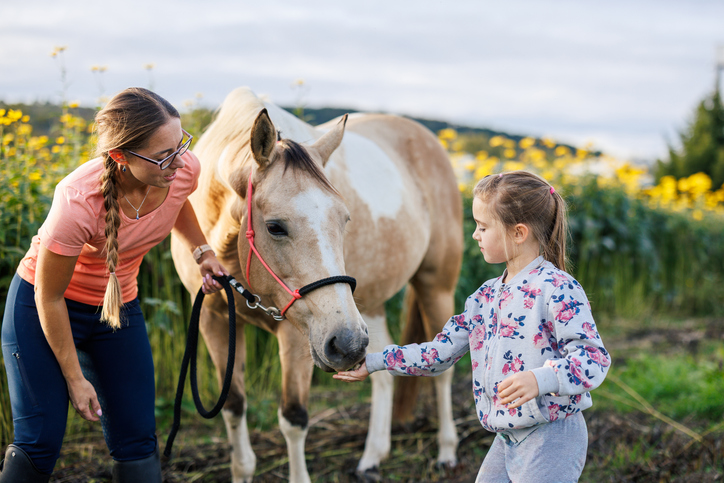
The research team is particularly keen to highlight how horses bridge the gap between clinical settings and naturalistic environments. Children with autism frequently struggle to generalize skills learned in a sterile clinical office out into the real world. Animals, by contrast, offer an unvarnished, immediate feedback loop.
“Horses are very accepting, and they respond directly to human body language,” Dr. Gabriels explained. “That interaction can provide children with unique, low-stress opportunities to practice communication, emotional regulation, and other complex social skills in a very different, highly engaging environment.”
Furthermore, the researchers stress nuance: the data does not suggest that therapeutic horseback riding is a universal panacea or that every child on the spectrum will experience identical breakthroughs. Rather, structured equine programming should be viewed as a flexible, potent tool within a comprehensive, individualized treatment portfolio.
Implications: Beyond the Clinical Office and Into the Future
The publication of this study arrives at a crucial juncture in pediatric healthcare. As clinicians and parents increasingly seek alternatives or supplements to heavy pharmaceutical management for behavioral disorders, evidence-based integrative therapies are gaining unprecedented traction.
1. Reducing Pharmacological Reliance
For children suffering from severe hyperactivity and co-occurring psychiatric diagnoses, conventional drug therapies (such as stimulants or antipsychotics) often carry heavy physiological and psychological side effects, including sleep disturbances, appetite suppression, and mood volatility. Equine-assisted therapy offers a physical, outdoors-based alternative that channels excess energy into constructive, rhythmic activity without the pharmacological toll.
2. Broadening Access Through Ground-Based Alternatives
One of the most clinically valuable insights from the study is the validation of non-riding, barn-based activities. Not all children with autism are physically, emotionally, or logistically ready to mount a living horse. Factors such as sensory sensitivities, physical disabilities, or severe anxiety can make horseback riding prohibitive. By proving that ground-based educational activities involving horses and simulated models can still yield improvements in irritability and social functioning, the study opens doors for a much broader demographic of pediatric patients.
3. Transforming Pediatric Care Models
The success of multi-site replications paves the way for insurance providers, healthcare systems, and hospital networks to look more seriously at funding or recommending complementary therapies. While therapeutic riding centers have historically relied on private pay, philanthropy, and grassroots fundraising, robust NIH-backed data strengthens the case for eventual medical integration and reimbursement pathways.
Next Steps in Equine Medical Research
The research team at CU Anschutz has no intention of stopping here. Buoyed by the reception of their Pediatrics paper, investigators are already mapping out subsequent phases of research. Future studies will aim to drill down even further into the precise biological and psychological mechanisms at play—determining whether the rhythmic motion of the horse’s gait, the sensory feedback of the barn environment, the social dynamics of group sessions, or a combination of all three variables drives the neurological changes.
Until then, families navigating the intricate, often exhausting challenges of pediatric autism and hyperactivity have fresh, scientifically validated hope. For children who struggle to find their footing in traditional clinical offices, salvation may very well be found waiting at the edge of a stable, at the end of a lead rope, or in the steady, accepting rhythm of a horse in motion.
About the University of Colorado Anschutz Medical Campus
The University of Colorado Anschutz is a world-class academic medical campus leading transformative advances in science, medicine, education, and patient care. The campus includes the University of Colorado’s health professional schools, more than 60 centers and institutes, and two nationally ranked independent hospitals—UCHealth University of Colorado Hospital and Children’s Hospital Colorado—which see nearly three million adult and pediatric patient visits each year.
Innovative, interconnected, and highly collaborative, CU Anschutz delivers life-changing treatments, exceptional patient care, and top-tier professional training. The campus conducts world-renowned research supported by $890 million in funding, including $762 million in sponsored awards and $128 million in philanthropic gifts for research.
For the latest CU Anschutz news, visit http://www.cuanschutztoday.org.