

For many, cats are enigmatic companions—creatures of grace, independence, and profound mystery. While they are often praised for their adaptability, this resilience can mask a hidden reality: cats are deeply sensitive beings whose well-being is intrinsically linked to the predictability of their environment and the behavior of their human guardians.
As experts in feline behavior often note, the bond between a human and a cat is a delicate tapestry. While we strive to provide love, care, and comfort, there are common human behaviors that—often unintentionally—can cause significant distress, trigger anxiety-related health issues, and erode the trust that defines a healthy relationship. By identifying these stressors, cat parents can pivot toward more empathetic, informed caregiving.
The Core Facts: Why Routine and Respect Matter
At the heart of feline biology lies a "creature of habit" instinct. Unlike dogs, who may be more flexible in their social interactions, cats view their territory as their primary source of security. Any deviation from the norm—whether it is a shift in furniture, a change in dietary routine, or an unwelcome intrusion into their personal space—is processed by the cat as a potential threat.
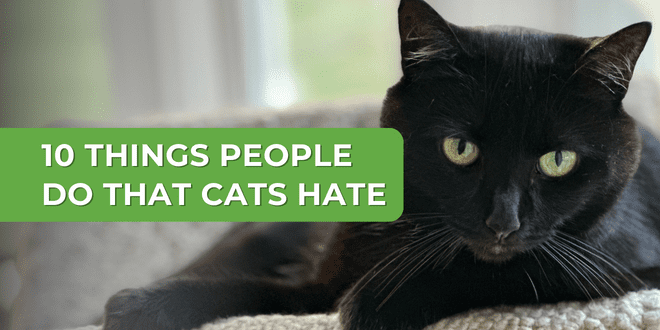
When humans overlook these preferences, the resulting stress is not merely an inconvenience; it is a physiological burden. Chronic stress in cats is a leading precursor to behavioral problems, such as inappropriate elimination, territorial aggression, and even stress-induced cystitis. Understanding the following 10 behaviors is the first step toward creating a sanctuary that prioritizes feline mental health.
1. The Peril of Abrupt Environmental Change
Cats map their world through consistency. When a human introduces a new pet, moves to a new home, or abruptly switches a brand of litter, the cat’s internal navigation system is thrown into disarray.
Chronology of Adaptation:
- Initial Shock: The cat identifies the change as a threat to its security.
- Heightened Vigilance: The cat may begin hiding or marking territory to regain a sense of control.
- Gradual Acclimatization: With proper, slow introductions—such as scent swapping for new pets or gradual mixing of old and new food—the cat eventually integrates the change into its "new normal."
To mitigate this, always introduce environmental modifications slowly. If you are moving, allow the cat to acclimate to one room at a time rather than granting full access to a new house immediately.
2. The Mandate of the Pristine Litter Box
Perhaps the most overlooked factor in feline health is the hygiene of the litter box. To a cat, the litter box is not just a utility; it is a vital resource.
Supporting Data: Feline urologists frequently cite dirty litter boxes as the number one cause of feline lower urinary tract disease (FLUTD). When a box is not scooped at least twice daily, or when harsh, scented deodorizers are used to mask odors, the cat may develop an aversion to the box.
Professional Insight: Avoid scented litter additives entirely. A clean, odor-free box is achieved through diligent scooping and regular, deep-cleaning cycles. If you would not use a restroom that hasn’t been flushed for days, do not expect your cat to accept the same conditions.

3. The Myth of the Exposed Belly
We often mistake a cat rolling onto its back as an invitation to pet the belly. However, in the feline world, exposing the stomach is a display of ultimate trust and vulnerability—not a request for a rubdown.
Unless a specific cat has been socialized to enjoy belly rubs, most will perceive this touch as an ambush on their most vulnerable area. Respecting these boundaries is crucial. If your cat stretches out, appreciate the trust they are showing you from a distance, or stick to the "safe zones"—the cheeks, the top of the head, and the base of the ears.
4. The Impact of Acoustic Pollution
Cats possess a hearing range that far exceeds that of humans, allowing them to detect high-frequency sounds essential for hunting. In a modern home, this gift becomes a burden when exposed to loud music, shouting, or the constant drone of household appliances.
Implications of Noise Stress:
- Startle Response: Chronic exposure to loud noises keeps a cat in a perpetual state of "fight or flight."
- Resource Avoidance: If a feeding station or litter box is placed near a loud appliance, the cat may stop using these vital resources.
Actionable Advice: Use a decibel meter app to check the noise levels in your home. Ensure that your cat always has a "quiet zone"—a secluded area where they can retreat when household activity becomes overwhelming.

5. The Necessity of Choice in Social Interaction
Forcing interaction is a primary driver of feline-human conflict. When a guest arrives and tries to pull a cat out from under a bed, the cat’s natural response is to defend its autonomy.
The Principle of Agency: Allowing the cat to initiate contact creates a positive reinforcement loop. When the cat chooses to approach, it feels safe. When we force that interaction, we strip the cat of its agency, often leading to the cat avoiding us entirely in the future. Always let the cat set the pace of the relationship.
6. The Discomfort of Forced Restraint
While some felines enjoy being held, many feel insecure when their feet are off the ground. For these cats, being lifted is a terrifying loss of gravity and control.
The Proper Approach:
- Training: Use positive reinforcement to help the cat tolerate being picked up, which is essential for emergency situations or vet visits.
- Observation: Pay attention to the cat’s body language. If the tail begins to twitch, the ears flatten, or the muscles tense, put the cat down immediately.
- Children and Pets: It is critical to monitor children, as they often lack the fine-motor control to hold a cat without inadvertently squeezing too hard, which is a common trigger for biting or scratching.
7. The Futility of Punishment
Punishment is entirely ineffective in feline training. Because cats do not associate a negative physical consequence (like spraying water or shouting) with a specific action performed minutes prior, punishment only serves to create a fearful association with the human.

The Professional Alternative: Identify the "why" behind the behavior. If a cat is scratching the sofa, it is likely because they need a scratching post nearby. If they are jumping on counters, it is likely because they are seeking height or food. Redirect the behavior toward acceptable outlets rather than attempting to "correct" the cat through intimidation.
8. Ignoring the Language of the Body
Cats are silent poets, speaking entirely through the position of their ears, the dilation of their pupils, and the movement of their tails.
- Tail twitching: Often indicates agitation.
- Flattened ears: A clear sign of fear or imminent aggression.
- Slow blinks: A sign of comfort and love.
Ignoring these signals is a failure of communication. When we ignore a cat’s request for space, we leave them with no choice but to escalate their warnings.
9. The Overwhelming World of Artificial Scents
The feline olfactory system is roughly 14 times more sensitive than that of a human. The heavy use of synthetic air fresheners, scented candles, or chemically intense cleaning agents can create an environment that is physically painful for a cat.
Maintain a "neutral" home environment where possible. If you must use cleaning products, ensure they are pet-safe and rinse surfaces thoroughly to ensure no chemical residue is picked up on the cat’s paws and later ingested during grooming.

10. The Stability of Consistent Schedules
Finally, the importance of predictability cannot be overstated. A set schedule for feeding, play, and bedtime creates a secure structure that allows a cat to relax. When schedules are chaotic, the cat remains in a state of high alert.
By maintaining a consistent rhythm, you provide your cat with the one thing they crave most: a predictable, safe, and nurturing world.
Conclusion: A Foundation for Lifelong Bonding
Building a strong bond with a cat is a journey of mutual respect. It requires us to set aside our human-centric view of affection and instead view the world through the sensitive, observant eyes of the feline. By avoiding these 10 common pitfalls, you are not just improving your cat’s behavior—you are deepening the emotional connection that makes living with a cat one of life’s most rewarding experiences. For further guidance on fostering this relationship, consider exploring the educational resources provided by feline behavioral experts like Pam Johnson-Bennett.