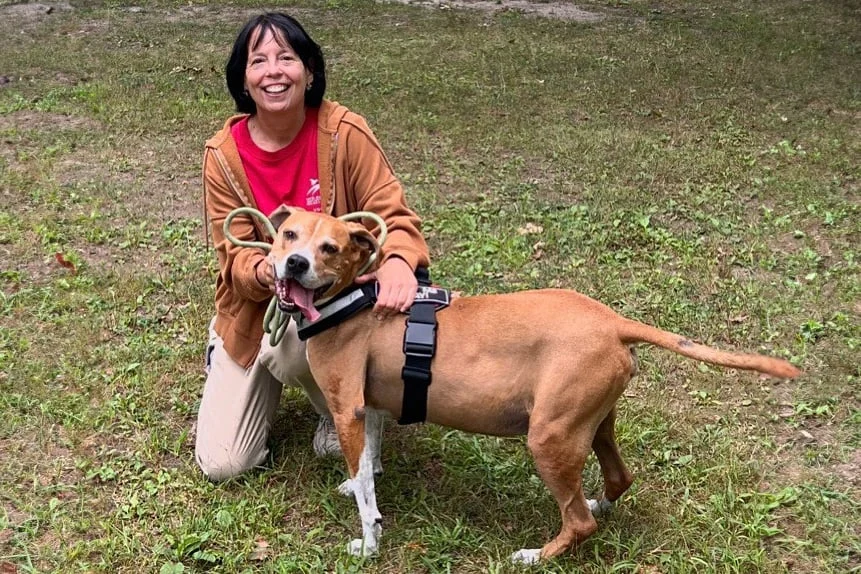
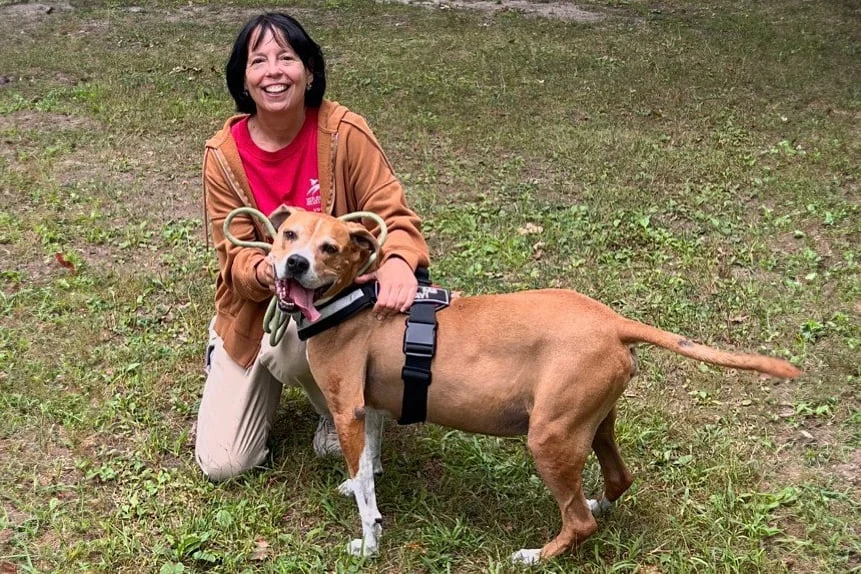
In the bustling, often bittersweet corridors of animal shelters, volunteers are the lifeblood of daily operations. They provide the essential human contact that prevents isolation and the routine that maintains sanity in a kennel environment. While every volunteer contributes to the welfare of their charges, occasionally, one individual transcends the role of caretaker to become a life-altering advocate. This is the story of Janette, a devoted volunteer at Animal League America, and Bernie, an aging soul who spent nearly two years waiting for a miracle that ultimately arrived in the form of a selfless act of grace.
The Intersection of Compassion and Commitment: Main Facts
For nearly 700 days, Bernie, a senior dog residing at the Port Washington campus of Animal League America, existed in a state of suspended animation. While staff and volunteers provided excellent standard care, the reality of shelter life for an older animal is fraught with uncertainty. Senior dogs often face the "invisible" hurdle: potential adopters worry about long-term medical costs, chronic health issues, and the emotional toll of a shorter remaining lifespan.
Janette, a lifelong canine advocate who began volunteering shortly after the global pandemic, became Bernie’s champion. Recognizing that Bernie’s age and background were acting as systemic barriers to adoption, she took a step that few would contemplate. She pledged a $10,000 donation specifically earmarked for Bernie’s adoption fee and his future medical expenses. By essentially "pre-funding" the risk for a prospective family, she transformed Bernie from a "high-risk" adoption candidate into a dream pet for a lucky household.
A Chronology of Connection: From Walks to Welfare
The journey of Bernie and Janette is one defined by incremental trust and deep, silent communication.
The Early Days
Following the peak of the pandemic, Janette found herself seeking a way to contribute to her community. Having previously adopted from Animal League America, she returned to the Port Washington campus, not as a patron, but as a volunteer. Her primary goal was simple: to make every dog she encountered feel "seen."

The Developing Bond
Over the course of two years, the relationship between Janette and Bernie evolved from simple exercise sessions into a profound companionship. Their routine became the anchor of Bernie’s week. They spent hours away from the noise of the kennel, exploring quiet suburban neighborhoods. Janette made a point of normalizing the dog’s life—taking him for car rides, introducing him to comfortable environments, and ensuring he felt the warmth of individual attention.
The Turning Point
As the months turned into years, Janette realized that her affection was not enough to overcome the economic anxiety potential adopters felt regarding Bernie’s senior status. She began to view her volunteerism not just as physical labor, but as a strategic mission to find him a home. The decision to donate $10,000 was a calculated move to remove the "financial barrier" that kept families at arm’s length.
The Result
The impact of her gift was immediate. With the medical and administrative costs covered by Janette’s donation, the barrier to entry vanished. Within weeks of the endowment being finalized, a family stepped forward. Bernie was adopted. Today, he resides in a permanent home, enjoying the comforts of a life he spent two years dreaming of.
Supporting Data: The Reality of Senior Dog Adoptions
The plight of senior dogs in shelters is a well-documented challenge in animal welfare. According to data from the American Society for the Prevention of Cruelty to Animals (ASPCA), senior dogs often have the lowest adoption rates compared to puppies and younger adults.
- The "Senior" Stigma: Older dogs often wait up to four times longer in shelters than younger dogs.
- Economic Barriers: Veterinary costs for senior dogs can be significant. The average annual medical cost for a senior dog is roughly 30–40% higher than that of an adult dog due to routine checkups for arthritis, dental health, and organ function.
- The Success of Sponsorships: Research into "sponsored adoptions"—where donors cover fees or medical costs—shows that adoption rates for "hard-to-place" animals increase by as much as 60% when the financial burden is mitigated for the adopter. Janette’s act serves as a perfect case study for the efficacy of this philanthropic model.
Official Responses and Perspectives
The staff at Animal League America view Janette’s intervention as a transformative moment for their organization.
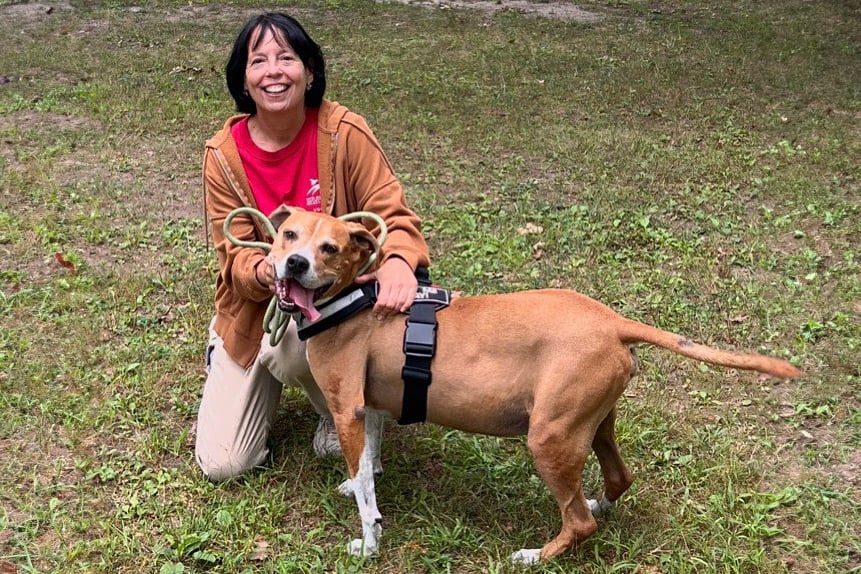
"Janette represents the pinnacle of what we look for in our volunteers," said a spokesperson for the shelter. "She understood that to save a life, you have to look beyond the immediate logistics. By removing the financial apprehension, she gave Bernie the gift of a future. Her dedication highlights the reality that adoption is not just about the animal—it is about the community that supports them."
Janette, however, remains humble about her contribution. When asked about the emotional toll of bonding with an animal only to see them leave, she reflected on the symbiotic nature of the relationship. "You help them, but they help you, too," she noted. "There is an absolute joy in being there for these animals. You don’t just walk them; you bear witness to their lives. The heartbreak of saying goodbye is simply the cost of the privilege of having known them."
The Implications: A New Model for Shelter Philanthropy
The success of the Bernie and Janette story raises important questions about how shelters can better position "long-stay" animals for adoption.
1. The Power of "Transparency of Need"
Janette’s donation was successful because it was transparent. She identified the specific bottleneck—the cost of care—and applied a targeted solution. This suggests that shelters could benefit from "transparency campaigns," where they openly communicate the specific barriers holding back specific animals, allowing donors to solve those exact problems.
2. Redefining Volunteerism
The traditional view of a volunteer is one of manual labor: cleaning, feeding, and walking. Janette’s story advocates for a broader definition. A volunteer is an ambassador. By building deep, documented bonds with long-stay animals, volunteers can create the marketing material (photos, stories, testimonials) that makes an animal "adoptable" to the public.
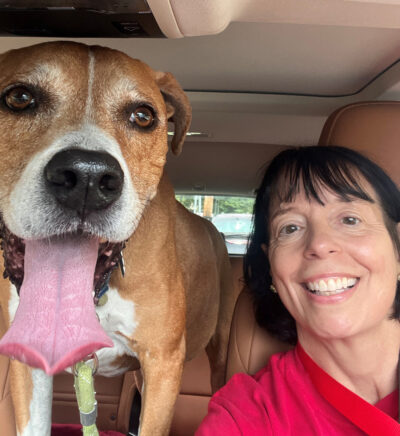
3. The Human-Animal Bond as a Catalyst
Ultimately, the story emphasizes that people adopt when they feel a connection. Janette provided that connection, and then provided the financial means to ensure that connection could be transferred to a new family. Her legacy is not just the $10,000, but the precedent she set: that an individual volunteer, through dedication and generosity, can dismantle the systemic issues that keep animals in cages.
Conclusion: A Legacy of Love
Bernie is now thriving, a testament to the fact that it is never too late for a second act. His journey from a long-term shelter resident to a beloved family companion illustrates the profound impact of individual agency in the face of institutional challenges.
For Animal League America, Janette’s story is a rallying cry. It reinforces the importance of the "Sunshine Maker"—the volunteer who brings light into the darkest corners of a shelter. As the organization continues its mission, they look to supporters like Janette to continue providing the patience, love, and resources necessary to bridge the gap between "waiting" and "home." In the end, the story of Bernie and Janette is a reminder that while one person cannot change the entire world, for one senior dog, one person can indeed change the world entirely.