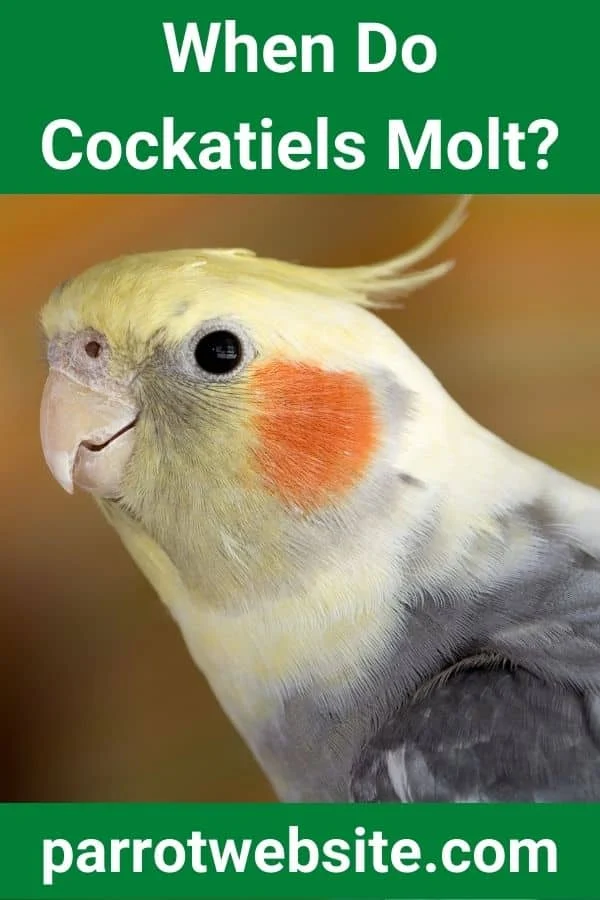
For many new parrot owners, the transition from a bird’s youth to its first adult plumage is a milestone often met with equal parts fascination and anxiety. Having welcomed a new cockatiel into the home, owners quickly realize that the vibrant, chirpy companion they adore is subject to biological rhythms that can be as demanding as they are fascinating. Among these, the process of molting—the systematic replacement of old feathers—stands out as the most significant event in an avian life cycle.
While molting is a natural, healthy process, it is frequently misunderstood by novice bird owners. This guide explores the chronology, physiological requirements, and critical distinctions between a healthy molt and underlying behavioral or health issues.
Main Facts: What is a Cockatiel Molt?
At its core, a molt is the process by which a bird sheds its worn, damaged, or outdated feathers to replace them with a fresh, resilient coat. For a cockatiel, this is not merely a cosmetic change; it is a vital physiological necessity. Feathers are subject to constant wear and tear, ultraviolet degradation, and mechanical stress. Without regular replacement, a bird’s ability to thermoregulate, fly efficiently, and maintain water-repellency would be severely compromised.
The Biological Necessity
Feathers are made primarily of keratin, a structural protein. During a molt, the bird’s metabolism shifts significantly. The body directs a vast amount of energy and nutritional resources toward the production of new keratin structures. This is why a molting bird requires a high-quality, nutrient-dense diet. Failure to support this process can result in "stress bars"—weak points in the feather shaft that make the plumage brittle and prone to breaking.
Chronology: The Lifecycle of a Molt
The timing of a cockatiel’s first molt is a common point of concern for owners. Understanding the biological timeline helps differentiate between normal developmental stages and potential health crises.
The First Juvenile Molt
Most cockatiels begin their first major molt between the ages of six and 12 months. This is the period where they transition from their juvenile, "baby" plumage into their permanent adult coloration. Because environmental factors play a massive role in hormonal and physiological cues, a bird kept in a climate with consistent, warmer temperatures may initiate this process on the earlier side of the spectrum.
Seasonal Patterns
Once a cockatiel has reached adulthood, the molt becomes a recurring event, typically occurring once or twice annually. These cycles are generally triggered by the changing of the seasons, most commonly in the spring and autumn.
- Spring Molts: These allow the bird to prepare for the warmer months, shedding heavier down and preparing for breeding cycles.
- Autumn Molts: These are critical for survival, as the bird replaces worn feathers with a fresh, dense coat to provide optimal insulation against the coming winter.
Duration of the Process
The entire molting process is a marathon, not a sprint. From the moment the first few feathers begin to drop to the final emergence of new plumes, owners should expect a period lasting between seven and 10 weeks. While some individual birds may complete the process faster or slower depending on their health status and environmental stability, any process lasting significantly longer may warrant a consultation with an avian veterinarian to rule out nutritional deficiencies.
Supporting Data: Identifying Normal vs. Abnormal Signs
Distinguishing between a healthy, natural molt and behavioral self-harm is the most critical skill for a bird owner.
Signs of a Healthy Molt
- Increased Preening: The bird will spend significantly more time grooming. This is essential for removing the sheath (the waxy, protective covering) from new, incoming feathers, often referred to as "pin feathers."
- Feather Accumulation: You will notice a steady accumulation of fully formed, mature feathers at the bottom of the cage. These feathers should appear intact, with the shaft unbroken and the vane (the flat part of the feather) relatively smooth.
- Visible Pin Feathers: You may observe small, white, spike-like structures appearing on the bird’s head and neck. These are new feathers emerging from their keratin sheaths.
Warning Signs: Self-Mutilation and Stress
The danger lies in misidentifying "feather plucking" or "feather barbering" as a normal molt. If you observe the following, immediate intervention is required:
- Broken or Splintered Shafts: If the feathers found in the cage are jagged, shredded, or blood-stained, this is a clear indicator that the bird is pulling them out forcefully rather than shedding them naturally.
- Erratic Shedding: A natural molt follows a symmetric, predictable pattern. If your cockatiel is suddenly developing bald patches in isolated areas, this is rarely, if ever, a sign of a normal molt.
- Behavioral Indicators: A bird that is self-harming may appear agitated, hyper-focused on specific areas of its body, or show signs of depression.
Official Perspectives: Veterinary and Behavioral Guidance
Avian veterinarians emphasize that stress is the primary driver of abnormal feather loss. In the wild, cockatiels are social, highly active creatures. In captivity, if their environmental or social needs are not met, they may turn to self-mutilation as a coping mechanism.
The Importance of Environmental Stability
Veterinarians often suggest that owners maintain a "regular rhythm" for their birds. This includes:
- Consistent Photoperiods: Mimicking natural light cycles to help regulate the bird’s endocrine system.
- Dietary Support: During a molt, the bird’s requirement for protein, sulfur-containing amino acids (like methionine), and minerals increases. Many vets recommend adding high-quality, avian-specific supplements to the diet during these 10-week windows.
- Hydration: Proper humidity levels are essential. Dry air can make the keratin sheaths on pin feathers itchy and difficult for the bird to break, leading to frustration and potential plucking.
Addressing Early Molting (Under Six Months)
If a cockatiel appears to be losing feathers at four months of age, the first step is verification. Owners are encouraged to re-contact the breeder to confirm the bird’s exact hatch date. If the bird is indeed four months old, it is too young for a physiological molt. In these instances, the owner must investigate environmental stressors, such as nutritional imbalances, exposure to household toxins (like aerosol sprays or non-stick cookware fumes), or even severe anxiety caused by changes in the household environment.
Implications: Managing the Molting Process at Home
For the owner, the implications of a molting bird are mostly logistical and health-focused.
Logistical Adjustments
During the molt, your bird will produce a significant amount of "feather dander" and debris. It is vital to increase the frequency of cage cleaning to prevent the accumulation of bacteria and to keep the environment hygienic. Providing a shallow bath or a gentle misting spray can assist the bird in breaking down the sheaths of new feathers, providing much-needed relief from the itching associated with new growth.
Monitoring Health
The "molt" is a period of vulnerability. A bird’s immune system is slightly diverted to handle the growth of new feathers, making them more susceptible to underlying infections. Owners should monitor the bird for changes in appetite, energy levels, or droppings. If the bird appears lethargic, fluffed up for extended periods, or stops eating, this should be treated as an emergency.
Final Thoughts
The molting process is a testament to the resilience of your cockatiel. It is the bird’s way of renewing its armor and preparing for the future. While the sight of feathers covering the floor may seem alarming at first, it is, in most cases, a sign of a healthy, growing bird. By maintaining a stable environment, providing a balanced diet, and staying vigilant for the signs of stress-induced feather loss, you can ensure your companion transitions through each molt with ease, maintaining their beauty and vitality for years to come.
Ultimately, your role as an owner is to be an observer. You are the steward of their environment, and by understanding the rhythm of their life cycle, you ensure that their "quirky, fun" personality continues to shine through, coat after coat.