For many new avian enthusiasts, the dream of parrot ownership is often painted with images of birds perched contentedly on shoulders, nuzzling into necks, and seeking constant physical contact. However, when a friend of mine recently brought home their first Pionus parrot, they were met with a different reality. While the bird was healthy, active, and seemingly well-adjusted, it lacked the "cuddly" disposition often associated with more clingy species like Cockatoos or Conures.
This discrepancy between expectation and reality often leads to concern among novice owners. Is the bird depressed? Is there a lack of trust? Is the relationship failing? To address these concerns, it is essential to delve into the behavioral psychology of the Pionus genus, a group of birds known for their steady, somewhat stoic temperaments.
Main Facts: The Pionus Personality Profile
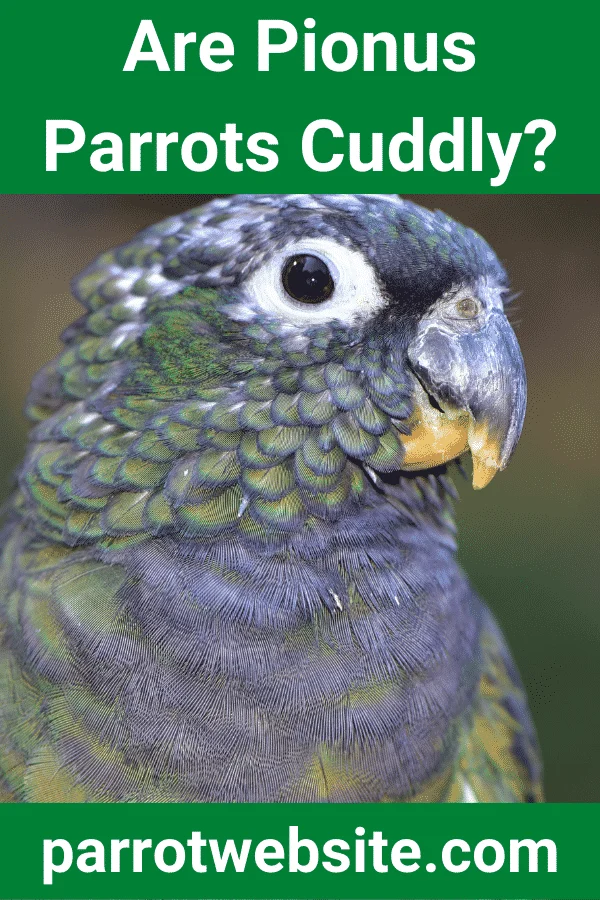
The Pionus genus—which includes popular varieties such as the Blue-headed, White-capped, and Maximillian’s Pionus—is renowned for its relatively calm and reserved nature. Unlike their high-octane cousins in the parrot family, Pionus parrots are often described as the "gentlemen" of the bird world.
The fundamental fact that prospective owners must understand is this: Pionus parrots are generally not "cuddly" in the traditional sense.
While they are deeply social creatures that thrive on companionship, they do not typically seek out full-body snuggles. Instead, their physical affection is curated. A Pionus may enjoy a gentle scratch on the head or a brief moment of preening, but these interactions are almost always initiated and terminated by the bird. They value their personal space and possess a level of emotional independence that can be misconstrued as aloofness by those unfamiliar with their species-specific body language.
Chronology: The Evolution of the Human-Pionus Bond
The journey of bonding with a Pionus parrot is a long-term commitment that does not follow a linear path of increasing "cuddliness."
- The Acclimation Phase (Days 1–30): During the initial weeks in a new home, the Pionus is in a state of high vigilance. They are observant, assessing their surroundings and the "flock" dynamics. Forcing interaction during this period is detrimental. Trust is built through proximity—simply sitting near the cage and speaking softly is more effective than attempting to handle the bird.
- The Establishment Phase (Months 1–6): Once the bird settles, they begin to express their personality. You will notice the emergence of their preferred touch-points. A bird that previously avoided your hand may now tilt its head, signaling a desire for a scratch. This is the period where the owner learns the "language" of the parrot.
- The Mature Bond (Year 1 and beyond): At this stage, the relationship transitions from one of adjustment to one of companionship. The bird recognizes the owner as a stable member of its social unit. Affection is no longer measured in hours of cuddling, but in the quality of shared time—eating meals together, playing with toys, or simply co-existing in the same room.
Supporting Data: Why "Not Cuddly" Does Not Mean "Not Affectionate"
To understand the Pionus, one must redefine the concept of affection. Parrots do not express love in the same mammalian ways that dogs or cats do. If an owner looks only for physical contact, they will miss the myriad ways a Pionus communicates its devotion.
Vocalization and Excitement
When an owner returns home after an absence, a well-adjusted Pionus will often exhibit "flock calling" behaviors. This includes enthusiastic chirping, bobbing, and excited wing-flicking. This vocal greeting is a primary indicator of affection. They are acknowledging your return and welcoming you back into the social fold.
The Privilege of Proximity
In the wild, a parrot’s proximity to another is a sign of trust. If your Pionus chooses to sit on a perch near you, or even on your shoulder without attempting to cuddle, it is a significant compliment. They are signaling that they feel safe and comfortable enough to drop their guard in your presence.
The "Scratch" Protocol
When a Pionus lowers its head and fluffs its feathers, it is issuing a specific invitation. This is the "Gold Standard" of Pionus affection. It is a moment of vulnerability. If the owner respects the boundaries—scratching gently and stopping immediately when the bird pulls away—they reinforce the trust that makes the relationship successful.
Official Perspectives: The Need for Stimulation
Avian behavioral specialists emphasize that the Pionus’s reserved nature is a function of their intelligence, not a lack of depth. Like all psittacines, they are highly cognitive animals that require significant mental stimulation to prevent behavioral pathologies.
The Play Requirement
Pionus parrots are active and inquisitive. If they are not provided with adequate mental and physical exercise, they are prone to boredom, which can manifest as excessive screaming, feather-plucking, or self-mutilation.
- Toys and Enrichment: A rotating selection of puzzle toys, foraging opportunities, and chewing materials is essential.
- Structured Playtime: Owners should aim for a minimum of two hours of focused, out-of-cage interaction daily. This is not just for the bird’s physical health; it is the primary method of deepening the bond. Because many Pionus are kept as single birds, they view their human owner as a mate or primary flock member. They rely on this interaction to fulfill their social requirements.
Implications: Managing Expectations for Future Owners
For those considering a Pionus, it is crucial to recognize the implications of their temperament.
The "Reserved" Advantage
If you are an individual with a busy lifestyle or a preference for a pet that is not constantly demanding physical contact, the Pionus is an excellent candidate. They are ideal for those who enjoy the presence of a companion animal without the "velcro" behavior of other parrot species.
The Risk of Isolation
While they are more independent than other parrots, they are not "low-maintenance." A Pionus left alone for extended periods—generally, anything beyond 4 to 5 hours on a regular basis—will become restless and anxious. Their need for social engagement is non-negotiable.
The Blue-Headed Paradox
Many potential owners specifically inquire about the Blue-headed Pionus, hoping their stunning coloration comes with a softer personality. The reality remains consistent: regardless of the specific Pionus variety, the temperament is largely uniform. They are not lap birds. If an owner enters the relationship expecting a cuddly pet, they are setting both themselves and the bird up for frustration.
Conclusion: Embracing the Stoic Bond
In the world of avian companionship, the Pionus parrot represents a unique balance between social need and personal autonomy. They are not the "cuddly" parrots of social media fame, but they are profoundly loyal, intelligent, and affectionate in ways that require a nuanced eye to appreciate.
The key to a successful relationship with a Pionus lies in the owner’s ability to let go of human-centric expectations of love. When you stop trying to force the bird into a mold of physical dependence, you create the space for them to reveal their true nature.
For the patient owner, the reward is not a bird that demands constant cuddling, but a calm, steady companion that offers its affection through presence, play, and trust. By learning to read their signals and respecting their boundaries, you will find that the Pionus is one of the most rewarding and sophisticated avian companions one could hope to share a life with. Ultimately, the bond with a Pionus is built on mutual respect, proving that you don’t need a bird to be "cuddly" to know that you are deeply, fundamentally loved.