The decision to bring an exotic bird into one’s home is a commitment that fundamentally alters a household’s dynamic. Following the recent passing of a long-time feline companion, a close acquaintance recently reached out to discuss the possibility of transitioning from mammals to avian companionship. Specifically, the inquiry focused on the Alexandrine parrot (Psittacula eupatria), a species renowned for its striking appearance and high intelligence.
While these birds are undeniably captivating, the reality of ownership is far more complex than the average pet seeker might anticipate. This article explores the nuanced, high-maintenance, and deeply rewarding experience of sharing one’s life with an Alexandrine parrot.
Main Facts: Understanding the Alexandrine Parrot
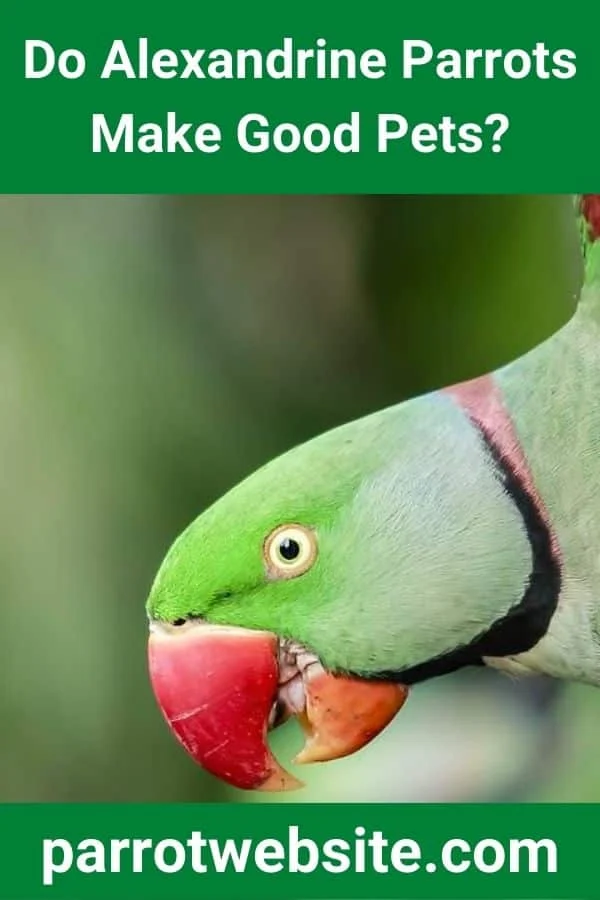
The Alexandrine parrot, named after Alexander the Great, is a large, regal member of the Psittacula genus. Native to parts of South and Southeast Asia, these birds are prized for their elegant plumage and long, tapered tail feathers.
At the core of their appeal is their personality: they are generally gentle, social, and possess a capacity for speech that rivals many other species. However, they are not a "starter" pet. Unlike domesticated cats or dogs, which have evolved over millennia to thrive in human environments, the Alexandrine parrot retains a high degree of wild instinct. They possess an intelligence level often compared to that of a human toddler, necessitating constant mental stimulation, social interaction, and environmental enrichment to prevent the development of behavioral issues.
Chronology of the Ownership Commitment
The journey of owning an Alexandrine parrot is not a singular event but a multi-decade commitment. To understand the timeline of this endeavor, one must look at the lifespan and developmental stages of the bird:
- The Acquisition Phase (Year 0): This is the most critical period. Prospective owners must research ethical breeders, as the temperament of the bird is heavily influenced by early socialization and weaning processes.
- The Bonding Phase (Years 1–3): During this time, the parrot will test boundaries. As they mature, their "flock" mentality shifts, and they will establish their role within the household hierarchy.
- The Maturation Phase (Years 4–10): The bird reaches full maturity. This is when the intellectual needs of the parrot are at their peak. Owners must provide complex puzzles, consistent training, and daily socialization.
- The Long-Term Stewardship (Years 10+): With a lifespan that can reach 30 years or more, the Alexandrine is a life-altering responsibility. Owners must plan for the bird’s care in the event of their own life changes, moves, or emergencies.
Supporting Data: Temperament, Noise, and Interaction
When evaluating the suitability of an Alexandrine, it is essential to analyze the data regarding their behavioral tendencies.
The "Cuddly" Misconception
Many prospective owners seek a bird they can hold, pet, and cuddle as they would a dog. The Alexandrine, however, is a notable outlier. While they are affectionate and deeply bonded to their primary caregivers, they are not typically "cuddly" birds. They value their personal space and often dislike having their feathers ruffled or stroked. Affection is more likely to be expressed through shared vocalizations, playful interaction with toys, or simply sitting near their owner. Those specifically looking for a tactile, cuddly experience are often better served by species like the Cockatiel or the African Grey.
Vocalization and Noise Levels
All parrots are, by nature, vocal creatures. It is a biological imperative for flock communication. Alexandrine parrots fall into the "moderate-to-high" category regarding noise. They are not the most raucous species—they do not possess the ear-piercing scream of a macaw—but they are loud, particularly during morning and evening "flock calls." They are also skilled mimicry artists, often repeating household noises or words, which can be endearing but requires patience from those who appreciate a quiet home environment.
The Power of the Beak
A significant concern for novices is the bird’s physical power. The Alexandrine possesses a substantial, hooked beak designed for cracking hard seeds and nuts in the wild. While they are not inherently aggressive, a bird that is frustrated, bored, or improperly socialized can deliver a severe bite. This is the primary reason why they are rarely recommended for first-time bird owners.
Official Perspectives: Why Experience Matters
Aviculturalists and avian veterinarians generally provide a unified perspective on the species: the Alexandrine parrot requires a sophisticated level of care.
"The intelligence of an Alexandrine is a double-edged sword," notes one avian behavioral consultant. "They have the cognitive capacity to learn complex tricks, but they also have the capacity to become bored, anxious, and destructive if that intelligence is not directed."
Veterinarians often warn against "impulse buying" based on the bird’s beauty. They emphasize that the "easiest" parrots for beginners—such as Budgerigars (parakeets) or Cockatiels—are recommended for a reason. These species are smaller, more forgiving of minor human errors, and have a more manageable social requirement compared to the Alexandrine, which demands a high degree of emotional intelligence from its keeper.
Implications: Preparing for the Reality
If, after considering these facts, an individual remains determined to bring an Alexandrine parrot into their life, there are several implications they must accept.
1. The Requirement for Environmental Enrichment
A cage is not a home; it is a sleeping quarters. An Alexandrine needs an expansive living space and an even larger area for daily "out-of-cage" time. Owners must constantly rotate toys, introduce new foraging challenges, and dedicate at least two to four hours a day to active interaction.
2. The Cost of Care
Beyond the initial purchase price, the long-term costs of avian ownership are significant. This includes specialized avian veterinary care (which is more expensive and harder to find than standard pet care), high-quality, balanced diets, and the replacement of destroyed household items—a common consequence of having a parrot that loves to chew.
3. The Need for Professional Training
Because these birds are intelligent and strong-willed, training is not optional. Positive reinforcement techniques are necessary to establish a healthy relationship. For a beginner, the implication is clear: you must be prepared to invest time in educating yourself on avian psychology before or concurrent with the bird’s arrival.
Conclusion
The Alexandrine parrot is a magnificent creature that offers a unique, highly rewarding bond. They are friendly, joyful, and deeply intelligent companions that can bring a special kind of life into a household. However, they are not the right choice for the casual pet owner or the novice who has never navigated the complexities of avian behavior.
For the experienced bird enthusiast, the Alexandrine is a joy to behold. They are rewarding in a way few other animals are, mirroring their owner’s energy and providing endless entertainment. But for the person who has just lost a cat and is looking for a "new pet," the advice remains consistent: start with a more manageable species. The path to owning an Alexandrine should be taken with eyes wide open, recognizing that you are not just acquiring a pet, but entering into a decades-long partnership with a highly complex, sentient being.