The prospect of bringing an exotic bird into the home is a decision that often begins with a casual conversation—a friend asking for advice, a spark of curiosity, or a sudden fascination with the vibrant plumage and human-like intelligence of parrots. Among the most popular choices for avian enthusiasts are Amazon parrots. Known for their charismatic personalities, impressive vocal mimicry, and striking appearances, these birds have captured the hearts of many. However, beneath the feathers lies a complex creature that requires a lifestyle adjustment far beyond the typical demands of domestic pets.
Are Amazon parrots the right fit for your home? This comprehensive analysis explores the realities, responsibilities, and rewards of inviting an Amazon into your life.
Main Facts: Understanding the Amazon Parrot
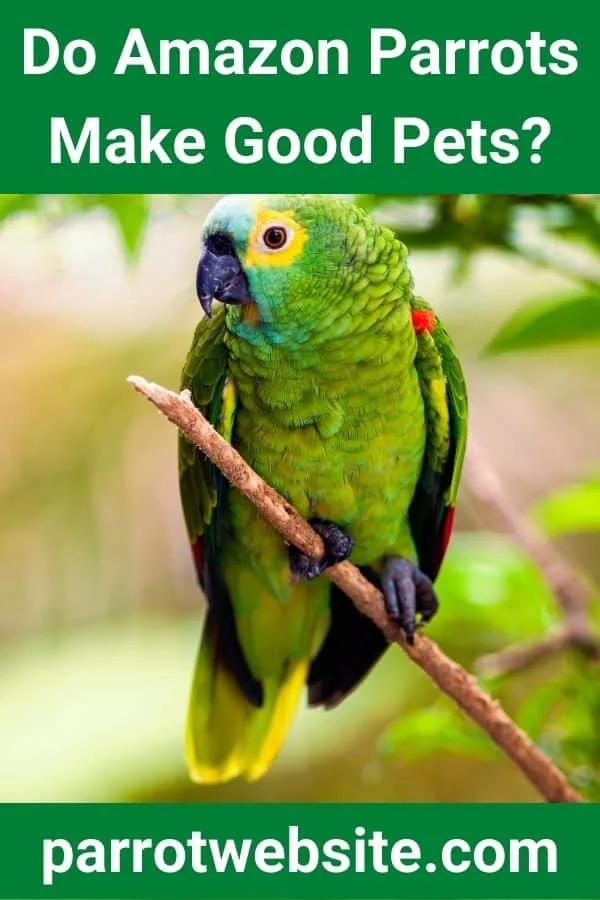
Amazon parrots are medium-sized, short-tailed birds belonging to the genus Amazona. They are native to the tropical regions of the Americas, ranging from the Caribbean to Mexico and South America. In a domestic setting, they are prized for their social intelligence and high energy levels.
The most critical fact to internalize before considering ownership is that an Amazon parrot is not a "caged" pet in the traditional sense; they are a lifestyle commitment. These birds are highly social, possessing emotional needs that mirror those of a toddler. They require consistent stimulation, dietary variety, and, most importantly, hours of daily interaction with their human "flock." When these needs are unmet, the bird’s health and behavior inevitably decline.
The Chronology of Ownership: From Selection to Integration
The journey of owning an Amazon parrot does not begin the day you bring the bird home; it begins months, if not years, prior.
1. The Pre-Purchase Phase (Research and Selection)
Prospective owners must engage in rigorous research. This includes identifying reputable breeders who prioritize the psychological well-being of their hatchlings. The initial stage of an Amazon’s life is critical. A bird that is not properly socialized during its formative weeks may develop behavioral patterns—such as biting or extreme fearfulness—that are difficult to reverse in adulthood.
2. The Acclimation Period
Once you have selected a bird from a professional breeder, the first few months are dedicated to trust-building. Even if a bird is "tame," it must learn to trust its new environment. During this time, the owner must be prepared to spend several hours a day simply sitting with, talking to, and observing the bird to establish a bond.
3. Long-term Maintenance
Amazon parrots are long-lived creatures. Depending on the species, they can live anywhere from 40 to 60 years or more. This is not a short-term commitment; it is a multi-decade pact that requires contingency planning for the bird’s future, including long-term veterinary care and potential inheritance planning.
Supporting Data: Behavior, Costs, and Logistics
The Reality of "The Noise Factor"
If silence is a priority in your home, an Amazon parrot is likely not the pet for you. Amazon parrots are renowned for their volume. They possess a natural repertoire of whistles, chirps, and screams that they utilize to communicate with their flock—or simply to express excitement. They are among the loudest parrots in the animal kingdom, capable of vocalizing at decibel levels that can be disruptive to neighbors and household members.
Financial Commitments
While the initial purchase price of an Amazon parrot—ranging from $400 to over $1,000 depending on the species and rarity—may seem manageable, the long-term cost is where owners are often caught off guard.
- Annual Maintenance: Experts estimate that high-quality food, fresh produce, toys, and cage maintenance cost between $250 and $500 per year, though this often fluctuates based on lifestyle.
- Veterinary Expenses: Exotic avian vets are specialized and, consequently, more expensive than general feline or canine practitioners. An unexpected emergency or a standard wellness checkup can cost several hundred dollars.
- Infrastructure: A large, high-quality cage is a non-negotiable expense, often costing hundreds of dollars on its own.
Intelligence and Aggression
The "aggression" often cited in Amazon parrots is rarely a trait of the bird itself, but rather a reflection of its environment or upbringing. These birds are highly sensitive to their owner’s moods. If an Amazon is hungry, thirsty, sleep-deprived, or bored, it will signal its frustration through biting or vocalizing. Most behavioral issues are symptoms of a lack of proper stimulation or an imbalance in the bird’s daily routine.
Official Perspectives: The Expert Consensus
Veterinary behaviorists and avian experts maintain a unified stance on Amazon ownership: they are wonderful companions for the right person, but disastrous for the wrong one.
According to avian specialists, the "beginner" label applied to Amazons is relative. While they are more manageable than some of the larger, more temperamental cockatoos or macaws, they still require a high level of expertise. Experts emphasize that the "taming" process performed by breeders is merely the foundation; the owner’s consistency is the structure. Without a structured routine—including a consistent sleep schedule and varied mental challenges like puzzle toys—the Amazon’s intelligence becomes a liability, leading to destructive behaviors like feather plucking.
Furthermore, official animal welfare organizations stress that parrots are "flock animals." While an Amazon can thrive as a single bird, it requires a human to act as its surrogate flock. If an owner is gone for 10 hours a day, the parrot will likely suffer from separation anxiety.
Implications: Is the Amazon Right for You?
The decision to own an Amazon parrot carries significant implications for your lifestyle.
1. Environmental Adjustments: You must be prepared for a home filled with bird-safe zones. Teflon-coated cookware, certain household cleaners, and scented candles can be lethal to a parrot’s delicate respiratory system. Your home must be "bird-proofed" to prevent accidents.
2. Social Trade-offs: Because Amazon parrots are highly social, you may find yourself limited in your ability to travel or work long hours. You must consider if you have the resources for pet sitters who are experienced with exotic birds, as leaving an Amazon with an inexperienced person can be dangerous for both parties.
3. The Reward of Intelligence: If you can accommodate the noise, the cost, and the time commitment, the reward is an incredibly deep bond. Amazon parrots are capable of learning an extensive vocabulary and performing complex tricks. They are often described as "joyful" and "funny," capable of providing a level of interactive companionship that is rarely found in other pets.
Final Considerations
To determine if you are ready for an Amazon parrot, ask yourself these three questions:
- Do I have the patience to handle loud, repetitive vocalizations for the next 40 years?
- Am I willing to adjust my household habits to ensure the safety and mental health of an exotic animal?
- Can I commit to the financial requirements of specialized veterinary care and high-quality nutrition for the duration of the bird’s life?
If the answer to these questions is a resounding yes, then an Amazon parrot may well be the most rewarding pet you will ever own. They are not merely pets; they are sentient, intelligent, and vibrant companions that demand a level of respect and care that reflects their status as some of the most fascinating creatures on the planet. Research, patience, and a genuine commitment to their welfare are the only ways to ensure a successful, lifelong partnership with these feathered wonders.