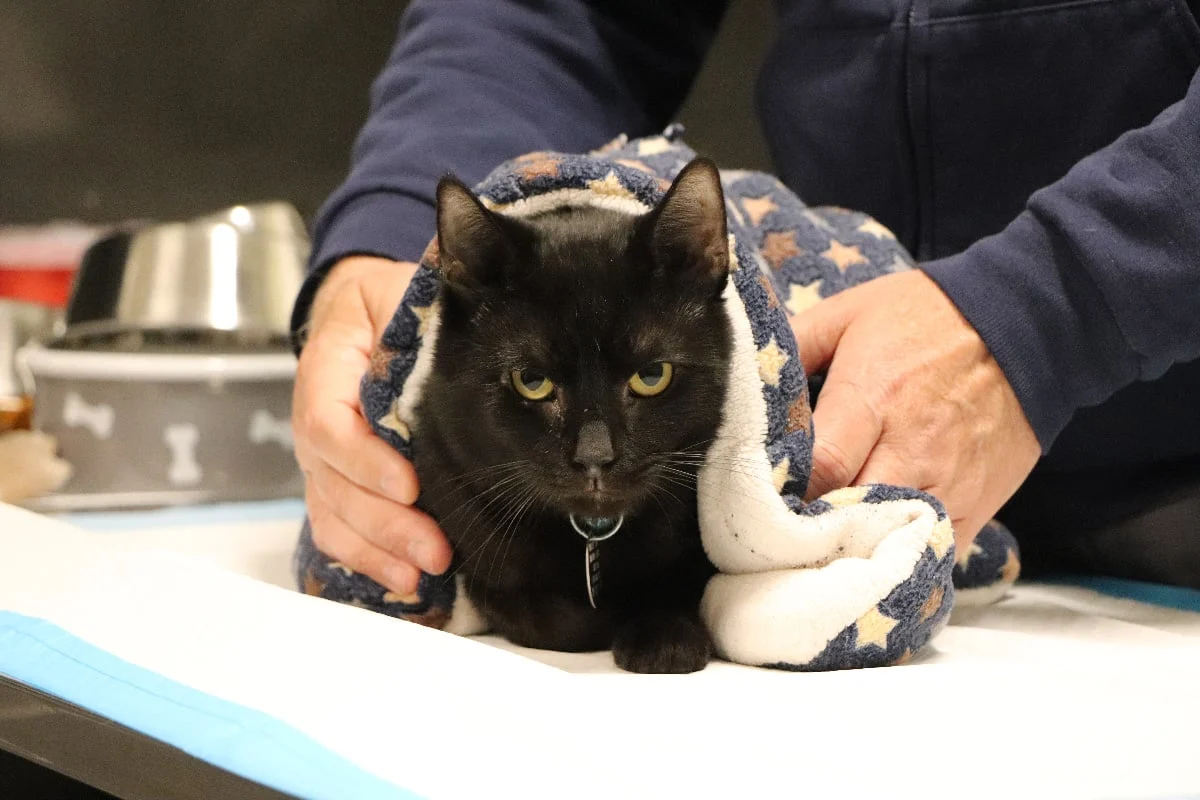
When Orzo, a shy black cat, was pulled from a neglected hoarding situation in upstate New York, he carried a heavy burden that went far beyond the trauma of his environment. Emaciated, timid, and suffering from a debilitating condition that rendered even the simple act of eating a source of agony, Orzo’s rescue was not just a change in location—it was a fight for his life. Upon his arrival at Animal League America, medical staff quickly identified that the young cat was trapped in a cycle of chronic suffering, setting in motion a complex medical intervention aimed at giving him the pain-free life he had never known.
The Reality of Feline Stomatitis: An Internal War
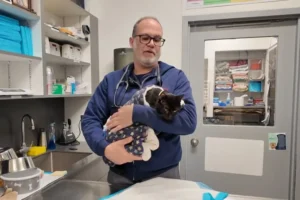
The diagnosis was clear: feline stomatitis. To the untrained eye, it might appear as simple dental trouble, but Dr. Mark Verdino, Chief of Veterinary Staff at Animal League America, describes it as a systemic, immune-mediated nightmare.
"Feline stomatitis is an immune-mediated disease that causes severe inflammation and ulceration in the oral cavity," Dr. Verdino explains. "The easiest way to explain it is that these cats are essentially having an allergic reaction to their own teeth."
In a healthy feline, the immune system serves as a protective barrier. In a cat with stomatitis, the body perceives the plaque on the teeth as a foreign, hostile invader, triggering an overactive, aggressive inflammatory response. The result is a mouth that is perpetually red, swollen, and covered in painful ulcers. For a creature as sensitive as a cat, whose oral health is vital for grooming, eating, and interacting with the world, this condition is devastating.
For Orzo, every swallow was a reminder of his own biology turning against him. His hesitation to eat wasn’t just a symptom of his shy demeanor—it was a survival strategy against the searing pain in his gums. Without intervention, Orzo’s future was bleak: a life defined by chronic discomfort, dependence on heavy pain-management medication, and a steadily declining quality of life.
A Chronology of Care: From Rescue to Recovery
The journey of Orzo’s rehabilitation has been a multi-stage process, requiring both surgical precision and long-term psychological patience.
The Initial Assessment
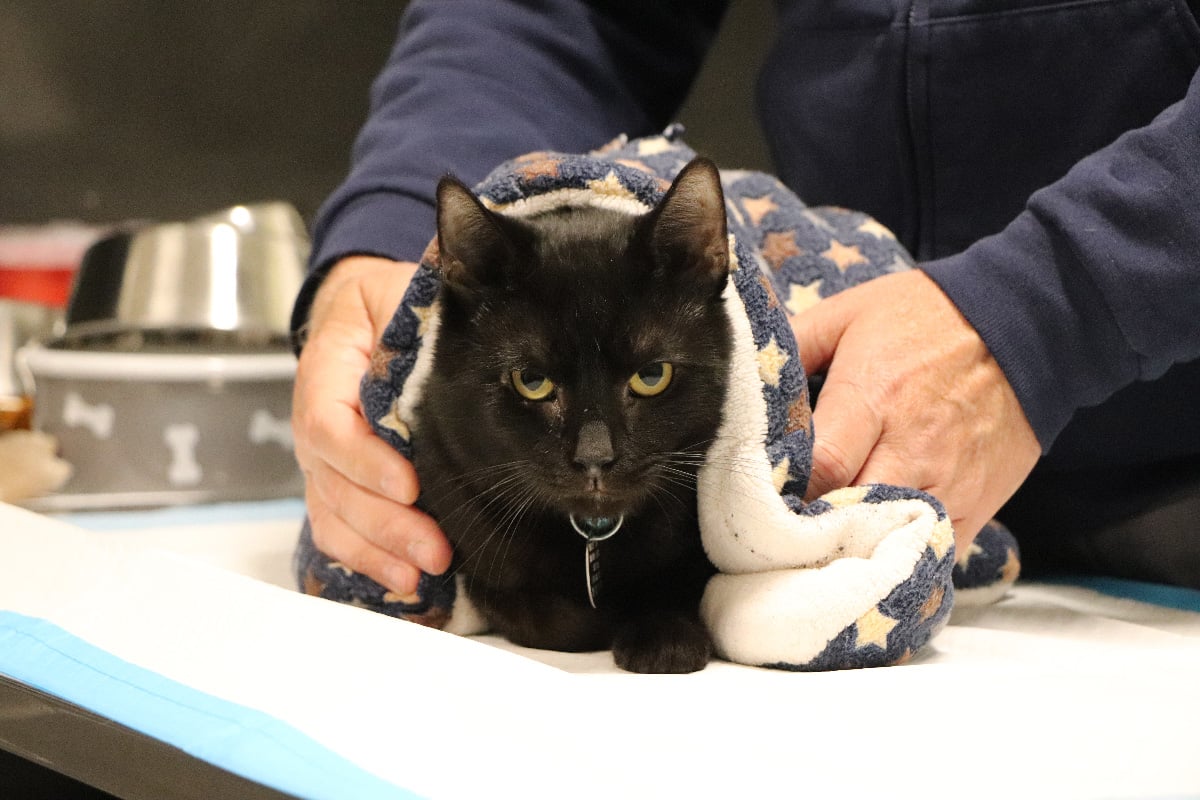
When Orzo first arrived at the Animal League, the primary focus was stabilization. Rescuers noted that he was severely undersocialized, a common byproduct of hoarding environments where human contact is either non-existent or overwhelming. During his initial physical examination, veterinarians noted his poor body condition, lethargy, and the visible distress when his mouth was touched.
The Surgical Intervention
Recognizing the severity of the stomatitis, the medical team determined that the only definitive cure was a full-mouth extraction. This procedure is not taken lightly; it involves the complete removal of all teeth to eliminate the source of the immune reaction.
The surgery, conducted in the organization’s state-of-the-art Fried Dental Suite, was a high-stakes, two-hour procedure. Under general anesthesia, the team worked meticulously to ensure no root fragments remained, as even a tiny piece of tooth could trigger a recurrence of the inflammation. The cost of such a procedure—if sought at a private specialty clinic—can reach into the thousands of dollars, placing it out of reach for many smaller rescue organizations. However, the advanced capabilities of the Pet Health Centers allowed Orzo to receive this life-altering surgery without delay.
Post-Operative Decompression
The surgery addressed the physical pain, but the mental wounds of his past remained. Post-extraction, Orzo entered a period of "decompression." In the wake of his surgery, he was placed in a quiet, controlled environment where he could recover from the anesthesia and the surgical trauma without the pressure of human interaction.
Supporting Data: The Scope of Rescue Medicine
Orzo is not an isolated case. Every year, Animal League America manages a high volume of intake cases involving animals with advanced, systemic medical issues. Data suggests that animals rescued from hoarding situations frequently present with a "triad of trauma":
- Nutritional Deficiencies: Resulting from the scarcity of food and poor quality of resources.
- Untreated Chronic Disease: Such as stomatitis, severe respiratory infections, or dermatological issues that progressed due to lack of veterinary oversight.
- Behavioral Inhibition: A deep-seated fear response that requires weeks or months of specialized socialization.
The cost of providing this level of care is substantial. It requires not only surgical equipment but also a dedicated workforce of veterinary technicians, anesthesiologists, and behavioral specialists. The success of a case like Orzo’s relies heavily on the integration of these departments—ensuring that physical healing is mirrored by emotional support.
Official Perspectives: The Ethics of Advanced Care
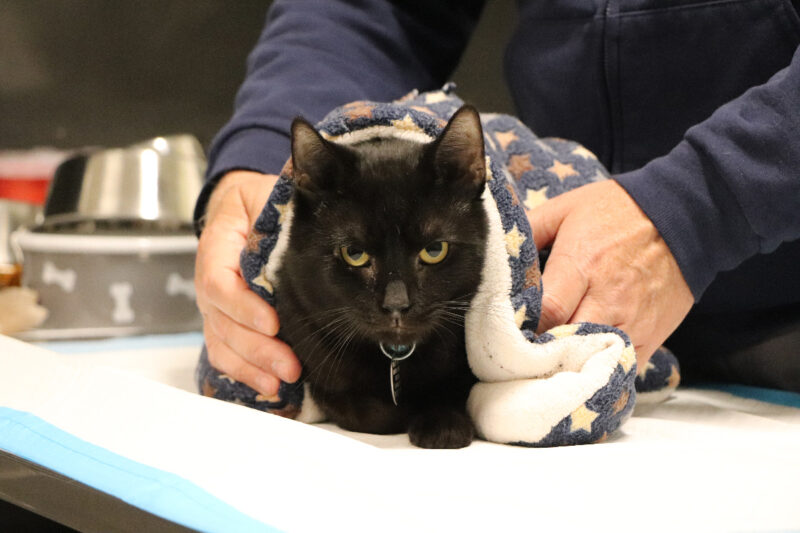
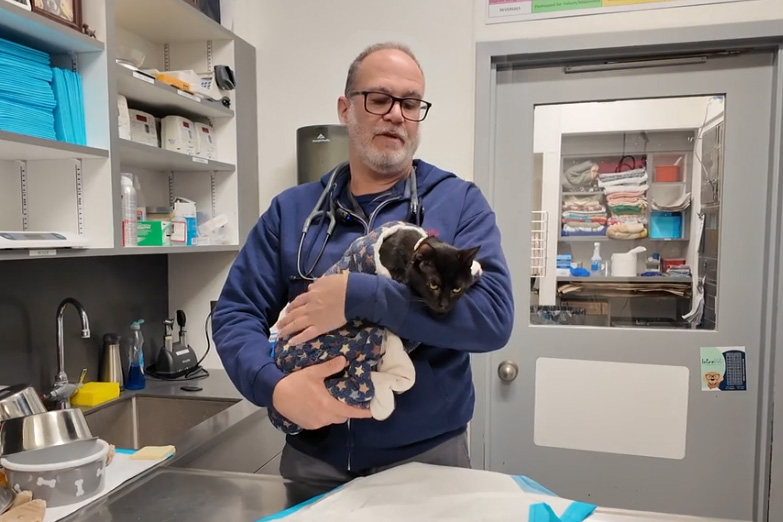
Dr. Verdino emphasizes that for a cat as young as Orzo, the surgical path was not just an option—it was a moral imperative. "The biggest concern is pain," Dr. Verdino states. "Without surgery, he would likely spend his life uncomfortable and dependent on medication. He’s still a young cat, and this procedure gives him the best chance at living a healthy life."
The philosophy at Animal League America centers on the "No-Kill" mission, which implies that medical intervention is the standard, not the exception. The commitment to providing full-mouth extractions for cats like Orzo serves as a reminder of the true cost of rescue. It is a commitment that goes beyond merely providing food and shelter; it involves restoring the dignity and health of an animal that has been let down by its previous human caretakers.
The Road Ahead: Behavioral Rehabilitation
As Orzo’s surgical sites heal, the next chapter of his life begins. Removing the physical pain of stomatitis is only the first hurdle. His behavioral rehabilitation will be a slow, iterative process.
The feline behavior team is now taking the lead. Because Orzo was raised in a hoarding situation, he has not learned how to read human body language or trust in the presence of people. The team will use "clicker training," scent-swapping, and non-confrontational observation to help him build confidence. The goal is to move him from a state of "freeze-and-hide" to a state of curiosity and comfort.
This stage is perhaps the most difficult for staff and supporters to watch, as it requires patience that defies the modern desire for instant results. Yet, the staff remains optimistic. As Orzo learns that humans are a source of comfort rather than a source of stress, his true personality will begin to emerge.
Implications for Animal Welfare
Orzo’s story carries significant implications for the broader animal welfare community. First, it highlights the desperate need for more resources dedicated to specialized veterinary dentistry in the rescue world. Stomatitis is often overlooked in shelter settings, where animals are prioritized for acute injuries rather than chronic, "hidden" pain.
Second, it underscores the importance of addressing the psychological impact of hoarding. An animal that is medically healthy but behaviorally paralyzed is often overlooked by potential adopters. By integrating behavioral support into the medical recovery plan, Animal League America is proving that these animals are not "damaged goods," but rather survivors in need of a transition period.
Finally, Orzo’s case serves as a call to action. His recovery is funded by the support of donors who recognize that a cat’s worth is not dictated by the cost of their medical care. For Orzo, the "price" of his health is the investment in his future—a future where he will one day sit on a sunny windowsill, groomed, fed, and entirely free from the agonizing pain of a mouth that was once his enemy.
As he continues his recovery, Orzo stands as a testament to the fact that with enough expertise, patience, and compassion, the cycle of neglect can be broken. He is a survivor of a dark past, now stepping into a light that promises him the safety and comfort he has waited his whole life to experience.