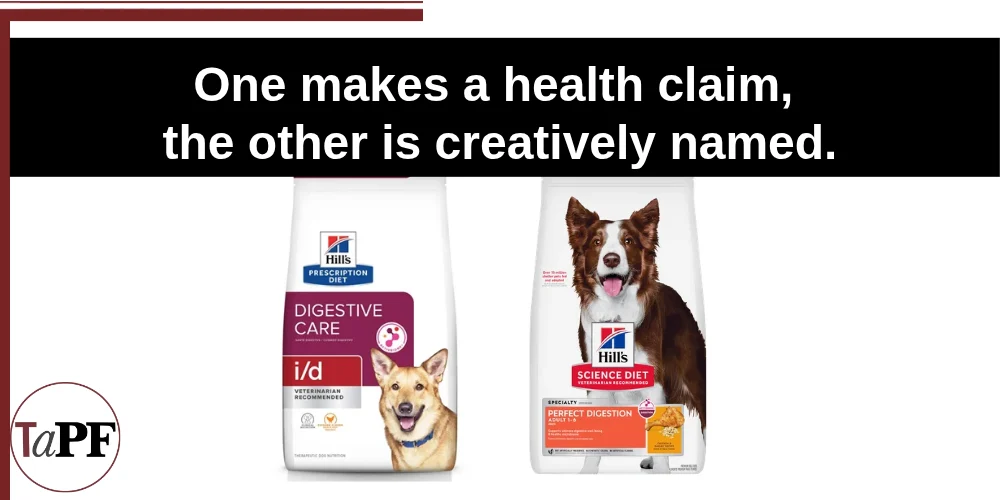
In the realm of consumer protection, few events have left as deep a scar as the 2007 pet food recall. It was a crisis of unprecedented proportions, involving the widespread contamination of pet food with melamine and cyanuric acid, which led to the illness and deaths of thousands of dogs and cats across North America. In the wake of this tragedy, the United States Congress acted with rare decisiveness, passing legislation intended to ensure such a disaster would never occur again.
However, nearly two decades later, a disturbing reality has emerged: the Food and Drug Administration (FDA) has failed to fulfill the core mandates of that legislation. While the pet food industry has grown into a multi-billion-dollar global juggernaut, the regulatory framework meant to govern it remains stuck in a state of perpetual delay. As of 2026, essential labeling requirements and ingredient standards—legally required to be completed by 2009—remain either unaddressed or systematically dismantled.
Main Facts: A Broken Promise of Safety
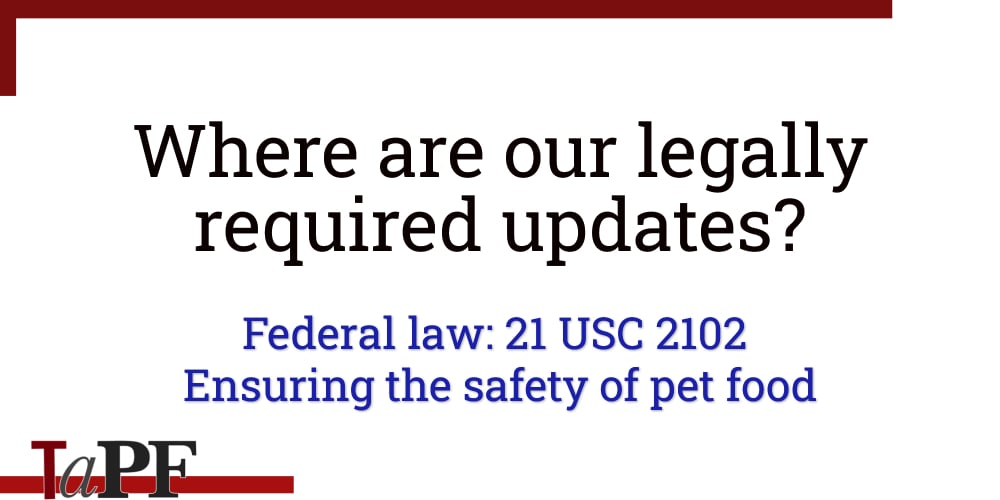
The legislative response to the 2007 recall was codified under the title "Ensuring the Safety of Pet Food." This mandate, part of the broader Food and Drug Administration Amendments Act of 2007 (and later integrated into the Food Safety Modernization Act), required the Secretary of Health and Human Services, via the FDA, to establish three critical pillars of pet food safety:
- Pet Food Ingredient Standards: Clear, enforceable definitions and safety benchmarks for what can legally be included in animal feed.
- Pet Food Processing Standards: Rigorous requirements for how pet food is manufactured to prevent contamination.
- Updated Labeling Standards: A requirement to modernize labels to include comprehensive "nutritional and ingredient information," providing consumers with the same level of transparency found on human food packaging.
Congress was explicit about the timeline, setting a hard deadline of September 2009 for the completion of these requirements. Yet, seventeen years past that deadline, the FDA has only fully completed one of the three mandates—and even that was delivered six years late. The remaining two pillars, particularly the labeling updates, have been relegated to what consumer advocates call "administrative limbo."
Chronology of Regulatory Inaction (2007–2026)
To understand the depth of this regulatory failure, one must look at the timeline of missed deadlines and legislative maneuvers that have characterized the last nineteen years.
- September 2007: In the immediate aftermath of the deadliest recall in history, Congress passes the "Ensuring the Safety of Pet Food" law. The FDA is given two years to establish new standards.
- September 2009: The Congressional deadline passes. No new ingredient standards or labeling updates are released.
- September 2015: Six years past the deadline, the FDA finally completes the pet food processing standards as part of the Food Safety Modernization Act (FSMA). This remains the only completed mandate of the original 2007 law.
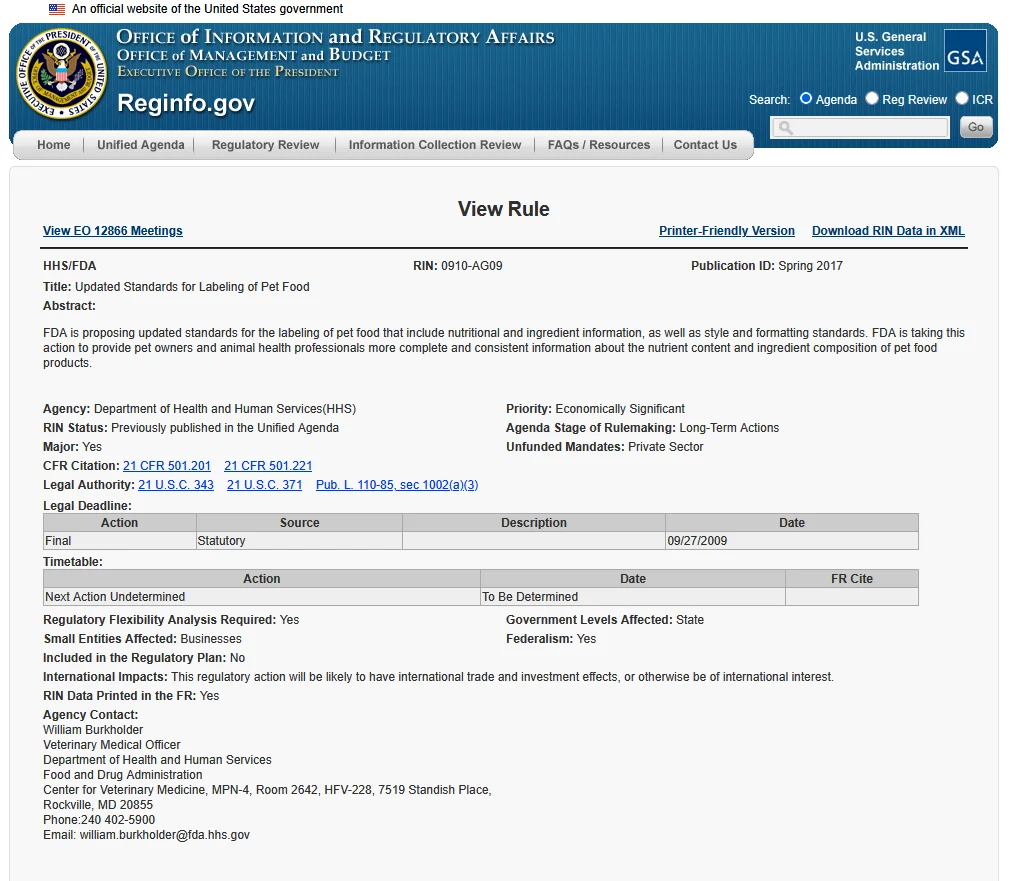
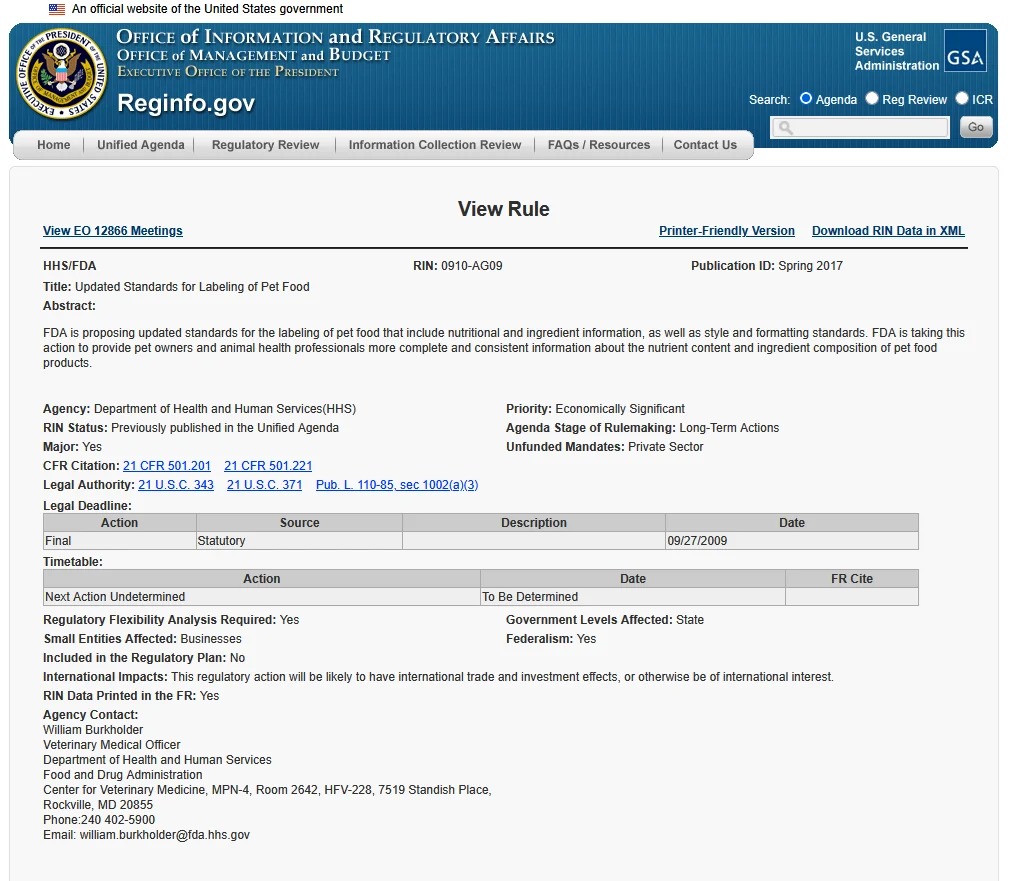
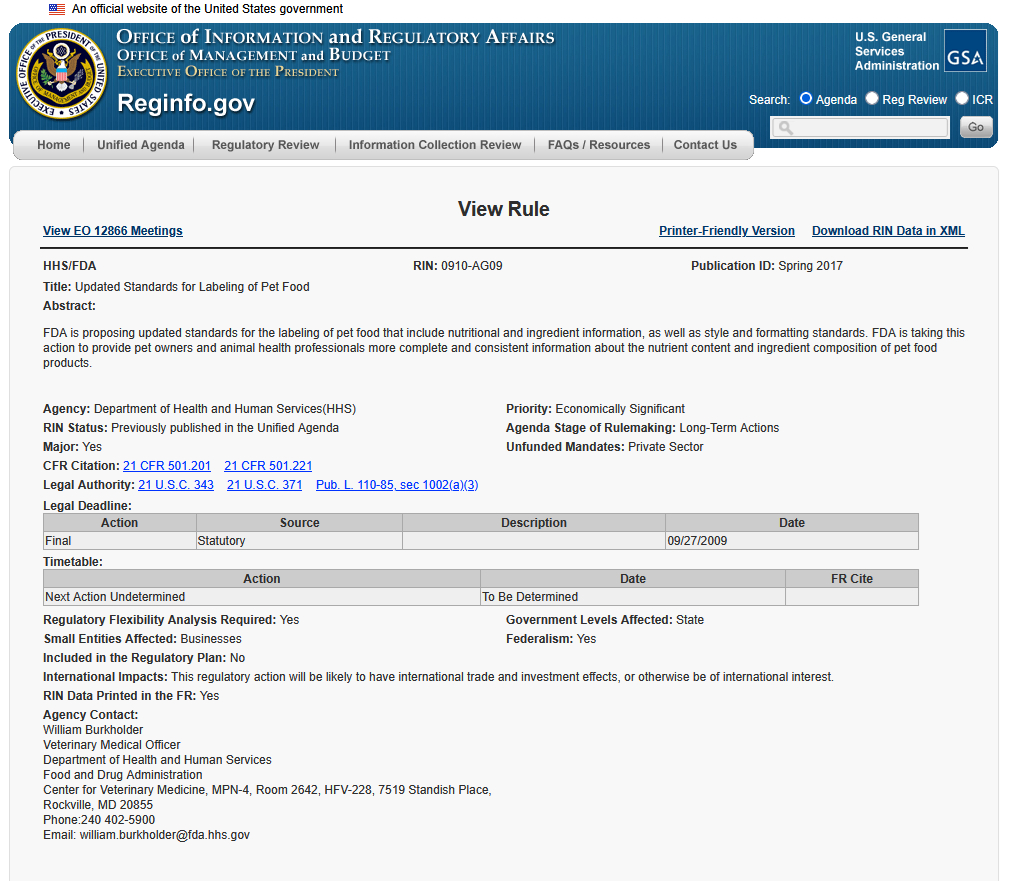
- 2017: The Office of Information and Regulatory Affairs (OIRA) lists the status of pet food labeling updates as "Next Action Undetermined." This effectively signals that the FDA has no immediate plans to move forward with the 2007 mandate.
- 2018: A significant setback occurs regarding ingredient standards. Senator Rand Paul of Kentucky introduces an addendum to an unrelated bill that deletes the requirement for the FDA to establish pet food ingredient standards. Freedom of Information Act (FOIA) documents later reveal that the FDA, the American Feed Industry Association (AFIA), and members of the Association of American Feed Control Officials (AAFCO) collaborated on the language of this addendum.
- 2023–2024: AAFCO begins discussing "Pet Food Label Modernization" (PFLM). However, these are state-level recommendations, not federal law, and the implementation date is set for 2030—21 years past the original Congressional deadline.
- June 2026: Consumer advocates submit formal inquiries to the FDA Center for Veterinary Medicine (CVM) regarding the status of the 2007 labeling mandates. The FDA declines to provide a substantial response.
Supporting Data: The Transparency Gap
The lack of updated labeling standards has created a significant "transparency gap" between pet food and human food. While the FDA updated the "Nutrition Facts" panel for human food in 2016 to reflect modern science (such as including added sugars and updating serving sizes), pet food labels remain archaic.
Under current (non-updated) regulations, pet food manufacturers are not required to disclose:
- Caloric density in a standardized format: While some brands do this voluntarily, it is not a universal requirement.
- Carbohydrate content: Unlike human food, pet food is not required to list total carbohydrates, a critical metric for pets with diabetes or obesity.
- Sourcing transparency: Labels often use vague terms like "meat by-products" or "animal fat," which do not specify the species or the quality of the source material.
The 2017 status report from the Office of Information and Regulatory Affairs (RIN 0910-AG09) explicitly shows the FDA’s abandonment of these updates. The "Action" field, which should list upcoming milestones like "Final Rule," instead reads "Next Action Undetermined." This classification is often used for regulations that have been shelved indefinitely due to industry pressure or shifting agency priorities.
Furthermore, the 2018 deletion of ingredient standards—orchestrated behind the scenes by industry trade groups—means there is no federal "floor" for ingredient quality. This allows for the continued use of materials that many consumers would find objectionable, provided they meet minimal processing requirements.
Official Responses and Agency Silence
The FDA’s response to the growing chorus of concern from pet owners and advocacy groups has been characterized by silence or deflection. In June 2026, consumer advocate Susan Thixton of TruthAboutPetFood.com sent a direct inquiry to the FDA Center for Veterinary Medicine. The inquiry cited 21 USC 2102 and asked for specific details on what "updated standards for the labeling of pet food" the agency had completed.
As of the publication of this report, the FDA CVM has failed to provide a response. This lack of communication is not an isolated incident; it reflects a long-standing pattern of the agency prioritizing its relationship with industry stakeholders—such as the AFIA and AAFCO—over its mandate to the tax-paying public.
The role of AAFCO (the Association of American Feed Control Officials) is particularly contentious. While AAFCO is often mistaken for a government agency, it is a private non-profit corporation. The FDA’s reliance on AAFCO to "modernize" labels by 2030 is seen by critics as an abdication of federal responsibility. Because AAFCO’s guidelines are only suggestions that individual states must adopt, the result is a patchwork of regulations that lacks the teeth of federal law.

Implications: The High Cost of Inaction
The implications of the FDA’s seventeen-year delay are profound, affecting both animal health and consumer rights.
1. Erosion of Public Trust
When Congress passes a law to prevent deaths and an agency ignores it for nearly two decades, the social contract is broken. Pet owners, who collectively spend over $50 billion annually in the U.S. alone, are left to navigate a marketplace where "premium" or "natural" claims are often marketing fluff rather than regulated terms.
2. Health Risks and Nutritional Deficiencies
Without standardized labeling for carbohydrates and specific ingredients, veterinarians and pet owners struggle to manage chronic conditions like feline diabetes or canine allergies. The lack of federal ingredient standards also means the supply chain remains vulnerable to the same types of economic adulteration that caused the 2007 crisis.
3. Industry Influence Over Regulation
The 2018 legislative maneuver to delete ingredient standards serves as a case study in "regulatory capture." When a government agency works with the very industry it is supposed to regulate to delete safety requirements, the safety of the end consumer is compromised. This sets a dangerous precedent for other sectors of the food and drug industry.
4. The 2030 Horizon
The current "solution" proposed by industry groups—the AAFCO Label Modernization—is not scheduled for full implementation until 2030. Even then, it is not a federal requirement. This means that an entire generation of pets will have lived and died in the interval between the 2007 recall and the first meaningful update to labeling transparency.
Conclusion: A Call for Congressional Oversight
The "Ensuring the Safety of Pet Food" law was not a suggestion; it was a mandate. The FDA’s failure to implement updated labeling and ingredient standards represents a significant dereliction of duty. As pet food consumers and advocates look toward the future, the path forward requires more than just agency inquiries—it requires renewed Congressional oversight.
Pet owners are encouraged to contact their Representatives and Senators to demand an audit of the FDA’s progress (or lack thereof) on 21 USC 2102. Only through sustained public pressure can the "limbo" of pet food regulation be ended, ensuring that the promises made in the shadow of the 2007 tragedy are finally kept. Until then, the safety of the nation’s pets remains a secondary priority to the convenience of the industry that feeds them.