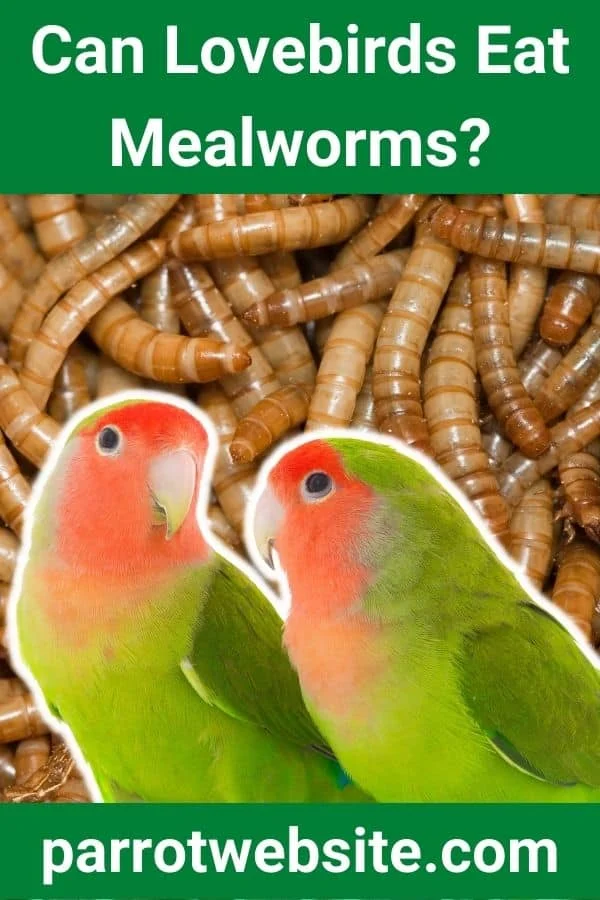
For many bird owners, the pet store aisle can be an overwhelming landscape of colorful packaging, synthetic toys, and a vast array of potential snacks. Recently, a common inquiry has emerged among the avian enthusiast community: "Can lovebirds eat mealworms?" While these small, vibrant parrots are primarily herbivores by nature, the inclusion of insect-based protein has become a subject of significant debate.
To provide clarity for bird owners, we have compiled an exhaustive guide on the nutritional viability, risks, and recommended practices for introducing mealworms into a lovebird’s diet.
The Nutritional Profile: Understanding the Lovebird’s Dietary Needs
To understand whether mealworms are appropriate for lovebirds, one must first look at the species’ natural biology. In the wild, lovebirds (Agapornis) are primarily granivores and frugivores. Their natural habitat—spanning various regions of Africa—dictates a diet composed of seeds, berries, leafy vegetation, blossoms, and occasionally, small amounts of insects or larvae.
Key Nutritional Facts
- Protein Density: Mealworms are exceptionally high in protein, often comprising roughly 50% of their total dry weight.
- The Protein Paradox: While lovebirds require protein for muscle maintenance and feather growth, an excessive intake can lead to kidney strain or obesity, as these birds are not evolved to process the high-fat and high-protein concentrations found in a constant insect-based diet.
- Calcium-Phosphorus Balance: A diet too rich in insects can skew the delicate mineral balance required for healthy egg-laying and bone density, particularly in breeding hens.
Chronology of Dietary Evolution in Captivity
The trend of introducing mealworms to parrot diets is relatively modern. Historically, avian husbandry focused heavily on seed mixes. However, as the field of avian nutrition has evolved, owners have sought "enrichment treats"—foods that serve not just as sustenance, but as a psychological stimulus.
- Phase One (Early Domestication): Focus was placed exclusively on seed-based diets, often leading to nutrient deficiencies.
- Phase Two (Pellet Revolution): The industry shifted toward nutritionally complete pelleted diets, which stabilized the baseline health of pet birds.
- Phase Three (Enrichment Focus): Recognizing that parrots are highly intelligent, owners began experimenting with treats like mealworms to mimic the "foraging" behaviors observed in wild, opportunistic feeding.
Today, mealworms are viewed as a "high-value" snack—a food item so stimulating that it can be used for training, bonding, and mental enrichment.
Supporting Data: The Benefits and Risks
Why Mealworms Can Be Beneficial
When offered in strict moderation, mealworms provide a concentrated burst of energy and protein. For a bird that is molting or recovering from an illness, a small amount of supplemental protein can be a useful, albeit infrequent, boost. Furthermore, the physical act of manipulating a mealworm provides cognitive stimulation. For a lovebird, cracking into a snack is a natural behavior that alleviates cage boredom and potential stress-related behaviors like feather plucking.
The Risks of Over-Consumption
The primary danger of mealworms is the temptation of convenience. Because they are shelf-stable and easy to handle, owners may inadvertently make them a staple rather than a treat.
- Nutritional Imbalance: By filling up on protein-dense insects, the bird may refuse its greens and fruits, missing out on essential vitamins (such as Vitamin A) and minerals.
- Obesity: The caloric density of insects, compared to leafy greens, can lead to weight gain, which is a leading cause of fatty liver disease in captive psittacines.
- Digestive Disruption: A sudden influx of chitin (the hard outer shell of the mealworm) can be difficult for a bird’s digestive tract to process if consumed in large quantities.
Expert Perspectives and Official Guidelines
Veterinary nutritionists emphasize that while "can" they eat them is a yes, the more important question is "should" they.
Dr. Elena Vance, an avian specialist, notes:
"The key to a long-lived lovebird is variety. Mealworms are not ‘bad’ in the sense of toxicity, but they are ‘bad’ in the sense of dietary displacement. If a lovebird is eating mealworms, it isn’t eating the kale, broccoli, or high-quality pellets it needs for long-term health. I recommend no more than one or two worms per week, specifically reserved for training rewards."
Official guidance from avian organizations consistently ranks insects as a "low-frequency" food. Owners are encouraged to view mealworms as a sporadic treat, similar to how a human might view a decadent dessert—enjoyable in moderation, but certainly not the foundation of a healthy lifestyle.
Practical Application: Dried vs. Live
When choosing which form of mealworm to provide, owners face a choice between dried and live options.
Dried Mealworms
Most commonly found in pet stores, dried mealworms are convenient and easy to store.
- Safety Note: Always ensure they are sourced from reputable pet supply companies to avoid pesticides or contaminants.
- Preparation: It is recommended to break the dried worms into smaller pieces to ensure they are easily digestible and to eliminate any risk of the bird choking on the dry, brittle exoskeleton.
Live Mealworms
Live insects provide a higher level of psychological stimulation, as the bird must "hunt" the prey.
- The Reality: While they offer a more "natural" experience, most captive-bred lovebirds are not instinctive hunters. Many will ignore a wriggling insect, finding it more of a nuisance than a snack.
- Logistics: Sourcing, storing, and managing live insects is often more trouble than it is worth for the average pet owner. Unless the bird shows a specific, enthusiastic interest, there is no nutritional advantage to choosing live over dried.
Implications for the Future of Avian Husbandry
The conversation surrounding mealworms highlights a broader shift in how we care for companion birds. We are moving away from seeing birds as "cage ornaments" that simply require seed and water, toward seeing them as highly individualistic creatures with distinct personalities and foraging needs.
Strategies for Responsible Feeding
- The Weekly Limit: Establish a strict rule of no more than two mealworms per week.
- Rotation: Do not rely on mealworms as the sole treat. Rotate them with small pieces of apple, berries, or cooked quinoa to keep the bird’s palate diverse.
- Observation: Monitor your bird’s reaction. If your lovebird ignores the worm, do not force it. Each bird has a unique personality; some may simply have no interest in insect-based snacks.
- Health Monitoring: If you notice your bird gaining weight or becoming lethargic, immediately cut back on high-protein treats and consult with an avian veterinarian.
Conclusion
In summary, lovebirds can eat mealworms, and they can certainly enjoy them as a safe, protein-rich snack. However, the most critical aspect of this dietary addition is restraint. Mealworms should never be used as a meal replacement. They are a tool for enrichment, a reward for good behavior, and a small, occasional indulgence in an otherwise balanced diet of fruits, vegetables, seeds, and pellets. By maintaining this balance, you ensure your lovebird remains happy, healthy, and physically fit for years to come.
Always remember: a diverse diet is the foundation of a long and vibrant life for your avian companion. Before making significant changes to your bird’s diet, it is always wise to consult with a veterinarian to ensure that the specific health needs of your individual bird are being met.