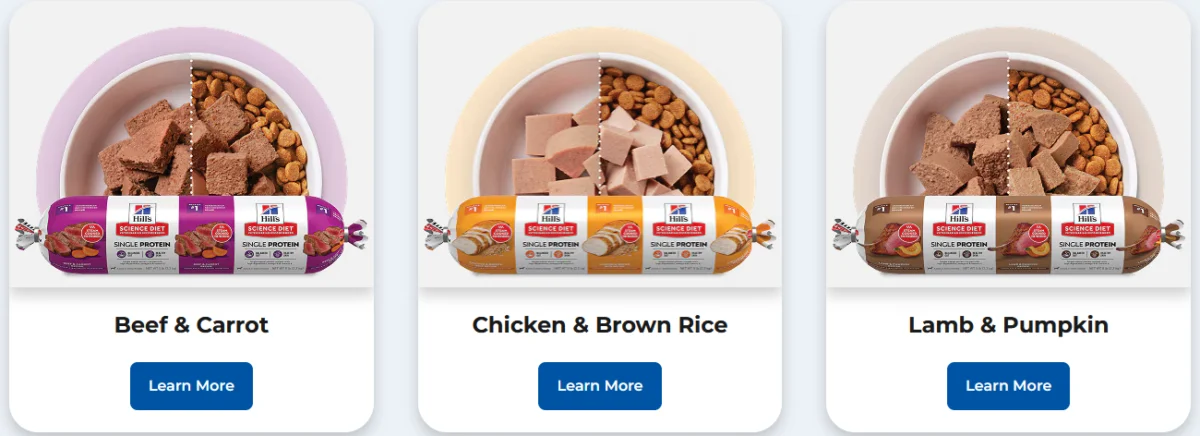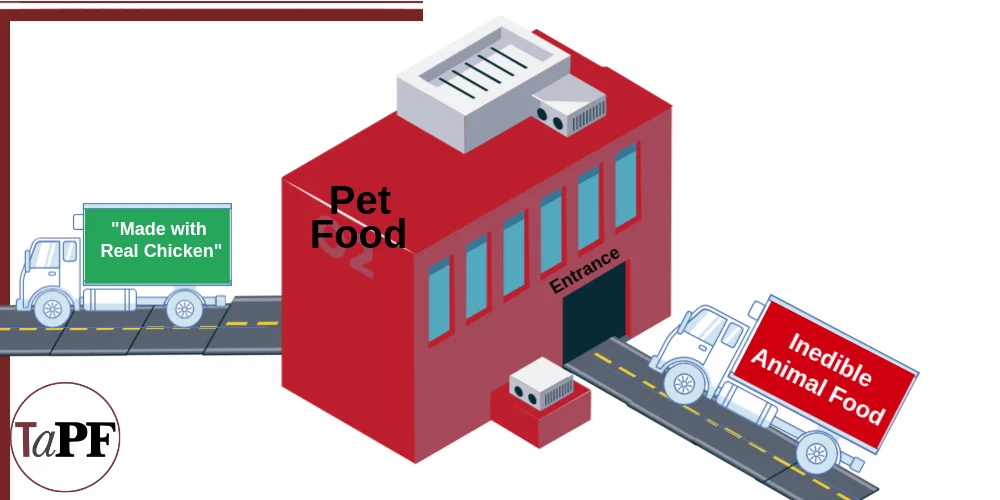
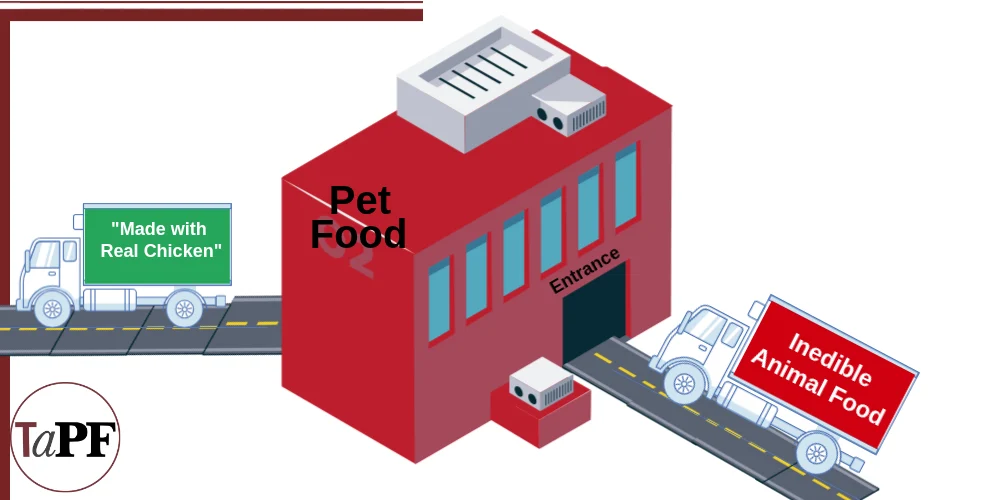
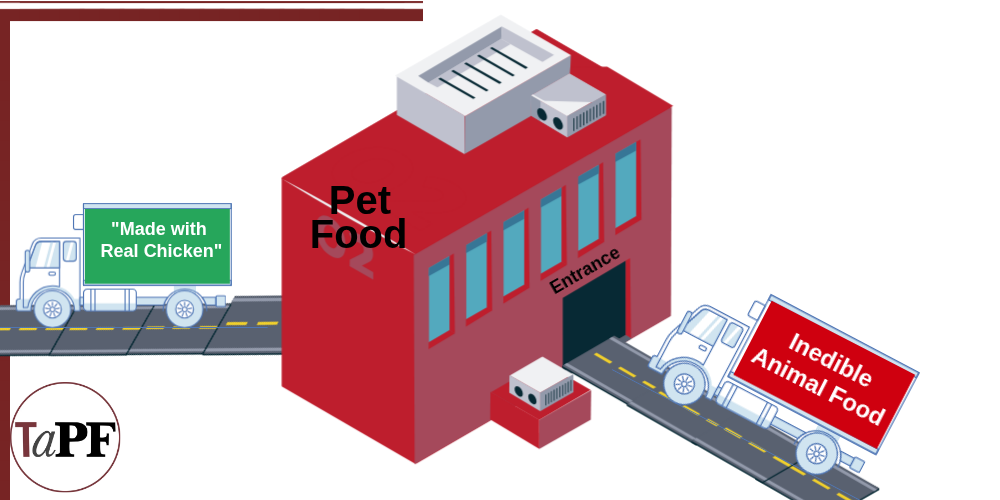
In the multi-billion-dollar pet food industry, the marketing imagery often depicts succulent cuts of roasted chicken, garden-fresh vegetables, and prime marbled beef. However, a starkly different reality exists behind the closed doors of manufacturing plants—a reality governed by a complex web of federal regulations that allow material deemed unfit for human consumption to be rebranded as "wholesome" pet nutrition.
The core of the controversy lies in the transition of "condemned" animal material from the slaughterhouse to the pet food bag. While federal law mandates rigorous labeling of diseased, dying, and disabled (4D) animals during transport, those labels vanish the moment the material enters a pet food processing facility. This "regulatory alchemy" has sparked a fierce legal battle between consumer advocates and the U.S. Food and Drug Administration (FDA), raising fundamental questions about transparency, consumer rights, and the true definition of food integrity.
Main Facts: The Illusion of Ingredient Integrity
The central issue is a jurisdictional hand-off between two federal agencies: the United States Department of Agriculture (USDA) and the FDA. The USDA’s Food Safety Inspection Service (FSIS) is responsible for ensuring that meat and poultry intended for human consumption are safe, wholesome, and correctly labeled. Under 9 CFR Part 325, the USDA enforces strict disclosure requirements for "inedible" material—meat that has been condemned due to disease, contamination, or because the animal died by means other than slaughter.
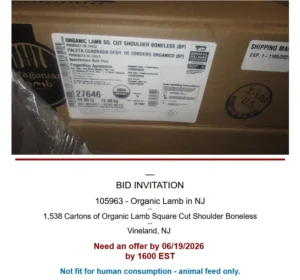
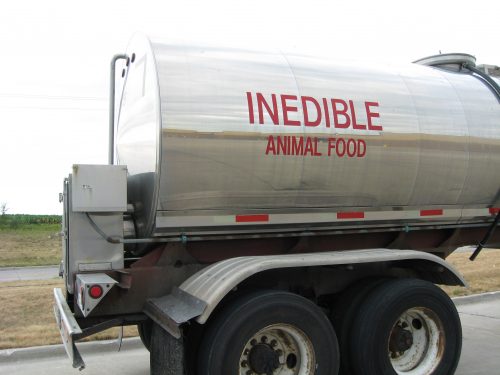
When this material is transported from a slaughterhouse, it must be marked conspicuously. Federal law requires containers such as drums and barrels to bear the words "Inedible—Not Intended for Human Food" in letters at least two inches high. For larger transport vessels, such as tank cars or trucks, the lettering must be at least four inches high. This ensures that diseased or "4D" (Dead, Dying, Disabled, or Diseased) livestock does not accidentally enter the human food supply.
However, the USDA’s authority ends at the gates of the pet food plant. Once this material is delivered to an animal food manufacturer, the FDA’s Center for Veterinary Medicine (CVM) takes over. Unlike the USDA, the FDA does not require pet food manufacturers to disclose the "inedible" or "condemned" status of these ingredients on the final product label. Consequently, a tanker truck labeled in four-inch-high letters as "Inedible" may be processed into a kibble that lists the resulting ingredient simply as "chicken" or "beef."
Chronology: A Four-Year Battle for Disclosure
The push for transparency has been led by the Association for Truth in Pet Food (ATPF), a stakeholder organization representing pet owners. The timeline of their legal struggle reveals a significant bureaucratic lag and a firm resistance from federal regulators.
- June 2022: The Association for Truth in Pet Food submitted a formal Citizen Petition to the FDA. The petition requested that the agency require pet food labels to disclose the use of condemned, inedible, or diseased animal material. The goal was simple: if a product contains meat that was legally classified as "inedible" at the point of origin, the consumer should be informed.
- The 120-Day Mandate: Under federal law, the FDA is required to respond to such petitions within 120 days. This period passed without a substantive response, leaving advocates in a state of regulatory limbo.
- The 1,333-Day Wait: The silence lasted far longer than the statutory limit. For over three and a half years, the petition remained under "review" while the pet food industry continued to utilize 4D materials without disclosure.
- March 2026: The FDA finally issued a formal response. Despite the extensive evidence provided regarding the USDA’s transport requirements for inedible meat, the FDA denied the petition. The agency stated that it did not believe such disclosures were "necessary to maintain the integrity of the food, or ensure that the food meets consumer expectations."
- April 2026: Following the denial, the ATPF filed a Petition for Reconsideration. This ongoing legal action argues that the FDA’s refusal to mandate disclosure contradicts the fundamental principles of the Federal Food, Drug, and Cosmetic Act, which prohibits the misbranding of food.
Supporting Data: The Economic and Biological Reality of "4D" Meat
To understand the scale of this issue, one must look at the economic utility of condemned meat. The pet food industry serves as a primary "waste management" solution for the American agricultural system.
According to USDA regulations, "4D" animals—those that arrive at a slaughterhouse dead, dying, disabled, or diseased—cannot be processed for human consumption. However, the law explicitly suggests where this material should go. Federal statutes state that no person shall sell or transport 4D animals "unless such livestock and parts are consigned and delivered… to establishments of animal food manufacturers, renderers, or similar establishments."
This creates a massive stream of low-cost raw material for pet food. While the industry argues that the rendering process (high-heat cooking) kills pathogens, it does not remove chemical contaminants, such as pentobarbital (a drug used for euthanasia) or the toxins associated with advanced decomposition and disease.
The economic stakes are equally high. Data from the American Pet Products Association (APPA) highlights the significant contribution of pet owners to the national economy. In 2024, pets and their associated products provided federal, state, and local governments with an estimated $21.6 billion in tax revenue. Advocates argue that a consumer base contributing over $20 billion in taxes deserves basic transparency regarding the quality of the products they purchase.
Official Responses: The FDA’s Philosophy of "Integrity"
The FDA’s refusal to require labeling of condemned material rests on a controversial interpretation of "consumer expectations." In its final response to the ATPF, the agency argued that pet food ingredients, even if derived from 4D animals, are "transformed" during processing into a safe final product.

The FDA’s stance is that as long as the finished pet food does not contain active pathogens, the origin of the meat—whether it was a healthy slaughtered cow or a diseased "downer" cow that died in a field—is irrelevant to the label. The agency’s assertion that disclosure isn’t necessary to "maintain the integrity of the food" suggests a definition of "integrity" based solely on microscopic safety rather than the quality or source of the ingredients.
Critics, including Susan Thixton of TruthaboutPetFood.com, argue that this position is a form of state-sanctioned consumer deception. "Coming into the pet food plant, these ingredients are distinctly labeled as inedible/condemned," Thixton notes. "Going out of the pet food plant, they are labeled as chicken, beef, or pork. This is the agency solely responsible for consumer deception."
Implications: Public Health, Ethics, and the Future of Pet Food
The implications of this labeling gap extend beyond simple "right to know" issues. There are three primary areas of concern:
1. Public Health and Safety Risks
While rendering is designed to sterilize animal waste, it is not a fail-safe. In recent years, several high-profile pet food recalls were initiated due to the presence of pentobarbital—a drug used to euthanize livestock and pets. The presence of this drug is a direct indicator that "4D" or non-slaughtered animals entered the supply chain. If the ingredients were labeled as "condemned" or "non-slaughtered," consumers could make informed choices to avoid these risks.

2. The Erosion of Consumer Trust
The pet food industry is increasingly moving toward "human-grade" and "premium" branding. When the FDA allows diseased material to be labeled with the same terms used for human-grade meat, it devalues the entire market. Consumers who pay a premium for "Real Beef" ingredients may unknowingly be purchasing rendered material from a diseased carcass, leading to a profound sense of betrayal when these regulatory loopholes are exposed.
3. Ethical and Religious Considerations
For many pet owners, the source of their animal’s food carries ethical weight. Furthermore, for owners who observe specific religious dietary laws (such as Halal or Kosher), the inclusion of "found dead" or diseased animals in the home—even in pet food—can be a significant concern. The lack of labeling prevents these consumers from adhering to their personal or religious standards.
Conclusion: The Path Forward
The Association for Truth in Pet Food continues to wait for the FDA’s decision on their Petition for Reconsideration. The outcome of this case could redefine the pet food industry. If the FDA is forced to mandate disclosure, manufacturers may be incentivized to move away from 4D materials to avoid the "condemned" stigma on their packaging.
For now, the burden remains on the consumer. As long as federal law allows for the "disappearance" of the inedible label at the factory door, the glossy images on the front of the bag will continue to stand in stark contrast to the four-inch-high warnings on the tanker trucks delivering the raw materials. In a $140 billion industry, the fight for a 2-inch label disclosure has become the frontline of the battle for pet food safety and honesty.