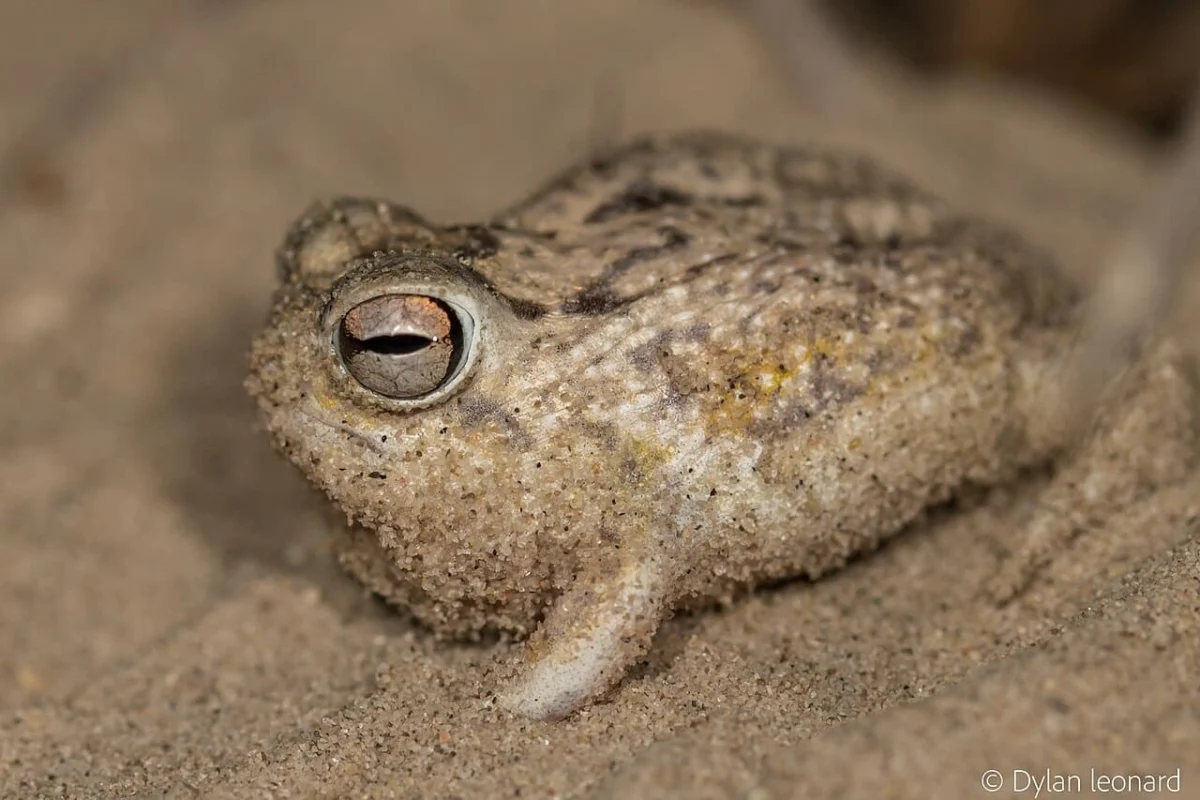
The internet has a unique way of canonizing the unusual. In 2013, a grainy, high-pitched video of a small, spherical creature resembling an angry, beige sand-muffin went viral. The desert rain frog (Breviceps macrops) became an overnight sensation, affectionately dubbed the "world’s angriest balloon." However, behind the memes and the squeaky, aggressive chirps lies a sobering reality that the digital world rarely sees. On July 9, 2026, the International Union for Conservation of Nature (IUCN) officially updated the Red List of Threatened Species, reclassifying the desert rain frog from "Near Threatened" to "Vulnerable."
This shift in status is more than a bureaucratic label; it is a red flag signaling the rapid degradation of one of the world’s most unique ecosystems. As industrial pressures mount along the coastlines of Namibia and South Africa, the very existence of this sand-dwelling amphibian is now in question.
Main Facts: The Anatomy of a Specialized Survivor
The desert rain frog is a biological marvel, perfectly adapted to the harsh, fog-drenched dunes of the Sperrgebiet and the surrounding coastal regions of southwestern Africa. Belonging to the family Brevicipitidae, the species is one of 21 members of the Breviceps genus. While other species in the genus may inhabit similar arid climates, Breviceps macrops is the only one truly classified as the "desert rain frog."
Physical and Behavioral Traits
Physically, the frog is an evolutionary masterclass in camouflage. Its round, bloated body, large protruding eyes, and stubby limbs are designed for digging into the cool, moist sand during the heat of the day. Unlike many of its counterparts that rely on standing water, this frog thrives in arid to semi-arid environments, emerging primarily during periods of coastal fog and light rain.
Its diet is equally specialized, consisting of an array of dune-dwelling invertebrates, including ants, termites, beetles, moths, woodlice, amphipods, juvenile millipedes, and caterpillars. Its reproductive cycle is intrinsically linked to the rainy season, a period that is becoming increasingly unpredictable due to broader climatic shifts.
Chronology of a Crisis: From Viral Fame to Conservation Alert
The trajectory of the desert rain frog’s public profile stands in stark contrast to its biological decline.
- 2013: A video of the frog goes viral, introducing the species to millions of global viewers. This surge in popularity triggers an unconfirmed but suspected spike in demand for the species as an exotic pet.
- 2013–2025: During this period, habitat loss accelerates. The expansion of diamond mining, along with the burgeoning energy sector, begins to encroach on the fragile dune systems where the frog resides.
- July 2026: The IUCN publishes its latest update to the Red List, officially moving Breviceps macrops to "Vulnerable." The report highlights that without immediate, robust conservation intervention, the population is projected to decline by at least 20 percent over the next two decades.
Supporting Data: Industrial Encroachment and Habitat Fragmentation
The primary driver of the frog’s decline is not natural predation or disease, but the relentless expansion of human industry. The IUCN’s assessment details a grim outlook for the next 20 years, specifically citing:
Industrial Development
- Diamond Mining: For decades, the coastal regions of Namibia and South Africa have been hotspots for diamond extraction. The physical disruption of the sand dunes—the frog’s only home—is absolute and irreversible.
- Energy Infrastructure: The push for renewable energy has brought new challenges. Green hydrogen projects, while vital for global decarbonization, require significant land footprint. The IUCN estimates that these projects, combined with general industrial expansion, will negatively impact roughly 33% of the frog’s range in South Africa and a staggering 66% in Namibia.
The Impact of Climate Change
Beyond the physical destruction of their habitat, these frogs face a changing climate. The IUCN points to "heat stress" and "acidification" as emerging threats. Because the frog relies on moisture from fog to survive the day, rising temperatures that dissipate fog more quickly force the frogs to expend more energy searching for deeper, cooler, and less hospitable sand, leading to physical exhaustion and reproductive failure.
Official Responses and Conservation Challenges
Conservationists and environmental agencies are currently struggling to address the unique difficulties associated with Breviceps macrops. Unlike many other amphibians, this species is notoriously difficult to maintain in captivity.
The Myth of Captivity
The IUCN has issued a stern warning: Breviceps macrops does not make a suitable pet. They are strictly wild-caught, and there is no documented evidence that they can be successfully bred in captivity. Reports from Europe and Asia regarding breeding programs remain unconfirmed and lack scientific verification. By attempting to keep these frogs as pets, collectors are not only removing individuals from a shrinking wild population but are almost certainly sentencing them to a slow death, as the species does not acclimate to terrarium life.
The Need for Proactive Policy
Conservation efforts must shift from reactive documentation to proactive land management. The IUCN suggests that if no measures are implemented to protect the species—specifically through the limitation of industrial activity in sensitive dune corridors—the decline is not just a risk, but a statistical certainty.
Implications: Why the "Desert Muffin" Matters
The loss of the desert rain frog would represent more than just the disappearance of a "cute" social media star. It would signify the failure of environmental stewardship in one of the world’s most unique biodiversity hotspots.
Ecosystem Health
As an insectivore, the desert rain frog plays a critical role in regulating the invertebrate population in the dune ecosystem. Its presence is an indicator of the health of the sand dunes. When the frogs disappear, it suggests that the dune structure itself is being compromised, which can lead to increased erosion and the loss of other specialized, less "charismatic" flora and fauna that rely on the same micro-habitats.
A Test Case for Sustainable Development
The conflict between green hydrogen production and biodiversity conservation presents a complex dilemma. Can we afford to sacrifice endangered species in the pursuit of "green" energy? The plight of Breviceps macrops forces us to confront this question directly. True sustainability must include the protection of local ecosystems, not just the global climate. If we fail to protect a species as small and localized as the desert rain frog, it sets a dangerous precedent for how we treat biodiversity in the face of industrial progress.
The Role of Public Awareness
The very viral nature of the frog that once brought it unwanted attention can now be harnessed for its salvation. Public pressure, support for land-use regulations in Namibia and South Africa, and a total rejection of the illegal exotic pet trade are the most potent tools available to the public.
The desert rain frog is no longer just a meme; it is a sentinel. Its move to "Vulnerable" status on the IUCN Red List is a call to action for scientists, policymakers, and the millions of people who once found joy in its tiny, grumpy face. To ensure that future generations can witness this unique creature in the wild, we must transition from passive observers of its fame to active defenders of its habitat. The sand is shifting under the desert rain frog, and the time to anchor its future is now.