In the sprawling, humid landscapes of the American Southeast, a silent crisis is unfolding beneath the undergrowth. While often overlooked by the general public, wild snake populations in the United States face a complex and growing array of biological threats. A landmark study published in Frontiers in Veterinary Science has shed new light on the health status of these reptiles, revealing that native snake species are grappling with a "myriad of pathogens" that could have profound, long-term implications for their survival and the stability of their ecosystems.
A team of dedicated researchers recently concluded an intensive, two-year surveillance project, assessing 29 species of native snakes across the southeastern United States. The findings offer a sobering look at the microbial and parasitic burden carried by these animals, highlighting how invasive species and environmental stressors are fundamentally altering the biological landscape for native herpetofauna.
The Scope of the Study: Methodology and Surveillance
The research effort, titled "Health assessment and multipathogen surveillance of free-ranging snakes in the southeastern United States," was a rigorous multi-year undertaking. From May 2022 to May 2024, scientists conducted monthly sampling events to gain a comprehensive understanding of the health profiles of wild snake populations.
The primary study sites were concentrated in the wetland ecosystems of Volusia County, Florida, and Jasper County, South Carolina. To bolster their data, researchers also engaged in opportunistic sampling in Athens-Clarke County, Georgia, and integrated diagnostic case data collected between 2021 and 2024 by the renowned Southeastern Cooperative Wildlife Disease Study (SCWDS).
The methodology was exhaustive. Scientists performed physical examinations on the snakes and collected a wide range of biological samples, including full-body skin swabs, choanal swabs (from the nasal cavity), cloacal swabs, blood, and fecal samples. In total, 509 individual snakes were captured, with 49 individuals recaptured over the course of the study, allowing researchers to observe potential changes in health status over time.
The team screened for a specific panel of high-concern pathogens:
- Salmonella spp.
- Hepatozoon spp.
- Mycoplasma spp.
- Cryptosporidium spp.
- Raillietiella orientalis (an invasive pentastome parasite)
- Serpentoviruses
Chronology of Findings: A Snapshot of Microbial Burden
The surveillance period from 2022 to 2024 provides a critical baseline for understanding how these pathogens circulate through wild snake communities. The results were startling in both their prevalence and their diversity.
The Microbial Landscape
The data revealed that common bacteria and parasites are widespread in the populations surveyed. Salmonella enterica was the most frequently detected pathogen, found in 62.6% (306 of 489) of the snakes tested. Hepatozoon species—a genus of blood-borne parasites—followed closely, detected in 53.4% (205 of 384) of the subjects.
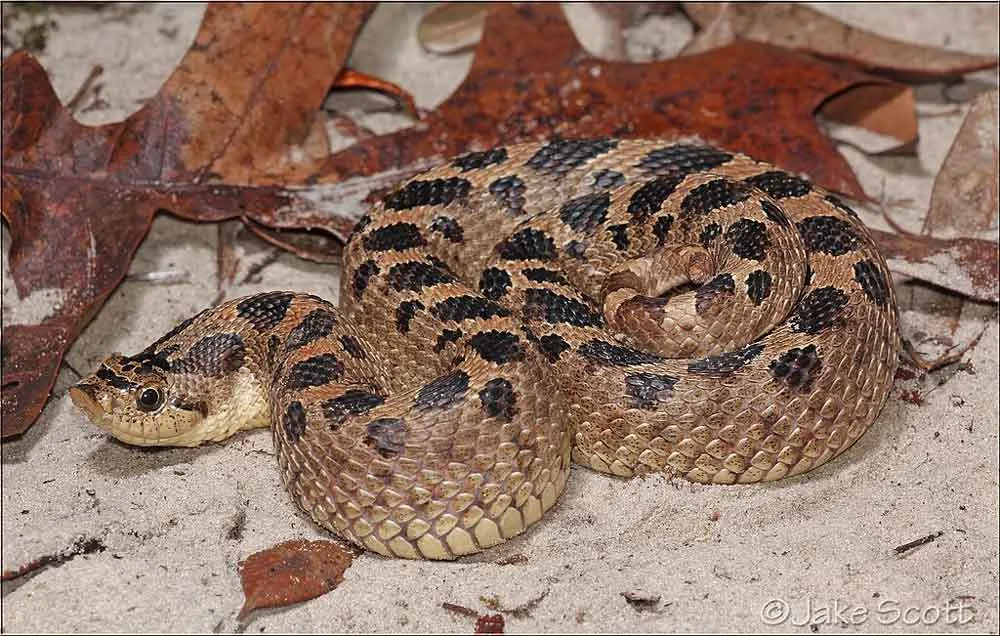
Perhaps most concerning to researchers was the discovery of Mycoplasma spp. in 17.5% (78 of 445) of the snakes. While Mycoplasma is known to cause respiratory issues in other wildlife, this study marks the first time it has been widely reported in free-ranging, wild-caught snake populations, signaling a potential emerging threat to their respiratory health.
In contrast, Cryptosporidium spp. was found in only 2.0% (10 of 489) of the snakes. While this low prevalence is encouraging, the researchers specifically noted that even low-level detection in sensitive, threatened species—such as the eastern indigo snake (Drymarchon couperi)—remains a point of significant conservation concern. Notably, the study found no evidence of serpentoviruses in the sampled populations.
The Invasive Shadow: Raillietiella orientalis
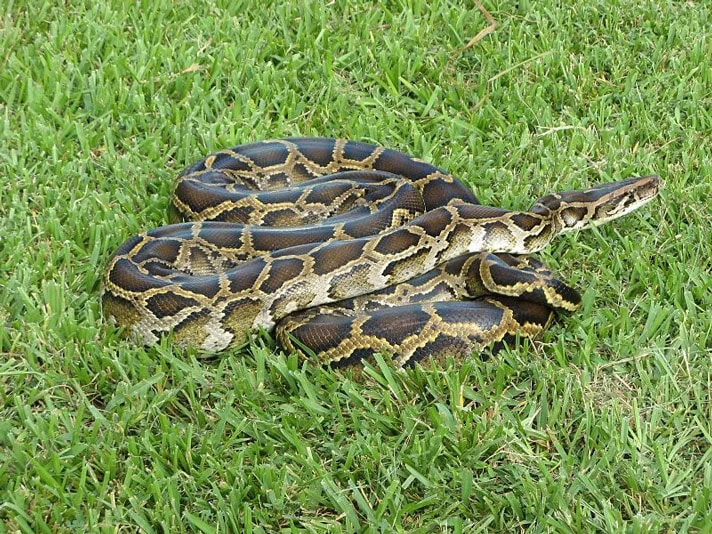
Perhaps the most alarming component of the study is the data surrounding Raillietiella orientalis (Ro), an invasive lung parasite. Originally introduced to the United States via the illegal pet trade and the subsequent establishment of non-native Burmese pythons (Python bivittatus) in Florida, this parasite has successfully jumped the species barrier.
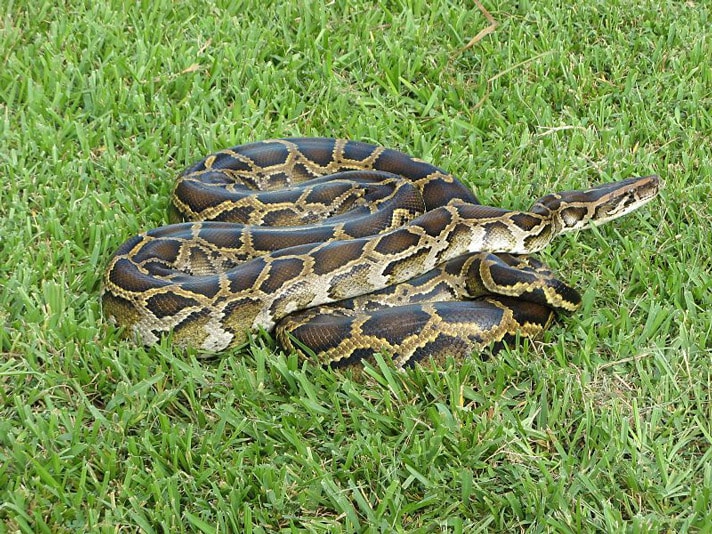
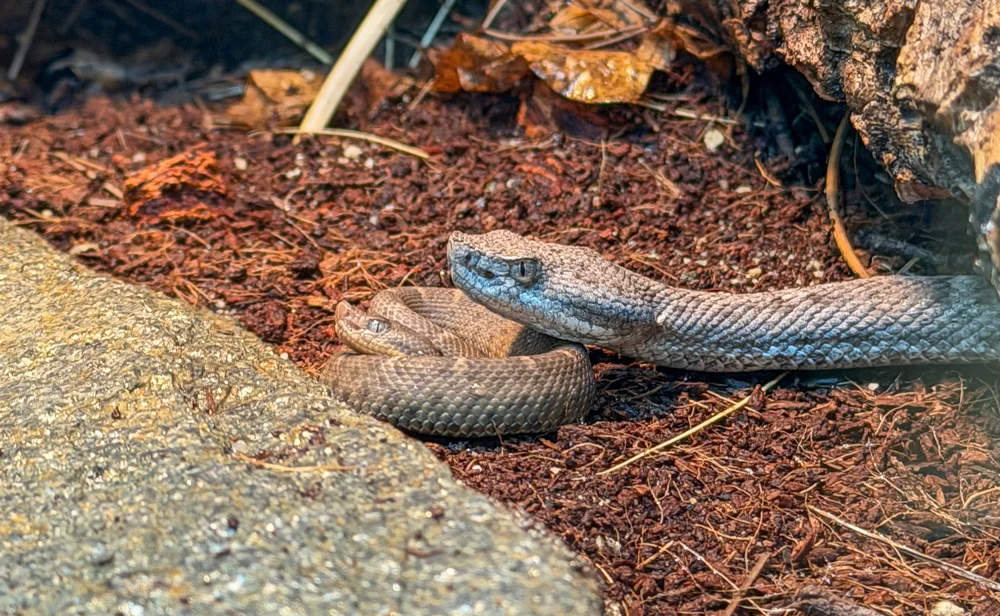
The study confirmed that Raillietiella orientalis was detected only in Florida, with an overall prevalence of 12.7% (37 of 292). This parasite is not a benign passenger; it is a lethal invader. The research team highlighted documented cases, including three pygmy rattlesnakes (Sistrurus miliarius) discovered in 2019, where the parasites were so large that they occupied the snakes’ lungs and tracheas. In at least one instance, the parasite was physically as wide as the host’s airway, effectively acting as a fatal obstruction that suffocated the reptile.
Implications for Ecosystem Health and Biodiversity
The implications of these findings are far-reaching. Snakes act as vital components of the food web, serving as both predators of rodents and insects and as prey for birds of prey and mammals. When these populations suffer from high parasite loads or systemic infections, the ripple effects can be felt throughout the entire ecosystem.
The Threat of Invasive Pathogens
The story of Raillietiella orientalis serves as a cautionary tale about the dangers of biological invasions. When invasive predators like Burmese pythons introduce novel pathogens into an environment, the local fauna—which has had no evolutionary time to develop resistance or immunity—can be decimated. The study suggests that if this parasite continues to spread beyond Florida, it has the potential to trigger massive, localized population declines among native snake species that lack the biological tools to combat such an aggressive lung parasite.
Chronic Stress and Disease
The high prevalence of Salmonella and Hepatozoon suggests that wild snakes are existing in a state of constant immunological vigilance. While some snakes may appear healthy despite carrying these pathogens, chronic infection can reduce reproductive success, lower metabolic efficiency, and make the animals more susceptible to environmental stressors like climate change, habitat loss, and pollution. The discovery of Mycoplasma in free-ranging snakes is particularly worrying, as it suggests that respiratory diseases, which can be devastating in captive collections, are now a variable in the wild, likely exacerbated by habitat fragmentation and increased density in shrinking wild spaces.
Official Responses and Future Directions
The scientific community has responded to the publication with a call for increased, long-term monitoring. The authors of the Frontiers in Veterinary Science study emphasized that "health surveillance" is not a one-time event but a necessity for effective wildlife management.
"Understanding the pathogen load is only the first step," said one researcher involved in the study. "We need to determine how these pathogens are transmitted, whether they are spreading due to changes in climate or movement, and what management strategies can be implemented to protect the most vulnerable species."
The Southeastern Cooperative Wildlife Disease Study (SCWDS), which contributed historical data to this project, continues to be a central hub for analyzing these trends. Conservationists are now looking at the data to determine if specific regions should be prioritized for protective measures. There is also an urgent push for public education regarding the release of captive reptiles into the wild—a primary pathway for the introduction of invasive pathogens like the Raillietiella parasite.
Conclusion: A Call to Vigilance
The results of this two-year assessment provide a sobering reality check. Our native snake populations, often misunderstood and under-appreciated, are facing an invisible epidemic. From the common Salmonella to the lethal, invasive Raillietiella orientalis, the challenges are diverse and mounting.
Protecting these species will require a multi-faceted approach, including:
- Continued Surveillance: Expanding the geographical range of health monitoring to track the spread of pathogens like Mycoplasma and the invasive Ro.
- Strict Biosecurity: Enforcing regulations on the movement of reptiles to prevent the introduction of new pathogens into pristine habitats.
- Habitat Preservation: Healthy ecosystems are more resilient. Protecting the wetlands and forests of the Southeast is the most effective way to help snake populations withstand the physiological stress of disease.
As the research suggests, the health of our native snake populations is a direct reflection of the health of our environment. By paying closer attention to these "silent" creatures, we can better understand the pressures on our natural world and act before the damage to our biodiversity becomes irreversible.
For those interested in the granular data or the specific diagnostic techniques employed by the team, the full paper is available for review on the Frontiers in Veterinary Science website. This study serves as a critical foundation for future conservation efforts, ensuring that the legacy of these unique reptiles is not lost to a silent, unseen tide of disease.