

"Baby bunny" is a term that evokes images of soft fur, twitching noses, and gentle companionship. However, behind the endearing aesthetic lies a profound responsibility that demands patience, specialized knowledge, and a commitment to animal welfare. Whether you have stumbled upon a nest in your backyard or are preparing to bring a young domestic rabbit into your home, the path to raising a healthy, thriving rabbit is paved with specific, science-backed protocols.
Authored by rabbit welfare expert Paige K Parsons, this guide serves as a foundational resource for those navigating the complexities of juvenile rabbit care. Understanding the biological, nutritional, and social needs of a "kit" (the correct term for a baby rabbit) is the first step in ensuring their long-term well-being.
Main Facts: Defining the "Baby Bunny"
In the world of rabbit husbandry, a baby rabbit is formally referred to as a kit or kitten. It is vital to distinguish between wild cottontails and domestic rabbits, as their developmental trajectories and care requirements are vastly different.
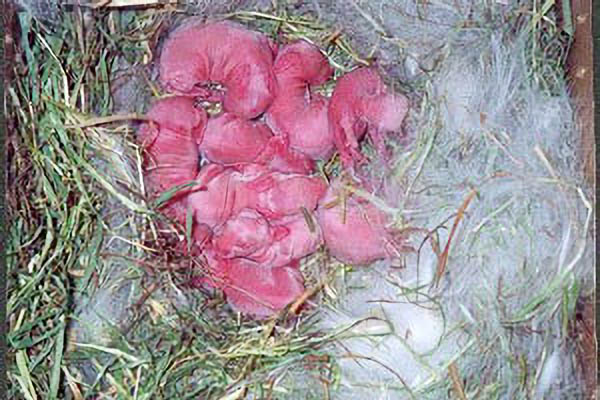
A critical rule of thumb for any rescuer or prospective owner is the concept of "innocent kidnapping." Most wild baby rabbits found in the grass are not abandoned. Mother rabbits, in an evolutionary bid to avoid attracting predators to the nest, visit their young only briefly at dawn and dusk. Consequently, a nest of kits discovered in the backyard is often perfectly healthy and should be left undisturbed.

Domestic rabbits, by contrast, require a controlled, indoor environment with precise nutritional support and consistent, gentle handling. They are social, prey-based animals that rely on a stable environment to develop their digestive flora and immune systems.
Chronology: The Developmental Timeline
The journey from a helpless newborn to a robust adult rabbit is a rapid, high-stakes process. Understanding this chronology is essential for any caretaker.
The Neonatal Stage (0–3 Weeks)
During the first few weeks, kits are entirely dependent on their mother’s milk. Their eyes are closed, and they are essentially immobile, tucked away in a nest lined with the mother’s own fur. At this stage, human interference should be minimal to non-existent unless the rabbit is clearly orphaned or injured.
The Exploratory Phase (3–5 Weeks)
Around the three-week mark, eyes open, and kits begin to venture out of the nest. They start to show interest in solid foods, such as hay, though they are still primarily nursing. This is a critical period for gut development; the introduction of diverse gut flora occurs as they begin to sample their environment.

The Weaning Transition (6–8 Weeks)
This is the most dangerous period for a young rabbit. Weaning is a gradual process that should never be rushed. Ideally, a rabbit should remain with its mother for at least eight weeks. During this time, they learn essential social behaviors and continue to benefit from the antibodies found in mother’s milk. Abrupt separation during this phase is a leading cause of "failure to thrive" and chronic digestive distress.
The Juvenile Stage (8 Weeks – 6 Months)
Once weaned, the rabbit enters a phase of rapid growth. Their dietary needs shift toward high-quality grass hay, and they begin to develop their distinct personalities. Socialization is paramount during these months; a rabbit handled with kindness and consistency will grow into a confident, affectionate companion.
Supporting Data: Nutritional and Health Requirements
The biological infrastructure of a rabbit’s digestive system is unique and unforgiving. Unlike omnivores, rabbits are strict herbivores with a complex cecal fermentation process.
- The Role of Hay: Unlimited access to fresh, high-quality grass hay is the cornerstone of rabbit health. It provides the fiber necessary to keep the gut moving (preventing GI stasis) and the abrasive action required to wear down continuously growing teeth.
- The Dangers of Early Separation: Research indicates that kits separated from their mothers before eight weeks exhibit a significantly higher rate of gastrointestinal (GI) disease. The mother’s milk acts as a probiotic, establishing the bacterial colonies necessary for digesting fibrous plants.
- Hydration: Always ensure fresh water is available. While kits drink milk, they must have constant access to water as they transition to solid foods.
Official Responses: Rescuing and Intervention
When encountering a baby rabbit, the most important action is to perform a proper assessment. If the animal is warm, quiet, and sitting in a shallow depression in the ground, it is likely doing exactly what it should be.

When to Seek Professional Help
If you encounter a kit that is cold, injured, bleeding, covered in fly eggs, or has been caught by a domestic pet (cat or dog), immediate intervention is required.
- Do not feed it: Amateur attempts at feeding often lead to aspiration pneumonia, which is fatal.
- Keep it warm: Place the kit in a box with a towel, away from pets and noise.
- Contact an expert: Reach out to a licensed wildlife rehabilitator or a rabbit-savvy veterinarian. These professionals possess the specialized equipment and knowledge to stabilize a fragile kit.
Implications: The Ethics of Adoption
The desire to "own" a baby bunny is a common impulse, but the method of acquisition carries significant ethical implications. The rabbit welfare community strongly discourages purchasing rabbits from pet stores or online breeders.
The Case for Adoption
Reputable rabbit rescues serve as the gold standard for responsible pet acquisition. These organizations frequently take in pregnant rabbits from neglectful situations. By adopting a rabbit born and raised under rescue supervision, you are ensuring:
- Veterinary Integrity: The animal has received proper care, parasite treatment, and early health screenings.
- Socialization: Rescues invest time in human interaction, ensuring the rabbit is well-adjusted.
- Population Control: Adopting a rabbit—and ensuring they are spayed or neutered once they reach the appropriate age—actively fights the cycle of overbreeding that leads to thousands of rabbits being surrendered to shelters annually.
Practical Checklist for New Owners
If you have committed to bringing a rabbit into your home, preparation is the key to a stress-free transition:
- Rabbit-Proofing: Rabbits are natural chewers. All electrical cords must be shielded or elevated. Toxic houseplants should be removed.
- Dietary Supplies: High-quality Timothy or Orchard grass hay (unlimited), a high-quality, plain, fiber-rich pellet (no colorful additives or seeds), and fresh, leafy greens (introduced slowly).
- Housing: A spacious enclosure (an exercise pen is often better than a traditional cage) that allows the rabbit to stand on its hind legs and hop comfortably.
- Veterinary Care: Locate a rabbit-savvy veterinarian before an emergency occurs. Not all vets are trained in the nuances of lagomorph physiology.
- Litter Training: Rabbits are clean animals. A simple litter box filled with paper-based bedding and topped with a handful of hay is often all that is needed to begin training.
Conclusion: A Commitment to Lifelong Care
Raising a baby rabbit is a journey that lasts upwards of 8 to 12 years. It requires a commitment to a specific, often expensive, veterinary standard and a lifestyle that accommodates the needs of a prey animal.
Whether you are aiding a wild kit or welcoming a domestic companion, remember that your role is that of a steward. By focusing on evidence-based care, prioritizing professional veterinary advice, and choosing to support rescue organizations, you can ensure that the "baby bunny" you encounter today grows into a healthy, happy member of your family.
For those seeking further guidance, the Rabbit Rescue Directory and the various health modules provided by the House Rabbit Society remain the most reliable resources for navigating the nuances of rabbit behavior, nutrition, and emergency care. Treat these creatures with the gravity and kindness they deserve, and they will reward you with years of quiet, twitchy-nosed companionship.