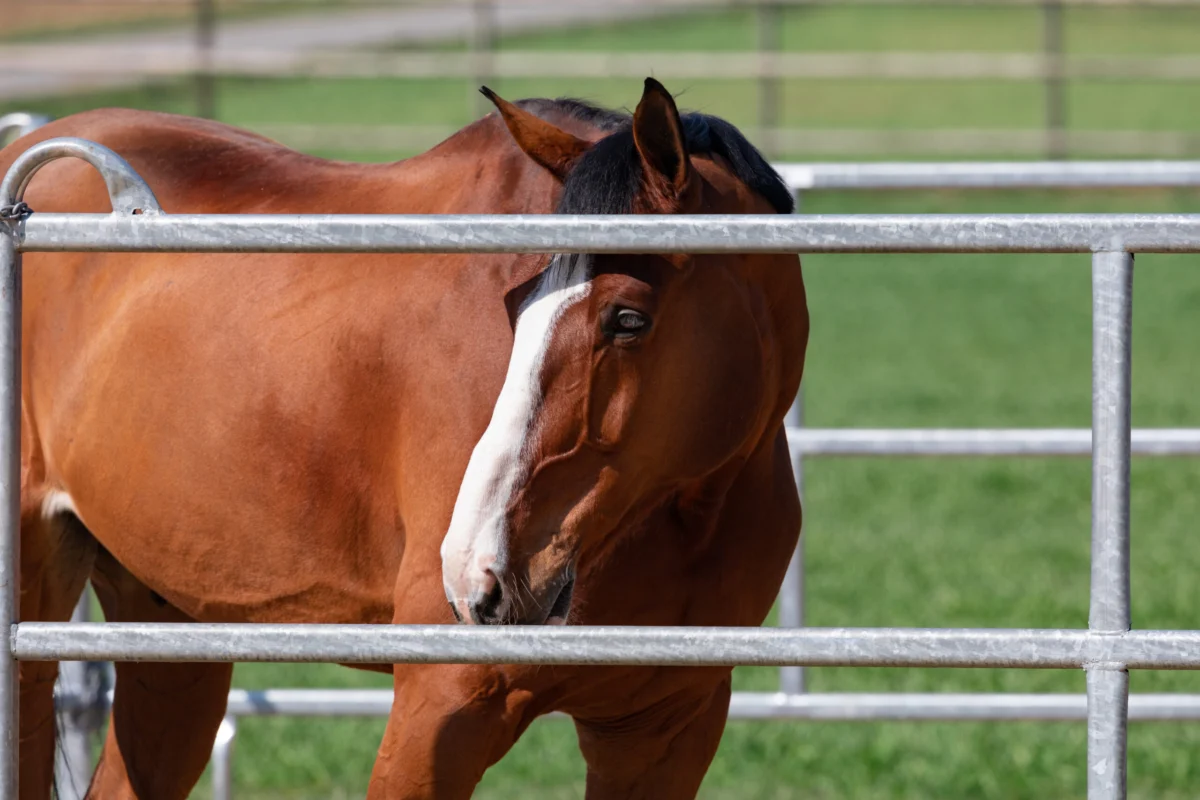
ROCKY VIEW COUNTY, ALBERTA — Equine health officials have issued a renewed advisory to horse owners across Western Canada following the confirmation of Potomac horse fever (PHF) in a young gelding in Rocky View County, Alberta. The case, which highlights the expanding geographic and seasonal risks of equine infectious diseases, underscores the critical need for biosecurity, prompt veterinary intervention, and preventative management among livestock caretakers in the region.
According to verified reports disseminated through the Equine Disease Communication Center (EDCC) via EDCC Health Watch, a 4-year-old Quarter Horse gelding tested positive for the bacterium Neorickettsia risticii on October 7. While the animal is currently on the mend, the incident has drawn sharp focus to an infectious disease historically more commonly associated with the eastern United States, yet increasingly recognized in various pockets across North America.
Veterinary experts stress that while PHF is non-contagious between horses—meaning it does not spread directly from an infected equine to a healthy stablemate—the environmental vectors that transmit the disease require rigorous landscape and barn management. As local authorities and veterinarians monitor the situation, horse owners throughout Alberta and neighboring provinces are being urged to familiarize themselves with the warning signs, transmission pathways, and prevention strategies associated with the condition.
Main Facts
The confirmed case in Rocky View County involves a single 4-year-old Quarter Horse gelding housed in a rural setting typical of the region’s vibrant equestrian community.
- Patient Profile: A 4-year-old Quarter Horse gelding.
- Location: Rocky View County, Alberta.
- Diagnosis Date: October 7 (positive laboratory confirmation).
- Causative Agent: Neorickettsia risticii, an intracellular bacterium.
- Current Status: The gelding is recovering under veterinary supervision after displaying acute clinical symptoms.
- Transmission Nature: Vector-borne and environmental; the disease is not contagious from horse to horse.
- Mortality Rate: Can reach up to 30% if left untreated or in severe, acute presentations, though prompt medical intervention significantly improves prognoses.
- Seasonality: Cases predominantly spike during the warmer months, typically from July through September, though late-season diagnoses—such as this early October confirmation—demonstrate that the risk window can extend into the autumn.
The disease is notoriously complex because it does not rely on direct contact with sick horses to spread. Instead, the life cycle of the pathogen involves complex aquatic ecosystems, making horses that graze near natural waterways, irrigation canals, ponds, and rivers acutely vulnerable.
Chronology of the Rocky View County Case
Understanding the timeline of the Rocky View County case provides vital context regarding the incubation period, symptom onset, and diagnostic confirmation of Potomac horse fever.
- Late September (Estimated Exposure Window): Based on the typical incubation period of Potomac horse fever—which ranges from one to three weeks—the 4-year-old gelding likely ingested the causative agent during the middle or latter half of September. During this period, evening temperatures in southern Alberta begin to fluctuate, and aquatic insects remain active near water sources.
- September 30: The gelding first exhibited noticeable clinical signs of distress. Caretakers observed a sudden onset of inappetence (refusing feed), profound dullness (lethargy and reduced responsiveness), and the development of watery diarrhea. Given the acute nature of these symptoms, local veterinary assistance was promptly enlisted.
- Early October (Medical Intervention and Stabilization): Veterinary diagnostics were initiated to differentiate PHF from other acute gastrointestinal and systemic conditions common in equines, such as colitis, salmonellosis, or simple colic. Supportive care, including fluid therapy, anti-inflammatory medications, and appropriate antibiotic treatments (such as oxytetracycline, which is frequently utilized in early-stage PHF cases), was administered. The horse responded favorably to the therapeutic protocol.
- October 7: Laboratory results officially confirmed the presence of Neorickettsia risticii, validating the clinical suspicion of Potomac horse fever. The case details were subsequently logged and verified through the EDCC Health Watch network to alert the broader agricultural and equestrian community.
- Mid-October (Current Status): The gelding continues to convalesce at its home facility in Rocky View County. While its appetite has returned and energy levels are stabilizing, the animal remains under close observation by its owners and attending veterinarian to ensure no secondary complications, such as laminitis—a frequent and devastating sequela of severe PHF—develop during the recovery phase.
Supporting Data and Pathology of Potomac Horse Fever
Potomac horse fever was first formally documented in the United States in the 1970s in the valley of the Potomac River in Maryland and Virginia, earning it its common moniker. However, over the subsequent decades, veterinary researchers have identified cases across numerous U.S. states and Canadian provinces, proving that the geographic footprint of the disease is much wider than initially understood.
The Complex Life Cycle of Neorickettsia risticii
The pathology of PHF is tied intricately to aquatic environments. The bacterium Neorickettsia risticii resides within trematodes (flatworms or flukes) that parasitize freshwater snails.
- Aquatic Phase: Infected snails release free-swimming larval stages of the fluke (cercariae) into bodies of water.
- Intermediate Hosts: These larvae infect aquatic insects, such as caddisflies, mayflies, stoneflies, and freshwater aquatic beetles.
- Equine Infection: Horses contract the disease primarily through two routes:
- Inadvertent Ingestion of Insects: Horses accidentally consume infected aquatic insects that have flown into water tanks, settled in pastures, or contaminated stored feed and hay.
- Ingestion of Water: Drinking water directly from streams, ponds, or irrigation ditches that harbor infected aquatic organisms or free-swimming stages of the pathogen.
Incubation and Clinical Manifestations
Once ingested, the incubation period spans 7 to 21 days. The bacteria target specific immune cells and intestinal tissues, leading to systemic illness. The hallmark clinical signs include:
- High Fever: Often biphasic (occurring in two waves), which may go unnoticed if temperatures are not taken daily.
- Gastrointestinal Distress: Ranging from soft manure to profuse, watery, explosive diarrhea, which can rapidly lead to severe dehydration, electrolyte imbalances, and endotoxemia.
- Depression and Lethargy: Marked dullness and disinterest in surroundings.
- Inappetence: Complete or partial refusal to eat.
- Laminitis: A painful and potentially life-threatening inflammation of the laminae within the horse’s hooves. Laminitis is one of the most feared complications of PHF, occurring in a significant percentage of moderate-to-severe cases and requiring aggressive, specialized farrier and veterinary care.
- Abortions: In broodmares, infection with N. risticii can precipitate sudden abortion, making pregnant mares a high-risk demographic.
Seasonality and Environmental Influences
Statistically, the vast majority of PHF cases are diagnosed between July and September. This temporal distribution aligns with the peak activity periods of aquatic insects and the lowest water levels in rivers and streams, which concentrate pathogens. However, warm autumns can prolong insect activity, as evidenced by this early October diagnosis in Alberta.
Official Responses and Industry Communication
The prompt reporting of the Rocky View County case highlights the vital infrastructure provided by the Equine Disease Communication Center (EDCC) and its communication partners.
The Role of the EDCC
The EDCC functions as a centralized, independent nonprofit organization dedicated to protecting the North American horse industry from the spread of infectious diseases. Supported entirely by industry donations, grants, and equine stakeholder contributions, the organization provides open, real-time access to verified disease alerts.
Through its partnership with the Equine Network via EDCC Health Watch, verified reports are rapidly formatted and disseminated to veterinarians, barn managers, breed associations, and individual horse owners. This rapid dissemination allows local equestrian communities to elevate biosecurity protocols before localized issues escalate into widespread regional outbreaks.
Local Veterinary and Industry Recommendations
In response to the Alberta case, regional equine practitioners have reiterated standard best practices for mitigating PHF risk, particularly for properties situated near water bodies:
- Insect Control at Night: Because many aquatic insects—such as caddisflies and mayflies—are strongly attracted to light, turning off barn lights or switching to yellow "bug lights" during peak seasonal activity can reduce the accumulation of insects around feed bins and water troughs.
- Water Management: Utilizing automated, well-sealed municipal or well-water systems rather than open-source stock tanks fed by streams or irrigation canals significantly lowers the risk of waterborne exposure.
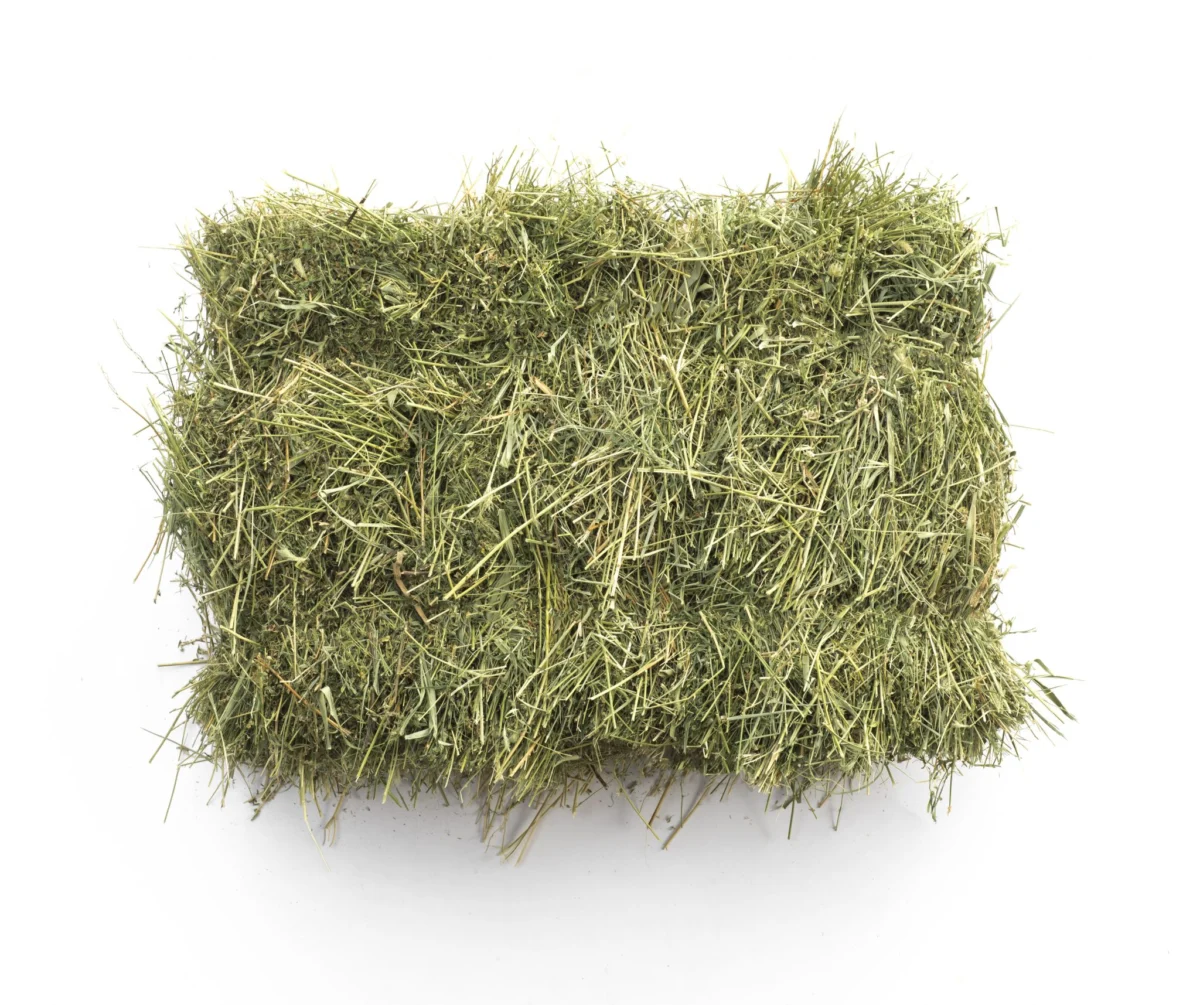
- Covered Feed Storage: Storing grain, pellets, and hay in tightly sealed, rodent- and insect-proof containers prevents insects from contaminating feedstuffs.
- Pasture Management: Limiting or fencing off livestock access to marshy areas, slow-moving creeks, and riverbanks during high-risk months can prevent direct ingestion of vectors and contaminated water.
Implications for Horse Owners and the Broader Equine Community
The confirmation of Potomac horse fever in Rocky View County carries several important implications for horse owners, veterinarians, and agricultural economists in Western Canada.
The Role and Limitations of Vaccination
Vaccination remains an important tool in the comprehensive management of PHF, yet owners must understand its specific limitations. Commercial vaccines against Neorickettsia risticii are available and are frequently recommended for horses residing in endemic areas or those with high exposure risk due to pasture geography.
However, veterinary immunologists emphasize that the PHF vaccine is not 100% effective. Because N. risticii exhibits considerable genetic strain diversity across different geographic regions, a vaccine formulated against strains common in one region may offer variable cross-protection against strains found in another.
Crucially, vaccinated horses that do contract the disease statistically display significantly milder clinical signs, experience shorter illness durations, and have a drastically reduced incidence of fatal complications such as severe laminitis and profound endotoxemia. Consequently, veterinarians often recommend annual or semi-annual booster shots (typically timed in the spring prior to peak vector season) for high-risk populations.
Economic and Welfare Impacts
Equine health events like PHF carry substantial economic and welfare implications. Acute medical management of a severe PHF case requires intensive veterinary intervention—frequent intravenous fluid administration, specialized pharmacological treatments, diagnostic blood panels, and round-the-clock monitoring. Furthermore, if a horse develops laminitis as a secondary complication, the rehabilitation process can span months, involving specialized therapeutic farrier work, stall rest, and significant financial investment.
For boarding stables, training facilities, and breeding operations, an infectious disease scare—even one involving a non-contagious illness like PHF—can prompt temporary quarantines, heightened anxiety among clients, and operational disruptions. Transparent communication, grounded in verified facts from organizations like the EDCC, is essential to prevent panic and maintain calm, rational biosecurity standards.
Climate and Geographic Shifts
As regional climates evolve, equine health professionals are increasingly noting shifts in the prevalence and geographic distribution of vector-borne diseases. Milder autumns, altered precipitation patterns, and shifting insect habitats mean that diseases once thought confined to specific river valleys or southern latitudes can appear in unexpected regions, such as the foothills and plains of Alberta.
For horse owners, this changing landscape demands a shift from reactive treatment to proactive risk management. Routine health monitoring, daily observation of vital signs (including body temperature during high-risk seasons), prompt consultation with licensed veterinarians at the first sign of lethargy or digestive upset, and sensible landscape management remain the most effective defenses against Potomac horse fever and other environmental equine pathogens.
For further information on equine infectious diseases, or to support open-access disease reporting, visit the Equine Disease Communication Center at equinediseasecc.org.