Author: Paige K Parsons Coauthor: Our Think Tank Editor: Margie Wilson Published by: Rabbit.org Foundation
Main Facts: The Golden Rule of Lagomorph Nutrition
Ensuring the longevity, vitality, and overall well-being of a pet rabbit begins with understanding its complex and specialized digestive system. Unlike dogs, cats, or even omnivorous small mammals, rabbits are strictly herbivorous hindgut fermenters. Their unique gastrointestinal tract requires a high-fiber, low-calorie diet to function correctly. Without a precisely balanced intake of fibrous materials, rabbits quickly become vulnerable to life-threatening digestive disorders, dental disease, and obesity.
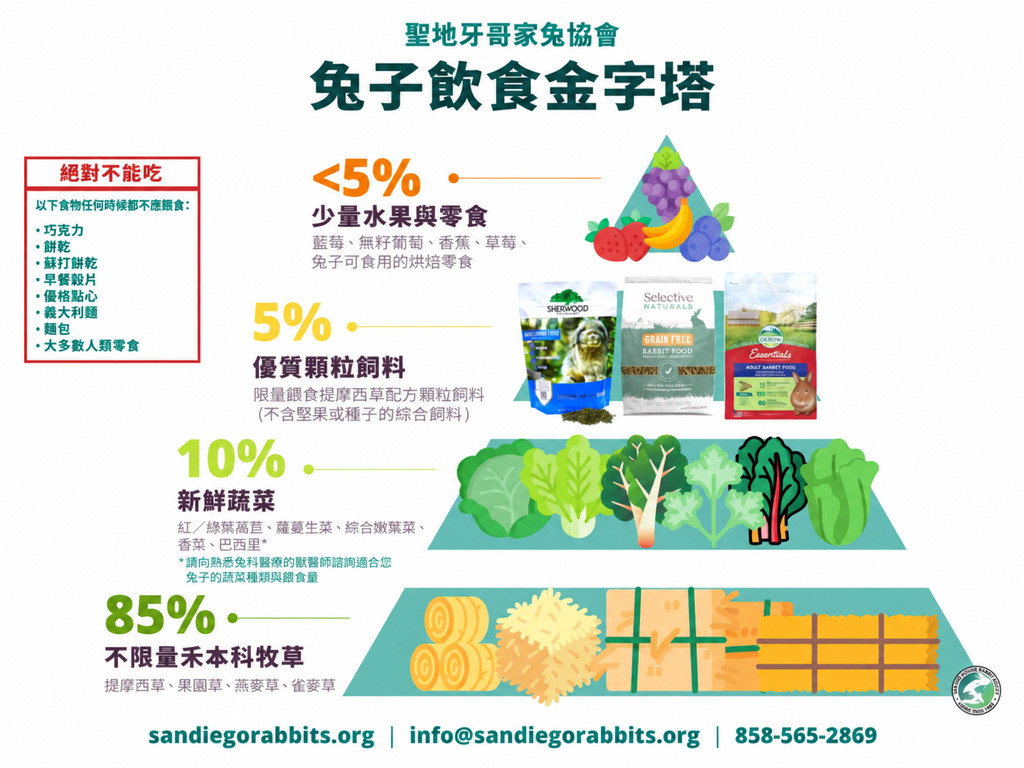
Veterinary experts and lagomorph nutritionists universally recommend a strict dietary breakdown to maintain optimal health: 85% fresh hay, 10% fresh vegetables, and no more than 5% pellets and treats combined.
Adhering to this golden ratio prevents the onset of common domestic rabbit ailments, such as gastrointestinal stasis, overgrown teeth (malocclusion), and fatty liver disease. While commercial feeds and sweet treats may seem appealing to pet owners, substituting proper nutrition with convenience foods compromises the delicate balance of a rabbit’s internal ecosystem.
Chronology of Dietary Evolution: How Domestic Rabbit Care Has Evolved
For decades, the care requirements of domestic rabbits were widely misunderstood. Historically, rabbits were viewed primarily as livestock or outdoor utility animals, often fed arbitrary scraps, grain mixes, and whatever garden vegetation was readily available. Little was known about their precise nutritional biochemistry, leading to high rates of preventable illness, early mortality, and chronic digestive distress.
The Era of Grain-Heavy Diets (Pre-1990s): Early pet rabbit husbandry heavily relied on commercial grain mixes, seeds, and high-starch pellets. Pet stores marketed these mixtures as complete diets, failing to recognize that rabbits selectively pick out high-fat, sugary components while leaving behind vital nutrients. This often resulted in rampant obesity, molar spurs, and fatal blockages.
The Rise of the Hay-Centric Movement (1990s–2000s): As exotic animal veterinary medicine advanced, specialists such as Dr. Susan Brown and organizations like the House Rabbit Society began championing grass hay as the non-negotiable cornerstone of rabbit health. Research demonstrated that unlimited access to long-stem fiber was essential for proper gut motility and natural tooth wear.
Modern Evidence-Based Nutrition (Present Day): Today, rabbit care standards emphasize a scientifically backed pyramid. Veterinarians advocate for precise portion control, moving away from free-feeding pellets and shifting focus toward premium grass hays, leafy greens, and strict limitations on high-carbohydrate treats. Educational campaigns continue to bridge the gap between traditional misconceptions and modern veterinary science.
Supporting Data: The 85-10-5 Nutritional Breakdown
Understanding the exact percentages of a rabbit’s diet ensures that owners can provide balanced, species-appropriate care. Veterinary guidelines break down the daily nutritional requirements into three distinct tiers:
1. 85% Grass Hay (The Non-Negotiable Foundation)
Grass hay is the absolute cornerstone of a healthy rabbit diet and must be available in unlimited quantities 24/7. Hay provides essential long-stem fiber, which stimulates normal intestinal contractions (peristalsis) and prevents dangerous GI stasis. Furthermore, the continuous chewing motion required to break down abrasive hay fibers naturally wears down a rabbit’s continuously growing teeth, preventing painful sharp molar spurs and abscesses. Varieties such as Timothy, orchard grass, brome, and meadow hays should make up the vast majority of every meal.
2. 10% Fresh Vegetables (Vitamins and Hydration)
Fresh vegetables provide vital hydration, micronutrients, and behavioral enrichment. A general rule of thumb is to feed approximately one cup of fresh, washed leafy greens per two pounds of body weight daily. Rotating through a variety of dark leafy greens—such as romaine lettuce, dandelion greens, cilantro, parsley, and carrot tops—ensures a diverse intake of vitamins A, C, and K. However, introducing new vegetables must be done gradually to prevent sudden microbial imbalances in the cecum.
3. 5% Pellets and Treats (Strictly Controlled Indulgences)
Commercial pellets and treats should occupy a very minor role in daily feeding. While high-quality pellets offer concentrated vitamins and minerals, overfeeding them leads to severe nutritional imbalances. Adult rabbits require only a tiny measured amount—typically one-eighth to one-quarter cup per five pounds of body weight per day. Similarly, sugary treats like commercial yogurt drops, dried fruit, and starchy crackers should be severely restricted or eliminated entirely to prevent obesity and systemic inflammation.
Official Responses: Expert Insights on Pellets and Commercial Feeds
The role of commercial pellets in a rabbit’s diet has long been a subject of debate among exotic veterinarians. While high-fiber pellets can serve as a useful supplement, over-reliance on them remains one of the leading causes of preventable health crises in domestic rabbits.
Dr. Susan Brown, a renowned exotic animal veterinarian, notes:
"If we do not actively limit commercial pellets, the rabbit will invariably overeat them due to their high caloric density. This inevitably leads to obesity, sludge-like calcium deposits in the bladder, and a drastic reduction in hay consumption. Because hay requires heavy chewing, reducing hay intake directly contributes to severe dental disease and overgrown molars."
Veterinary consensus advises selecting plain, high-fiber pellets containing at least 18% crude fiber while avoiding colorful seed-and-nut mixes. These mixed formulations encourage selective eating, where rabbits consume only the fatty, sugary bits while ignoring nutritional pellets. If a rabbit shows signs of weight gain or chronic health issues, veterinarians routinely recommend scaling back pellet rations immediately to force a return to a hay-dominant diet.
Implications: The Dangers of Inappropriate Diets and Human Food
Feeding a rabbit an inappropriate diet carries severe medical and behavioral consequences. Because a rabbit’s digestive tract is finely tuned to process fibrous plant matter, introducing cooked human foods, processed sugars, or high-starch carbohydrates can trigger catastrophic system failures.
The Dangers of Human Foods
Rabbits are strict herbivores whose GI tracts cannot process dairy, meat, bread, pasta, chocolate, or processed snacks. Feeding these items can rapidly alter the pH of the cecum, causing a die-off of beneficial microflora and a dangerous overgrowth of pathogenic bacteria. This imbalance can lead to enterotoxemia, painful gas, acute shock, and death within a matter of hours.
Long-Term Health Consequences
Gastrointestinal Stasis: The most common emergency in rabbit medicine, often triggered by a lack of fiber or excess carbohydrates, causing the digestive tract to slow down or stop entirely.
Dental Disease: Inadequate hay consumption prevents natural tooth wear, leading to sharp points that lacerate the tongue and cheeks, requiring regular veterinary dental trimmings.
Obesity and Sludge: Excess calories and high calcium content in poor-quality diets lead to heavy fat deposits and thick, sludgy urine that can crystallize into painful bladder stones.
By strictly adhering to the 85-10-5 rule—prioritizing unlimited grass hay, supplementing with fresh leafy greens, and strictly rationing pellets and treats—pet owners can ensure their rabbits lead long, healthy, and vibrant lives.