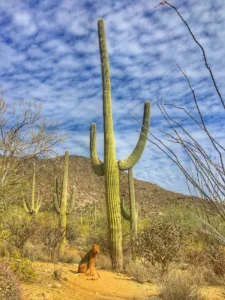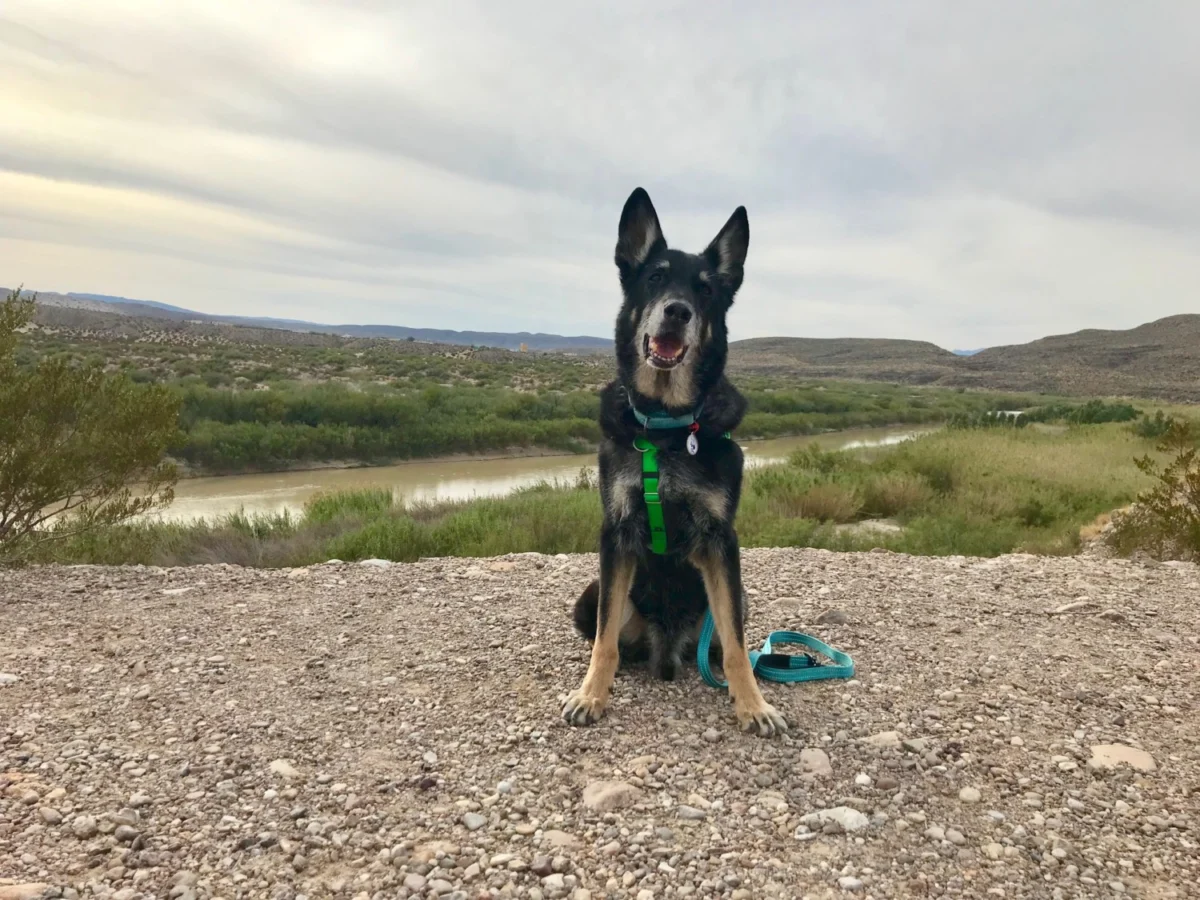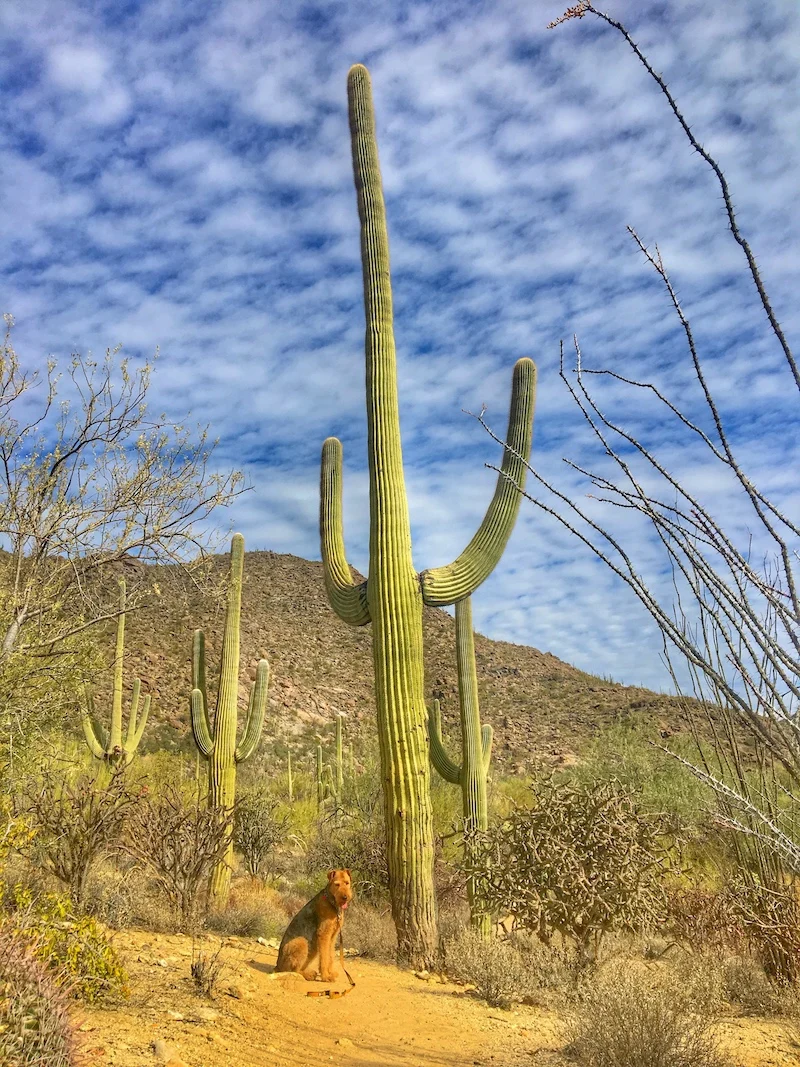
There is a profound, meditative quality to the desert. The vast, sweeping horizons, the silence of the canyons, and the stark beauty of the landscape offer a serenity that is difficult to find elsewhere. However, for those who choose to share these experiences with their canine companions, the desert requires a recalibration of safety expectations. While the terrain is majestic, it is also unforgiving, demanding a high level of preparation and respect.
For many dog owners—particularly those transitioning from temperate climates—the desert presents unique, hidden dangers. Heat exhaustion, dehydration, abrasive surfaces, and specialized wildlife are all factors that can turn an idyllic afternoon hike into a critical emergency. Following extensive field testing and consultation with outdoor safety experts, we have compiled this comprehensive guide to ensure that your next desert excursion is both memorable and safe.
Main Facts: The Desert’s Hidden Challenges
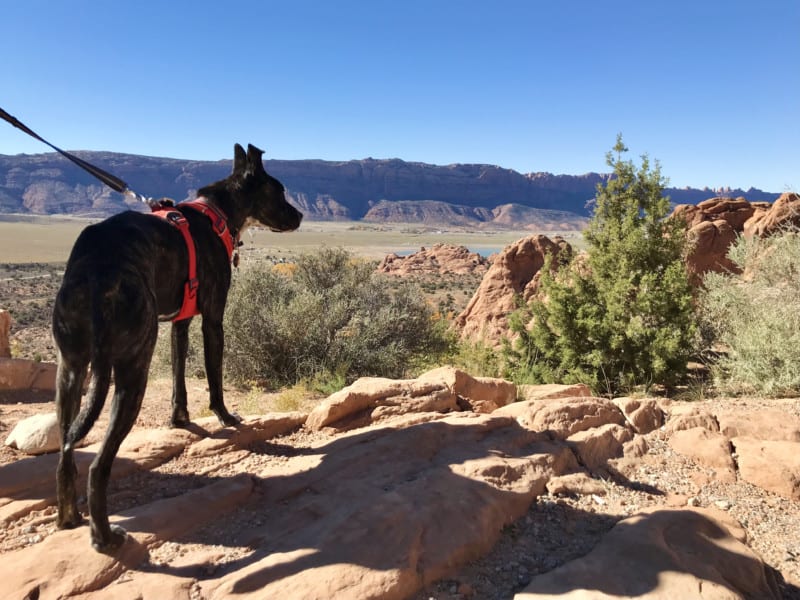
The desert ecosystem is defined by its unpredictability. Unlike forest trails, where shade is often abundant and water sources are frequently reliable, the desert is a place of scarcity.
- Thermal Regulation: Dogs do not sweat like humans; they rely primarily on panting and cooling through their paw pads. When the ambient temperature rises or the ground becomes superheated, their ability to regulate their internal temperature diminishes rapidly.
- Water Reliability: Never assume that a map-marked stream or spring will be active. In the desert, water sources are often seasonal or ephemeral.
- Terrain Hazards: Beyond the obvious heat, the desert floor is a minefield of organic debris, including cactus needles, burrs, and rock shards that can cause severe injury to a dog’s paws.
Chronology of Preparation: A Step-by-Step Approach
Successful desert hiking is rarely a result of luck; it is the product of rigorous planning. To minimize risk, follow this chronological guide before and during your journey.
1. Pre-Trip Assessment and Veterinary Consultation
Before departing, schedule a check-up with your veterinarian. Discuss the specific environment you plan to enter. Inquire about the efficacy of rattlesnake vaccines and confirm the appropriate dosage for antihistamines like Benadryl in the event of an insect sting or minor allergic reaction.
2. Gear Acquisition and Calibration
Do not wait until you are at the trailhead to test your gear. Train your dog to wear booties at home and practice the "drinking fountain" method of water consumption. Ensure that your dog’s harness is properly fitted and that any backpack they carry is lightweight and ergonomic.

3. The Hike Schedule: The "Golden Hours"
In the desert, time is your most important resource. Aim to start your hikes at dawn and aim to be off the trail by 10:00 AM. If you must hike in the afternoon, wait until the sun begins to set. Avoid the peak heat hours—typically 11:00 AM to 4:00 PM—at all costs.
Supporting Data: Essential Gear Requirements
To navigate the desert safely, you must be self-sufficient. Every item on this list serves a specific, vital function.
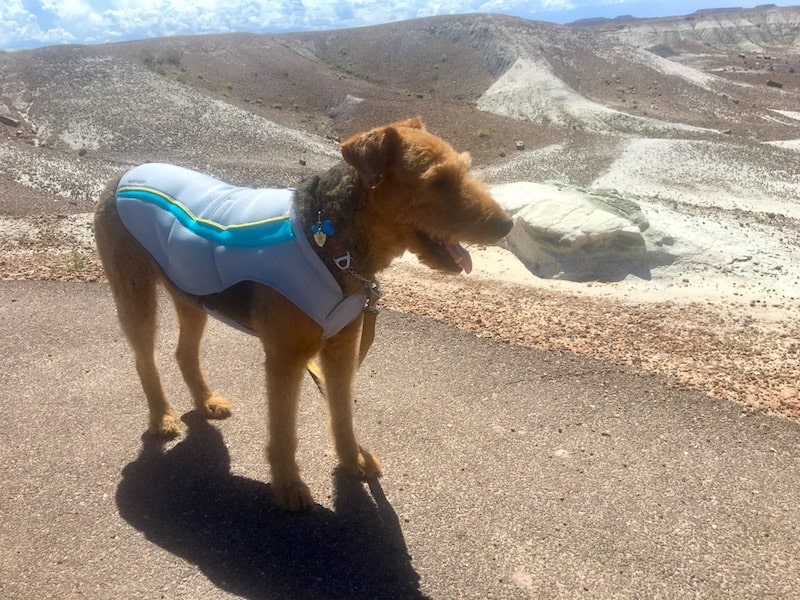
Water Management
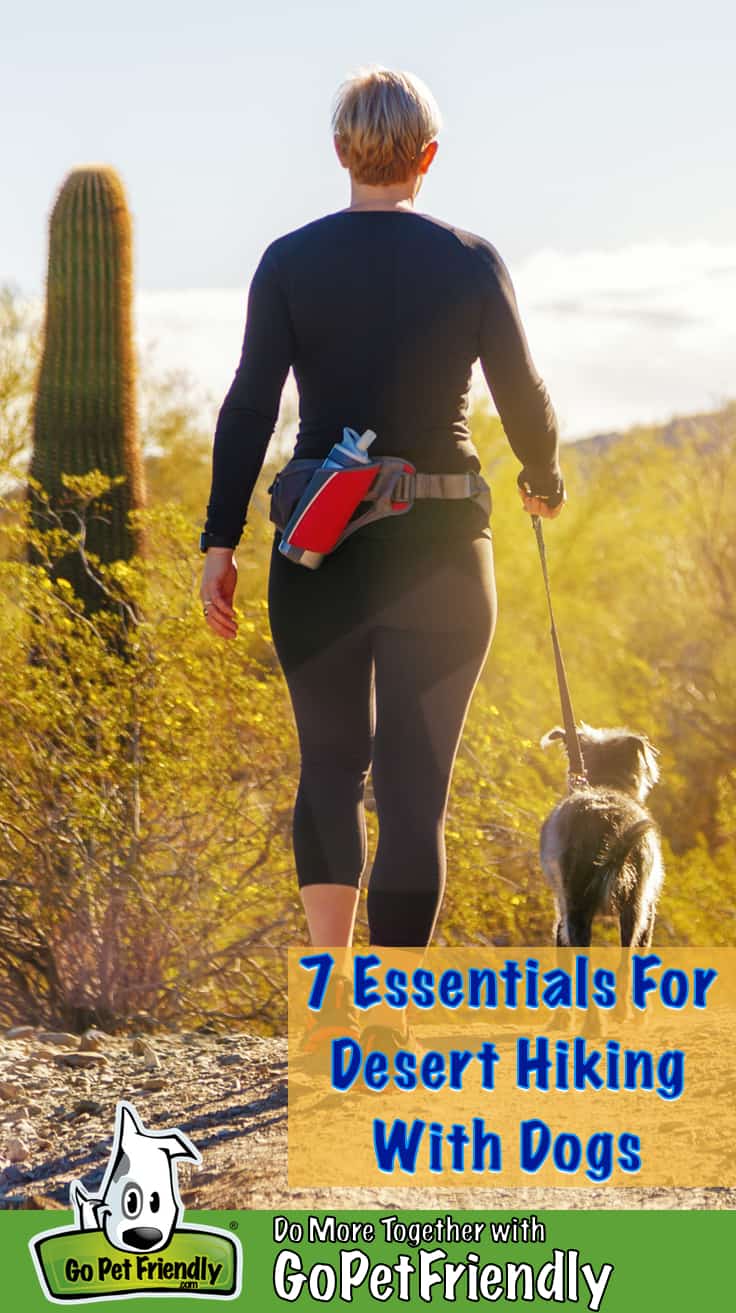
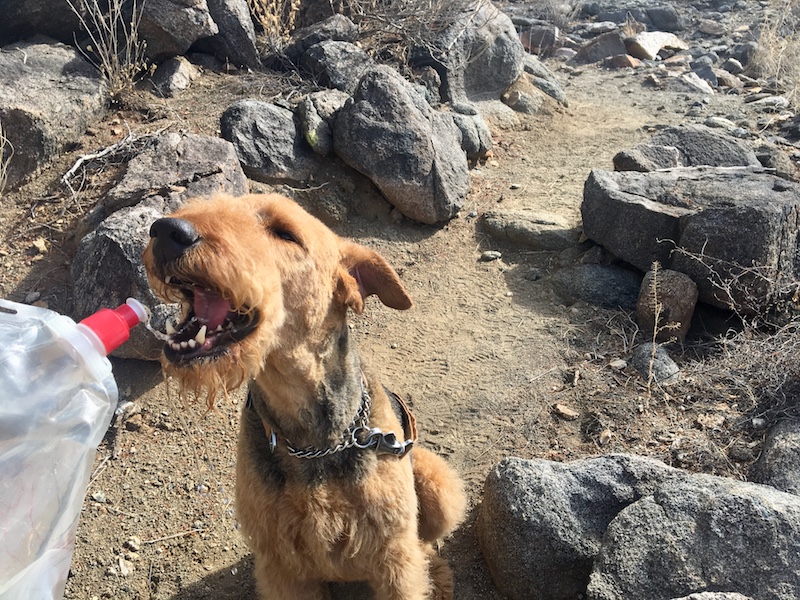
Water is the single most critical factor in desert safety. A general rule of thumb is to carry at least 0.5 to 1 liter of water per hour of hiking for your dog, depending on their size and activity level. If your dog is not comfortable drinking from a bottle, use a collapsible bowl, but be mindful of the "wastage" factor. Many experienced hikers use a pop-top water bottle to create a stream that allows the dog to drink without the need for a bowl, effectively eliminating water loss.
Paw Protection
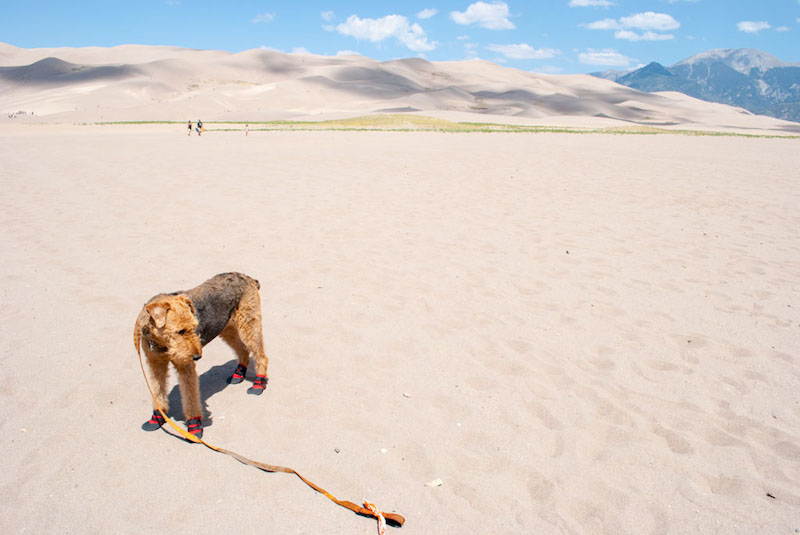
While dog boots are often viewed as a fashion accessory in the city, they are tactical gear in the desert. On hot sand or volcanic rock, surface temperatures can exceed 150°F, which will cause severe burns to a dog’s pads in seconds. Carry boots in your pack at all times. They should be used primarily as protective armor against heat and sharp debris, rather than worn for the entire duration of a hike, which could hinder your dog’s ability to regulate body temperature.
First-Aid Essentials
Your canine first-aid kit should be specialized for the environment. Include:
- Fine-Tooth Comb: An invaluable tool for quickly removing sand burrs and cactus spines from fur.
- Tweezers: Essential for extracting deep-seated thorns or bee stingers.
- Self-Adhesive First-Aid Tape: Unlike traditional adhesive bandages, this will not stick to your dog’s fur, preventing unnecessary pain during treatment.
- Antihistamines: With veterinarian approval, keep a clearly labeled dose of Benadryl in your kit for emergencies.
Official Perspectives: The Role of Vaccination
When discussing wildlife encounters, particularly rattlesnakes, the veterinary community emphasizes that prevention is better than treatment. While a rattlesnake vaccine for dogs does not grant immunity, it is designed to stimulate the production of antibodies that can neutralize or reduce the severity of the venom’s effects.
According to veterinary specialists, this extra window of time can be the difference between life and death, providing owners with a vital cushion to reach an emergency animal hospital. However, vaccination should never replace vigilance; keeping your dog on a short leash and remaining alert for the telltale rattle remains the primary defense.
Implications: The Long-Term Impact of Safe Practices
The implications of proper preparation go beyond the individual hike. By adhering to these safety protocols, you are actively participating in responsible pet ownership and conservation.
Environmental Stewardship
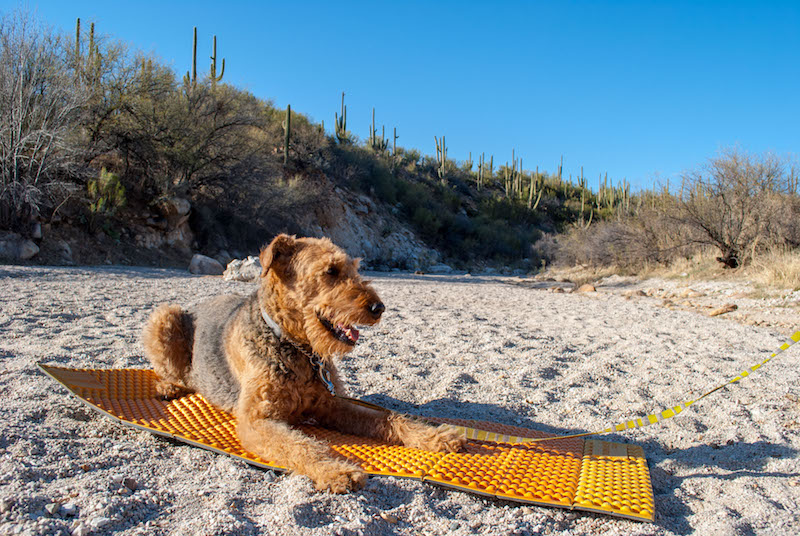
The desert is a fragile ecosystem. When you use a "sit-pad" for your dog, you aren’t just protecting their paws from thorns; you are preventing them from digging or disturbing sensitive desert crusts. By keeping your dog on-leash, you minimize the disruption of local wildlife and protect your pet from falling into dangerous fissures or encountering aggressive predators.
Building the Bond
Hiking is one of the most rewarding ways to bond with your canine companion. The trust established when you help your dog navigate a difficult trail, or when you provide them with the water and care they need, deepens the relationship between human and animal.
A Note on Flexibility
Finally, remember that the most important skill in desert hiking is the ability to turn back. If your dog is showing signs of heat distress—excessive panting, lethargy, or reluctance to move—the hike is over. There is no shame in cutting a trip short to ensure your dog’s well-being. The desert will be there another day; your dog’s health is the priority.
Conclusion
Hiking with dogs in the desert is an exhilarating experience that rewards those who are prepared. By acknowledging the unique environmental risks—from the blistering heat of the ground to the hidden dangers of the brush—you can transform a high-risk activity into a safe, transformative adventure. Pack light, plan for the heat, keep your gear maintained, and always prioritize your companion’s health. With these foundations in place, the vast, quiet beauty of the desert becomes a playground for you and your best friend to explore together.