BISBEE, Arizona — Sixteen years ago, the concept of bringing a companion animal along on an interstate vacation, checking into a hotel with a dog, or seeking out pet-friendly dining was viewed as an eccentric novelty. It was logistically exhausting, heavily restricted, and often met with social friction.
Into this restrictive landscape stepped GoPetFriendly, a pioneering digital platform launched to bridge the immense gap between pet owners and the travel industry. Over nearly two decades, the site served as an indispensable compass for millions of travelers navigating the uncharted waters of pet-inclusive tourism.
However, the digital landscape and the cultural ethos surrounding animal companionship have evolved profoundly. Citing the mainstreaming of pet-friendly infrastructure and the disruptive rise of generative artificial intelligence (AI), the founders of GoPetFriendly have announced a major operational shift: the official retirement of the site’s comprehensive pet-friendly business directory by the end of the month.
Main Facts: The Evolution and Retirement of a Pioneer
The closure marks the end of an era for one of the internet’s earliest dedicated travel directories for pet owners. While the core database of hotels, restaurants, and attractions is being decommissioned, the beloved accompanying blog will remain active as an archive of historical travel logs, personal anecdotes, and foundational "paws-on-the-ground" research.
The decision is driven by two major market shifts:
Market Saturation: What was once rare is now ubiquitous. Hotels, airlines, municipalities, and national chains now aggressively market their pet-inclusive accommodations, rendering manual directories less critical.
Technological Disruption: Modern generative AI tools allow users to bypass traditional search engines and directories entirely, generating hyper-localized travel itineraries within seconds via natural language prompts.
Rather than maintaining a legacy database against rapidly advancing AI agents, the founders are turning the page toward a new chapter: a remote-build residential construction project in the mountains of southern Colorado, documented via a newly launched YouTube channel, Amy’s Aspect.
Chronology: From Motorhomes to Mountain Architecture
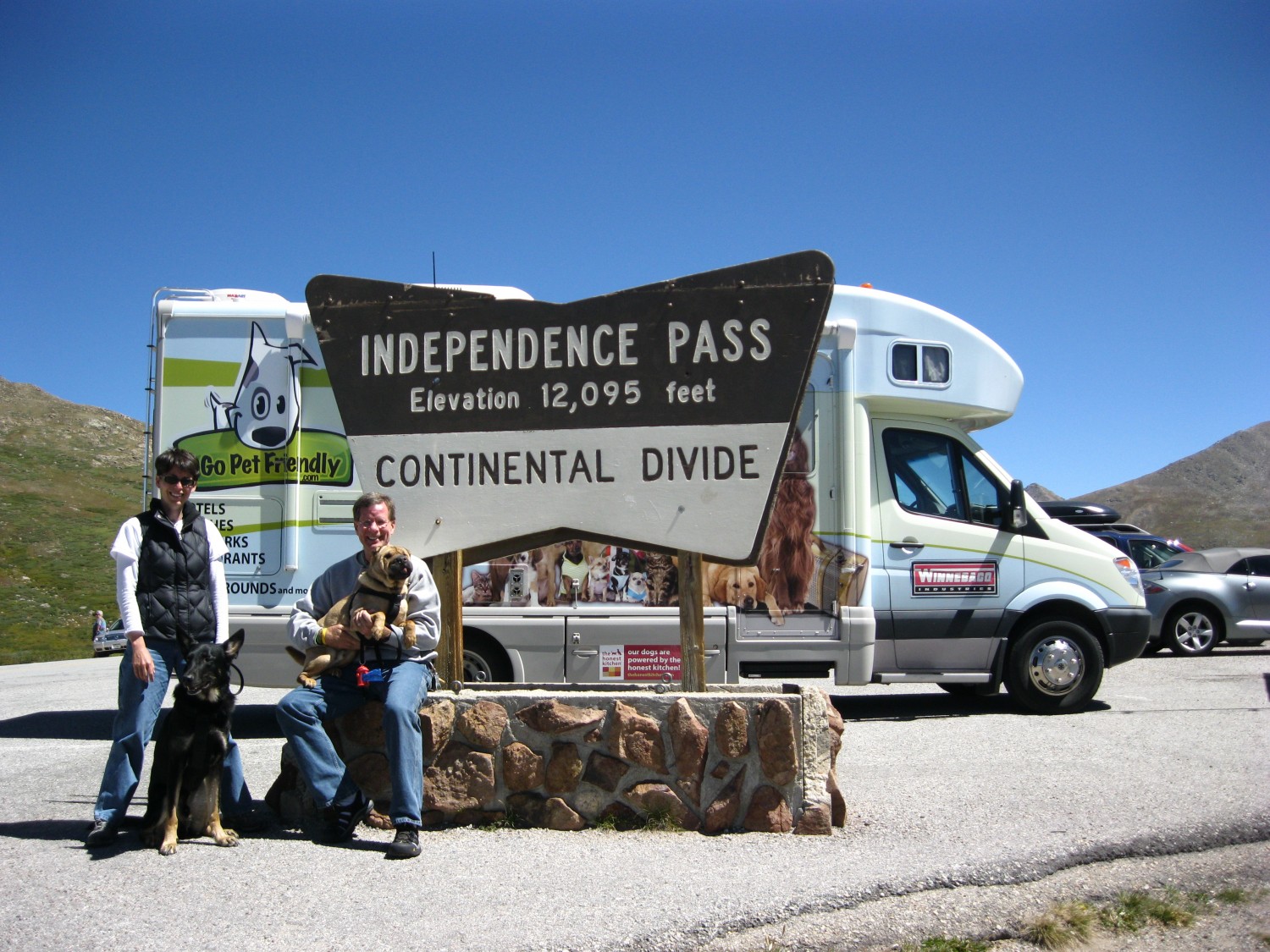
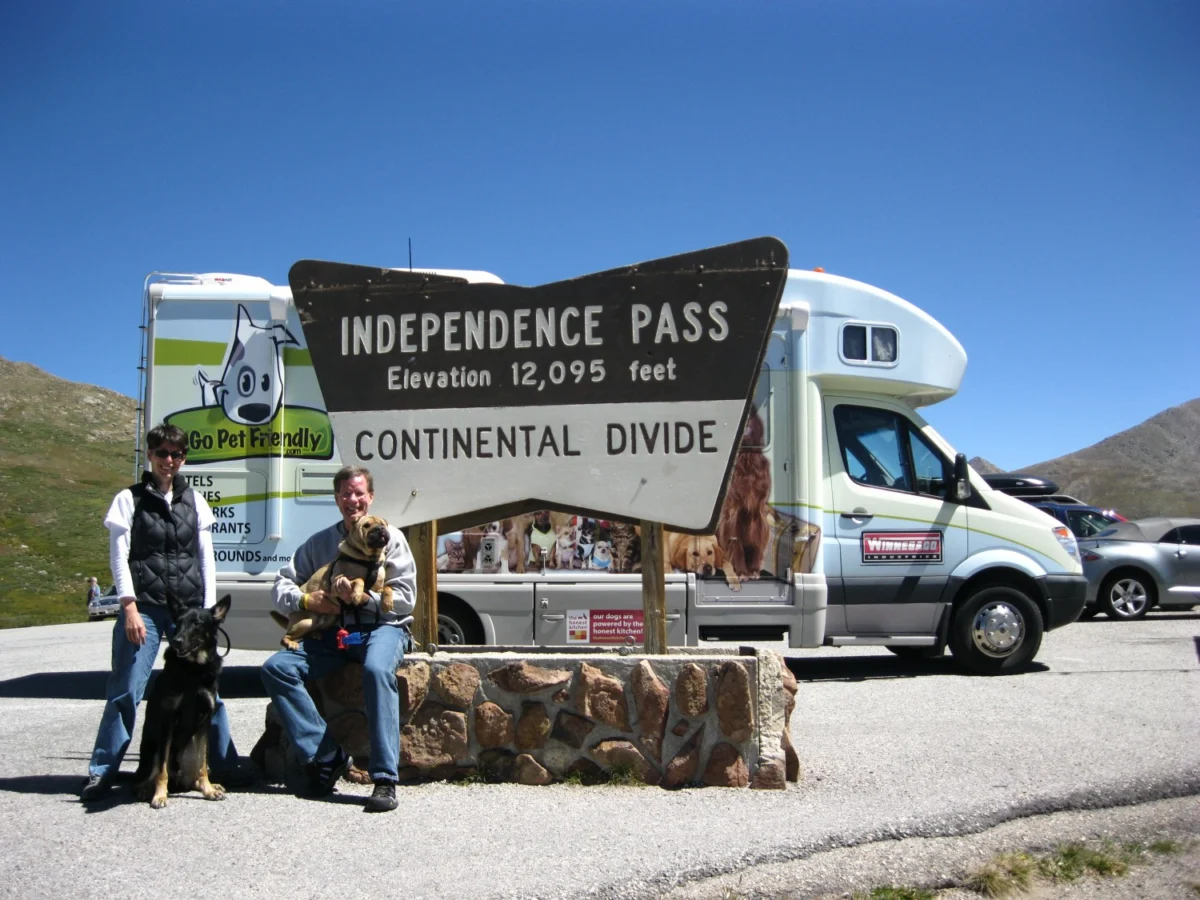
To understand the trajectory of GoPetFriendly, one must look at the path of its founders, who spent twelve transformative years living and traveling full-time in a motorhome alongside their canine companions, Ty and Buster.
2009: GoPetFriendly launches with a singular mission: to make traveling with pets accessible, manageable, and normalized in an era when physical guidebooks and fragmented forums were the only resources available.
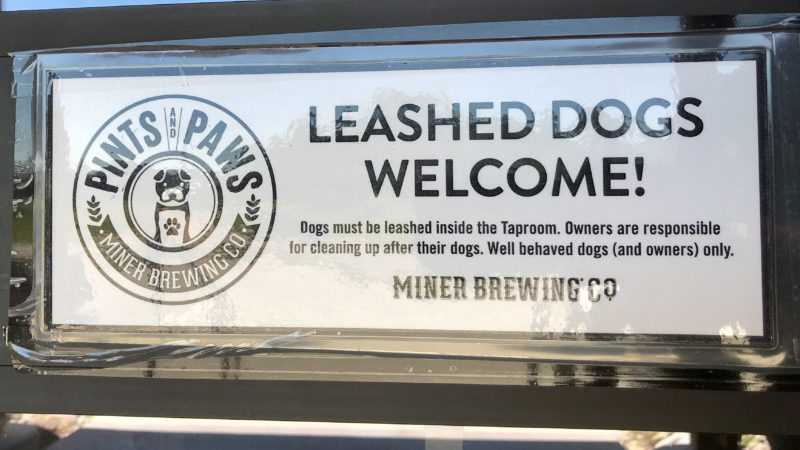
2010s: As millions of users engage with the platform, the hospitality industry takes notice. Businesses across the United States begin updating their policies, adding digital pet directories, and displaying "Pets Welcome" signage to capture an underserved demographic.
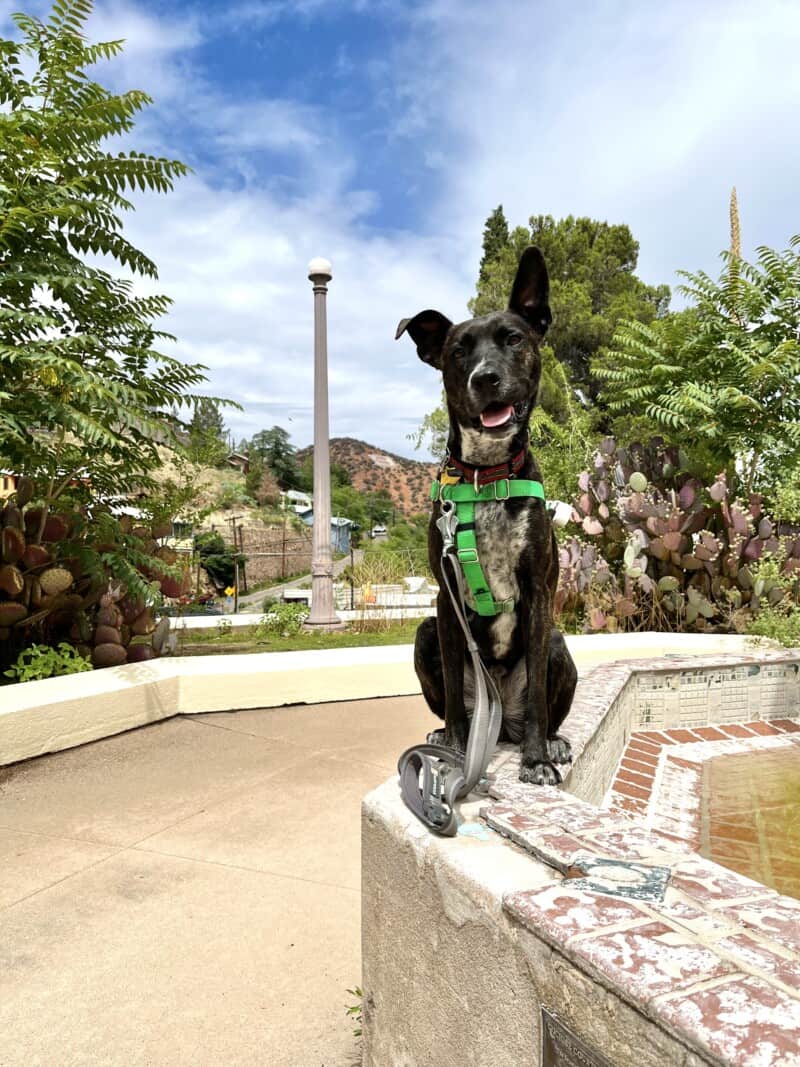
Early 2020s: The founders conclude their decade-long RV journey, settling permanently in the historically rich and pet-welcoming community of Bisbee, Arizona.
Late 2024: With newfound stability away from the driver’s seat, the co-founder enrolls in a formal certificate program in AutoCAD and residential construction at Cochise College, mastering architectural design, spatial planning, and slope-engineering.
Early 2025: Facing a measurable decline in organic web traffic driven by the rapid adoption of conversational AI trip-planning tools, the leadership team makes the strategic decision to retire the GoPetFriendly directory and pivot toward creative, documentary-style media production.
Present Day: Groundbreaking preparations begin for a panelized, high-altitude prefab home on a three-acre mountain lot in southern Colorado, paired with a weekly YouTube broadcast tracking the multi-month construction process.
Supporting Data: The Shifting Tides of Digital Search and Consumer Behavior
The decision to shutter the directory is grounded in cold, hard metrics regarding how modern consumers gather information.
During the platform’s peak years, centralized aggregators like GoPetFriendly were the primary gatekeepers of niche travel data. Users relied on crowdsourced reviews and curated lists to verify whether a specific motel accepted large breeds or if a national park trail permitted leashed dogs.
Over the past twenty-four months, however, search analytics across the travel sector have signaled a fundamental paradigm shift:
AI Adoption: Conversational AI models now answer complex queries—such as "Find me a pet-friendly boutique hotel in Tucson with an enclosed courtyard and nearby veterinary care"—in a fraction of a second.
Traffic Redirection: Organic landing numbers for static directories have faced double-digit annual contractions as users migrate to zero-click search experiences and AI-generated itineraries.
Industry Compliance: The hospitality sector’s self-reporting has improved drastically. According to hospitality industry data, over 75% of mid-to-upper-tier hotel brands now explicitly feature their pet policies, weight limits, and fee structures directly on their primary booking pages, eliminating the need for third-party verification platforms.
Official Perspectives: Reflections on Progress and Adaptation
Reflecting on the journey, the founders view the obsolescence of their directory not as a failure, but as the ultimate validation of their original vision.
"When we launched GoPetFriendly sixteen years ago, finding places to stay and things to do with your pets was HARD," the founders shared in a farewell address to their community. "It wasn’t that the idea of taking your pets with you on vacation was a new concept… But they were the exception. Most people believed that traveling with a pet was extravagant, or weird, or just too difficult."
The cultural transformation that followed exceeded initial expectations. As businesses raced to capture the lucrative pet-travel market, the friction points that necessitated GoPetFriendly’s founding began to dissolve.
Addressing the emergence of artificial intelligence, the founders adopted a pragmatic philosophy reminiscent of early resistance to automated retail checkouts:
"You’d have to be living under a rock to have missed the recent advances in Artificial Intelligence… But the fact that AI is already changing how people plan trips is undeniable. Why spend your time hunting for options when typing a simple request will get the answer?"
Rather than fighting the current of technological innovation, the team chose grace and closure, redirecting their creative energies toward physical creation.
Implications: The Future of Niche Travel Platforms and Content Creation
The sunsetting of GoPetFriendly’s directory serves as a powerful case study for the broader digital publishing and travel industries.
The Death of Static Directories: Niche web directories whose primary value proposition is aggregating raw logistical data (such as business addresses, phone numbers, and basic policies) face an existential threat from generative AI. Unless a platform offers proprietary community engagement, deeply specialized expert analysis, or experiential storytelling, algorithmic aggregators can replicate static directory functions instantaneously.
The Endurance of Personal Narrative: The decision to preserve the GoPetFriendly blog highlights the enduring value of human-centric travel memoirs. While AI can synthesize dry operational data, it cannot replicate decades of lived experiences, emotional connections, and authentic trail-tested wisdom accumulated alongside animal companions.
Lifelong Learning and Career Pivots: The founders’ transition from digital travel entrepreneurship to residential construction and architectural drafting underscores a broader cultural trend toward multidisciplinary reinvention. Armed with technical skills acquired later in life—such as computer-aided design and structural engineering—creators are increasingly merging digital media production with hands-on physical projects.
As the final chapters of the GoPetFriendly directory close, its legacy remains firmly cemented in the fabric of modern pet culture. The next time a traveler checks into a pet-friendly lodge with their dog, they are participating in a cultural norm that platforms like GoPetFriendly helped fight for into existence.
For the community that followed the journey from the motorhome roads of America to the high deserts of Arizona, the adventure continues—not through a search bar, but on a mountaintop in Colorado, one architectural blueprint and weekly video dispatch at a time.