TAY VALLEY TOWNSHIP, ONTARIO — In late September, the equine community in southeastern Ontario was reminded of the persistent threat posed by infectious diseases following the confirmed diagnosis of Equine Infectious Anemia (EIA) in a horse residing in Tay Valley Township. The case, which came to light through routine preventative health measures rather than clinical suspicion, has triggered immediate regulatory responses from animal health officials, placing the affected property and its resident equines under strict quarantine.
The discovery underscores the critical role that proactive biosecurity and pre-event screening play in protecting the broader equine population from vector-borne pathogens. While the index case showed no outward signs of illness at the time of sampling, the nature of the virus demands rapid, uncompromising containment protocols to prevent further transmission.
Main Facts of the Case
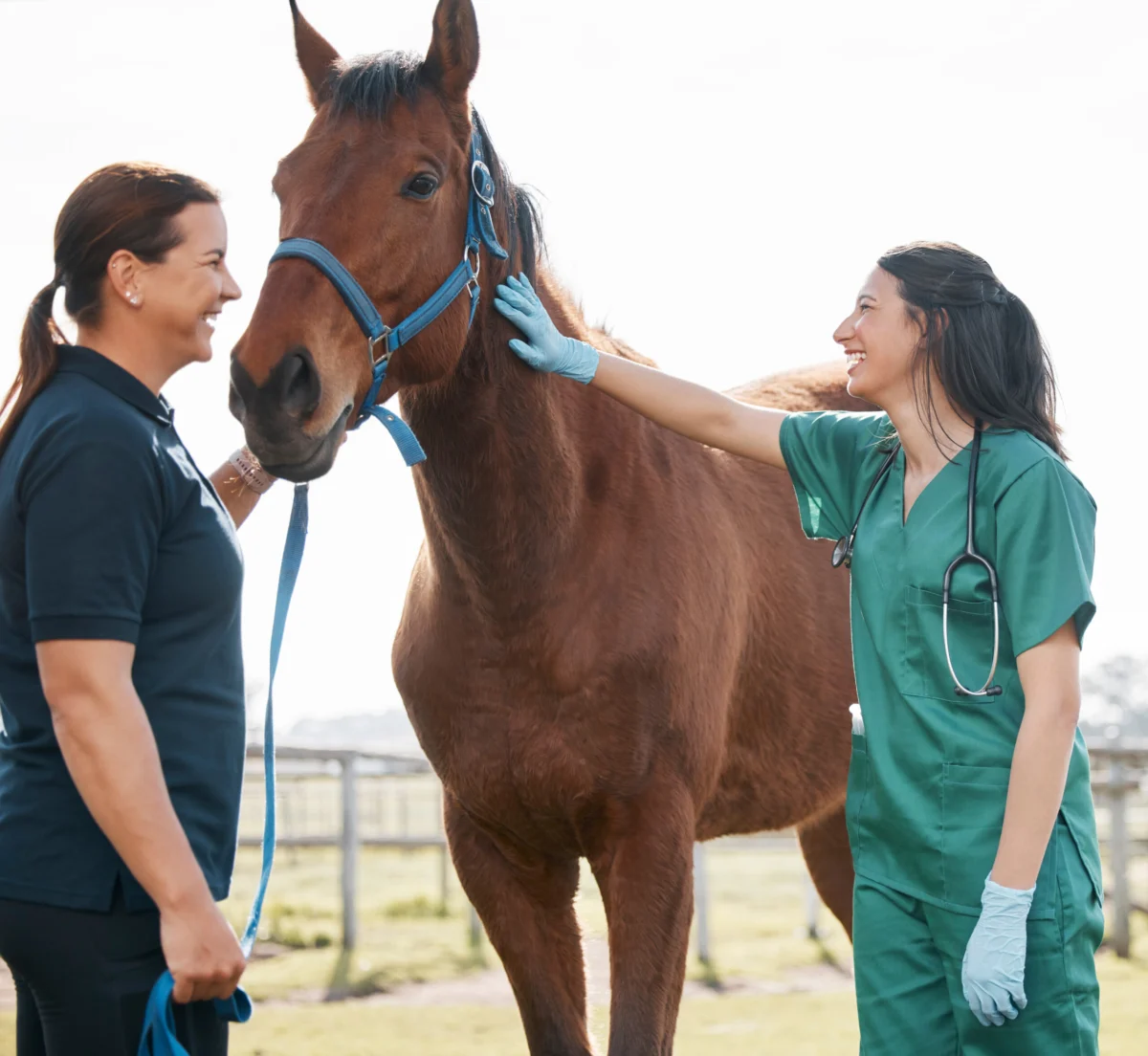
The confirmed case of EIA involves a single equine resident of Tay Valley Township, a municipality located within Lanark County, Ontario. On September 29, the animal underwent veterinary screening at the explicit request of its owner, who was fulfilling standard health documentation requirements ahead of an upcoming equestrian event.
At the time the blood sample was drawn, the horse exhibited an entirely normal physical presentation, displaying zero clinical signs or symptoms typically associated with viral distress or systemic illness. Laboratory analysis of the blood sample, however, returned a positive result for EIA antibodies.
Upon notification of the positive diagnostic result, regulatory veterinary authorities swiftly enacted containment measures. The index horse, alongside all other contact equines residing on the same premises, has been placed under an official, legally binding quarantine. Initial administrative reports confirm that multiple other horses share the property, all of which are now subject to movement restrictions and ongoing veterinary monitoring to determine their infection status.
Chronology of Events
To understand how the Tay Valley Township case unfolded, it is essential to examine the sequence of events leading up to the quarantine order:
- Pre-Event Preparation: Recognizing the regulatory requirements for travel and assembly, the owner of the asymptomatic horse scheduled a routine veterinary visit to collect blood samples for health clearance ahead of an impending equestrian competition.
- September 29: Blood is drawn from the horse by the attending veterinarian. The animal remains in apparent good health, showing no elevated temperature, lethargy, or other clinical abnormalities.
- Laboratory Analysis: The sample is processed by an accredited diagnostic laboratory, where screening procedures detect antibodies specific to the Equine Infectious Anemia virus.
- Immediate Notification: Public health and agricultural authorities are notified of the positive test result. Because EIA is a federally reportable disease in Canada, government veterinary officials initiate standard protocols.
- Quarantine Implementation: Regulatory officials issue official quarantine orders for the Tay Valley Township premises. The positive horse and all on-premises contact equines are restricted from leaving the property, and unauthorized movement of equipment or animals is prohibited.
- Ongoing Investigation: Animal health authorities begin tracing movements, evaluating vector management on the farm, and scheduling follow-up testing for contact animals to establish the full epidemiological scope of the incident.
Understanding Equine Infectious Anemia (EIA)
Commonly known as "swamp fever," Equine Infectious Anemia is a viral disease belonging to the retrovirus family, specifically the Lentivirus genus—making it a cousin to human immunodeficiency-related viruses, though it is strictly specific to equids (horses, ponies, donkeys, and mules).
Pathophysiology and Transmission
EIA primarily targets the equine immune system, triggering a chronic, fluctuating systemic infection. Once an animal contracts the virus, it remains infected for the remainder of its natural life, functioning as a permanent viral reservoir.
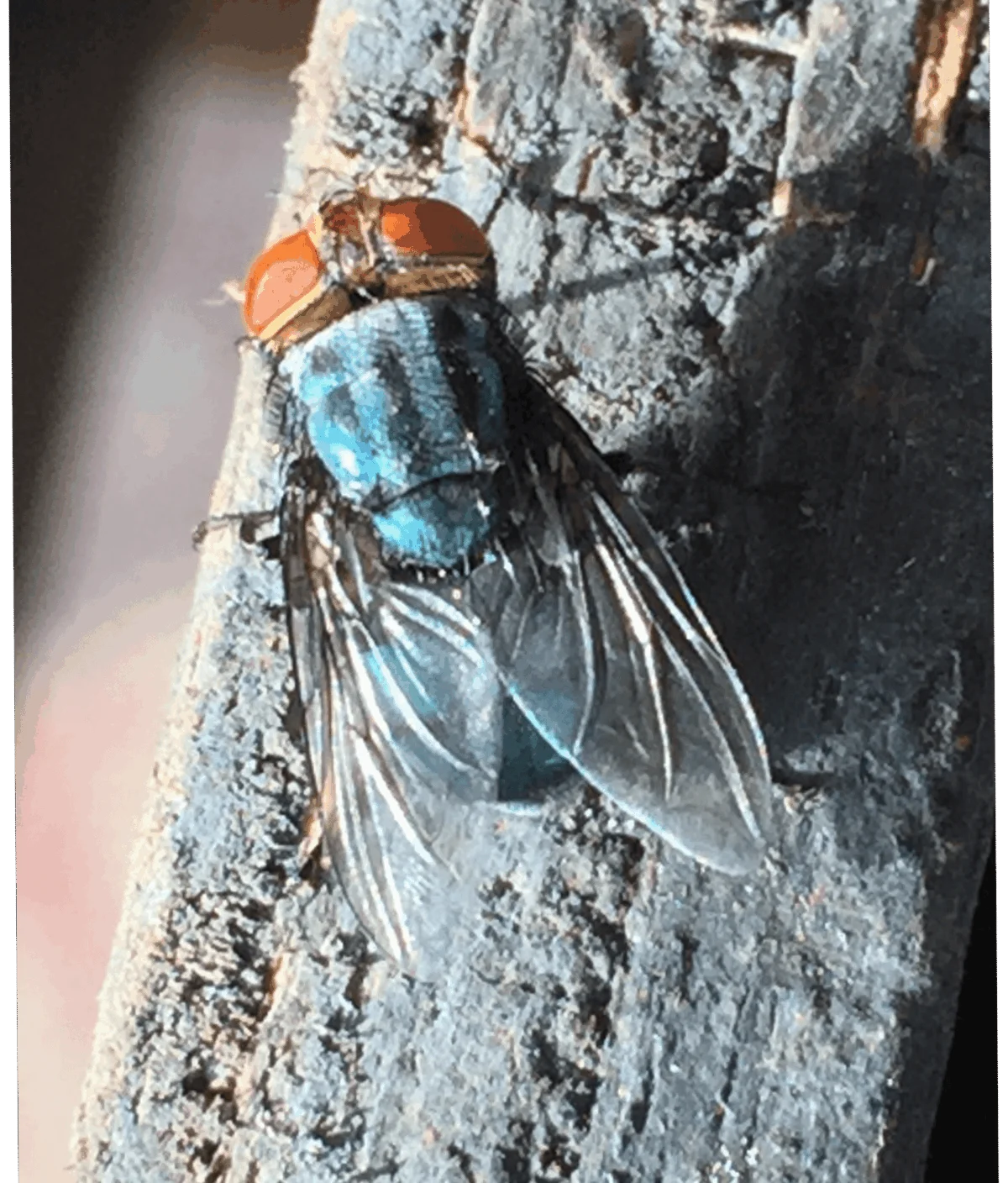
Transmission occurs primarily through the direct transfer of blood or other bodily fluids from an infected animal to a susceptible one. In temperate regions like Ontario, this is most frequently facilitated by large, blood-feeding insects, particularly horseflies (Tabanidae) and deer flies. Because these insects are interrupted during feeding, they can act as flying hypodermic needles, transferring viral particles from an infected host to a nearby healthy animal.
Additionally, human-mediated transmission remains a significant risk factor. The reuse of contaminated needles, surgical instruments, dental equipment, tattooing devices, or shared bits without proper sterilization can easily spread the virus through a stable or across facilities.
Clinical Presentation and Symptoms
While some animals—such as the Tay Valley Township case—remain completely asymptomatic carriers, others suffer acute, subacute, or chronic phases of the disease. When clinical signs do manifest, they can vary widely, often mimicking other equine ailments such as West Nile virus, equine infectious anemia variants, or general systemic infections. Typical clinical indicators include:
- High, recurring fevers
- Extreme lethargy, depression, and weakness
- Significant, rapid weight loss and muscle wasting
- Swelling (edema) of the lower legs, chest, and underline
- Weakness and lack of coordination
- Anemia, characterized by pale or yellowish (icteric) mucous membranes
- Petechial hemorrhages (tiny pinpoint bruises) inside the eyes, mouth, or under the tongue
Diagnosis via the Coggins Test
The definitive diagnostic tool for identifying EIA is the Coggins test—an agar gel immunodiffusion (AGID) test—or the more rapid enzyme-linked immunosorbent assay (ELISA). Developed by Dr. Leroy Coggins in the 1970s, these tests screen an equine’s blood serum for antibodies produced in response to the EIA virus.
Because infected horses often show no external symptoms while remaining contagious, routine testing has become the cornerstone of global disease control. In many jurisdictions, including numerous U.S. states and Canadian provinces, a negative Coggins test is legally mandated for horses entering exhibitions, sales, racetracks, or public trail systems, as well as for interstate or cross-border travel.
Management, Treatment, and Regulatory Protocols
One of the most sobering realities of Equine Infectious Anemia is the complete absence of any effective vaccine or medical cure. Once a horse tests positive, modern veterinary medicine offers no pharmaceutical intervention capable of clearing the retrovirus from its system.
Consequently, agricultural and animal health agencies enforce stringent management protocols to manage positive cases and protect the wider equine population. When a horse is diagnosed with EIA, owners generally face three regulatory options:
- Euthanasia: Considered the most definitive and safest method to eliminate the reservoir of infection, humane euthanasia prevents any accidental future transmission.
- Lifelong Strict Quarantine: For owners unable or unwilling to euthanize a positive animal, government regulations permit permanent quarantine. However, this is not a casual quarantine; the infected horse must be housed in a vector-proof facility or maintained under extremely rigorous conditions—isolated at least 200 yards away from any other non-infected equids for the remainder of its life to prevent insect-mediated transmission.
- Export: In rare instances, permanent removal of the animal to a research facility or export to a country with specific handling protocols may be considered, though this is heavily restricted.
Implications for the Local and Regional Equine Community
The detection of EIA in Tay Valley Township serves as a sharp wake-up call for horse owners across Ontario and neighboring regions. Although Ontario maintains robust animal health surveillance systems, vector-borne diseases remain notoriously difficult to eradicate entirely due to the mobility of insect populations and wildlife reservoirs.
Biosecurity Implications
Farm managers and horse owners in Lanark County and surrounding areas are being urged to immediately review and tighten their biosecurity practices. Key recommendations from veterinary epidemiologists include:
- Vector Control: Implementing aggressive fly-control measures, including the use of environmental repellents, fans in barns, removal of standing water, and proper manure management to reduce horsefly and deer fly populations.
- Strict Needle Hygiene: Eliminating the sharing of needles, syringes, and medical equipment between different animals. Every horse should have its own dedicated set of sterile equipment for vaccinations and treatments.
- Isolation of New Arrivals: Quarantining newly acquired horses or visiting equines until their health status and Coggins test verification are fully established.
- Routine Testing Schedules: Maintaining up-to-date Coggins tests for all horses, regardless of whether they cross provincial or international borders, to ensure early detection of silent carriers within local herds.
Economic and Psychological Impact
For the owner of the Tay Valley Township horse, the diagnosis carries profound personal and economic consequences. Finding that a cherished animal harbors a lifelong, incurable virus—especially when the horse appeared perfectly healthy—is emotionally devastating. Furthermore, the mandatory quarantine places logistical burdens on the farm, halting normal operations, preventing the movement of sale horses, and requiring intensive management to ensure complete biological separation of the positive animal from its stablemates.
On a broader scale, local equestrian facilities, boarding stables, and event organizers may temporarily heighten entry requirements, requesting proof of recent negative Coggins tests more rigorously than usual to safeguard their broader clientele.
Conclusion
The Tay Valley Township EIA case highlights the complex challenges facing modern equine husbandry. Diseases that hide behind a healthy exterior can easily slip past casual observation, making routine diagnostics such as the Coggins test indispensable tools for public health and agricultural protection. As local veterinary authorities continue to monitor the quarantined premises in Ontario, the incident stands as a vital reminder that constant vigilance, strict biosecurity, and a commitment to preventive health testing remain the equine community’s best defense against invisible threats.
This report incorporates verified data facilitated by the Equine Disease Communication Center (EDCC) Health Watch marketing program, supporting open-access infectious disease education across the global equine industry.