By the Travel & Lifestyle Desk
Published by GoPetFriendly News
Main Facts: The Rise of Pet-Inclusive Vanlife
Road trips remain the quintessential embodiment of adventure, a timeless ritual of freedom, wide-open horizons, and spontaneous discovery. For millions of travelers, however, a journey is only truly complete when shared with their canine companions. While traditional tent camping and full-scale recreational vehicles (RVs) have long been the default choices for road-trippers, a vibrant middle ground has captured the imagination of pet-loving explorers: the adventure campervan.
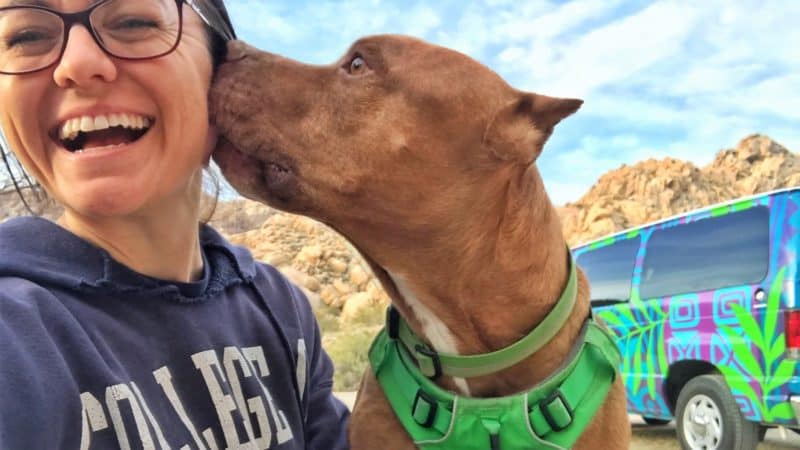
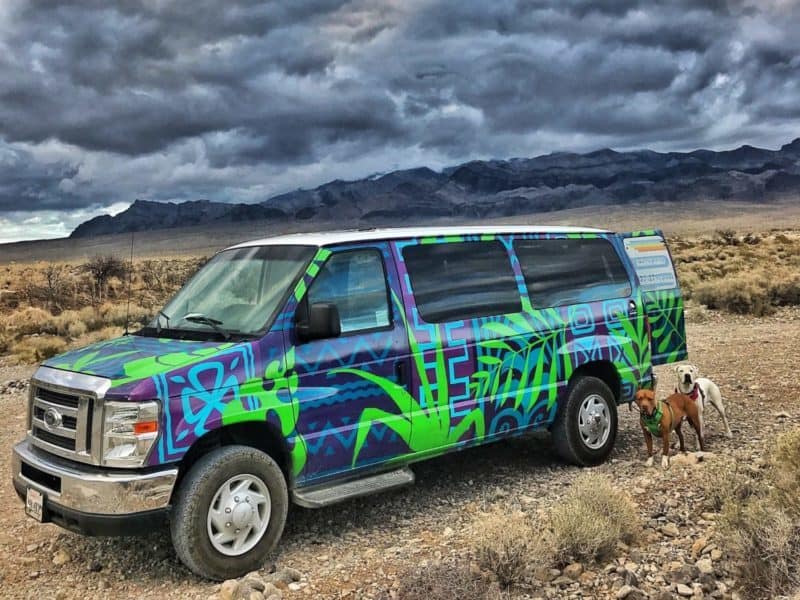
Offering significantly more comfort than a cramped tent while avoiding the cumbersome navigation, tight parking restrictions, and exorbitant fuel costs of a massive RV, campervans provide an ideal mobile basecamp. Recognizing a massive shift in consumer travel habits, a growing number of campervan rental companies now embrace pet-inclusive policies. These vehicles offer enough space for bulky outdoor gear, cozy accommodations for sleeping, and agile handling that makes traversing winding mountain passes or squeezing into urban scenic overlooks a breeze.
However, embarking on a vanlife excursion with animals requires a specialized approach. From navigating restrictive rental policies and seasonal heat bans to securing pets safely in transit and packing specialized gear for two-legged and four-legged passengers alike, preparation is the cornerstone of a successful journey.
Chronology: Planning Your Pawsome Journey from Concept to Campground
Planning a campervan trip with pets requires a structured timeline to ensure every logistical detail is addressed well before turning the ignition key.
Phase 1: 3 to 6 Months Out – Research and Booking
- Establish the Route: Determine your ultimate destination and general itinerary. Keep in mind that national parks often have strict pet regulations, whereas national forests, Bureau of Land Management (BLM) lands, and state parks frequently offer more flexible environments for dogs.
- Select the Rental Company: Investigate pet-friendly campervan rental fleets. Review breed and size restrictions, additional cleaning fees, and seasonal blackouts. (For instance, companies operating in desert regions like Phoenix often prohibit pets during peak summer months, such as July, August, and September, to prevent heat-related emergencies.)
- Veterinary Checkup: Schedule a routine health check for your pets. Ensure all vaccinations are up to date, parasite preventatives are active, and request a physical copy of health records and rabies certificates to keep in the van.
Phase 2: 1 Month Out – Gear Procurement and Safety Trials
- Safety Harness Acquisition: Invest in crash-tested dog seatbelts or harnesses. Test them in your personal vehicle first to ensure your pets are comfortable wearing them for extended periods.
- Inventory Rental Inclusions: Coordinate with the rental agency to find out what kitchenware, bedding, and camp gear are included. This prevents you from overpacking unnecessary items while highlighting gaps—such as extra blankets or familiar pet beds—that you will need to supply.
- Pack the Essentials: Gather food, collapsible bowls, waste bags, first-aid items, specialized cleaning products, and a durable outdoor mat.
Phase 3: Departure and Daily Routine on the Road
- Establish a Routine: Dogs thrive on predictability. Try to maintain consistent feeding and walking schedules even while living out of a van.
- Daily Maintenance: Incorporate a post-hike wipe-down ritual using a designated doormat (such as an old yoga mat) and pet-safe wet wipes before anyone climbs inside the living quarters.
Supporting Data: Understanding Rental Policies, Safety, and Logistics
When transitioning from standard travel to vanlife with animals, statistical and operational realities dictate how smoothly the trip will unfold. Industry insights highlight several critical areas of focus for prospective renters.
Rental Policies and Seasonal Constraints
While pet-friendly options have expanded drastically over the past decade, policies vary wildly from one provider to the next. Renters must conduct due diligence by calling companies directly rather than relying solely on website summaries.
- Size and Breed Restrictions: Some companies impose limits on weight or specific breeds, though many modern adventure van outfitters are relaxed, welcoming dogs of all shapes and sizes.
- Seasonal Blackouts: Temperature regulation inside a metal cargo van can fluctuate rapidly. Desert-based rental fleets frequently enforce strict summer bans on pets to mitigate heatstroke risks. Renters looking to travel during July and August must plan routes through higher-elevation or coastal regions where temperatures remain moderate.
In-Transit Safety Metrics
Allowing pets to roam freely inside a moving campervan is dangerous for both human and animal passengers. Sudden braking or a minor fender-bender can turn an unsecured pet into a projectile.
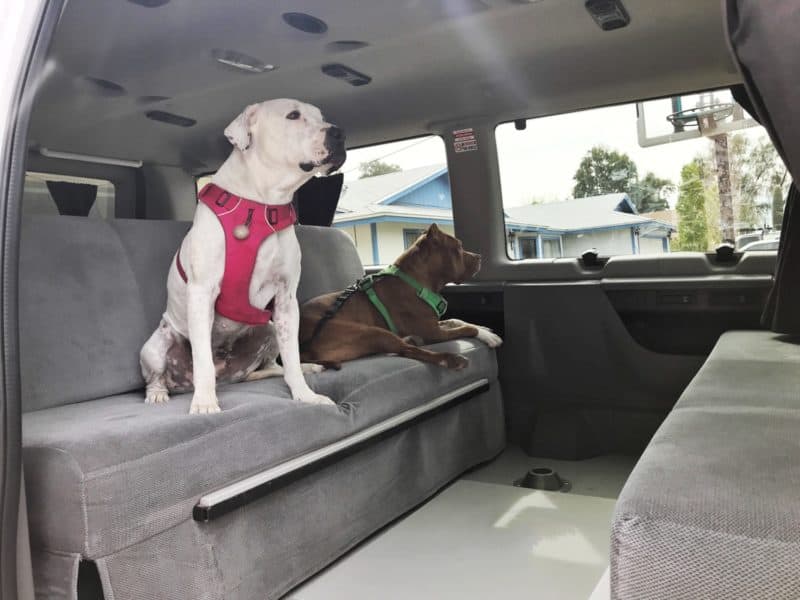
- Seatbelt Integration: Many campervans feature rear passenger benches that convert into sleeping platforms. These benches often feature standard seatbelt anchors that can be adapted for crash-tested canine harnesses.
- Spatial Constraints: Depending on the van model (such as a Ford Transit, RAM ProMaster, or Mercedes Sprinter conversion), the rear seating area can vary in width. Owners traveling with multiple medium-to-large dogs must evaluate whether the seating platform offers enough square footage for comfortable shared riding or if alternative secure crating solutions are required.
Official Responses and Industry Insights
Travel industry experts, veterinary professionals, and experienced vanlifers emphasize that bringing pets along requires balancing the romance of open-road adventure with practical safety precautions.
Veterinary Recommendations on Travel Safety
According to leading veterinary safety advocates, preventing driver distraction is just as important as protecting the animal. Pets sitting in the front cabin or attempting to climb onto the driver’s lap pose a severe accident risk.
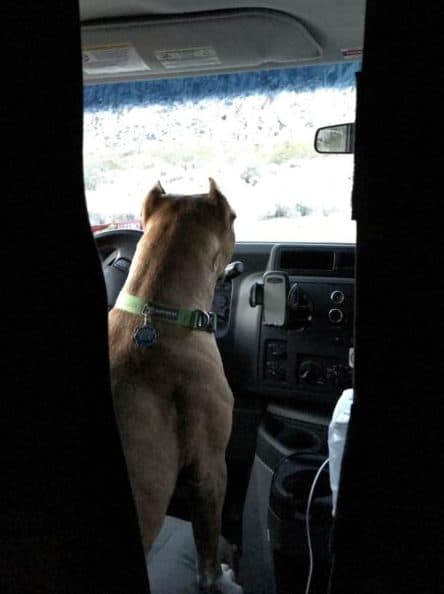
"Securing your dog in a crash-tested harness attached to a dedicated seatbelt tether is non-negotiable," notes a leading travel-veterinary consultant. "It protects your pet from sudden deceleration impacts and keeps them safely contained so the driver can focus entirely on navigation."
Outfitter Perspectives on Interior Maintenance
Campervan rental companies have largely adapted to the booming pet-travel demographic, recognizing that responsible pet owners are among their most loyal customers. However, outfitters strongly advise renters to bring comprehensive cleaning supplies.
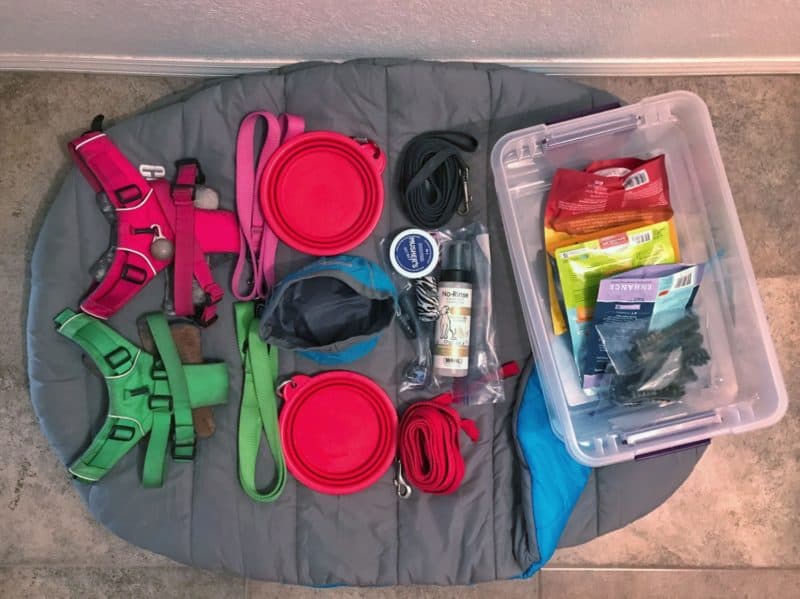
Rental agreements typically stipulate that vehicles must be returned free of excessive hair, dirt, and odors. Companies emphasize that proactive measures—such as using waterproof seat covers, packing specialized pet shampoo, and deploying easy-to-clean rubberized floor mats—ensure a smooth check-out process without unexpected cleaning surcharges.
Implications: Crafting a Sustainable and Harmonious Adventure
Choosing to rent an adventure van with your pets carries profound implications for how you experience nature, manage your time, and interact with local communities.
Enhanced Bonding and Mental Well-Being
Traveling with animals fundamentally alters the rhythm of a road trip. It forces travelers to slow down, explore local trails, and engage more deeply with the outdoors. Pets act as natural icebreakers, connecting vanlifers with fellow travelers at campgrounds, trailheads, and scenic lookouts. Furthermore, familiar comforts—such as a dog’s favorite bed or blanket placed inside the van—help reduce the anxiety animals might feel in unfamiliar environments.
Practical Trade-Offs in Tight Spaces
Living in a compact vehicle with one or more pets requires heightened organizational discipline. Storage management becomes an art form:

- Modular Storage: Utilizing small, uniform plastic storage bins (such as 15-quart containers) keeps gear secure and accessible during transit. At night, these bins can be easily shifted to the front cabin seats to clear floor space for sleeping quarters.
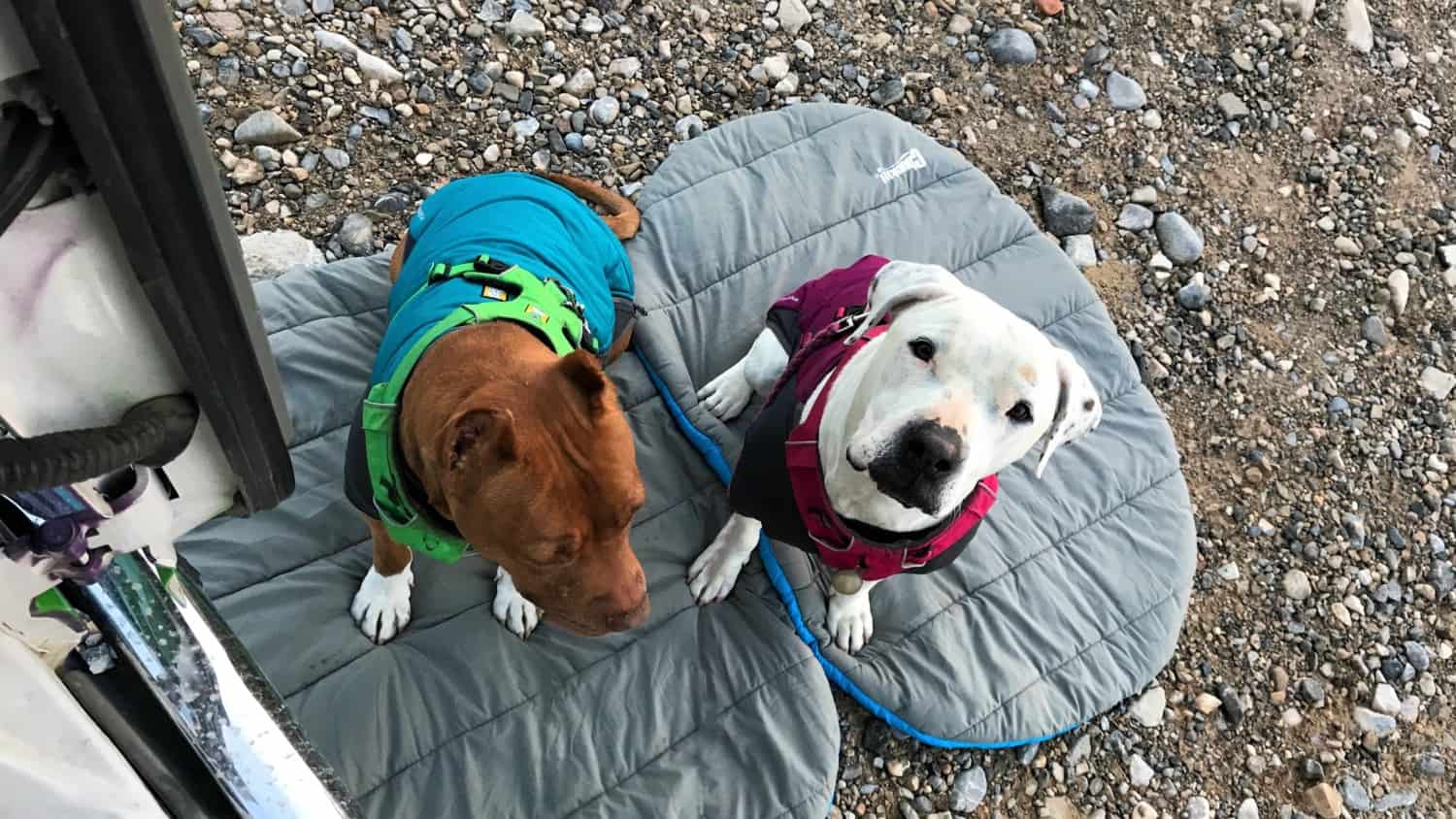
- Hygiene and Cleanliness: Small spaces accumulate dirt exponentially faster when outdoor enthusiasts and dogs share the interior. Utilizing multi-purpose items—like an old yoga mat functioning as an outdoor mudroom doormat—prevents grit from embedding in the van’s flooring while offering a comfortable spot for your pets to supervise meal preparation.
Choosing Your Campground Environment
The type of vehicle you rent directly influences where you can legally and comfortably park for the night. Depending on your preference for amenities, the landscape offers diverse options:
- State and National Park Campgrounds: Provide picturesque settings, picnic tables, and reliable facilities like flush toilets and hot showers, though pet access on specific trails may be regulated.
- Private Campgrounds: Offer luxury amenities including high-speed internet, laundry rooms, and camp stores, making them ideal for resetting during longer journeys.
- National Forests and BLM Dispersed Camping: Perfect for true boondocking enthusiasts seeking solitude, campfire rings, and boundless space for dogs to roam, albeit with minimal to no amenities.
Ultimately, renting an adventure van with your pets opens the door to a deeply rewarding style of travel. By carefully reviewing rental policies, prioritizing safety in transit, packing smart organizational gear, and selecting pet-friendly destinations—from classic state parks to historic byways like Route 66—travelers can forge unforgettable memories on the open road.