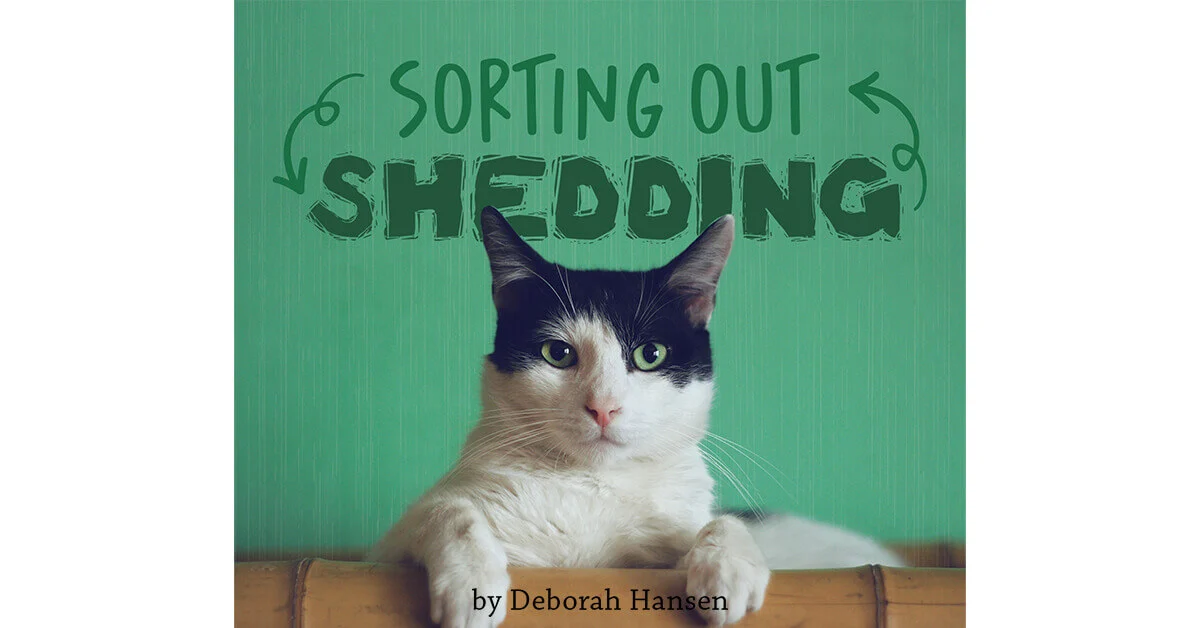
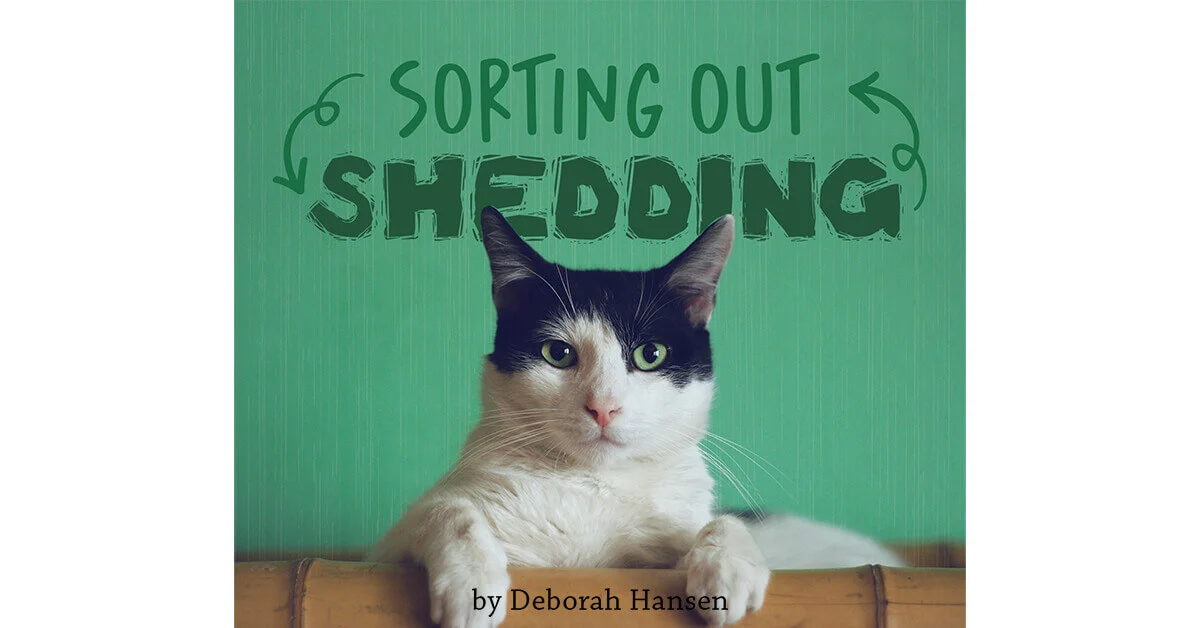
The relationship between a professional groomer and a cat owner is built on a foundation of trust, education, and mutual concern for the feline’s well-being. Perhaps no topic causes as much frustration—and misunderstanding—as the natural process of shedding. While many cat owners view shedding as a mere household nuisance, it represents a complex biological cycle that, if left unmanaged, can lead to serious health complications for the animal. By demystifying the science behind shedding and offering structured service solutions, groomers can transform from simple service providers into essential partners in feline health.
The Science of Shedding: Why Cats Lose Their Coat
To effectively manage shedding, one must first dismantle the common myths surrounding it. The most prevalent misconception is that cats shed primarily due to rising temperatures. While owners often link "lion-cut season" to the sweltering heat of summer, the biological trigger is actually photoperiodism—the number of hours of sunlight.
Photoperiodism and the Biological Clock
Cats possess an internal clock sensitive to daylight duration. As the hours of natural light increase in the spring and decrease in the autumn, the feline endocrine system receives signals to shed the old coat and grow a new one appropriate for the changing season. Humans often misattribute this to heat because our own discomfort during summer leads us to project that feeling onto our pets. However, the cat’s coat cycle is tethered to light, not temperature.
In professional grooming environments, this creates a predictable, observable cycle. Groomers often note a surge in "dead coat" volume in the trash during peak seasonal shifts. Typically, this initial surge is followed by a four-week period of increased shedding, culminating in a spike of pelting and matting cases six to eight weeks later. Recognizing this timeline allows groomers to proactively suggest appointments before the shedding becomes unmanageable.
The Role of Stress in Coat Health
Beyond natural cycles, stress serves as a significant, albeit often overlooked, catalyst for excessive shedding. Stress-induced shedding—or telogen effluvium—can be triggered by a wide array of environmental disruptions.
When a groomer receives a call from an owner complaining that their cat is shedding more heavily mere hours after a grooming session, they are likely witnessing a physiological stress response. The process of being caught, transported in a carrier, handled by a professional, and returned home can be overwhelming for a cat. However, stressors are not limited to the salon. Significant changes in the home environment, such as the introduction of a new pet, the arrival of house guests, a change in work schedules, or even moving to a new home, can trigger a sudden, systemic release of loose hair.
The Biological Reality
At its core, shedding is a fundamental mammalian process. Every hair follicle undergoes a growth cycle consisting of the anagen (growth), catagen (transitional), and telogen (resting) phases. During the resting phase, the hair eventually detaches and falls out. Because this is a continuous, cyclical process, there is no "cure" for shedding. It is an inherent trait of being a mammal. Understanding that this is a biological necessity—rather than a behavioral problem—is the first step in managing client expectations.
The Hidden Dangers: Why Shedding Must Be Addressed
While the accumulation of cat fur on upholstery and clothing is a legitimate annoyance for owners, the health risks to the feline are far more severe. The consequences of poor coat maintenance range from minor discomfort to life-threatening emergencies.
The Risk of Internal Blockages
Cats are fastidious self-groomers. They spend a significant portion of their waking hours licking their fur to keep it clean. When a cat sheds excessively, the volume of ingested hair increases dramatically. This hair travels through the digestive tract and typically meets one of three fates:
- Regurgitation: The cat vomits the hair in the form of a "hairball." While common, frequent vomiting is not "normal" and indicates an over-accumulation of ingested fur.
- Passage: The hair passes through the intestinal tract and is excreted in the feces.
- Obstruction: In more severe cases, the hair accumulates into a mass that the digestive system cannot pass. This leads to an intestinal blockage.
A full gastrointestinal blockage is a medical emergency. If left untreated, the cat will be unable to eat, drink, or pass waste, leading to a rapid decline in health. Surgery is often the only viable solution, and without intervention, these blockages are fatal.
The Progression to Pelting
When dead hair is not removed by the owner or a professional, it remains trapped within the living coat. Over time, this dead hair begins to tangle with the healthy hair, creating mats that pull tightly against the skin. If left unattended, these mats progress into "pelting"—a dense, felt-like layer of fur that essentially seals the skin. Pelting restricts airflow, traps moisture, and can cause painful skin infections. At this stage, the groomer’s role shifts from maintenance to damage control, often requiring a total shave-down to provide relief to the animal.
The Groomer’s Strategic Approach: Service and Education
Groomers have a unique opportunity to act as the first line of defense against these complications. By offering a tiered service structure, professionals can cater to the specific needs of their feline clients while simultaneously educating owners.
The "Full-Coat Groom" Standard
Professional grooming is not merely a bath; it is a clinical process of coat management. A proper "full-coat groom" involves a meticulous pre-bath comb-out, two complete shampooing sessions to ensure deep cleansing, a thorough force-drying process, and a final comb-out to remove any remaining loose hair. This process is the gold standard for maintaining coat health and preventing the buildup that leads to matting.
The frequency of these grooms depends heavily on the cat’s coat density and genetics. Some short-haired exotics with dense, fine coats may require a groom every two weeks to stay ahead of the shedding curve, while others may comfortably go up to ten weeks.
Specialized De-Shedding Services
For clients with high-shedding cats, a "full-coat groom" may be supplemented with a dedicated de-shedding treatment. Many professionals utilize high-velocity suction systems that, when combined with specialized tools, remove the undercoat far more efficiently than standard brushing.
To demonstrate the value of this service, many successful groomers use visual evidence. By photographing the pile of hair removed via manual brushing alongside the pile removed by the vacuum system, groomers can provide clients with concrete proof of the service’s effectiveness. This visual aid turns an abstract concept into a tangible benefit, which is crucial for client retention.
The Role of the Lion Cut
The "lion cut" is frequently misunderstood as a purely aesthetic choice. In reality, it is a functional tool for managing severe shedding and preventing recurring health issues. For cats prone to internal blockages or those with extreme sensitivity to coat maintenance, a lion cut scheduled every four to six weeks can be a lifesaver. It is vital, however, that the groomer ensures the owner understands that even a shorn cat will continue to shed at a microscopic level; the lion cut simply removes the volume of hair that would otherwise be ingested.
Implications for the Industry
The professional grooming industry is shifting toward a model of preventative health. As owners become more educated about the dangers of hair ingestion and the complexity of the feline hair cycle, they are increasingly seeking out groomers who act as consultants rather than just laborers.
Professional Advocacy
Groomers should always encourage owners to consult with their veterinarians if they notice sudden, localized, or patchy hair loss. While stress and photoperiodism are the primary culprits for general shedding, medical issues like hormonal imbalances, parasites, or nutritional deficiencies can also cause coat changes. A collaborative relationship between the groomer and the veterinarian is the best way to ensure the long-term health of the feline.
Building Trust Through Education
The key to a successful grooming business lies in the ability to explain the "why" behind the "what." When a groomer can articulate why a cat is shedding, why a specific service is necessary, and what the risks of inaction are, they establish themselves as an expert. This professionalism fosters trust, which in turn leads to consistent bookings and higher client satisfaction.
In conclusion, shedding is far more than a vacuuming chore; it is a multifaceted aspect of feline biology that requires professional intervention. By combining rigorous grooming standards, specialized de-shedding techniques, and a commitment to client education, groomers can ensure that their feline clients live comfortable, healthy lives, while owners enjoy a home free from the frustrations of excessive fur. The ultimate goal is to move from reactive grooming to proactive care, creating a standard of excellence that benefits the cat, the client, and the industry at large.