In the rhythm of rural farm life, challenges are rarely singular; they tend to arrive in waves. For renowned animal behaviorist and author Patricia McConnell, the early months of 2026 have presented a unique convergence of personal health setbacks and the professional pressures of a major literary launch. Yet, amidst the physical pain of chronic injury and the sub-zero temperatures of a Wisconsin winter, the focus remains grounded in a core philosophy: the transformative power of play—not just for our canine companions, but as a fundamental necessity for all living beings.
The Challenge of Physical Limitation
The primary disruption to McConnell’s workflow is a diagnosis of de Quervain’s Tenosynovitis, a painful condition affecting the tendons on the thumb side of the wrist. Described by the author as "two pissed-off tendons squeezed inside of a vice," the condition has necessitated a strict regimen of immobilization.
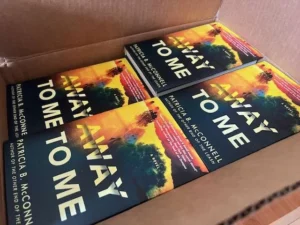
The implications for a professional writer are significant. Typing has become an exercise in agony, and manual handwriting has devolved into what McConnell humorously describes as "graphic designs suitable for a museum of modern art." With a book tour for her upcoming novel, Away To Me, rapidly approaching in Wisconsin and Texas, the author is currently navigating the paradox of needing to promote a career-defining project while physically unable to sign the very books she is championing. Efforts to train her left hand to replicate her signature are, by her own admission, a work in progress.
![The Evolution of Play [revisited]](https://www.patriciamcconnell.com/wp-content/uploads/2026/01/IMG_1061-1.jpeg)
Chronology: The Evolution of Canine Dynamics
To bridge the gap in her current writing schedule, McConnell has revisited a seminal case study from her own household: the integration of her dogs, Skip and Maggie. This historical account serves as a masterclass in behavioral management and the long-term success of positive reinforcement.
The "Linebacker" Phase
When Skip first joined the household in 2020, he arrived with a high-octane, unrefined play style. McConnell likened him to a "freight train of power and muscle," prone to aggressive hip-slamming and an utter lack of social nuance. Maggie, previously accustomed to more delicate, agile play, initially found herself overwhelmed. The early months were characterized by a steady decline in Maggie’s confidence, as she began to withdraw rather than engage.
The Turning Point and Recovery
The situation grew more complex in April 2020 when Skip suffered a significant back leg injury, forcing a two-month hiatus from play. Upon his return, the dynamic had shifted; Maggie had developed a trauma-based aversion to the very hill where they once played.
![The Evolution of Play [revisited]](http://www.patriciamcconnell.com/wp-content/uploads/2026/01/IMG_1102.jpeg)
McConnell’s intervention strategy was meticulous:
- Observation: Recognizing the subtle cues of nervousness in Maggie before they escalated into full-blown anxiety.
- Protection: Implementing strict management, including leash work and immediate recalls to prevent Skip from "running roughshod" over his companion.
- Redirection: Utilizing toys as a focal point, which allowed Maggie to use her superior speed and agility to control the engagement.
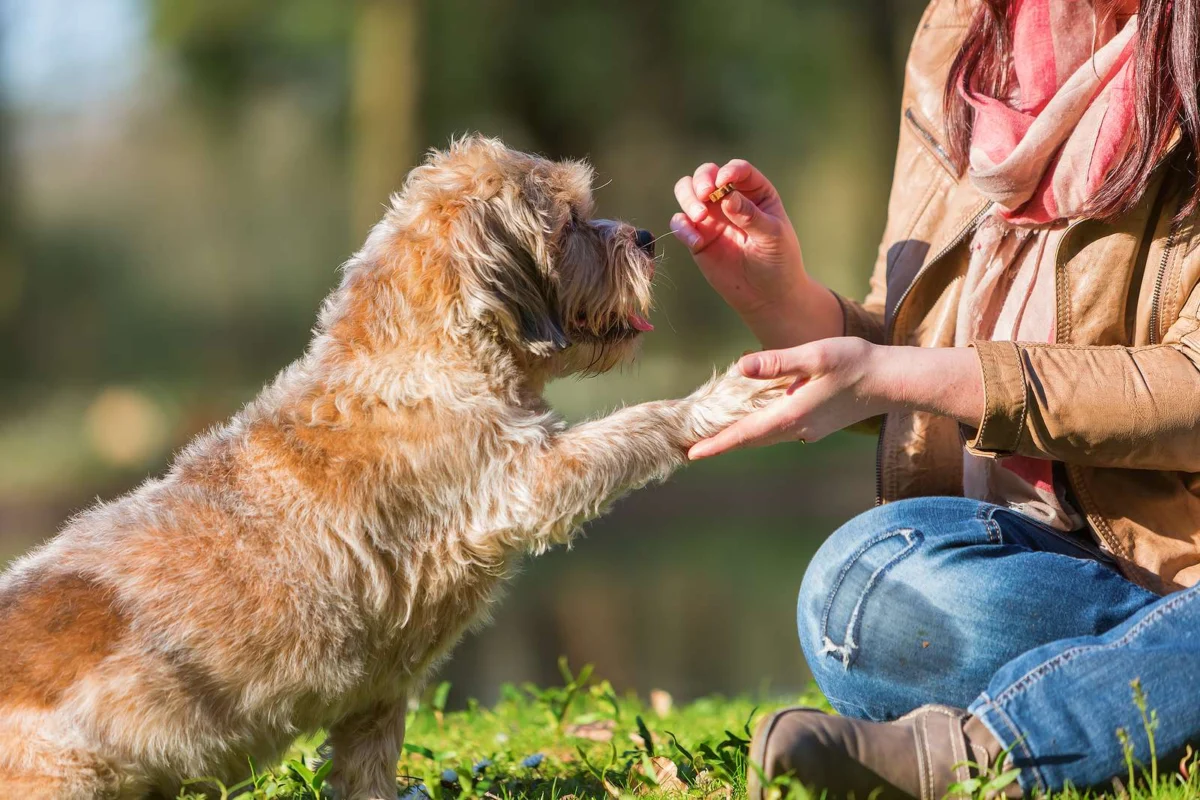
- Gradual Reconditioning: Through a patient, six-to-eight-week process of positive reinforcement—using treats to rebuild positive associations—McConnell successfully helped Maggie reclaim her confidence and her love for their shared environment.
Supporting Data: The Science of Play
McConnell emphasizes that play is far from a frivolous activity; it is a pillar of mental health, physical fitness, and social cohesion. Drawing from her professional expertise—specifically her co-authored work Play Together, Stay Together—she posits that healthy play requires "self-handicapping." This is the process by which a stronger or more dominant individual deliberately moderates their strength to ensure the partner remains engaged and safe.
The success of the Skip-and-Maggie dynamic is supported by the following behavioral milestones:
![The Evolution of Play [revisited]](https://www.patriciamcconnell.com/wp-content/uploads/2021/02/IMG_5898.jpeg)
- Self-Correction: Skip eventually learned that "over-the-top" play resulted in the immediate cessation of the activity, a natural consequence that taught him to moderate his energy.
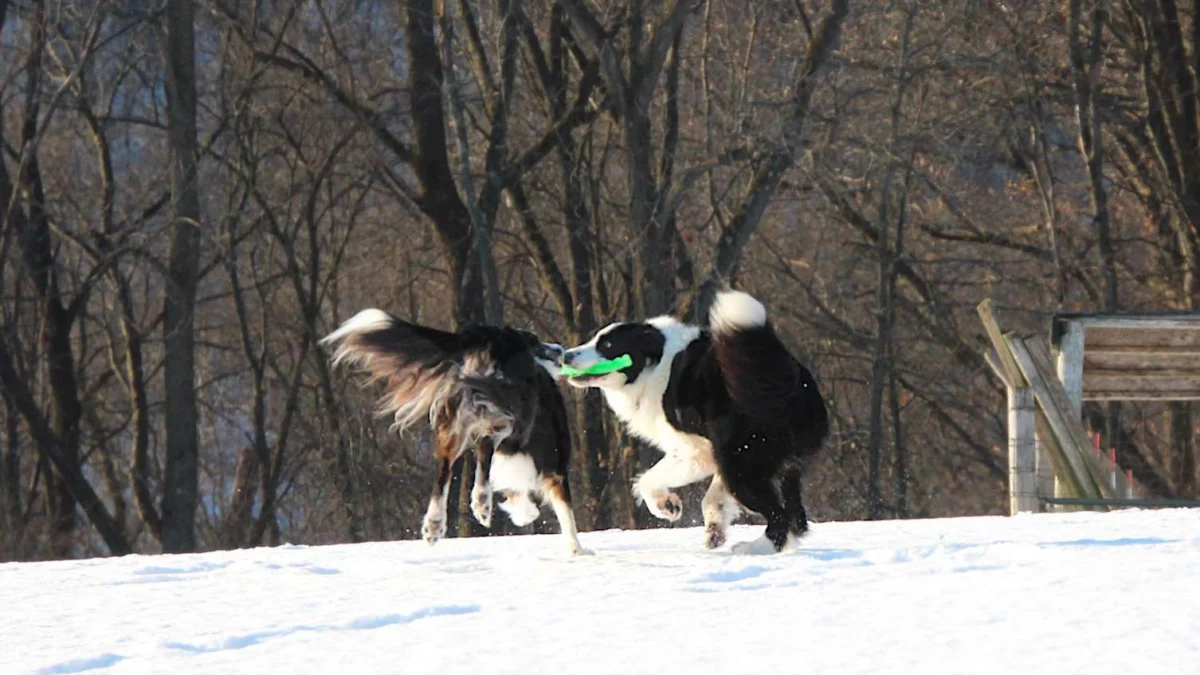
- Engagement vs. Dominance: The transition from full-body slamming to tug-of-war games allowed both dogs to participate on equal footing, utilizing their respective strengths.
- External Validation: The ongoing, harmonious play sessions seen in 2026 serve as a longitudinal validation of the efficacy of these early management techniques.
Official Perspectives and Expert Resources
McConnell acknowledges that while many resources exist to identify "problematic play," there is a distinct lack of actionable literature on how to resolve it. To assist pet owners facing similar hurdles, she recommends a multi-faceted approach to education:
- Professional Seminars: Her own "Dog Play" instructional series focuses on visual identification of play styles.
- Behavioral Literature: She highlights Dr. Sophia Yin’s educational resources as a gold standard for understanding canine body language.
- Community Engagement: Recent additions to the discussion include Jean Donaldson’s Fight!, a practical guide for addressing more severe dog-to-dog aggression, reflecting a growing industry consensus on proactive management.
Environmental Implications: Winter on the Farm
Beyond the medical and behavioral realms, the 2026 winter has been a test of environmental endurance. With temperatures plunging to -16°F and windchills reaching -40°F, the logistical reality of maintaining a farm becomes a full-time occupation.
McConnell details the necessity of high-performance gear—ranging from lined boots with traction aids to thermal base layers—to manage basic daily chores. The impact on the animals is equally acute. Skip, in particular, struggled with the sudden onset of extreme cold, requiring the use of PawsZ rubber booties stuffed with barn wool to protect his paws from the freezing ground. This anecdote highlights the vulnerability of domestic animals to rapid climate shifts and the necessity of human intervention to ensure their welfare.
![The Evolution of Play [revisited]](http://www.patriciamcconnell.com/wp-content/uploads/2026/01/IMG_1088-1.jpeg)
Implications and Future Outlook
As the spring season approaches, the focus for the household remains twofold: the promotion of Away To Me and the continued rehabilitation of the author’s hand.
The juxtaposition of these two realities—a thriving, playful dog duo and a physically limited author—serves as a poignant reminder of the ebb and flow of life. For those following the book’s release, the upcoming tour in Wisconsin and Texas represents a significant milestone, despite the logistical hurdles.
Key Takeaways for Pet Owners:
- Proactivity is Key: Do not wait for a conflict to escalate; manage the environment and the intensity of play before it becomes a habit.
- Trauma is Real: Animals, like humans, can form negative associations with specific locations or triggers. Patience and incremental reconditioning are the only reliable paths to recovery.
- Resilience is Circular: The author notes that her current physical struggles are trivial compared to the challenges faced by others, yet she finds perspective in the simple joy of watching her dogs play.
The story of Skip and Maggie is more than a training success; it is a testament to the idea that with enough observation, protection, and redirection, even the most difficult dynamics can be transformed into a harmonious partnership. As McConnell prepares to step into the public eye for her book launch, the lesson from her farm is clear: whether dealing with a stubborn tendon or a rambunctious puppy, the solution often lies in persistence, adaptation, and the ability to recognize the value of play as a vital form of therapy.
![The Evolution of Play [revisited]](http://www.patriciamcconnell.com/wp-content/uploads/2026/01/IMG_1091.jpeg)
For those interested in supporting her work, copies of Away To Me are currently available for pre-order, with signed copies remaining for those unable to attend the live events. In the meantime, the author continues to model the very resilience she teaches, finding balance in the quiet, snowy fields of her home.