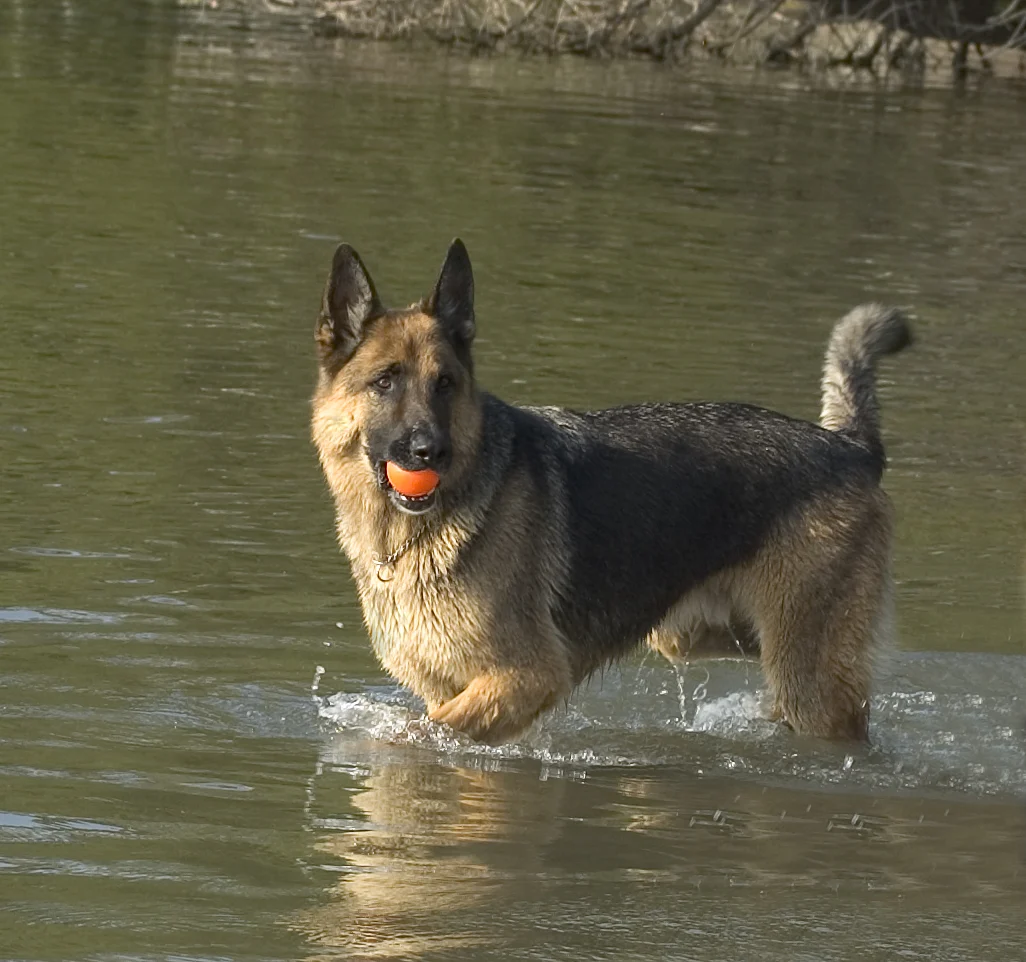
Vacations are universally acknowledged as a time to unwind, yet the modern travel landscape often presents a paradox: crowded resorts, stringent pet restrictions, and the stress of arranging professional boarding can quickly transform a relaxing getaway into an exercise in logistics. For the growing demographic of travelers who refuse to leave their four-legged companions behind, the quest for a genuinely tranquil escape requires looking beyond standard tourist traps.
To help pet owners navigate this challenge, travel experts have compiled a curated list of nine exceptional, crowd-free destinations across the United States. These locations offer expansive natural beauty, welcoming local cultures, and accommodating lodging options, ensuring that both human and animal travelers can enjoy a seamless, rejuvenating journey.
Main Facts: Redefining Travel with Your Companion
The modern pet tourism sector has expanded significantly, driven by a cultural shift that treats pets not merely as animals, but as integral family members. However, mainstream travel destinations—particularly national parks and famous coastal resorts—frequently enforce strict regulations that limit pet access to parking lots and paved walkways.
The core premise of the newly released travel guide is simple: by steering clear of heavily commercialized tourist hubs, travelers can unlock vast wilderness areas, historical towns, and coastal retreats that embrace dogs and cats alike. The featured locations span from the sweeping deserts of West Texas to the rugged coasts of the Pacific Northwest, providing a comprehensive blueprint for road trips, outdoor exploration, and quiet retreats.

Crucially, these destinations were selected based on three primary criteria:
- Low Population Density / Minimal Crowds: Locations that require a deliberate effort to reach, thereby naturally weeding out mass tourism.
- High Pet-Friendliness: Areas featuring lenient leash rules on dirt roads, pet-welcoming hiking trails, public transit systems that accommodate pets (such as ferries), or dedicated canine-centric attractions.
- Diverse Lodging Infrastructure: The presence of nearby campgrounds, pet-friendly vacation rentals, or hotels with reasonable weight limits and fee structures.
Chronology and Evolution of Pet-Inclusive Tourism
The landscape of pet travel has evolved markedly over the past few decades, transitioning from a niche challenge into a major component of the domestic tourism market.
- Early 20th Century: Travel with animals was largely utilitarian or restricted by the lack of flexible lodging. Historical sites such as Fort Worden in Washington or the sprawling rail-and-trail networks were designed without leisure pet travel in mind.
- Late 20th Century: Grassroots movements and visionary creators began carving out spaces specifically for animals. A notable milestone occurred when artists Stephen and Gwen Huneck established Dog Mountain in St. Johnsbury, Vermont, transforming private acreage into a public, off-leash sanctuary for dogs and their owners.
- 21st Century (Present Day): Public land management and private hospitality sectors have progressively adapted. While major national parks like Zion, Bryce Canyon, and Yellowstone maintain strict preservation boundaries that exclude pets from backcountry trails, surrounding regions—such as Dixie National Forest, Paradise Valley, and the Hudson Valley—have stepped up to capture the pet-travel market, offering expansive trail networks and specialized resort amenities.
Supporting Data: Exploring the Nine Destinations
A closer examination of the nine featured locations reveals the unique geographical and logistical advantages each offers to travelers and their pets.
1. Big Bend, Texas
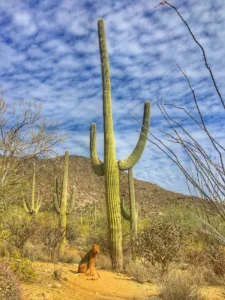
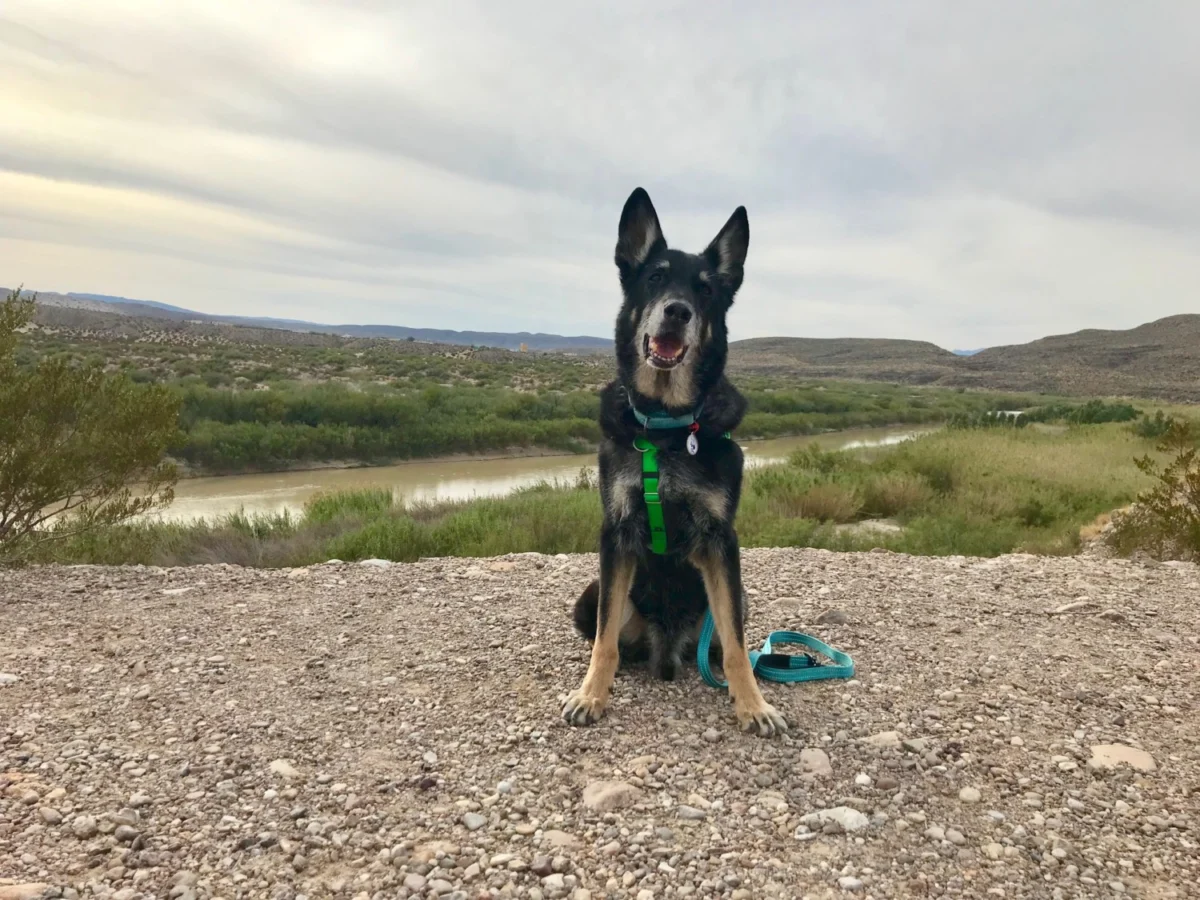
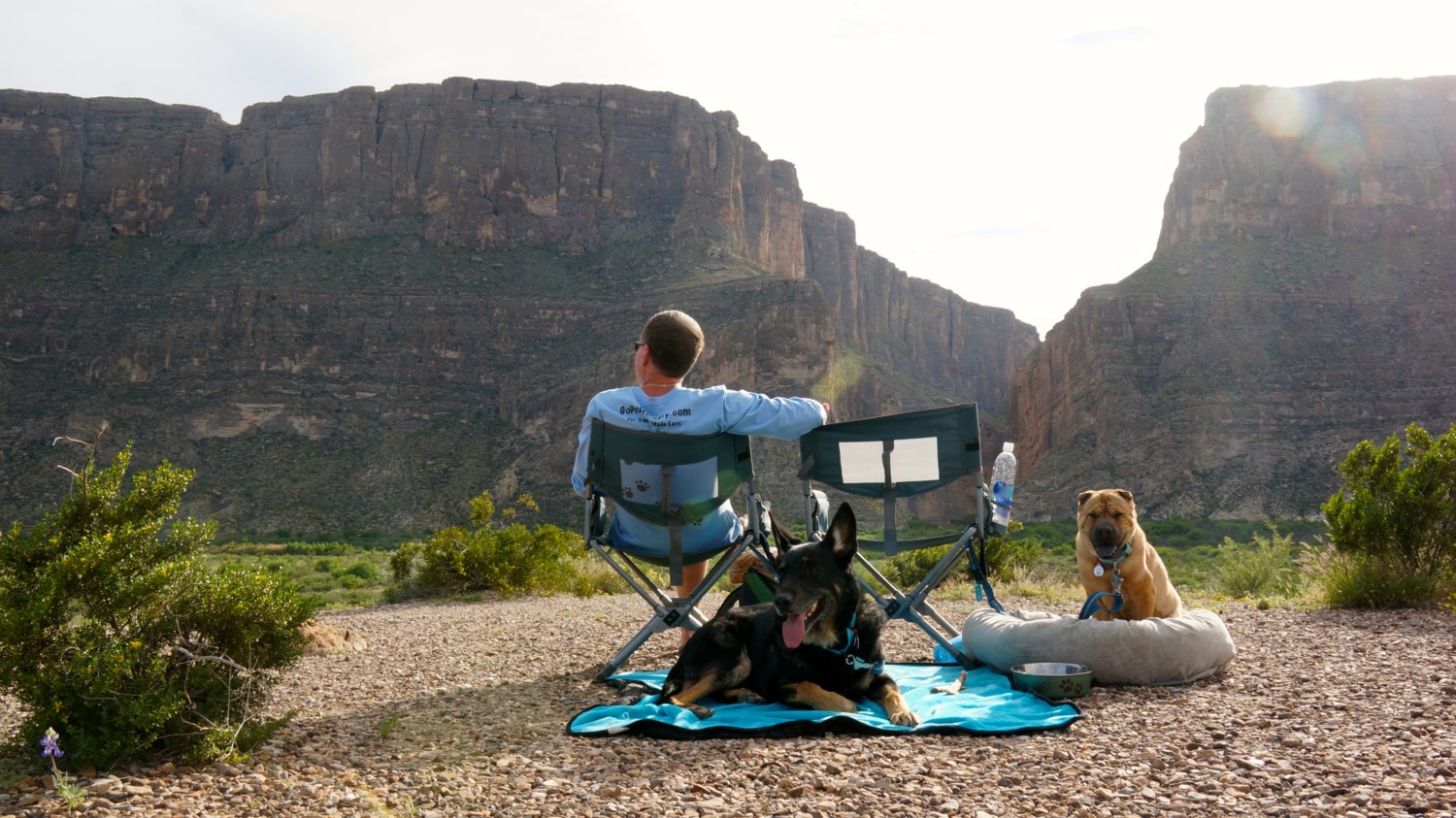
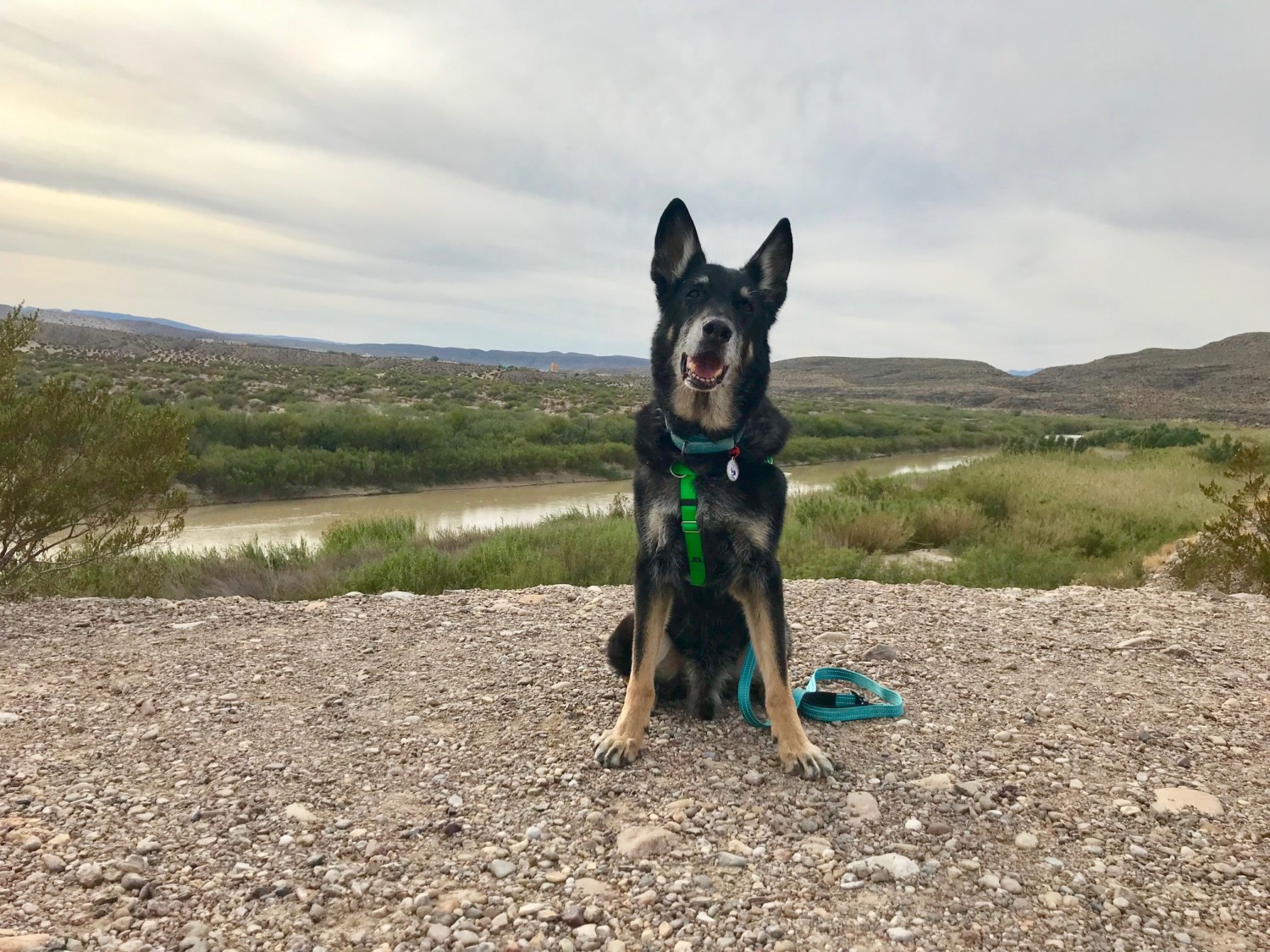
Situated in the remote expanse of far west Texas, Big Bend is geographically isolated, ensuring a peaceful atmosphere. While Big Bend National Park restricts pets from its trails, rivers, and backcountry, leashed dogs are permitted on the park’s network of more than 200 miles of low-traffic dirt roads. Visitors can also enjoy scenic drives along the Rio Grande toward Presidio, jeep excursions, and stays at pet-friendly campsites, Airbnbs, and hotels in nearby Terlingua.
2. Dixie National Forest, Southern Utah
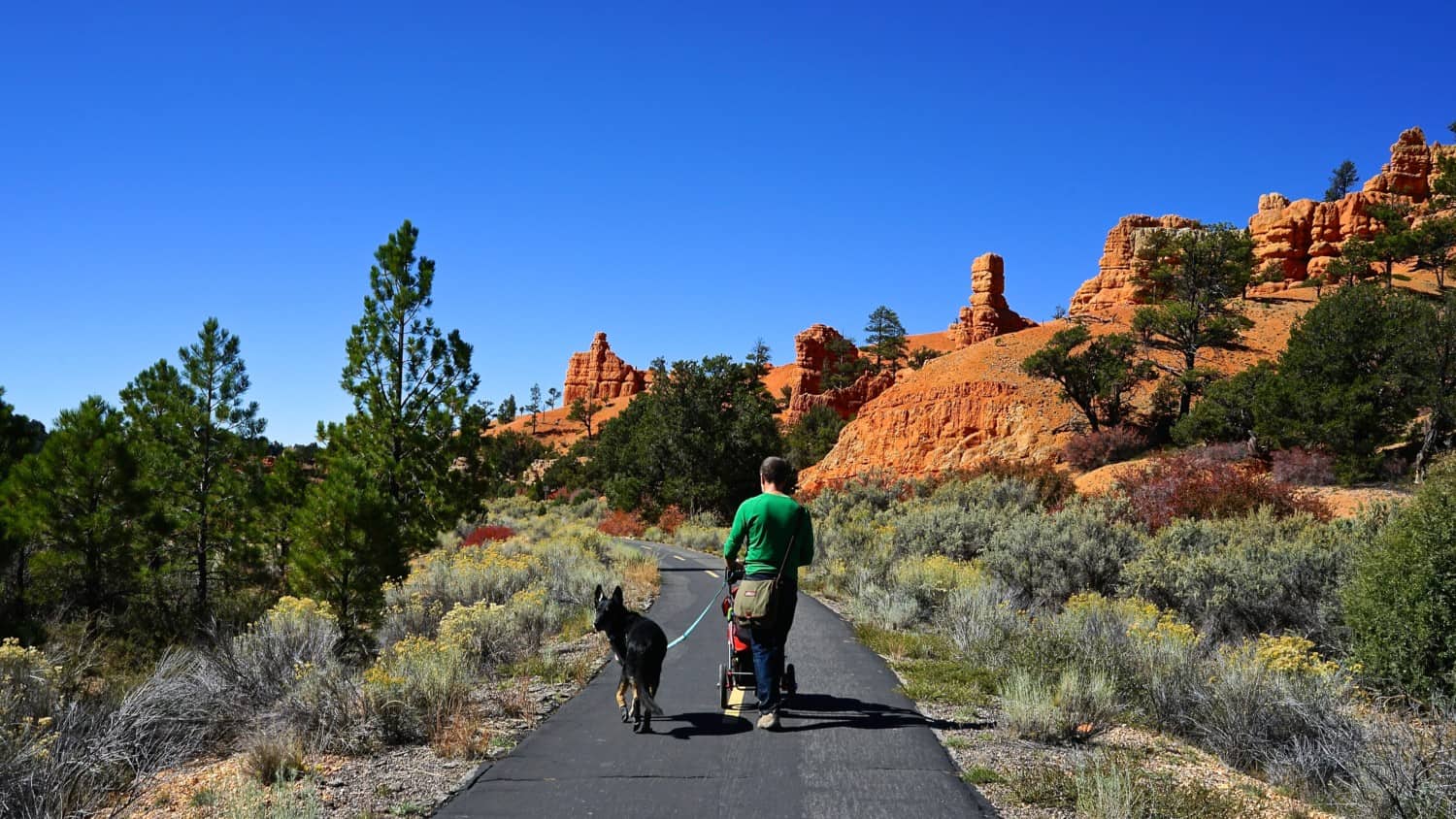
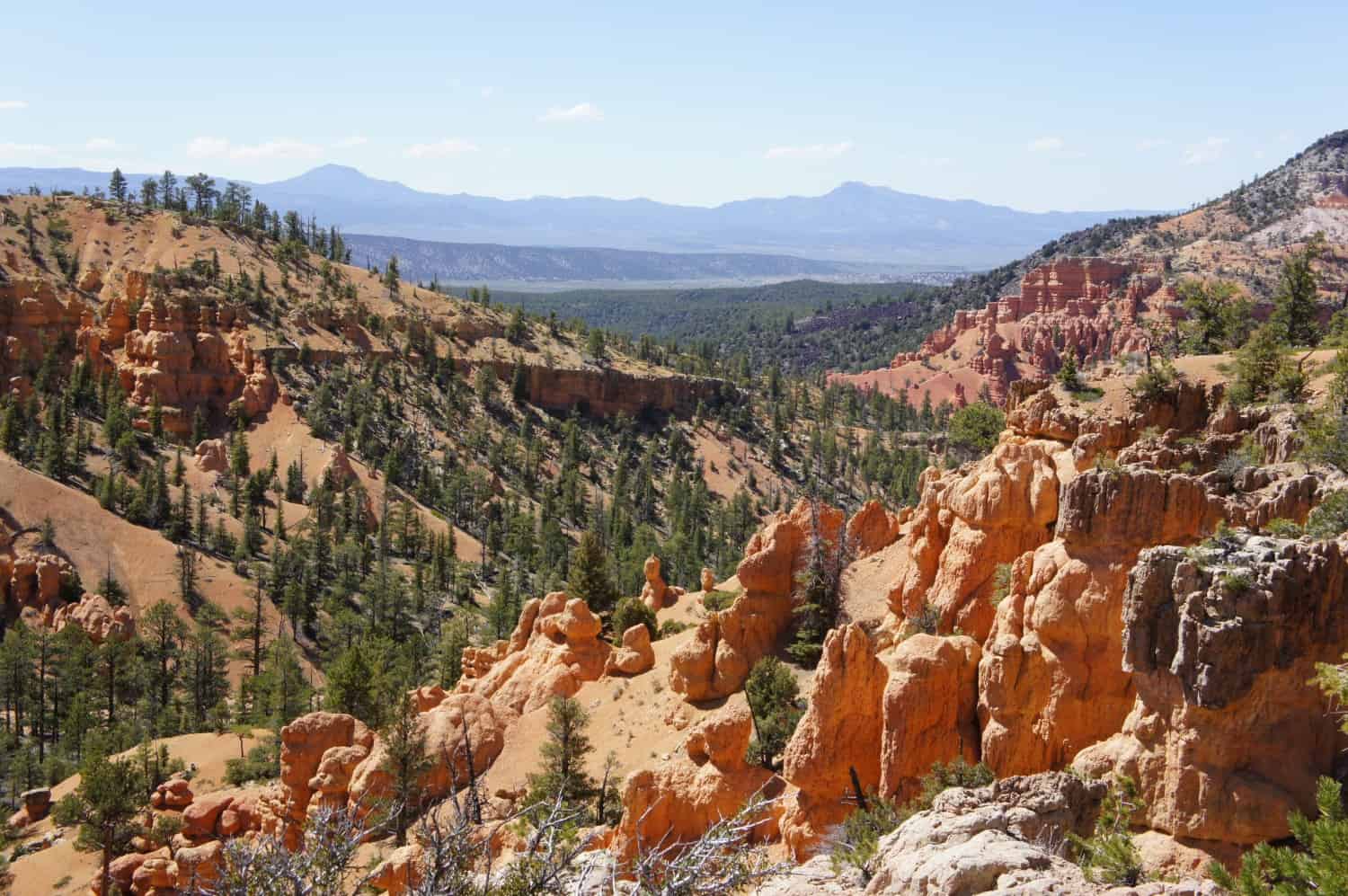
Spanning nearly 2 million acres, Dixie National Forest serves as the premier pet-friendly alternative to Utah’s heavily restricted national parks (Zion and Bryce Canyon). The forest boasts 1,600 miles of trails—including the striking five-mile Red Canyon Trail winding through red-rock hoodoos—along with hundreds of miles of scenic drives. Seasonal campgrounds operate from May through September, while the nearby town of Panguitch offers year-round pet-friendly lodging.
3. Florence, Oregon
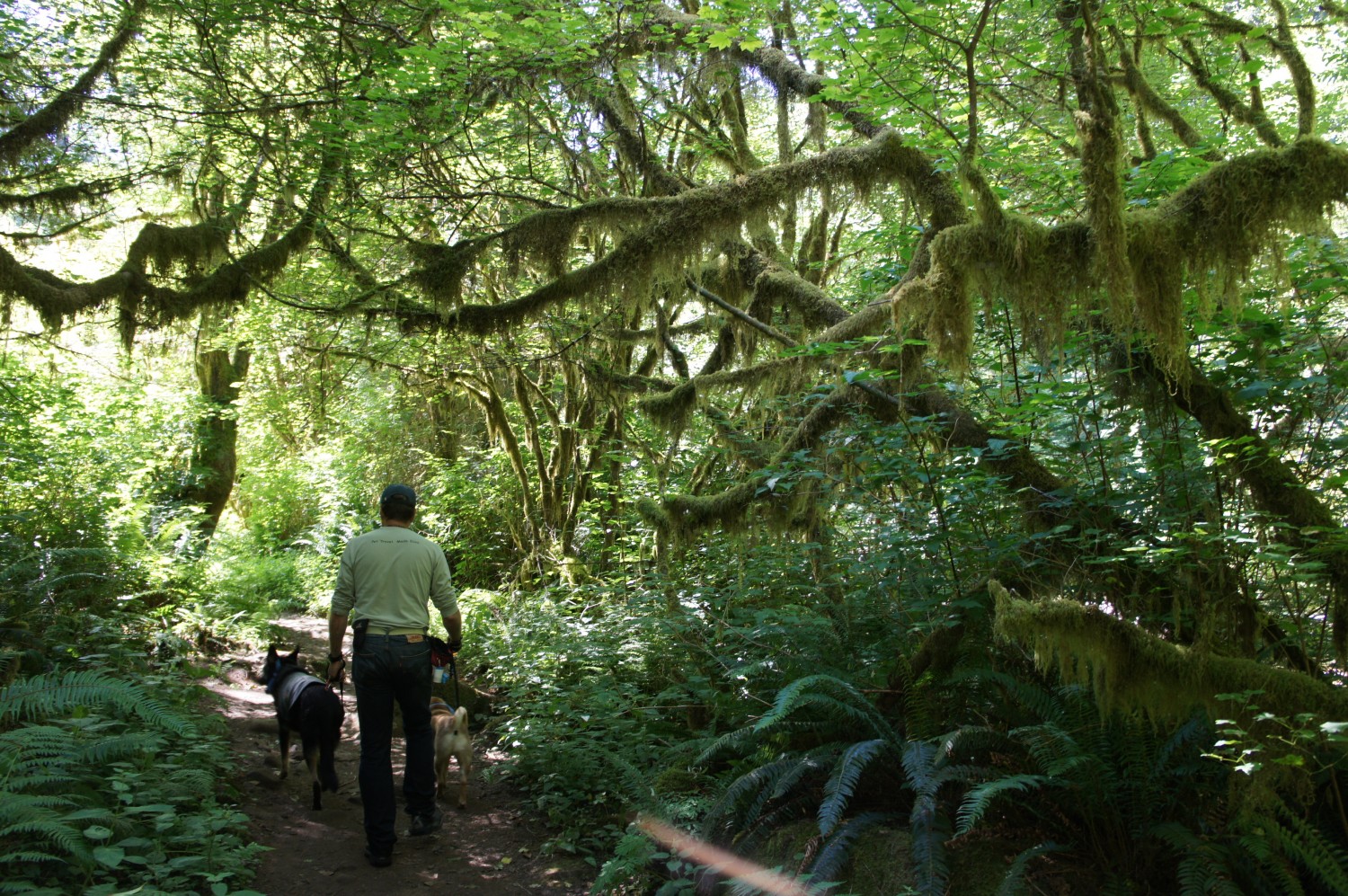
Combining coastal charm with a relaxed pace, Florence offers access to the Oregon Dunes, the Siuslaw River (ideal for kayaking alongside otters), and the Siuslaw National Forest. Cape Perpetua features 26 miles of pet-friendly trails leading to an 800-foot overlook with panoramic coastal views. Accommodation options range from vacation properties to the Best Western Plus Pier Point Inn, which accommodates two pets (up to 80 pounds each) per room.
4. Fort Worden State Park (Port Townsend, Washington)
Overlooking the Puget Sound on the Olympic Peninsula, this former 433-acre military base features 12 miles of pet-friendly trails winding past historic bunkers and gun batteries. Visitors can also explore two miles of sandy beaches or launch watercraft from park ramps. For accommodations, the park offers campgrounds and five meticulously restored Victorian officer barracks units that welcome pets, all just minutes from the historic fishing village of Port Townsend.
5. Hudson Valley, New York
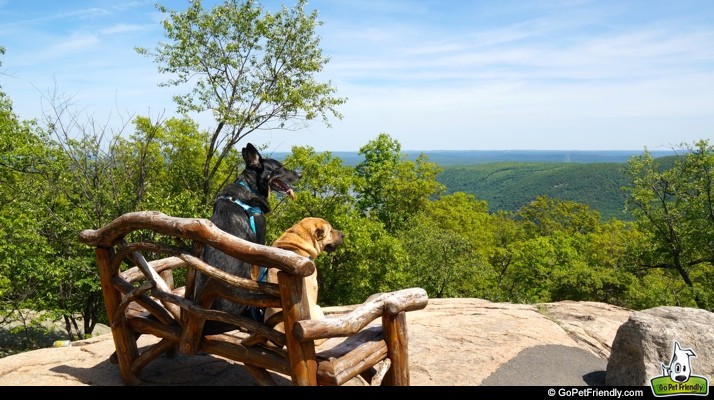
Located just 90 minutes north of Manhattan, the Hudson Valley offers rolling hills, historic villages, and dramatic river views. Highlights include Bear Mountain State Park—where hikers can access the scenic stone stairs of the Appalachian Trail—and the culturally rich grounds of Sleepy Hollow. Towns such as Kingston, Newburgh, and Tarrytown feature an array of pet-friendly hotels, bed-and-breakfasts, and campgrounds.
6. Mackinac Island, Michigan
Prohibiting personal automobiles since 1898, Mackinac Island in Lake Huron is a pedestrian- and pet-friendly paradise. Reached via a 15-minute ferry ride, 80 percent of the island is preserved within Mackinac Island State Park. Pets are welcomed on ferries, horse-drawn taxis, and bike rentals. Upscale lodging options like Mission Point Resort, Park Place Suites, and Sunset Condos accommodate pets with varying weight-based fee structures.
7. Natchez Trace, Tennessee to Mississippi
Stretching 444 miles from Nashville to Natchez, the Natchez Trace Parkway provides a tranquil, billboard-free driving experience. The route features 28 pet-friendly hiking trails, interpretive historical sites, and diverse botanical displays spanning cypress swamps and dense forests. While overnight stays directly on the Trace are limited to primitive campgrounds, numerous pet-friendly hotels are accessible in towns located just off the corridor.
8. Paradise Valley, Montana
Positioned just outside the bustling borders of Yellowstone National Park, Paradise Valley provides the dramatic mountain scenery and wildlife-viewing opportunities of the region without the overwhelming crowds. The Yellowstone River offers world-class fly-fishing access, while the adjacent Gallatin National Forest provides expansive, pet-friendly hiking trails. Campgrounds and pet-friendly hotels are readily available in Gardiner, Livingston, and nearby Bozeman.
9. St. Johnsbury, Vermont
Hailed as a cultural touchstone for dog lovers, St. Johnsbury is home to Dog Mountain—a 150-acre off-leash park featuring hiking trails, a pond, an art gallery, and a historic dog chapel adorned with personal tributes from pet owners worldwide. Positioned between the Green and White Mountains, the town serves as an ideal base camp for regional exploration, with local properties like the Fairbanks Inn offering pet-friendly accommodations.

Official Responses and Conservation Perspectives
Land managers and tourism boards increasingly emphasize the importance of responsible stewardship when visiting natural reserves with pets.
National Park Service representatives frequently remind travelers that restrictions in places like Big Bend or Yellowstone are implemented primarily for wildlife protection and pet safety. Local conservation groups in areas such as Dixie National Forest and the Hudson Valley urge visitors to adhere strictly to "Leave No Trace" principles. This includes packing out pet waste, keeping animals on leashes where mandated to protect ground-nesting wildlife, and remaining mindful of local weather conditions, such as desert heat in Texas or sudden alpine temperature drops in Montana.

Hospitality leaders in emerging pet-friendly markets have similarly voiced enthusiasm for the trend. Resort operators note that clear, reasonable pet policies—such as transparent weight limits and dedicated outdoor relief areas—foster strong brand loyalty among traveling pet owners who view their animals as valued companions rather than logistical afterthoughts.
Implications for the Future of Domestic Travel
The rising popularity of off-the-beaten-path, pet-friendly travel carries several important implications for the tourism industry and local economies:

- Economic Diversification: Rural communities situated near national forests, state parks, and scenic parkways are experiencing steady economic revitalization as travelers seek alternatives to overcrowded urban and coastal hubs.
- Infrastructure Adaptation: Hotels, vacation rental platforms, and public transit systems are facing mounting pressure to modernize their infrastructure, updating pet policies to accommodate a broader range of animals and larger weight limits.
- Mindful Exploration: By dispersing travelers across less-visited regions like Paradise Valley, the Hudson Valley, and the Natchez Trace, pet tourism inadvertently relieves ecological pressure on overburdened national parks, promoting a more sustainable model of domestic exploration.
Ultimately, these nine destinations demonstrate that travelers no longer need to compromise between experiencing America’s most breathtaking landscapes and sharing those moments with their best animal friends.