By Paige K Parsons
Published by the House Rabbit Society
Main Facts: The Growing Burden on Rescue Organizations
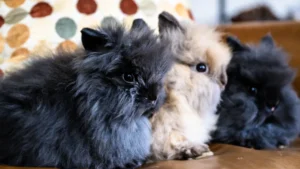
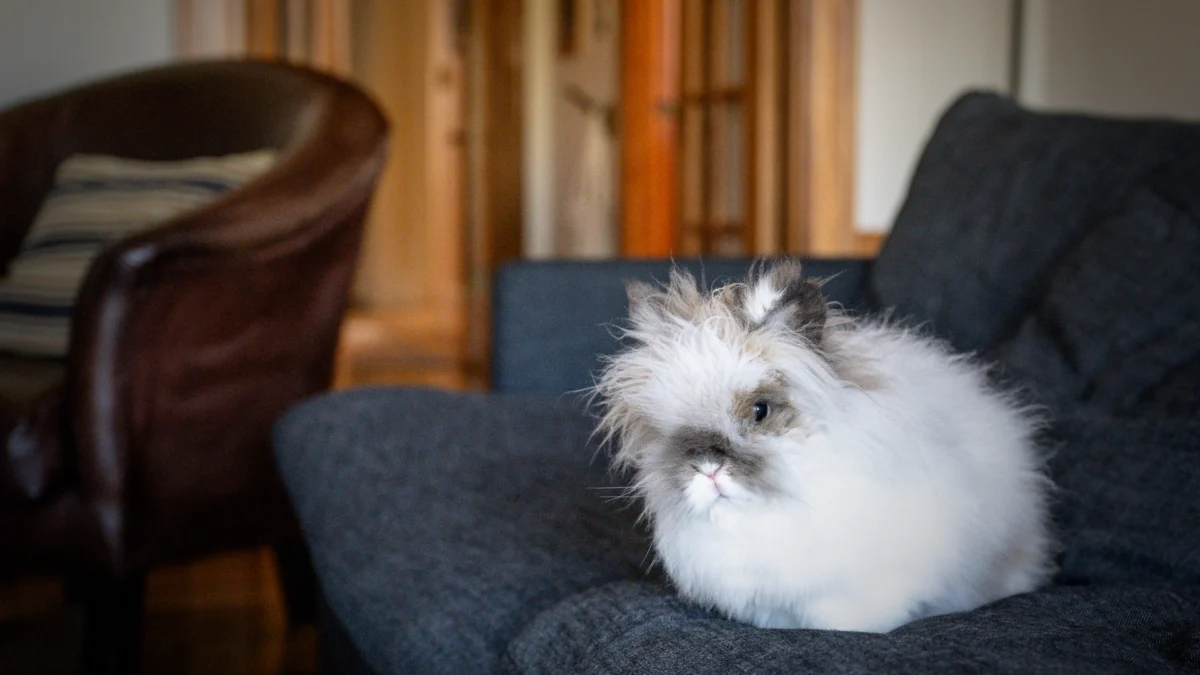
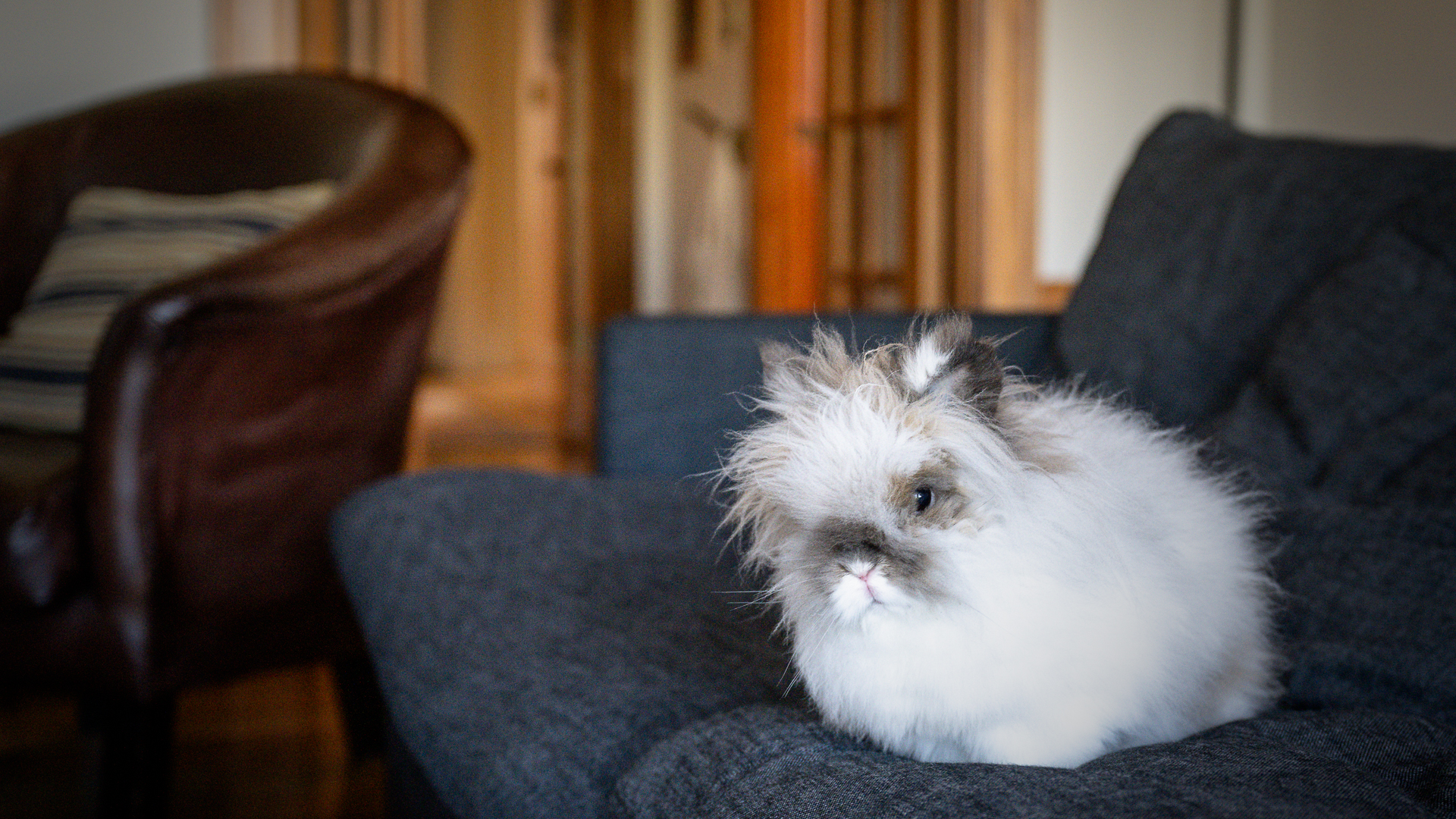
With their soft, angelic halos of fur framing their faces like miniature royal manes, Lionhead rabbits possess an undeniable, storybook aesthetic. This striking appearance makes them a magnet for impulse buyers, frequently capturing the attention of shoppers in commercial pet stores. However, beneath the adorable exterior lies a complex, high-maintenance companion animal. Far from being low-maintenance house pets, Lionheads require intensive, daily grooming, specialized dietary considerations, and a knowledgeable human handler.
Across North America, animal shelters and specialized rabbit rescues are witnessing an alarming influx of surrendered Lionhead rabbits. Many of these animals arrive in deeply compromised physical states—suffering from severe matting, skin infections, painful sores hidden beneath heavy coats, and profound psychological distress. The core of the crisis is a dangerous disconnect: well-meaning consumers fall in love with a visual trend, completely unprepared for the reality of long-haired rabbit husbandry.
Compounding the issue is the continuous commercial pipeline maintained by large retail chains like Petland and Tractor Supply Company. These corporations routinely sell underage, unspayed, and unneutered rabbits sourced from commercial breeding operations. Devoid of adequate pre-sale education or vetting, these retail practices directly fuel a systemic cycle of abandonment, leaving underfunded rescue groups to pick up the pieces.
Chronology: From Impulse Purchase to Shelter Intake
Understanding the trajectory of a typical Lionhead rescue case highlights a predictable and tragic timeline driven by commercial pet sales and a lack of consumer awareness.
Phase One: The Impulse Acquisition (Months 0–2)
A customer visits a commercial pet retailer, drawn in by the whimsical appearance of a juvenile Lionhead rabbit. Sales associates frequently downplay the specialized care requirements of the breed, marketing the animal as an easy, cuddly pet suitable for children or apartment dwellers. The rabbit is purchased without proper behavioral preparation, appropriate housing (such as a spacious indoor exercise pen), or an understanding of rabbit-safe nutrition.
Phase Two: The Maintenance Breakdown (Months 2–6)
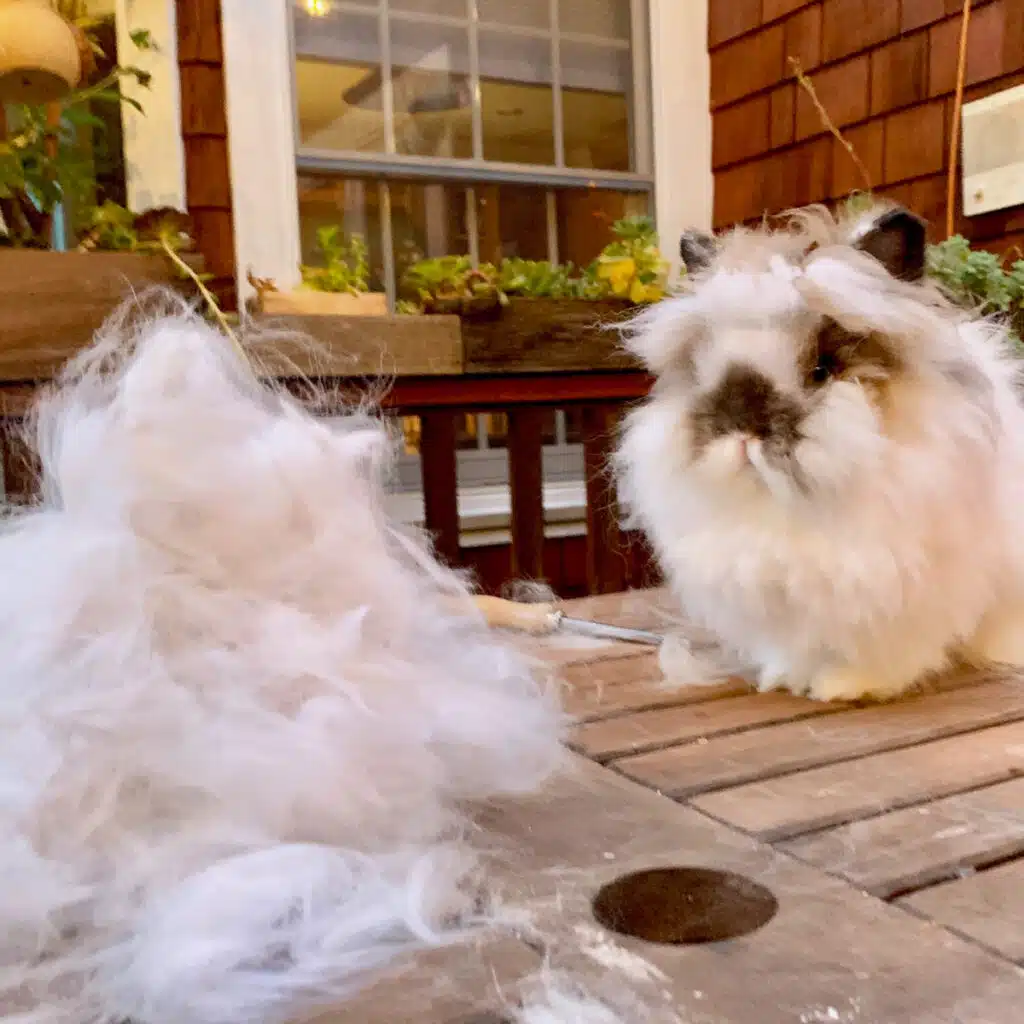
As the juvenile rabbit matures into adulthood, its double- or single-mane coat develops fully. Without daily brushing and proactive coat management, the dense fur around the neck, flanks, and hindquarters begins to trap moisture and shed undercoats. Within days of missed grooming, tiny tangles escalate into dense, restrictive mats. These mats pull tightly against the animal’s delicate skin, causing chronic discomfort, restricted mobility, and localized pain.
Phase Three: The Health Crisis (Months 6–12)
Neglected coats create a breeding ground for secondary medical emergencies. Severe matting obscures early signs of parasites, urine scald, and skin lesions. In worst-case scenarios, damp fur attracts blowflies, leading rapidly to fatal myiasis (flystrike). Furthermore, as rabbits groom themselves, ingested loose fibers from unbrushed coats accumulate in their gastrointestinal tracts, triggering dangerous gastrointestinal stasis (GI stasis) blockages.
Phase Four: Surrender and Rehabilitation (One Year and Beyond)
Overwhelmed by veterinary bills, behavioral changes stemming from chronic pain (such as aggression due to handling discomfort), or simply the time-consuming nature of coat maintenance, the owner surrenders the rabbit to a rescue organization. Intake coordinators are frequently greeted by a frightened, matted, unsterilized animal requiring emergency veterinary intervention, professional clipping, and weeks of specialized foster rehabilitation.
Supporting Data: The Anatomy of Lionhead Coat Care
To appreciate the physical toll that neglect takes on a Lionhead rabbit, one must examine the biological reality of their fur. Unlike short-haired breeds, Lionheads carry genetic mutations that produce a mane—either single (a thin ruff of wool around the head and chin) or double (a thick, woolly mane circling the head and extending down the skirt of the body).
Essential Daily and Weekly Grooming Protocols
- Daily Mane Maintenance: Using specialized tools such as rubber slicker brushes and metal greyhound combs, owners must gently untangle the fine hairs around the face and ears daily to prevent micro-mats from forming against the skin.
- Coat Inspection: The skin beneath the heavy fur must be checked regularly for signs of dandruff, redness, moisture accumulation, and parasite presence.
- Periodic Clipping: Long-haired rabbits—including Lionheads, Jersey Woollies, Fuzzy Lops, and Angoras—frequently require professional clipping or trimming around their sanitary areas and flanks to prevent urine and cecal matter from adhering to the fur.
- Dietary Support for Digestion: Because rabbits ingest significant amounts of fur during self-grooming, a diet consisting strictly of unlimited fresh grass hay, high-fiber pellets, and measured leafy greens is non-negotiable. Fiber keeps the gut motility active, helping to pass normal amounts of ingested hair safely through the digestive tract.
According to rescue intake data, over 70% of surrendered long-haired rabbits present with moderate-to-severe matting that requires heavy sedation or careful medical clipping by veterinary professionals to resolve without inflicting skin trauma.
Official Responses and Activism: Fighting the Commercial Pipeline
Animal welfare organizations, led by groups like the House Rabbit Society and independent rescue coalitions, are actively pushing back against the commercial sale of rabbits in retail environments.
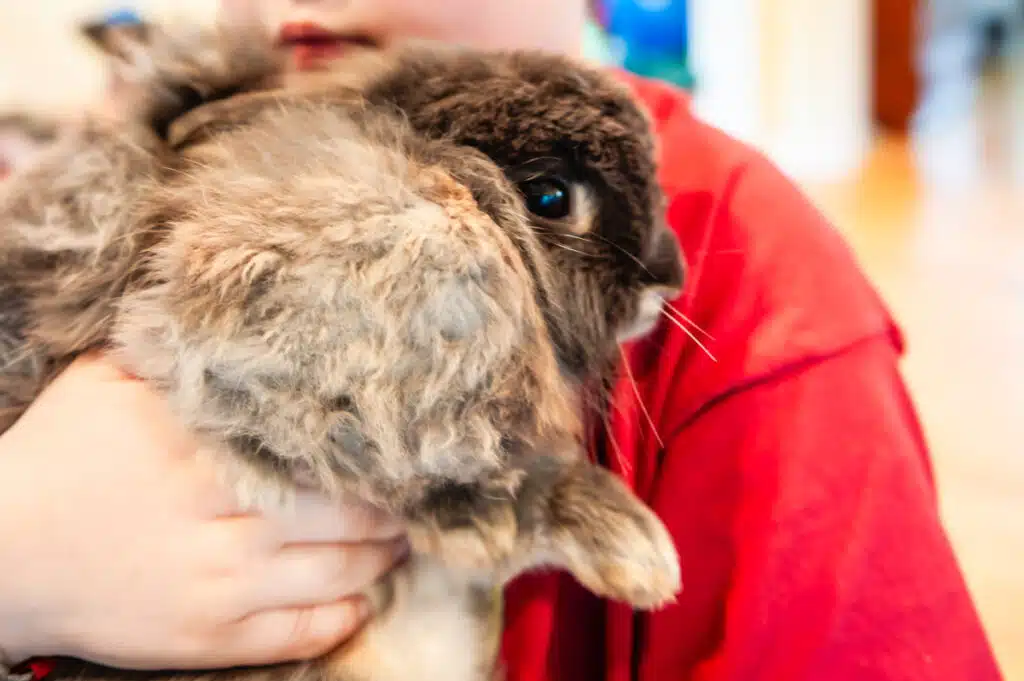
The Retailer Controversy
Activists have focused intense scrutiny on national chains such as Petland and farm supply stores like Tractor Supply. According to rescue advocates, these companies treat live animals as impulse-buy merchandise rather than sentient creatures requiring specialized veterinary care and education. Animals sold in these environments are frequently separated from their mothers too early, sold unsterilized (which introduces significant behavioral challenges and reproductive cancer risks later in life), and subjected to the physical stress of commercial transport logistics.
Petitions and Legislative Pushback
In response to the escalating shelter crisis, advocacy groups have launched targeted campaigns demanding an end to commercial rabbit sales. Notably, organizations have utilized platforms like Change.org to rally public support (such as the Stop Petland Rabbit Sales initiative). These petitions urge corporate leadership to transition away from live animal sales—following the successful precedent set by pet stores that focus exclusively on pet supplies and support local shelter adoptions instead.
Furthermore, welfare organizations emphasize the importance of municipal ordinances that restrict the sale of commercially bred rabbits in retail storefronts, encouraging prospective owners to look toward non-profit rescue networks where animals are spayed, neutered, health-vetted, and behaviorally assessed prior to placement.
Implications: Building a Sustainable Culture of Rabbit Stewardship
The ongoing crisis surrounding Lionhead rabbits carries deep implications for the broader animal welfare community, pet retail industry, and prospective pet owners.
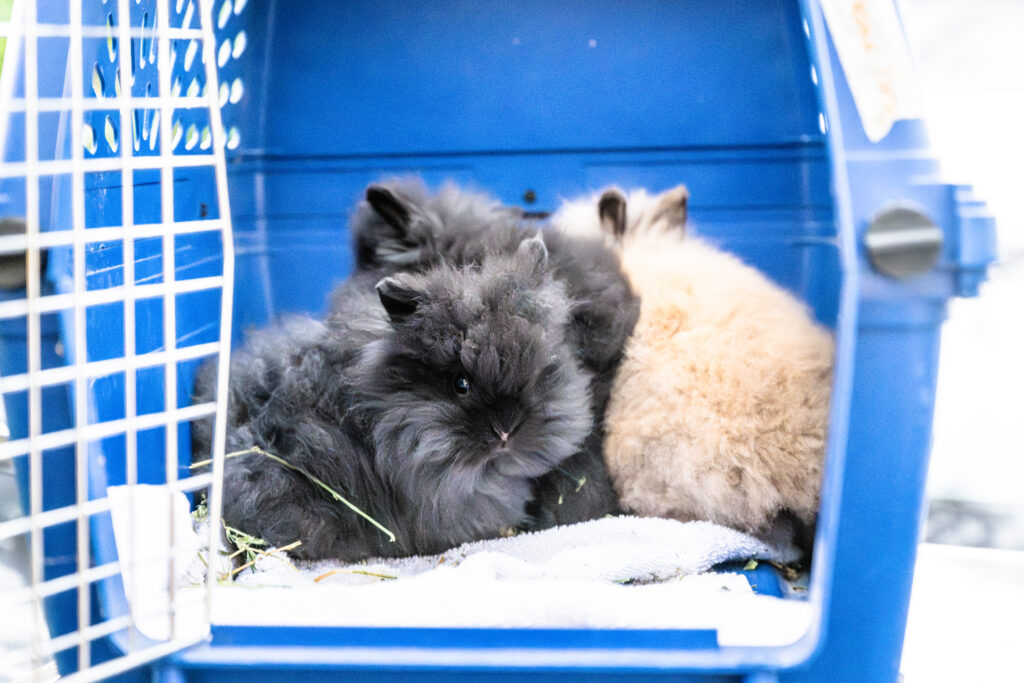
For Prospective Owners: Education Before Acquisition
The primary takeaway for the public is that aesthetic appeal must never override logistical preparedness. Bringing a Lionhead rabbit into a home is a commitment that spans a decade or more, requiring dedicated daily time allocations for grooming, financial readiness for specialized exotic veterinary care, and a commitment to indoor housing where the rabbit can thrive as an integrated family member.
For Rescues and Shelters: Strain on Resources
For animal rescues, the influx of specialized breeds places an unsustainable financial and emotional burden on foster networks. Rehabilitating a single severely matted, neglected Lionhead often runs up hundreds of dollars in veterinary bills for clipping, skin treatments, pain management, and mandatory spay/neuter surgeries. Until the commercial breeding and retail sale of rabbits are curtailed, rescues will continue operating at maximum capacity.
For the Future of Companion Animal Welfare
Ultimately, resolving the Lionhead crisis requires a multi-pronged approach: stricter corporate accountability for retailers, heightened public education regarding exotic pet husbandry, and a cultural shift toward adoption over retail purchase. When given proper indoor environments, appropriate diets, and diligent coat care, Lionhead rabbits prove to be remarkably intelligent, social, and affectionate companions. Ensuring their well-being starts long before a customer walks into a store—it begins with an informed society that respects the true responsibilities behind the fluff.