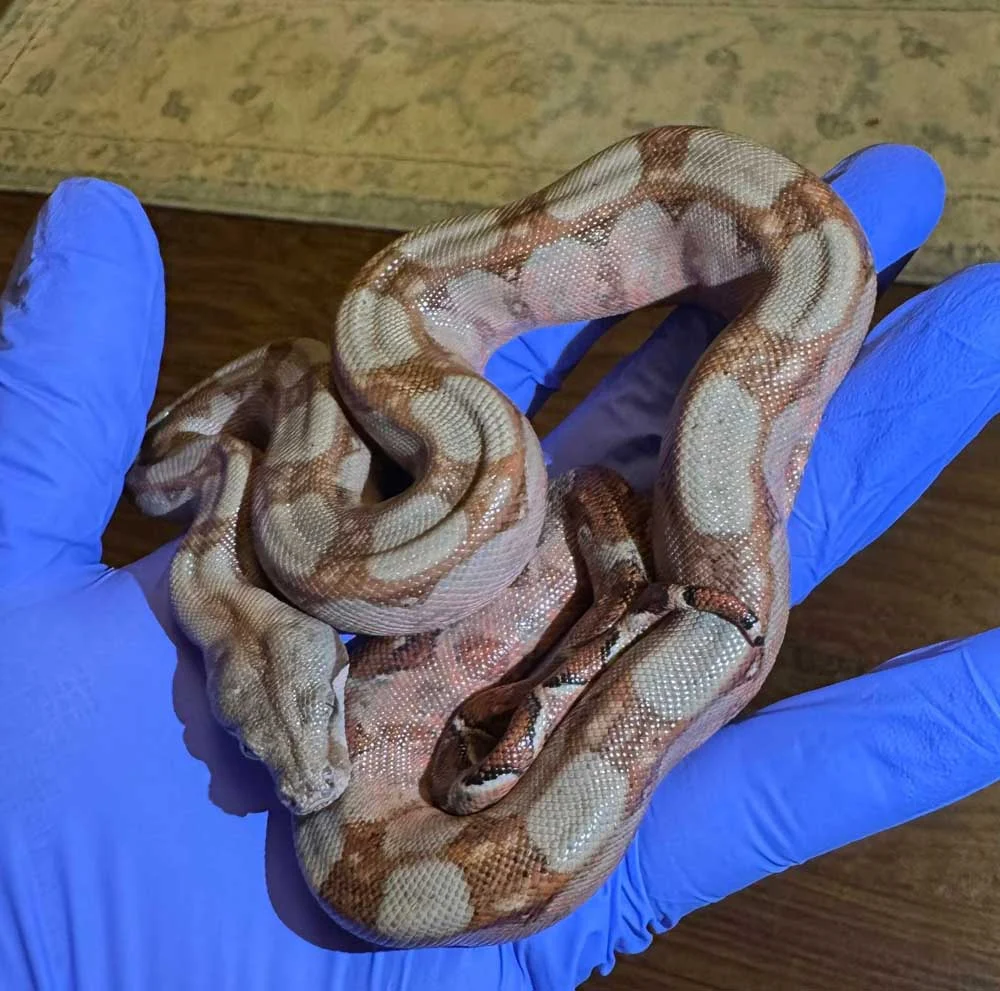
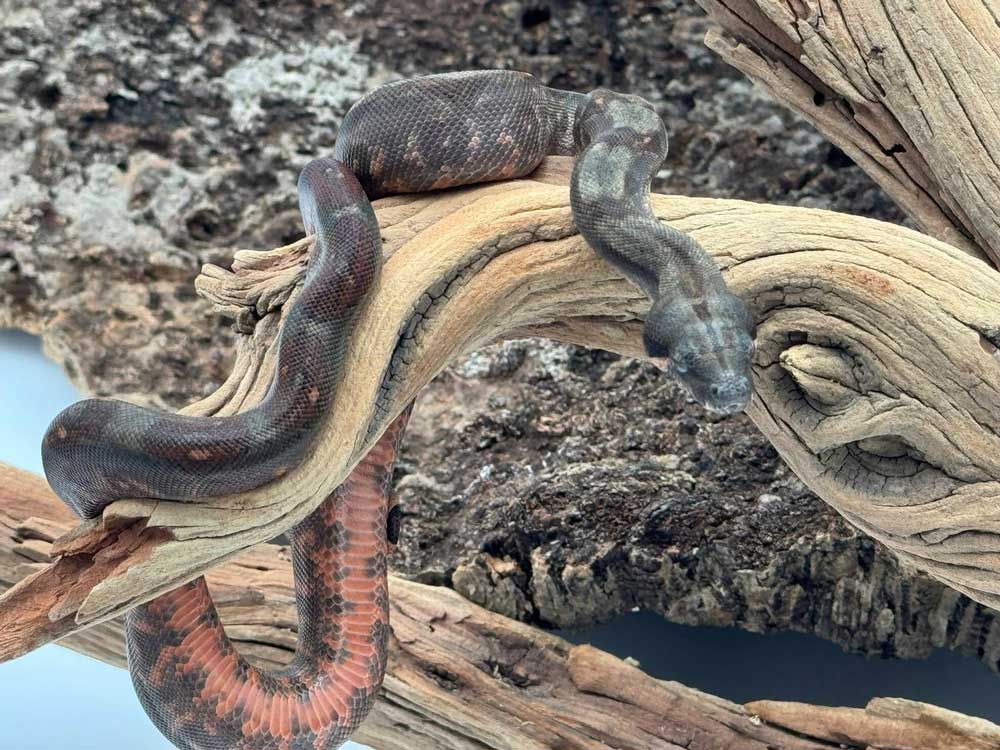
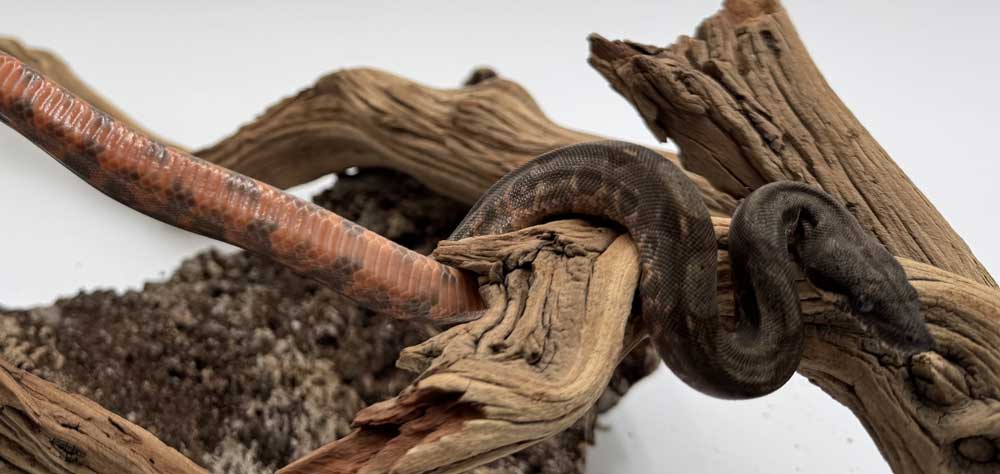
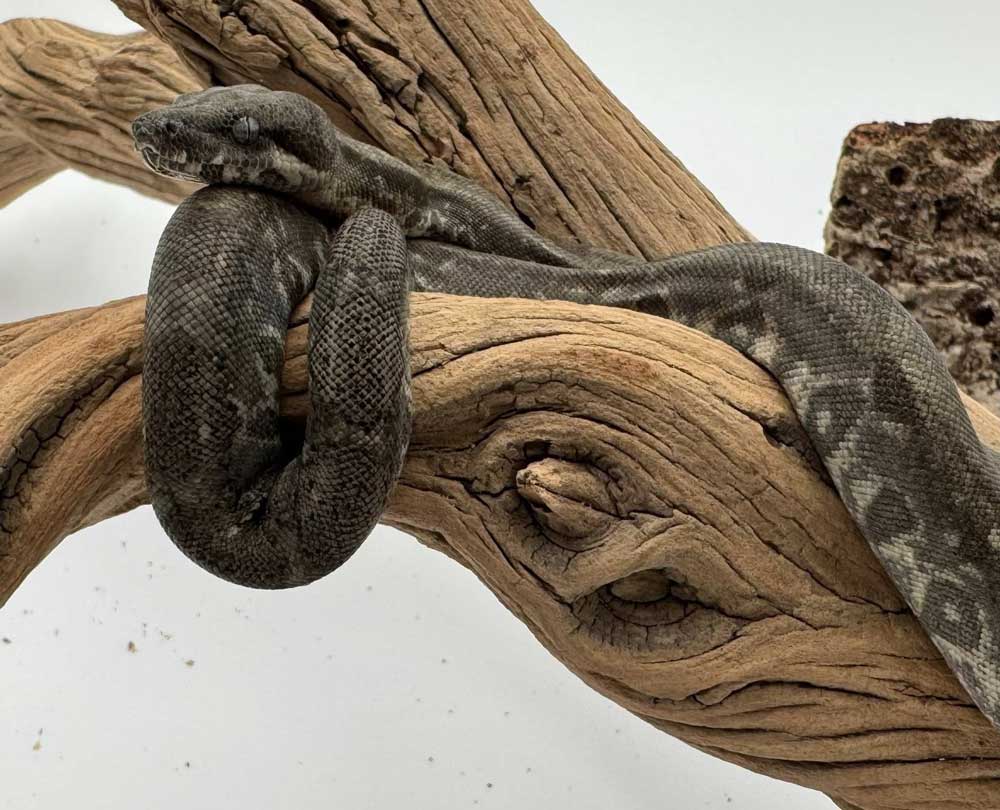
In the world of herpetoculture, certain species and localities exist on the razor’s edge of obscurity. Among these, the Corn Island Boa constrictor imperator—a fascinating, dwarf-sized locality native to the islands off the coast of Nicaragua—has long been a "holy grail" for collectors. With their mesmerizing spectrum of olive tans, sea greens, and deep, coffee-brown saddle markings, these snakes are as visually arresting as they are elusive. Perhaps most striking is the secret they hold beneath their scales: when revealed, their bellies and sides flash with an intense, vibrant red to reddish-orange hue, providing a startling contrast to their muted dorsal camouflage.
However, for over a decade, this population faced an existential threat in the hobby: near-total disappearance. Through the dedicated efforts of long-term enthusiasts and a calculated, multi-year breeding program, the Corn Island boa is currently experiencing a tenuous but promising resurgence in the United States.
The Biology and Husbandry of a Dwarf Specialist
The Corn Island boa is a masterclass in adaptation. Being a dwarf locality, they offer the classic appeal of a Boa constrictor without the massive size requirements of their mainland counterparts. Despite their unique status, their husbandry requirements are manageable for experienced keepers, though they demand a precise balance of environmental variables to thrive.
Environmental Requirements
Success with this species requires mimicking their native tropical environment. A hot spot of 90 degrees Fahrenheit (32.2 degrees Celsius) is essential for proper digestion, with a slight nocturnal drop to encourage natural circadian rhythms. Humidity levels must remain consistently high—between 60 and 80 percent—which is best achieved through the integration of room-wide humidification systems and spot-specific hydration management.
Enrichment and Housing
These boas are exceptionally active and curious. Unlike more sedentary species, the Corn Island boa utilizes vertical space with agility. Providing robust branches for climbing is not merely an aesthetic choice; it is a vital outlet for their high energy levels. While not strictly mandatory, the provision of UVA/UVB lighting has been observed to contribute to the overall vitality of sub-adults and adults. For housing, the consensus among successful keepers is that adult females thrive in 4’x2’x2’ enclosures, while males are well-accommodated in 3’x2’x2’ setups. Secure, darkened hide boxes or naturalistic tree bark retreats are essential for shedding cycles and minimizing stress.
Nutritional Habits
In their native wild, these snakes are specialized predators, often subsisting on migrating birds. In captivity, they adapt well to a varied diet of frozen-thawed mice, rats, chickens, and quail. Maintaining a consistent feeding schedule is paramount, particularly during the breeding season, when dietary adjustments play a critical role in hormonal signaling.
Chronology of a Conservation Effort
The path to re-establishing the Corn Island boa in American collections was fraught with setbacks. For a ten-year stretch, the population remained stagnant, with virtually no new litters entering the market.
- October 2024: The turning point arrived when an adult pair, aged seven years, surfaced on Morph Market. The acquisition of these animals marked the official commencement of a formal, high-stakes breeding project.
- Late 2024: Analysis of the American population revealed a dire situation: only two other individuals in the U.S. held breeding stock. One was a long-term keeper who had only produced a single litter in ten years; the other was a private hobbyist working to raise young specimens.
- Early 2025: Strategic international networking became necessary. A connection was established with a breeder in the Netherlands, leading to the acquisition of four sub-adult males. This was followed by the purchase of an entire litter from the same source by June 2025. With the expert guidance of Dr. Warren Booth, the lineage of these imports was rigorously verified to ensure genetic purity.
- Late 2025: Tragedy struck the American hobby when a fire at a major facility claimed a large group of the existing population. This event underscored the fragility of the locality; had it not been for the concurrent efforts to establish new breeding groups, the Corn Island boa might have been functionally extinct within the U.S. domestic market.
- August 1, 2025: The project culminated in the successful delivery of a healthy, nine-snake litter, providing the first major influx of new genetics in over a decade.
Supporting Data: The Science of Breeding Success
The breeding of Corn Island boas is notoriously difficult, primarily due to their hyper-active nature. To achieve success, the program had to move beyond anecdotal evidence and rely on established reproductive standards, such as those detailed in The Reproductive Husbandry of Pythons and Boas.
The methodology employed was comprehensive. The breeder initiated a temperature cycling program, gradually dropping the ambient temperature to 72 degrees Fahrenheit (22.2 degrees Celsius) to simulate the onset of the breeding season. During this period, the pair was fasted for one month to shift their biological focus from foraging to reproduction.
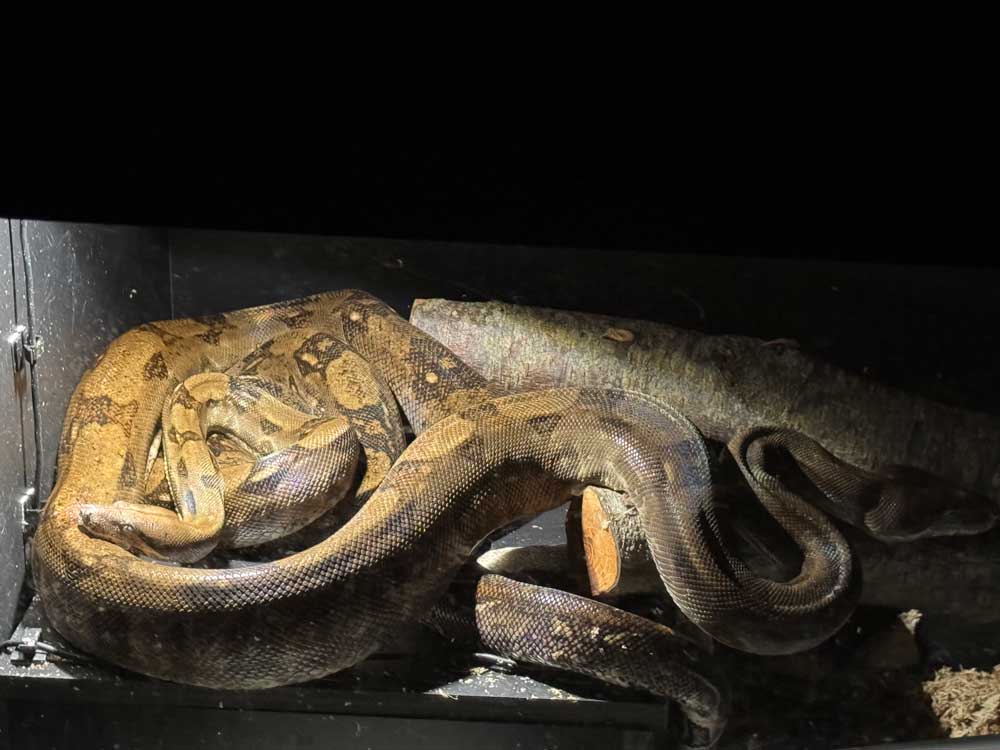
Water management also proved to be a critical, yet often overlooked, factor. By replacing water every 24 to 48 hours, the breeder maintained a pristine environment that encouraged mating behaviors. Observations confirmed that the pair began sharing a hide box—a positive indicator of social comfort—before the first successful lock was witnessed on January 5. The resulting litter, consisting of three males and six females, exhibited remarkable health and promising phenotypic traits, including the desired sea-green base coloration and vibrant red bellies.
Official Perspectives and Expert Insight
The success of this project was not an isolated achievement but a collaborative effort within the herpetological community. The involvement of experts like Dr. Warren Booth was essential for the verification of lineage. Genetic integrity is the cornerstone of locality preservation; without it, the distinct characteristics of the Corn Island boa—its dwarf stature and unique color spectrum—could easily be diluted by cross-breeding with other Boa constrictor subspecies.
Furthermore, the creation of a specialized Facebook community allowed for the pooling of resources and the strategic placement of animals. By connecting with other serious keepers, the project lead was able to ensure that these rare animals were distributed among individuals capable of managing them long-term. This "distributed network" approach acts as an insurance policy against future losses, such as the fire that decimated the previous population.
Implications for the Future of the Locality
The successful breeding of this litter has immediate and far-reaching implications for the future of the Corn Island boa.
Preservation through Diversification
The primary goal moving forward is to avoid "all-eggs-in-one-basket" scenarios. By placing breeding groups with multiple, highly skilled, and geographically dispersed breeders, the locality is now better protected against localized disasters.
Genetic Advancement and Selective Breeding
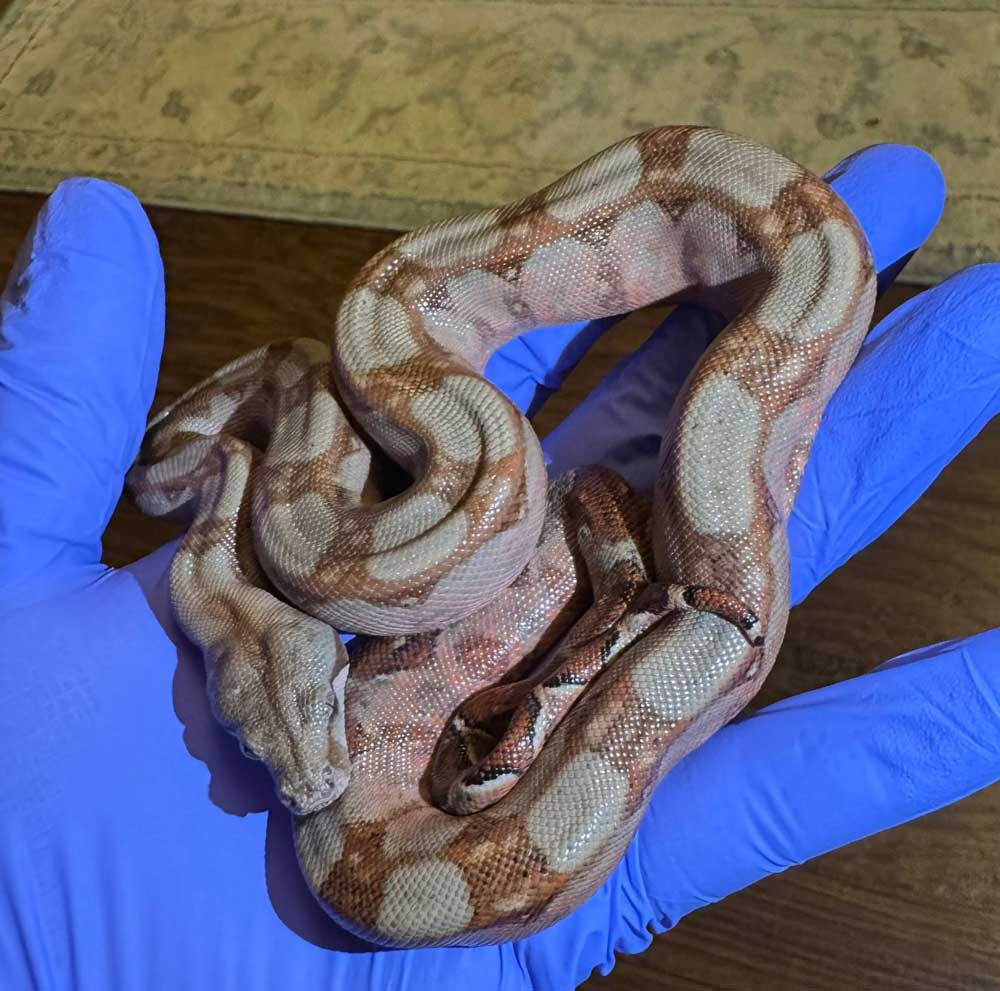
The presence of an anerythristic (lacking red/orange pigment) baby in the recent litter has opened new avenues for selective breeding. Because the parents were known to be heterozygous for the anerythristic trait, this birth was a scientific validation of the lineage’s quality. Future projects will focus on crossing the American "Rio Bravo" line with the European lines, specifically selecting for the most vibrant sea-green and red-bellied individuals.
Temperament and Educational Value
Beyond their aesthetic beauty, the Corn Island boa is gaining a reputation for its temperament. While neonates can be flighty, often darting between hands in an attempt to explore, this behavior is remarkably short-lived. With minimal consistent handling, they settle into curious, active, and docile companions. This accessibility makes them ideal for the dedicated hobbyist who values an animal with both an interesting history and a manageable disposition.
Conclusion
The story of the Corn Island boa is a testament to the power of committed private stewardship. What began as a desperate search for a vanished lineage has transformed into a thriving, multi-national breeding program. As these snakes continue to enter the hands of qualified keepers, the threat of their disappearance from the hobby recedes.
For enthusiasts like James Tosetti, who has spent over three decades in the field, this is more than just a successful breeding season—it is the preservation of a unique biological narrative. By combining rigorous scientific data, careful environmental control, and a collaborative spirit of conservation, the hobbyist community has successfully pulled the Corn Island boa back from the brink, ensuring that this beautiful, elusive reptile will continue to be a part of the world’s herpetological landscape for years to come.