For decades, the professional pet grooming industry was viewed through a lens of strict separation: the chaos of the salon floor versus the sanctuary of the home. However, a growing movement of entrepreneurial parents is dismantling this barrier. From mobile grooming vans to high-end brick-and-mortar studios, a new generation of professionals is choosing to bring their children into the workspace, fostering a unique blend of career autonomy, parental presence, and community support.
The Evolution of a Multi-Generational Practice
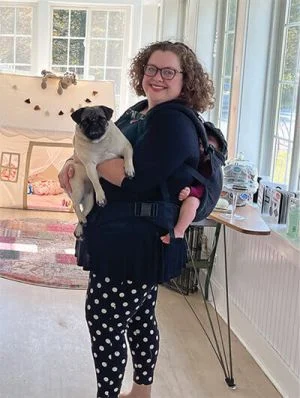
The shift toward "bringing your child to work" is not necessarily a new phenomenon, but it is one that has gained significant momentum through social media and a post-pandemic shift in workplace values. Daryl Conner, a veteran in the grooming industry, recalls balancing her professional life with motherhood over three decades ago. "There was a time when I would groom dogs with my infant daughter in a backpack," Conner reflects. Today, the cycle continues as her daughter, Rachel, now a professional groomer working alongside her, utilizes the same method, wearing her own child in a backpack while performing precision grooming tasks.
This practice is no longer an isolated choice made by lone wolves; it has become a community-driven lifestyle. The motivation remains consistent: a deep-seated desire to be present for the formative years of a child’s life. As Rachel notes, "The first five years of a child’s development are so important. I don’t want hired help to be responsible for teaching my daughter about love and trust."
Chronology of a Community: The Rise of "Dog Grooming with Kids"
The path to normalizing this lifestyle was not without its hurdles. For many, the initial foray into combining work and parenthood was met with skepticism and, at times, open hostility from industry peers. Quinci Cole, founder of The Dog Spot in South Weber, Utah, faced significant backlash when she first sought advice on the topic.
"When I asked in other grooming groups about how parents handled certain situations, I had many groomers attack me, not knowing who I am or my story," Cole explains. "I am just a mom with kiddos trying to figure things out and do right by my children. I got so much hate that I would often delete my posts and question myself."
Undeterred by the negativity, Cole pivoted to create her own support system. She launched the Facebook group "Dog Grooming with Kids," which has since blossomed into a digital sanctuary for nearly 2,000 members. This space serves as a vital resource where groomers share tips on safety, scheduling, and balancing the demands of a high-pressure service industry with the unpredictable needs of children.
The Logistics: Creating Safe and Productive Environments
Integrating a child into a grooming environment requires meticulous planning and a safety-first mindset. It is not merely about presence; it is about creating a controlled ecosystem where both the animals and the children are secure.
Architectural Adaptations
Groomers have become incredibly creative with their physical spaces. Jessica Heibein of Grooming by Jess in Wilmington, North Carolina, describes a transformation of her workspace: "We took half of our reception area and built a room. We insulated it for sound, and we have a Pack and Play, TV, and toys in there. We also have a play area near the grooming table and put up a half-wall to keep her separate from the dogs."
Safety Protocols
The safety of the child is paramount. Experienced groomer-parents, such as Quinci Cole, emphasize the importance of early education for children. "My kids had hearing protection and have been taught how to approach a dog since a young age," Cole shares. For mobile groomers, the challenge is different, requiring compact, child-safe zones within a vehicle, while stationary shops offer the luxury of dedicated, glass-enclosed play areas that allow for visual contact while maintaining a physical barrier.
Supporting Data: The "Why" Behind the Movement
The decision to integrate parenthood into the salon is largely driven by three primary factors: the high cost of childcare, the desire for developmental presence, and the flexibility required for neurodiverse or special-needs children.
The Special Needs Advantage
For some, owning a business was a necessity born of advocacy. Cheryl Workman of Grooming Gallery in Mooresville, Indiana, found that traditional employment was incompatible with the needs of her neurodivergent son. "When it became clear that he was not neurotypical and going to need therapy, I realized that childcare might not be feasible. Having my own business, I could schedule around his needs," she explains.
Workman’s story highlights a critical implication of this movement: entrepreneurship as a safety net. During periods of school behavioral challenges, she could bring her son to work, allowing her to maintain financial stability while remaining physically available for his support. Her dedication to this dual-role was recognized when she received "The Difference Maker Award" from her son’s school, underscoring the efficacy of this flexible arrangement.
Official Responses and Client Perceptions
One of the most surprising outcomes of this trend has been the overwhelmingly positive reception from the clientele. While many groomers feared that clients might view children in the workplace as unprofessional, the reality has been the opposite.
Clients have, in many instances, become part of the support system. Rachel notes that her customers have grown deeply attached to her daughter. "If they don’t see her, they seem sort of panicked and ask, ‘Where is the baby?’ They shower her with gifts, and many get right down on the floor to play with her. She seems to bring an added level of happiness to their visit."

Mariah Arnett, owner of The Dog Shack LLC in Portage, Michigan, echoes this sentiment, noting that her clients enjoy watching her son grow. "They have been a great support system for me through my pregnancy and transitioning into the motherhood phase of my life." This transition from a purely transactional relationship—groomer and pet owner—to a more communal one has served to strengthen customer loyalty and humanize the service being provided.
The Broader Implications: Redefining Work-Life Balance
The movement of groomers working with their children challenges the conventional wisdom that professional success requires a rigid separation of "work" and "life."
The Productivity Trade-Off
It is a reality of the profession that having a child in the salon can impact total daily output. However, participants argue that the psychological benefits far outweigh the loss of a few grooming slots. Cheryl Workman notes, "You lose some productivity having kids at work, but it makes up for it by knowing they are OK."
Mental Health and Job Satisfaction
The emotional dividends of this arrangement are significant. Many groomers report a decrease in workplace stress and an increase in overall job satisfaction. "I am surprised at how much happier working with my baby has made me," says Jessica Heibein. "I am in such a better mood at work. I am smiling all day because she is doing something funny or giggling. I just love my days. I appreciate my job more."
The "Good Mom" Benchmark
Perhaps the most profound implication is the shift in how these women define their success as mothers. For Quinci Cole, it is about the ongoing, fluid nature of the balance. "Feeling like I am a good mom… sometimes it’s hard to find your balance, and as they grow, it is constantly changing. Every so often, you feel you’ve found your groove, and whoops! there it goes, and we are back to square one."
Conclusion: A New Paradigm for Service Industries
The phenomenon of grooming with children in the salon serves as a microcosm for a broader shift in how modern professionals view the workplace. By prioritizing the developmental needs of their children and the flexibility of their own schedules, these groomers are proving that it is possible to maintain a high standard of professional service while nurturing a family unit.
As more industries move toward remote work and flexible scheduling, the pet grooming community stands as a pioneer in demonstrating that with the right environment, safety protocols, and a supportive community, the "balancing act" of work and parenting doesn’t have to be a choice between one or the other. Instead, it can be a cohesive, fulfilling, and sustainable way of life. Whether in a mobile van or a customized studio, these parents are crafting a future where the next generation grows up witnessing the value of hard work, the beauty of animal companionship, and the unwavering dedication of a parent who chooses to do both.