In the modern pet care landscape, the professional groomer is widely heralded as a master artisan. With specialized knowledge in canine and feline anatomy, dermatological health, and breed-specific styling, today’s groomers command respect and professional autonomy. However, the path to this status has been long, complex, and marked by a distinct shift in how the grooming trade is perceived by both the public and the broader pet industry. The transition from the "shop-hand" of the 1970s to the entrepreneurial business owner of the 2020s serves as a masterclass in industry maturation.
The Historical Chronology: A Legacy of Misunderstanding
To understand the current professional standing of the groomer, one must examine the industry’s humble—and often exploitative—origins.
The 1970s: The Era of Devaluation
In the early 1970s, the perception of a "pet groomer" was vastly different from the contemporary model. Groomers were frequently hired by pet shops as auxiliary labor. In these environments, the role was rarely confined to the grooming table. Management often viewed the groomer as a multi-purpose utility worker. It was common practice for shop owners to mandate that groomers spend their downtime scrubbing cages, managing waste, and feeding the retail store’s inventory of animals.
This lack of professional boundaries created a toxic cycle. When skilled groomers, who viewed themselves as professionals, refused to take on the menial duties of a kennel attendant, shop owners frequently dismissed them as "flakes." The resulting high turnover rate was then used by these employers to justify further devaluation of the profession, creating a self-fulfilling prophecy of instability that hindered the industry’s growth for over a decade.
The Veterinary Integration
The tide began to turn when the veterinary sector recognized the latent potential of grooming services. Veterinary clinics realized that grooming was not just a side service; it was a "traffic driver." By housing a groomer within a medical facility, clinics ensured a steady, recurring monthly visit from pet owners. This symbiotic relationship proved beneficial for all parties: the groomer gained a professional environment, the veterinarian saw increased foot traffic, and the pet owner received a "one-stop shop" for health and maintenance.
The Big-Box Awakening
It took nearly two decades for the "big-box" retail giants to recognize what veterinarians had already intuited. By the late 1990s and early 2000s, major pet store chains began integrating glass-encased grooming salons into their floor plans. These corporations standardized the model, training large cohorts of groomers to fit into a retail-first ecosystem. While this solidified the groomer’s role in the mainstream, it also signaled the start of a new competitive era that would eventually lead to the franchise models we see today.
Supporting Data: The Shift in Business Models
The trajectory of the pet grooming industry is mirrored by the growth of the broader pet economy. According to recent market analysis, the pet services industry is no longer a niche market; it is a multi-billion-dollar juggernaut.
The Rise of the "One-Stop" Franchise
The current trend in the industry is the proliferation of franchised businesses that marry high-end grooming services with boutique retail experiences. This model addresses a fundamental inefficiency in the old way of doing business: the "fragmented consumer journey." Previously, a pet owner might visit a groomer, then travel to a separate big-box store to purchase food, supplements, and toys.
By combining these services, modern entrepreneurs are capturing the full lifetime value of a client. For the established groomer, this represents a significant strategic pivot. By leveraging the trust built during the grooming process, business owners are finding it easier to convert their service-based clients into retail consumers.
Economic Implications for Independent Groomers
For the independent groomer, the data is clear: the opportunity cost of not integrating retail is rising. Independent groomers often possess a "captive audience." Clients already trust these professionals with the physical health and aesthetic appearance of their pets. When a groomer provides a recommendation for a specific shampoo, specialized diet, or high-quality leash, the conversion rate is significantly higher than that of a generic retail clerk.
Implications for the Future: Why Groomers Should Pivot
The current market environment offers a rare "window of opportunity" for established grooming professionals to expand their footprint before the market becomes oversaturated by new, well-funded competitors.
Protecting Your Turf
The primary threat to the established independent groomer is the encroaching franchise store. If a local groomer fails to offer the convenience of retail, they leave a gap in the market that a new, aggressive competitor will inevitably fill. Expanding one’s business is not merely about increasing revenue; it is about "territorial defense." By becoming a destination for both services and supplies, the groomer makes themselves indispensable to the local pet-owning community.
Creative Retail: The "Eye Appeal" Factor
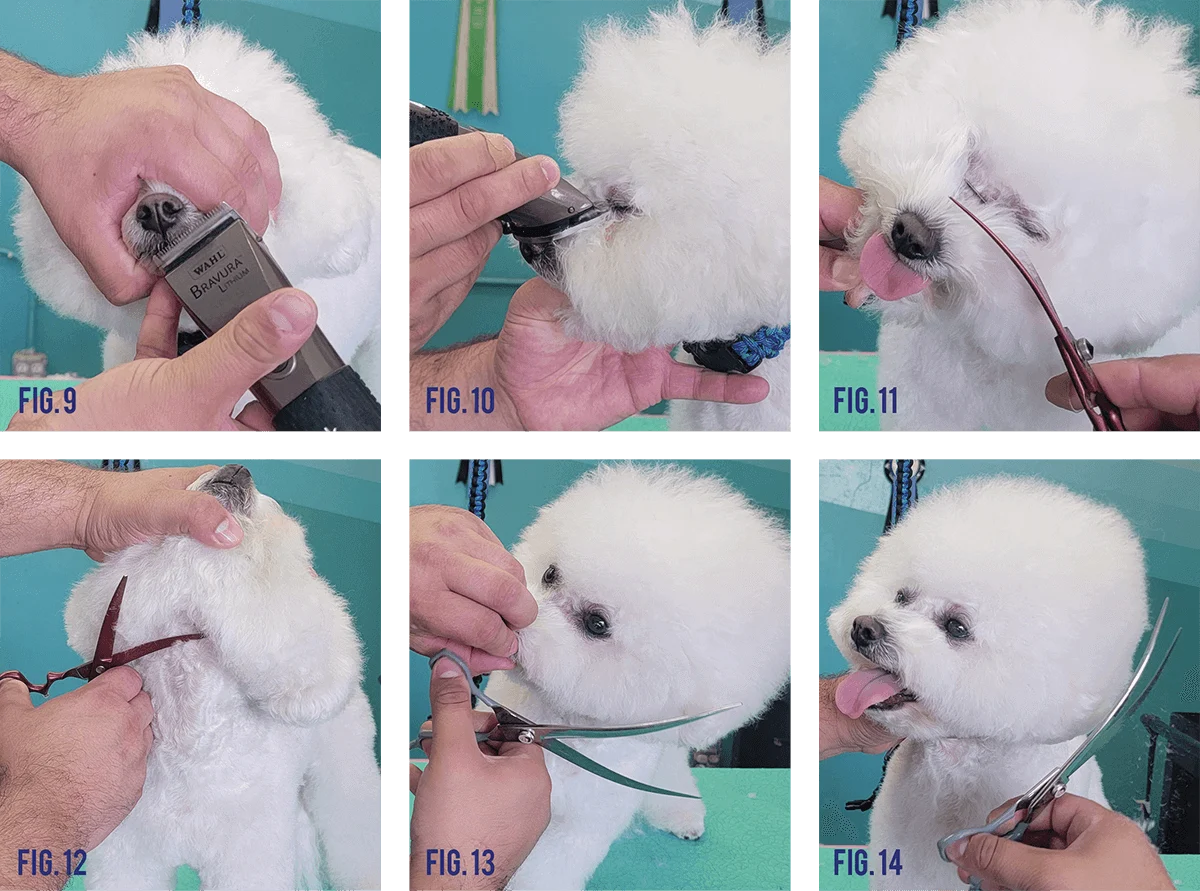
A common misconception among groomers is that entering the retail space requires massive capital expenditure or a warehouse-sized footprint. Industry experts argue the opposite. The "artistic eye"—the same skill set that allows a groomer to sculpt a Bichon Frise or manage a difficult temperament—is the exact skill set needed to curate a retail space.
Success in modern retail is driven by "eye appeal" and curation. Consumers are increasingly weary of the "aisles of clutter" found in big-box stores. They are instead drawn to specialized, aesthetically pleasing environments where products are displayed thoughtfully. Groomers can leverage their creative instincts to design boutiques that feel personal, welcoming, and premium.
Expert Recommendations for Transitioning
For those considering an expansion into retail, industry veterans offer several key pieces of advice:
- Avoid Manufacturer Over-Sourcing: When setting up a retail operation, manufacturers will often push their entire catalog onto new retailers. Resist the urge to overstock. Focus on high-turnover items that your existing clientele already uses.
- Focus on Curation over Quantity: Your retail space is an extension of your brand. If you are known for high-quality, holistic grooming, your retail inventory should reflect that. A small, carefully selected range of premium products will perform better than a large, disorganized selection of generic goods.
- Utilize Existing Relationships: Before signing a franchise agreement, talk to the brands you already love. Many pet product manufacturers provide consulting, display materials, and even staff training to help small retailers succeed.
- Prioritize the Customer Experience: The advantage of an independent store over a chain is the personal touch. Use the grooming intake and pickup process as an opportunity for consultation. When you act as a consultant for the pet’s well-being, the sale of retail products becomes a natural, helpful outcome rather than a forced transaction.
Conclusion: The Professional Renaissance
The evolution of the pet groomer from a shop-hand to a business owner is a testament to the resilience and professionalization of the trade. Today’s groomers are not just technicians; they are the primary guardians of the pet-owner relationship.
As the industry continues to move toward a model of integrated care and retail, the groomers who succeed will be those who recognize their own value. You already have the knowledge, the trust of the clientele, and the artistic vision required to run a successful operation. Whether through a franchise model or by building a unique, independent retail brand, the time to act is now. The "starry-eyed" groomers of the 70s fought for the right to be seen as professionals; the groomers of today have the opportunity to define what the future of that profession looks like. Go forth, be creative, and secure your place in the modern pet care landscape.