

By Paige K Parsons
Edited by Our Think Tank
Main Facts
How many rabbits live as cherished members of households across the United States today? As pet ownership demographics grow increasingly sophisticated, veterinary researchers, animal welfare advocates, and industry analysts have honed their methods for tracking the nation’s companion bunny population.
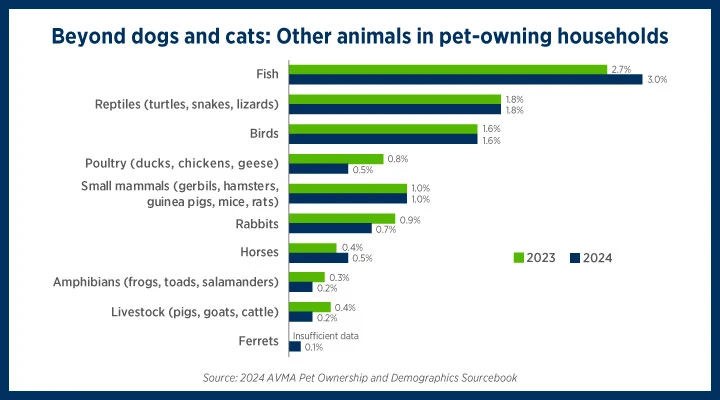
The most recent data released by the American Veterinary Medical Association (AVMA) presents a fascinating snapshot of the contemporary pet rabbit landscape. According to the AVMA’s public statistics page—drawing from its comprehensive Pet Ownership & Demographics data—roughly one million U.S. households, or approximately 0.7% of the nation, currently live with rabbits. This modern figure reflects shifting trends in companion animal care, urban housing constraints, and changing generational preferences toward alternative pets.
To contextualize this, earlier baseline data from the AVMA’s 2022 U.S. Pet Ownership & Demographics Sourcebook indicated that roughly 1.2% of households (representing some 1.5 million homes) owned rabbits, amounting to an estimated national population of 2.2 million pet rabbits. Meanwhile, broader industry reports from the American Pet Products Association (APPA) underscore that rabbits comfortably maintain their status as America’s most popular "small animal" companion. The APPA’s landmark surveys reveal that an estimated 6.7 million households house small animals, with rabbits leading the charge among pocket pets and exotics.
Furthermore, cultural and demographic shifts are playing a profound role in shaping these numbers. Reports from mainstream financial and lifestyle outlets, including Forbes, highlight that rabbits and other exotic pets have captured the imagination of younger generations. Millennials and Gen Z are increasingly turning to rabbits as ideal companions for apartment living and busy, modern schedules, driving a quiet revolution in the traditional pet market.

Chronology of Rabbit Ownership in America
Tracking the trajectory of pet rabbits over the past three decades reveals a fluctuating yet enduring footprint in American homes. Historical data compiled from the AVMA, APPA, USDA, and preserved by archiving efforts like RabbitWiki paint a detailed picture of how rabbit ownership has evolved since the 1990s.
The 1990s: Establishing a Baseline
- 1991: Industry and veterinary surveys estimated that roughly 1.4 million households (1.5% of the total population) owned rabbits, with an average of 3.22 rabbits per household, yielding a total estimated population of 4.6 million.
- 1996: Ownership expanded slightly to an estimated 1.9 million households (1.9%), with a national population touching 4.9 million bunnies.
The 2000s: Growth and Peak Populations
- 2000: The turn of the millennium recorded 2.2 million households (1.6% of the U.S.) keeping rabbits, pushing the total population up to 5.3 million.
- 2001: Households owning rabbits dipped slightly to 1.8 million (1.7%), resulting in a total population of 4.8 million.
- 2002: The U.S. Department of Agriculture (USDA) released a definitive report pegging the national pet rabbit population at 5 million, spread across 2.2 million households.
- 2006: Gallup and the AVMA both reported that 1% of American households lived with at least one rabbit.
- 2007: Both the AVMA and the APPA reported a major surge, estimating a massive total population of 6.1 million pet rabbits in the United States, with an average of 3.3 rabbits per household.
The 2010s to Present: Stabilization and Cultural Shifts
- 2010: The APPA Pet Owners Survey documented an all-time high watermark for the decade, reporting 6.6 million pet rabbits in the U.S. This meant rabbits accounted for an astounding 42% of the 15.9 million small animal pets in the country.
- 2012: AVMA surveys recorded 1.2 million to 1.4 million households (roughly 1.19% to 1.2%) owning approximately 3 million to 3.2 million rabbits.
- 2017: AVMA data held steady, showing 1.5 million households (1.2%) caring for a total rabbit population of 2.2 million.
- 2022–2025: AVMA’s updated 2022 sourcebook reported 1.5 million households and 2.2 million rabbits, while its May 2025 public statistics update recalibrated the active household ownership metric to roughly 1 million households (0.7%).
Supporting Data and Acquisition Trends
Beyond raw population numbers, behavioral and economic data regarding how people acquire their rabbits offers critical insight into the pet rabbit industry.
According to historical metrics from the APPA’s 2013-2014 survey, acquisition channels for pet rabbits underwent a notable transformation. At that time, 25% of all pet rabbits were acquired via adoption from shelters or rescue organizations, while 14% were purchased directly from traditional pet stores. The remaining percentage came from a mix of private breeders, accidental litters, and rehoming networks.
Significantly, the data captured a sharp decline in commercial avenues: between the 2011–2012 survey period and the 2013–2014 period, the number of rabbits purchased at traditional pet stores dropped by an impressive 42%. This downward trend in retail sales correlates directly with the rise of the "Adopt, Don’t Shop" ethos championed by rabbit rescue organizations, municipal shelters, and educational non-profits like the House Rabbit Society. Consumers became increasingly aware of the unique behavioral and medical needs of rabbits, often turning to specialized rescues that offer pre-spayed/neutered and socialized companions.
Moreover, the APPA notes that rabbits officially surpassed hamsters during the 2000s to become America’s most popular "small animal" pet, securing their place comfortably behind dogs and cats as the third most popular companion mammal category in the United States.
Official Responses and Industry Insights
Veterinary professionals and pet industry experts attribute these shifting trends to a confluence of veterinary advancements, education, and changing demographic profiles.
The Veterinary Perspective
The American Veterinary Medical Association continues to refine its demographic tracking to help veterinary clinics prepare for the specialized medical needs of exotic companion mammals. Because rabbits are classified as exotic pets, they require specialized veterinary care—including rabbit-savvy veterinarians trained in anesthesia, dental floating, and specialized gastrointestinal treatments. The drop in estimated household ownership from 1.5 million in 2022 down to approximately 1 million in 2025 highlights the fluid nature of pet ownership data, prompting veterinary leaders to emphasize the importance of preventative care and owner education.
The Generational Shift
Industry analysts point to Millennials and Gen Z as the primary drivers of the modern pet rabbit market. According to insights highlighted by Forbes, younger generations delay traditional milestones like homeownership and marriage, frequently opting instead for companion animals. For urban dwellers living in apartments, townhomes, or spaces with strict pet restrictions (such as bans on dogs or cats, or mandatory pet rent), rabbits present an appealing alternative. They are quiet, can be litter-box trained, and form deep, affectionate bonds with their human companions without requiring a yard for daily exercise.
Implications for Animal Welfare and the Future
The evolving statistics surrounding pet rabbit ownership carry profound implications for animal shelters, rescue networks, and municipal policy makers across the United States.
The Abandonment Crisis and Rescue Burden
Despite their popularity, rabbits remain one of the most commonly misunderstood and subsequently abandoned pets in North America. A persistent cultural myth paints rabbits as low-maintenance, "starter pets" appropriate for young children. In reality, rabbits have complex behavioral needs, delicate digestive systems, and can live for 8 to 12 years.

When the initial novelty wears off, shelters often experience post-holiday surrenders—particularly following the Easter season, when impulse-purchased bunnies are abandoned outdoors or surrendered to overwhelmed rescues. The statistical tracking of rabbit populations helps advocacy groups anticipate intake surges, allocate medical funding for spay and neuter surgeries, and launch targeted educational campaigns.
The Rise of Rabbit-Savvy Legislation
As demographic data proves that millions of American households view rabbits as core family members, legal protections are slowly shifting. Numerous cities and states across the U.S. have enacted retail pet store bans, prohibiting commercial establishments from selling commercially bred dogs, cats, and rabbits. Instead, these ordinances mandate that any rabbits offered for adoption in retail spaces must come from animal shelters or rescue organizations. This regulatory push aligns with the historical decline in pet store rabbit sales noted by the APPA, signaling a broader societal move toward ethical sourcing and animal welfare advocacy.
Ultimately, while the raw number of rabbit-owning households fluctuates over time, the cultural footprint of the companion bunny in America remains secure. As veterinary medicine continues to advance and younger generations redefine what it means to be a pet parent, the domestic rabbit has firmly transitioned from a backyard livestock animal to an indoor, beloved family member.