By Denise Fleck, Pet Safety Crusader
Published in collaboration with GoPetFriendly
Main Facts: The Reality of Dogs and Water
When summer arrives and temperatures soar, heading to the nearest body of water—whether it’s a backyard swimming pool, a serene lake, or the crashing waves of the ocean—stands out as one of the most popular ways to beat the heat. Naturally, many pet parents assume that bringing their four-legged companions along for the aquatic adventure is a foolproof plan. After all, the term “doggie paddle” implies an innate, hardwired swimming ability built into every canine’s DNA.
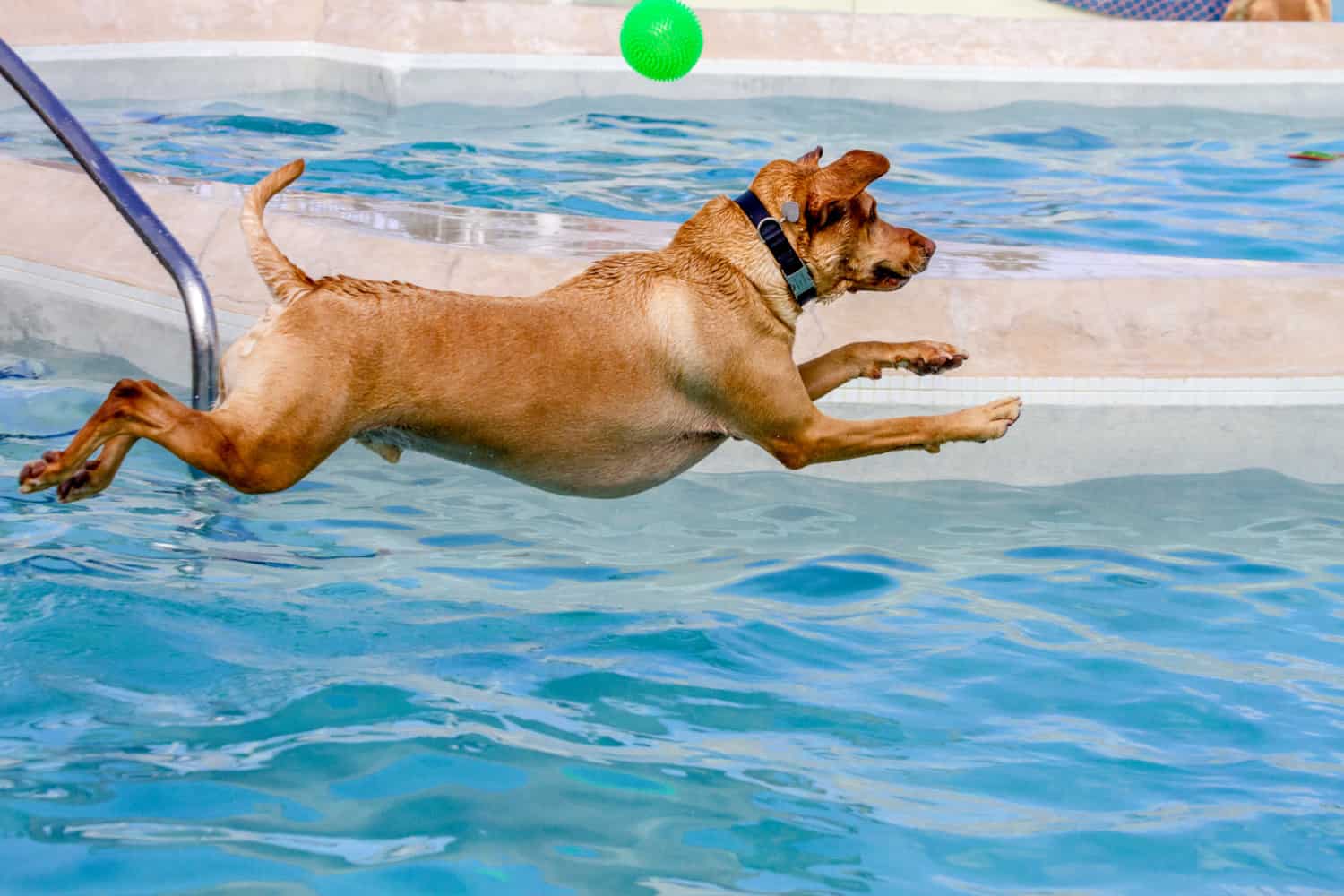
However, animal behaviorists and pet safety experts emphasize a vital corrective to this common assumption: Not all dogs are born knowing how to swim.
Even if you own a breed traditionally renowned for its affinity for water, such as a Labrador Retriever or a Portuguese Water Dog, your pup may still require deliberate, patient instruction to feel safe and secure while afloat. Teaching a dog to swim is far more than a fun weekend activity; it is a critical life skill. Tragically, an estimated 10,000 dogs drown in the United States every year. The vast majority of these heartbreaking accidents occur when an unsupervised or untrained dog accidentally falls into a backyard swimming pool and is unable to locate the steps or ramp to exit.
Just like humans, once a canine enters deep water unexpectedly, panic sets in. They begin frantically splashing, quickly exhausting their energy reserves, and ultimately sinking. By demystifying the water-learning process, introducing safety measures, and recognizing individual canine limitations, pet owners can transform a potential hazard into a lifetime of shared aquatic joy.
Chronology: From Hesitant Paws to Confident Paddling
Introducing a dog to water requires a carefully paced, step-by-step chronology. Rushing the process can trigger a lifelong aversion, whereas a methodical approach builds trust and competence.
Phase 1: Assessment and Skill Leveling
Before stepping foot near a pool or lake, evaluate where your dog sits on the water-readiness scale. This assessment can be done gently at the shoreline or shallow end of a pool by supporting your dog in the water or walking with them on a leash.
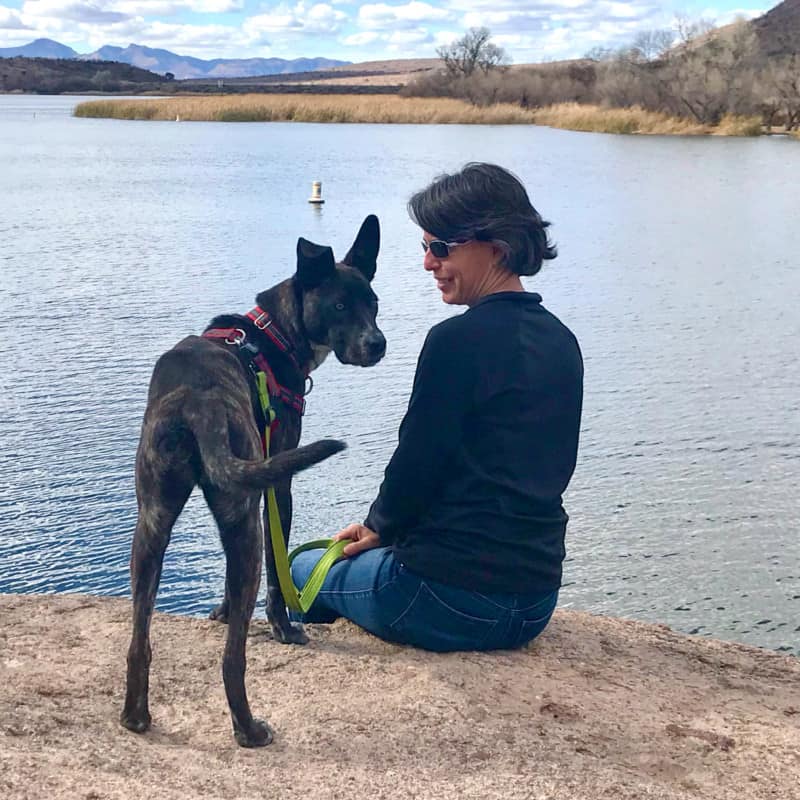
- The Land-Lover: If your dog immediately struggles, panics, or tries to climb back onto dry land—or flatly refuses to step anywhere near a puddle, much less a lake—you are dealing with a non-swimmer. While some dogs can be coaxed over time with treats and toys, others (like Myles, a famous non-swimming fixture in the GoPetFriendly community) simply prefer to admire the scenery from solid ground.
- The Partial Paddler: If your dog enters the water but only slaps the surface with their front paws while allowing their hind end to sink, they possess basic instincts but lack proper form. They will need your physical support to learn how to engage their hind legs and tail for stabilization.
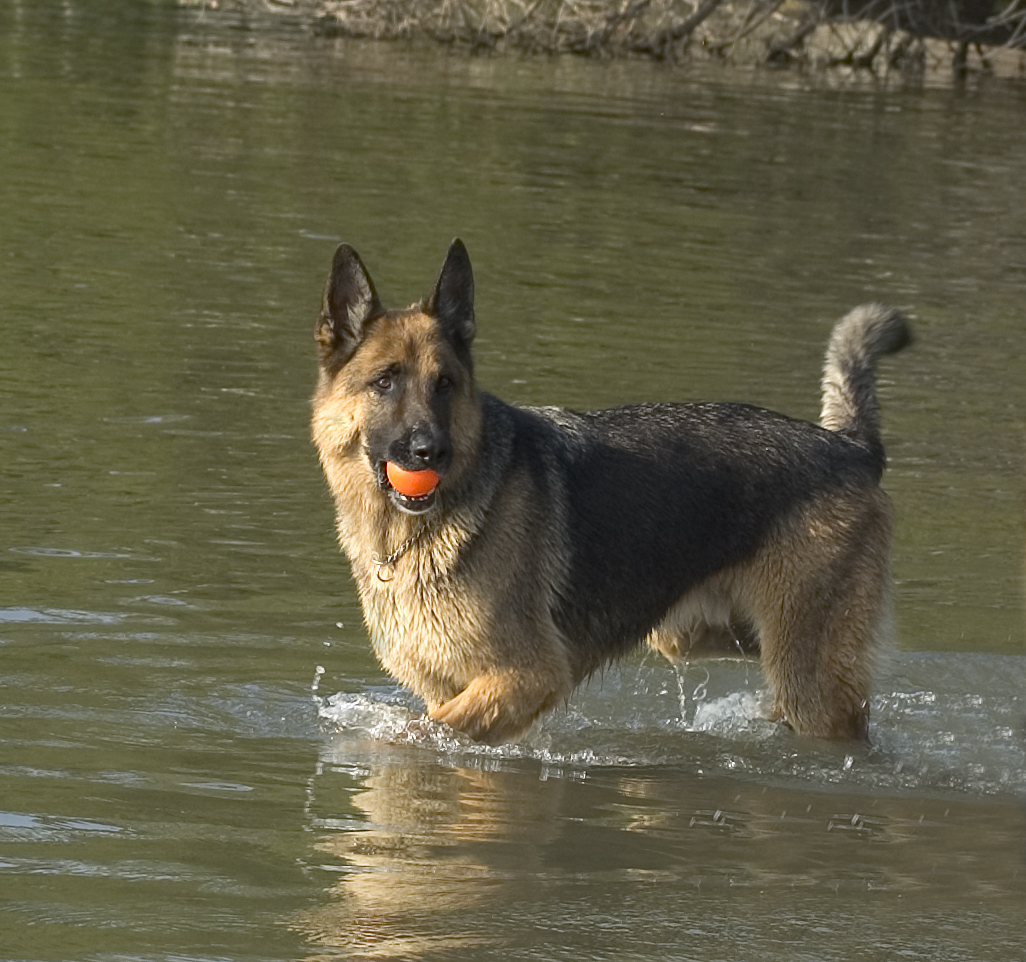
- The Natural: If your dog immediately coordinates their front and rear limbs into a smooth, rhythmic propulsion system, congratulations—you have a natural-born swimmer on your hands, much like Amy and Rod’s beloved water-loving dog, Buster.
Phase 2: Introduction and Low-Stress Acclimation
Once you understand your dog’s baseline, the training can begin. Never throw, push, or force a dog into deep water. This induces immediate trauma and destroys trust.
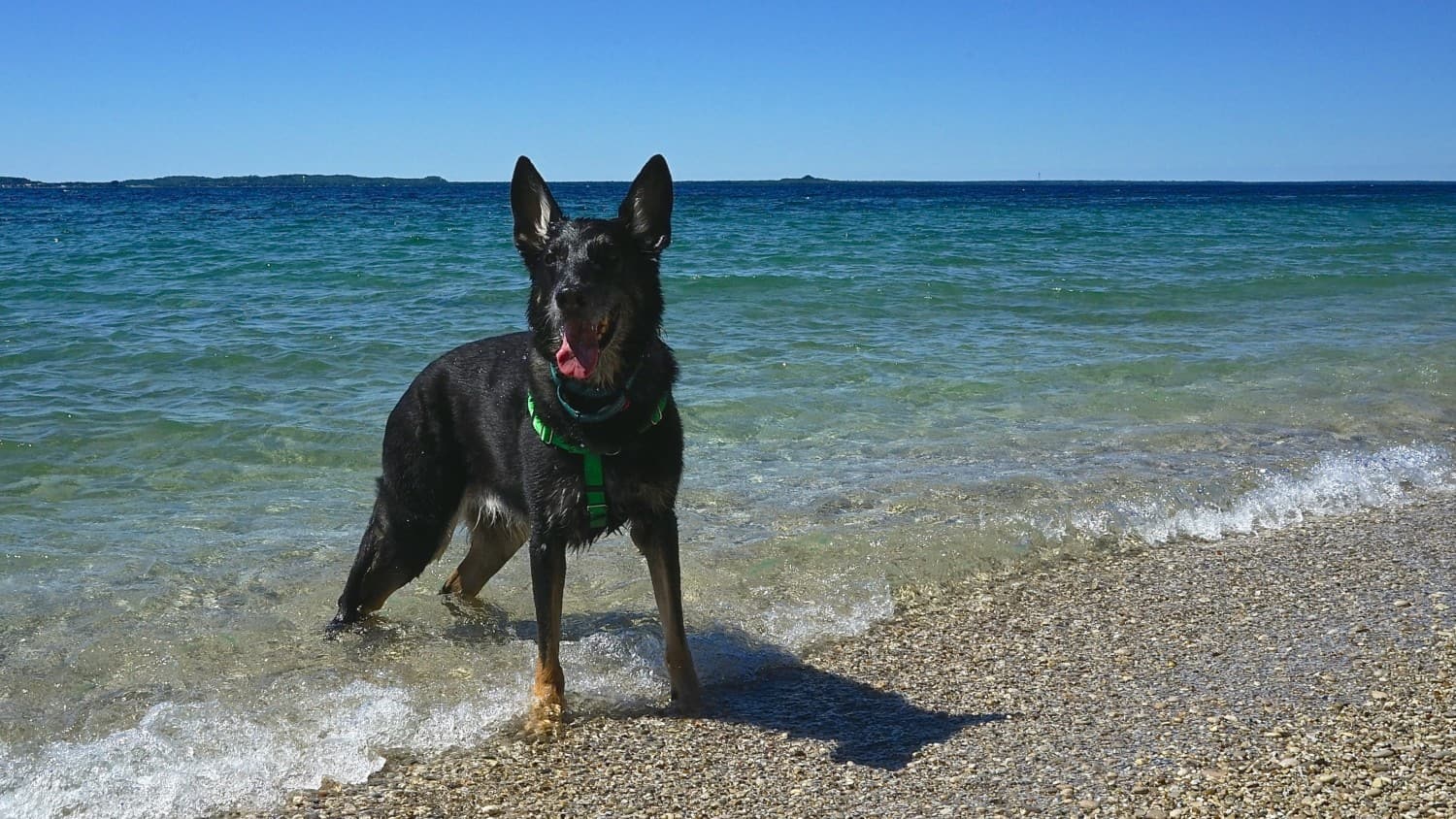
- Choose the Right Environment: Start in a calm, shallow, gradually sloping area, such as a quiet lake beach or the shallow end of a dog-friendly pool. Ensure the water temperature is comfortable—neither freezing cold nor uncomfortably warm.
- Lure, Don’t Push: Use floating fetch toys, high-value treats, or your own enthusiastic encouragement to entice your dog into the water step by step. Allow them to walk in voluntarily as long as they can feel the firm ground beneath their paws.
Phase 3: Building Endurance and Advanced Water Sports
Once your dog masters basic buoyancy and learns how to safely navigate the entry and exit points of a water body, a whole new world of recreational possibilities opens up. Experienced pet owners can transition from basic wading to advanced aquatic sports, including canoeing, kayaking, paddleboarding, dock diving, and retrieving contests. Throughout this progression, patience remains your most valuable tool.
Supporting Data: The Physical and Mental Benefits of Swimming
Beyond preventing tragic accidents, incorporating swimming into your dog’s routine offers extraordinary health benefits, making it a cornerstone of modern veterinary physical rehabilitation.
- Low-Impact Rehabilitation: Swimming serves as an exceptional form of safe aerobic exercise for dogs suffering from canine arthritis, hip dysplasia, spinal issues, or those recovering from orthopedic surgeries. The natural buoyancy of water supports the animal’s body weight, drastically reducing pressure on painful joints while allowing them to build muscle mass and burn calories painlessly.
- Weight Management: Obesity is a rising epidemic among domestic dogs, contributing to diabetes, heart disease, and shortened lifespans. Water-based exercise provides a high-calorie-burn workout without the pounding impact that running on asphalt places on heavy frames.
- Energy Output for Performance Dogs: Working and performance dogs—those participating in agility trials, flyball, herding, frisbee, tracking, and obedience competitions—require peak physical conditioning. Trainers frequently utilize swimming regimens to maintain cardiovascular health and muscle tone during off-seasons or to condition dogs safely without risking joint wear and tear.
Official Perspectives and Expert Guidelines
To ensure swimming remains a safe and positive experience, animal care professionals and safety crusaders have established firm operational guidelines.
Renowned pet safety instructor and author Denise Fleck emphasizes that preparedness is key to any outdoor canine activity. "Whether you are teaching a dog to navigate a swimming pool or preparing for emergencies, understanding your pet’s physical limits is paramount," Fleck notes. (Pet owners should also familiarize themselves with emergency veterinary protocols before embarking on water-heavy vacations, ensuring they know the nearest 24/7 clinic locations).
Essential Water Safety Rules from Pet Experts:
- Monitor Fatigue Closely: Dogs having fun in the water often ignore their own exhaustion. Watch for heavy, labored breathing or a sagging rear end—telltale signs that your dog is tired and needs an immediate break on dry land.
- Post-Swim Hygiene is Non-Negotiable:
- Chlorine and Chemicals: Pool water contains chlorine and other chemicals that can severely irritate a dog’s sensitive skin and eyes.
- Natural Waters: Lakes, rivers, and ponds harbor bacteria, algae blooms, and parasites that can induce severe gastrointestinal illness.
- Action: Always thoroughly rinse or shampoo your dog’s coat after a swimming session. Pay special attention to drying their ear canals completely to prevent painful ear infections (otitis externa).
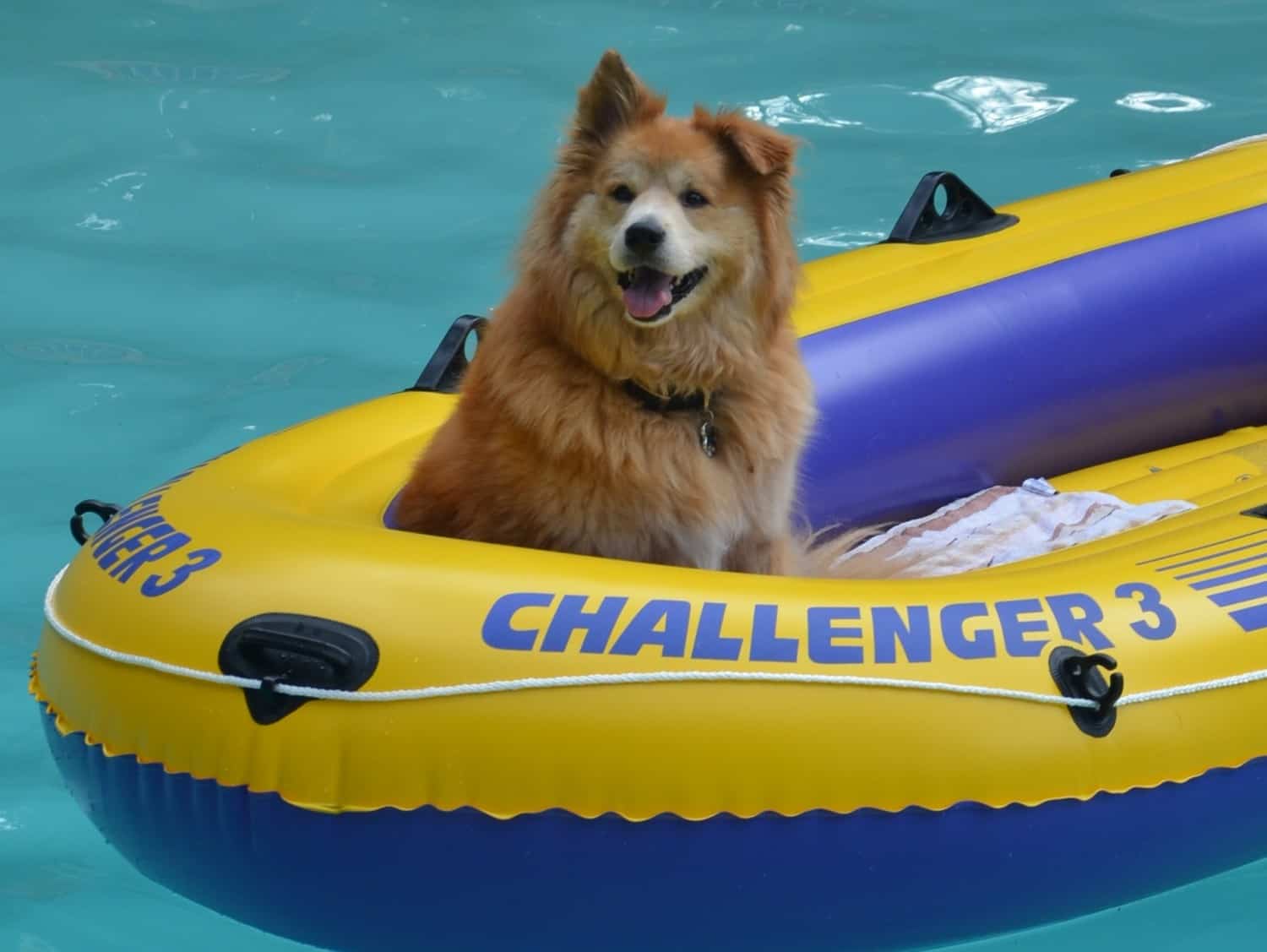
- Respect Individual Preferences: Just as human beings possess different athletic inclinations, not every dog is cut out for aquatic sports. If your dog makes it clear that a shallow plastic kiddie pool—or simply lounging on a pool float—is their absolute limit, respect their boundaries.
Implications: Building Lifelong Bonds Through Shared Adventures
Teaching a dog how to safely navigate the water carries profound implications for the human-animal bond. When approached with patience, empathy, and strict adherence to safety protocols, water training transforms from a chore into a collaborative adventure.
The trust built while guiding a hesitant pup from the shoreline into the gentle ripples of a lake translates into deeper companionship across all areas of pet ownership. Furthermore, opening up the world of water sports—whether it is a weekend canoeing trip, a sunny afternoon paddleboarding excursion, or a game of fetch at a pet-friendly beach—enriches a dog’s mental and physical well-being.
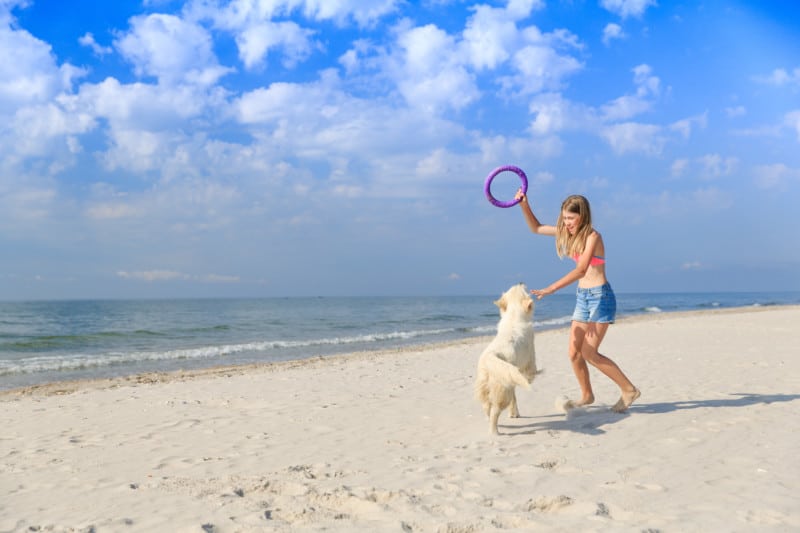
By investing the time now to teach water safety and swimming mechanics, owners protect their pets from preventable tragedies while unlocking a lifetime of shared memories, sun-soaked adventures, and tail-wagging joy.