KENNESAW, GA — A quiet but urgent crisis is unfolding in the aisles of pet retail stores across the United States. For years, the Georgia House Rabbit Society (GHRS) has served as a sanctuary for the casualties of the commercial pet trade. Now, alongside more than 100 rescues nationwide, the Kennesaw-based organization is escalating its advocacy, demanding that the retail giant Petland cease the sale of live rabbits.
This campaign, spearheaded by The Rabbit.org Foundation, seeks to fundamentally shift how the public perceives rabbit ownership, moving away from impulse-driven retail purchases and toward the ethical, adoption-first models championed by shelters. For advocates in Georgia, this is not merely a policy dispute; it is a battle to end a cycle of neglect, abandonment, and preventable suffering.
The Anatomy of a Retail Crisis
The core of the issue lies in the business model of selling live animals in a retail environment. Rabbits are complex, sensitive, and long-lived creatures that require specialized veterinary care, specific dietary needs, and significant space. When sold as "starter pets" or impulse purchases in pet stores, these needs are frequently ignored or misunderstood.
"Across Georgia’s three Petland locations, we see the fallout firsthand," says Courtney Gurley, Shelter Manager of the Georgia House Rabbit Society. "Young rabbits are often sent home with families who don’t yet understand their specialized needs. Weeks later, many of those same rabbits arrive at our rescue underweight, frightened, and in need of medical intervention."
The disconnect between the point of sale and the reality of care is the primary engine behind the overcrowding at shelters like the GHRS. By the time a family realizes that a rabbit is not a low-maintenance cage pet, the animal is often suffering from malnutrition, stress-related illnesses, or behavioral issues stemming from improper housing.
A Chronology of Compassion and Conflict
Since its founding in 1996, the Georgia House Rabbit Society has worked to bridge the gap between human ignorance and animal welfare. The history of their struggle reflects a broader shift in animal rights, from simple rescue operations to active legislative and corporate advocacy.
1996–2019: The Foundation Years
The GHRS spent its first two decades focused on the immediate rehabilitation and rehoming of abandoned rabbits. During this period, the organization grew into a community pillar, providing education to thousands of Georgians. However, volunteers consistently noted a recurring trend: a high volume of intakes originated from big-box retailers, where animals were sold with little more than a bag of pellets and a small cage.
2020: The Turning Point of "Lazarus"
In 2020, the reality of the pet-store pipeline reached a breaking point for the staff at GHRS. A Petland employee arrived at the shelter with a young rabbit, later named Lazarus. The state of the animal was a visceral indictment of the retail environment: Lazarus was lethargic, severely underweight, and riddled with coccidia, a parasitic infection that thrives in the overcrowded, high-stress conditions typical of retail mass-breeding facilities.
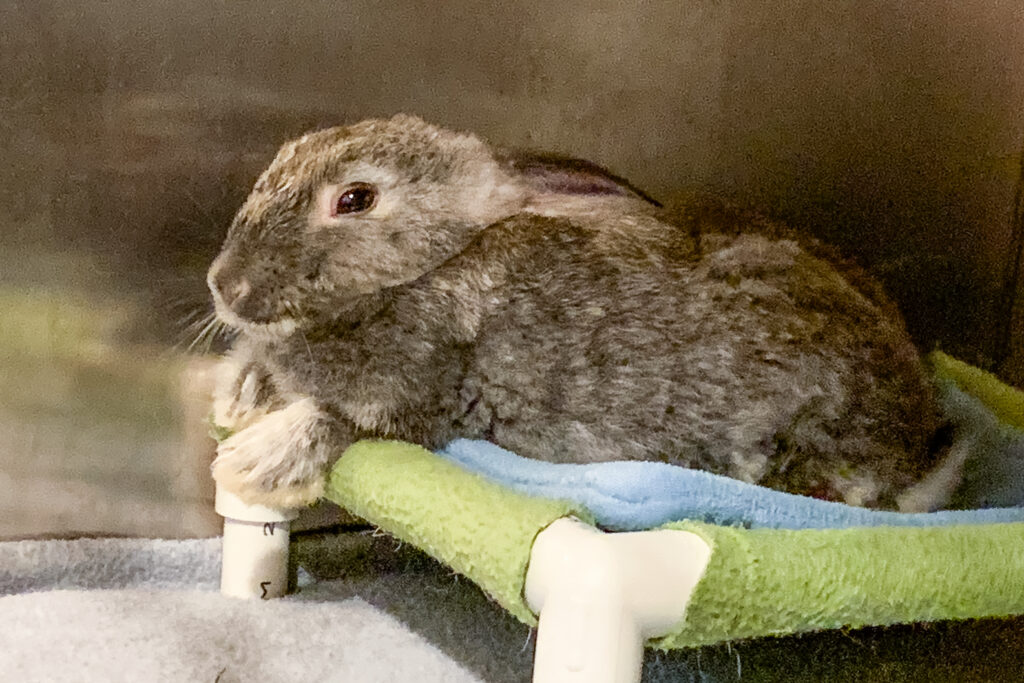
Lazarus’s survival was not guaranteed. He required round-the-clock intensive care, specialized medication, and weeks of socialization. His eventual recovery—and subsequent adoption into a loving home—served as a rallying cry for the organization. He became the face of the movement: a symbol of resilience that forced the conversation beyond statistics and into the realm of moral obligation.
2025: A National Movement
By October 2025, the frustration of local rescues had coalesced into a national movement. The Rabbit.org Foundation launched the "Stop Rabbit Sales" campaign, providing a unified front for organizations across the country. The GHRS officially joined this coalition, marking a new chapter in their advocacy: moving from reactive rescue to proactive corporate pressure.
Supporting Data: The Cycle of Abandonment
The data behind the demand to end rabbit sales is sobering. Domestic rabbits, when properly cared for, can live for 8 to 12 years. However, the lifespan of a rabbit sold in a commercial retail setting is often significantly shorter.
Retailers often market rabbits as "easy" pets for young children. This narrative ignores the biological reality of the lagomorph:
- Dietary Precision: Rabbits are hindgut fermenters. Improper diets—often encouraged by pet store sales of "treats" and low-fiber pellets—lead to life-threatening GI stasis.
- Medical Needs: Rabbits are exotic animals. They require specialized, rabbit-savvy veterinarians. Most general pet owners, having purchased their rabbit on a whim, are unaware of this necessity until an emergency occurs.
- Social Complexity: Rabbits are social, intelligent, and territorial. The small, glass-enclosed cages typical of retail displays are physically and mentally damaging to these animals, often leading to aggression or deep-seated fear.
Studies conducted by welfare organizations suggest that animals purchased in retail environments have a significantly higher rate of return or abandonment within the first 12 months. When a store sells a life as a commodity, the consumer treats the purchase as a commodity, leading to the "disposable pet" culture that keeps shelters at maximum capacity.
Official Responses and Corporate Responsibility
To date, the response from large retail entities regarding live animal sales has remained largely stagnant, prioritizing revenue over animal welfare. The argument from corporations often centers on the idea that they provide "access" to pets. However, the Georgia House Rabbit Society and its partners argue that this "access" is a disservice to both the consumer and the animal.
By partnering with local rescues—a model known as the "humane retail model"—stores can still drive foot traffic and sell supplies without the ethical baggage of live animal sales. Under this model, stores host adoption days, allowing them to support the community and ensure that animals are placed in homes that have been vetted and educated.
"We aren’t just asking for a change in policy," says a spokesperson for the coalition. "We are asking for a change in corporate philosophy. It is time for retailers to recognize that their bottom line should not be built on the suffering of sentient creatures."
The Implications for the Future
The campaign against Petland and similar retailers is part of a larger, global conversation about the ethics of animal commerce. From bans on puppy mills to the push for "adopt, don’t shop" initiatives, society is slowly moving toward a more empathetic understanding of animal welfare.
For the Georgia House Rabbit Society, the goal is clear: to ensure that every rabbit in Georgia is wanted, understood, and provided for. The implications of this campaign extend far beyond the storefronts of Kennesaw, Norcross, and Marietta. If these retailers can be persuaded to pivot, it would represent a massive victory for animal welfare, setting a precedent that could ripple across the retail industry.
How to Support the Movement
The advocacy work conducted by the GHRS is fueled by volunteers and community support. The "Stop Rabbit Sales" initiative is not a one-time protest, but a sustained campaign that relies on public pressure.
- Education: The most powerful tool is knowledge. The GHRS encourages potential pet owners to learn about the realities of rabbit care before making a commitment.
- Advocacy: Public pressure works. By engaging with local representatives and expressing concern about the sale of live animals in local retail stores, citizens can help drive the legislative changes needed to protect these animals.
- Support Local Rescues: Rather than buying from a retail store, prospective pet owners are urged to visit the Georgia House Rabbit Society or other local shelters. Adopting a rabbit from a rescue ensures the animal has been health-checked, neutered/spayed, and matched with a family that is prepared for the long-term commitment.
Conclusion: A Legacy of Second Chances
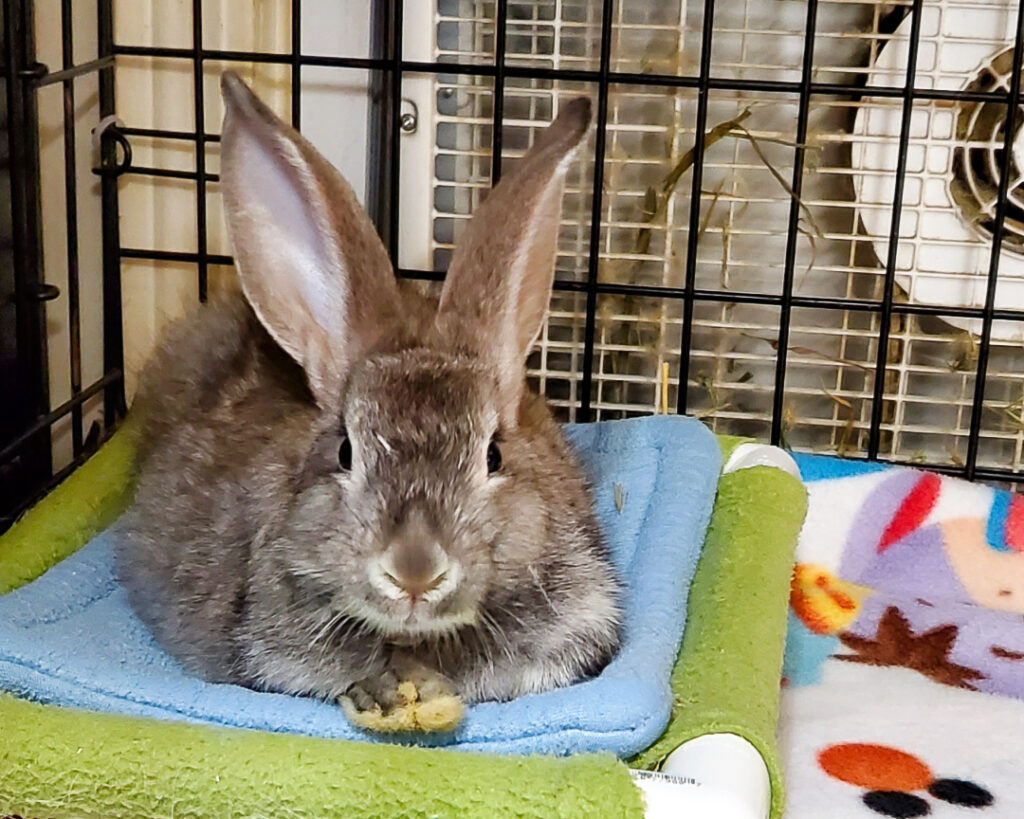
The story of Lazarus, the rabbit rescued from the brink of death in 2020, remains the guiding light for the GHRS. His transformation—from a neglected, sick animal in a store cage to a thriving, happy member of a family—is the mission statement of the entire organization.
As the Georgia House Rabbit Society continues to press Petland to end the sale of rabbits, they do so with the weight of thousands of stories like Lazarus’s behind them. The goal is a future where no rabbit is viewed as a retail product, but as a valued companion, worthy of the time, medical care, and love that every life deserves.
For more information on the campaign, or to support the Georgia House Rabbit Society in their ongoing rescue and advocacy efforts, visit their official website at houserabbitga.com. Together, through education and sustained, unified action, the community can close the doors on the cycle of retail suffering and open a new, more humane chapter for domestic rabbits.