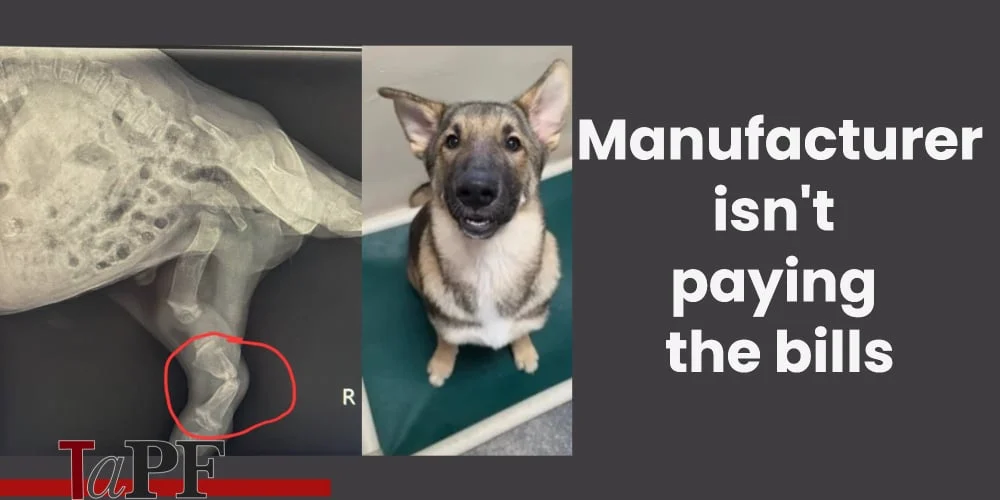
On April 17, 2026, the United States Food and Drug Administration (FDA) issued a formal recall notice that sent shockwaves through the veterinary and animal rescue communities. The recall targeted Breeder’s Edge Foster Care Canine and Shelter’s Choice Canine Milk Replacers, products manufactured by Revival Animal Health LLC. While the official notice cited nutritional imbalances, the clinical reality behind the dry prose of the regulatory announcement was far more harrowing.
Behind the statistics of the recall lies the story of Hazel House Animal Rescue and a litter of nine puppies known as the "Brady Bunch." What began as a miraculous rescue from a dumpster has spiraled into a medical nightmare and a high-stakes legal confrontation that raises profound questions about corporate accountability, the safety of neonatal pet nutrition, and the responsibilities of private equity-backed pet health companies.
Main Facts: A Crisis of Neonatal Nutrition
The core of the controversy involves Breeder’s Edge Foster Care Puppy Milk Replacer, a product marketed as providing "complete nutrition with digestive and immune support" for orphaned or supplemental feeding of neonatal puppies. For Hazel House Animal Rescue, a non-profit organization based in Oregon, this product was trusted to save the lives of nine abandoned newborns.
However, instead of providing the foundation for growth, the formula is alleged to have caused a catastrophic medical condition known as nutritional rickets. According to a lawsuit filed by the rescue, the formula was severely deficient in several essential minerals. The FDA’s subsequent investigation identified critical deficiencies in six key nutrients: Calcium, Phosphorus, Copper, Iron, Magnesium, and Potassium.
Most alarming were the levels of Calcium and Phosphorus. These minerals are the fundamental building blocks of skeletal development in rapidly growing puppies. The FDA’s analysis reportedly found that the formula contained only 35% of the AAFCO (Association of American Feed Control Officials) minimum requirement for Calcium and only 39% for Phosphorus. This profound imbalance led to metabolic bone disease, causing the puppies’ bones to become so brittle that they fractured under the simple stress of movement or collapsed under their own body weight.
Currently, Hazel House Animal Rescue is facing a financial crisis, seeking to raise $100,000 to cover the costs of surgeries, rehabilitation, and long-term veterinary care for the surviving puppies. Meanwhile, the manufacturer, Revival Animal Health, and its parent company, Incline Equity Partners, have come under intense scrutiny for their perceived failure to provide immediate financial restitution for the damages caused by their product.
Chronology: From Abandonment to the Courtroom
The timeline of this crisis illustrates a journey from hope to heartbreak, beginning in the coldest days of winter.
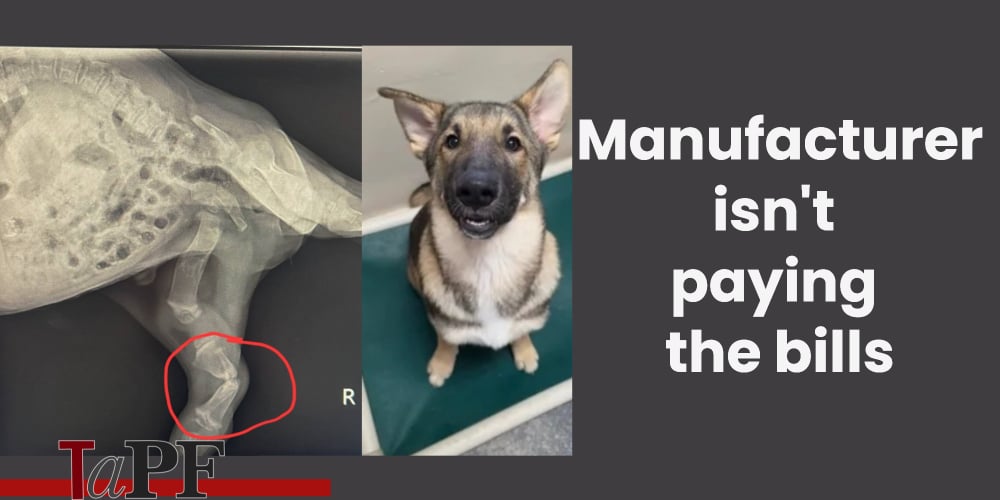
January 13, 2026: The Discovery
A Good Samaritan in Oregon discovered a litter of nine newborn puppies abandoned near a dumpster. The puppies were so young that several still had their umbilical cords attached. Hazel House Animal Rescue immediately stepped in, naming the litter after the characters of The Brady Bunch: Carol, Alice, Peter, Greg, Mike, Bobby, Jan, Cindy, and Marcia. Because they were orphaned neonates, the puppies required 24-hour bottle feeding. The rescue chose Breeder’s Edge Foster Care Puppy Milk Replacer, believing it to be a premium, reliable source of nutrition.
February 2026: The First Symptoms
For the first few weeks, the puppies appeared to be thriving. However, as they reached the four-week mark—a period of rapid skeletal growth—the situation turned dire. The rescue staff noticed one puppy began to limp. Within days, the condition spread through the litter. One puppy, Greg, lost the ability to walk entirely. Four other siblings began showing signs of severe mobility distress.
March 2026: The Diagnostic Odyssey
What the rescue initially hoped were isolated injuries were revealed to be systemic. A grueling series of medical interventions followed, including multiple veterinary visits, specialized x-rays, consultations with orthopedic surgeons, extensive bloodwork, and endocrinology reviews. Genetic testing was even conducted to rule out hereditary conditions. Eventually, with FDA involvement, the diagnosis was confirmed: nutritional rickets.
April 17, 2026: The Official Recall
The FDA formally announced the recall of Breeder’s Edge and Shelter’s Choice canine milk replacers. The recall highlighted the "elevated levels of Vitamin D" and significant mineral deficiencies that made the product unsafe for its intended use. By this time, the "Brady Bunch" puppies had already sustained permanent or semi-permanent skeletal damage.
June 2026: Legal Escalation
After months of private negotiations with Revival Animal Health failed to yield a settlement that would cover the puppies’ extensive medical bills, Hazel House Animal Rescue filed a formal lawsuit against the company. The rescue alleged that the manufacturer was fully aware of the product’s defects but failed to take responsibility for the resulting veterinary costs.
Supporting Data: The Science of Metabolic Bone Disease
To understand the severity of this recall, one must examine the physiological requirements of a neonatal puppy. During the first eight weeks of life, a puppy’s skeletal system undergoes a transformation from soft cartilage to dense bone. This process requires a precise ratio of Calcium to Phosphorus.
The Calcium-Phosphorus Ratio
In healthy canine development, the ratio of Calcium to Phosphorus is as vital as the absolute amounts. When a puppy is fed a diet that provides less than 40% of the required levels of these minerals, the body begins to pull minerals from the existing bone structure to maintain vital organ function (such as heart and nerve signaling). This leads to:

- Osteomalacia: The softening of the bones.
- Pathological Fractures: Breaks that occur during normal activity, such as walking or playing.
- Nutritional Secondary Hyperparathyroidism: A condition where the parathyroid gland becomes overactive to compensate for low blood calcium, further weakening the bones.
FDA Findings and AAFCO Standards
The Association of American Feed Control Officials (AAFCO) sets the "Gold Standard" for pet food nutrition. For a product to be marketed as a "milk replacer" or "complete nutrition," it must meet specific minimums. The lawsuit filed by Hazel House notes that the Breeder’s Edge formula failed these standards by a staggering margin. The deficiency in Copper and Iron also poses risks of anemia and connective tissue disorders, compounding the skeletal issues.
The Financial Toll of Recovery
The "Brady Bunch" puppies require more than just a change in diet to recover. For many, the damage is structural. Five of the puppies currently require advanced orthopedic surgeries to pin and stabilize fractured limbs and correcting bone deformities. The estimated cost of $100,000 includes:
- Orthopedic Surgery: $5,000–$10,000 per puppy.
- Physical Rehabilitation: Hydrotherapy and specialized exercises to rebuild muscle without stressing the bones.
- Diagnostic Monitoring: Monthly X-rays and blood panels to ensure bone density is improving.
Official Responses and Corporate Accountability
The response from the corporate entities involved has been a focal point of public outcry. Revival Animal Health, the manufacturer, is owned by Incline Equity Partners, a private equity firm. This ownership structure has led to criticisms that profit margins may be being prioritized over the welfare of the animals the company serves.
The Manufacturer’s Stance
While Revival Animal Health initiated the voluntary recall in coordination with the FDA, they have not publicly committed to paying for the third-party medical expenses incurred by pet owners or rescues. In statements provided to the media and through the rescue’s reports, the company has participated in "discussions" but has not reached an agreement to fully fund the rehabilitation of the "Brady Bunch" puppies.
The Rescue’s Advocacy
Hazel House Animal Rescue has been vocal in their disappointment. "For months, [we] attempted to resolve this matter privately," the rescue stated. "Unfortunately, no agreement has been reached with the company that would provide all of the necessary funding… for the lasting effects of the imbalanced formula."
Consumer Advocacy Intervention
Susan Thixton, a prominent pet food consumer advocate and founder of TruthAboutPetFood.com, has championed the rescue’s cause. She has publicly called on Revival Animal Health and Incline Equity Partners to "do the right thing" and "write the check." Thixton’s involvement has galvanized the pet-owning public, leading to a surge in direct communications to the company’s headquarters and social media channels.
Implications: The Broader Impact on the Pet Industry
This incident serves as a cautionary tale for the entire pet care industry, highlighting several systemic vulnerabilities.

The Reliability of Milk Replacers
Neonatal animals are the most vulnerable demographic in the pet world. They have zero nutritional redundancy; if their milk replacer is faulty, they have no other food source to compensate for the missing nutrients. This recall suggests a need for more stringent batch testing and oversight for neonatal products compared to adult pet food.
The Role of Private Equity in Pet Care
As private equity firms like Incline Equity Partners continue to acquire pet health and nutrition brands, advocates are concerned about the "corporatization" of animal welfare. When a company is focused on EBITDA (Earnings Before Interest, Taxes, Depreciation, and Amortization), there is a risk that quality control budgets may be trimmed or that the response to product failures may be handled by legal teams focused on liability limitation rather than moral restitution.
Guidance for Veterinarians and Rescues
Veterinary professionals are being urged to review their inventories. Revival Animal Health is not just a formula manufacturer; they provide a wide array of products, including vaccinations and dewormers. The "Brady Bunch" case has prompted calls for veterinarians to reconsider their partnerships with manufacturers that do not stand behind their products when catastrophic failures occur.
A Call for Regulatory Reform
The fact that a "complete" formula could be distributed with only 35% of required calcium suggests a gap in the pre-market verification process. Advocacy groups like the Association for Truth in Pet Food are using this case to lobby for more frequent and rigorous state and federal testing of specialty pet products.
Conclusion: A Long Road to Recovery
The "Brady Bunch" puppies—Carol, Alice, Peter, Greg, Mike, Bobby, Jan, Cindy, and Marcia—face a long and uncertain road. While their spirits remain high, their bodies bear the permanent scars of a manufacturing error that should never have happened.
The lawsuit against Revival Animal Health continues to move through the legal system, but the puppies cannot wait for a court’s verdict. Their surgeries must happen now to prevent permanent disability. As the rescue continues its GoFundMe campaign to cover the $100,000 in medical costs, the case stands as a stark reminder to the pet industry: the "complete nutrition" promise is not just a marketing slogan—it is a lifeline. When that lifeline is severed, the cost is measured not just in dollars, but in the suffering of the most defenseless animals among us.