SAN DIEGO, CALIFORNIA — Renowned for its year-round Mediterranean climate, breathtaking coastline, and laid-back Southern California culture, San Diego has long held a reputation as one of the most welcoming metropolitan areas in the United States for pet travelers. While the city boasts countless attractions, parks, and dining establishments that cater to four-legged family members, few destinations capture the spirit of canine freedom quite like Fiesta Island.
Located just seven miles north of downtown San Diego in the heart of Mission Bay, Fiesta Island is celebrated by local pet owners and traveling globetrotters alike as a hidden gem. Offering miles of sandy shores, expansive interior trails, and panoramic bay views, it represents the gold standard of off-leash recreational areas.
To explore this vibrant pet-friendly ecosystem, we follow the firsthand experiences of local pet advocate and rescue dog owner Jane Forrester and her canine companion, Koa, on a journey that highlights not only the sandy expanses of Fiesta Island but also the culturally rich corridors of Old Town San Diego.
Main Facts: Navigating Fiesta Island’s Off-Leash Haven
Fiesta Island is far more than a simple dog park; it is a sprawling, multi-use recreational peninsula that accommodates an eclectic mix of activities and communities. From RV campers, jet skiers, and kayakers to equestrians, cyclists, and runners, the island operates as a microcosm of San Diego’s active outdoor lifestyle.
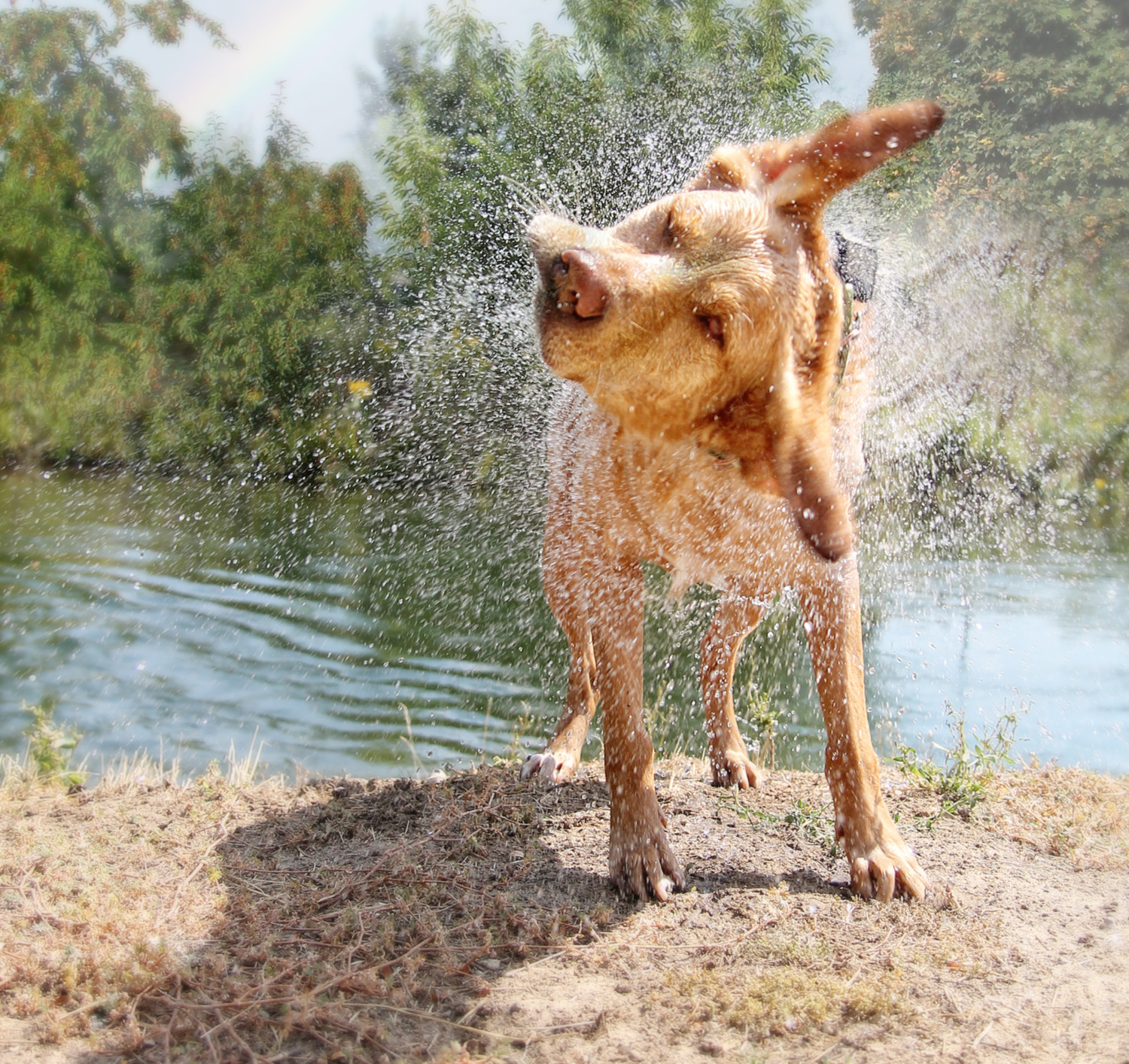
For dog owners, however, the primary draw is the unparalleled freedom the location provides. Unlike traditional urban dog parks bounded by chain-link fences, Fiesta Island offers an open-canvas environment where well-socialized dogs can run, swim, and explore off-leash across vast stretches of shoreline and interior terrain.
Key Logistics for Visitors:
Location: Situated in Mission Bay, approximately 7 miles north of downtown San Diego.
Cost: Completely FREE public access and parking.
Distance: The complete perimeter loop around the park measures just under 6 miles, offering a robust workout for both pets and their human companions.
Infrastructure Note: Visitors must arrive prepared. Aside from occasional portable restrooms, there are no permanent public restrooms or drinking water fountains located on the island. Pet owners must pack ample water, portable bowls, and a generous supply of waste collection bags.
Chronology: A Day of Exploration with Koa and Jane
A successful day trip to San Diego’s premier pet-friendly destinations requires careful pacing, hydration, and an adventurous spirit. Here is how a typical itinerary unfolds for a traveler exploring the area alongside a rescue pup.
Morning: Conquering the Island Heights
The journey begins early in the morning before the Southern California sun reaches its peak. Crossing the bridge onto Fiesta Island, visitors have the option to park immediately or drive the perimeter.
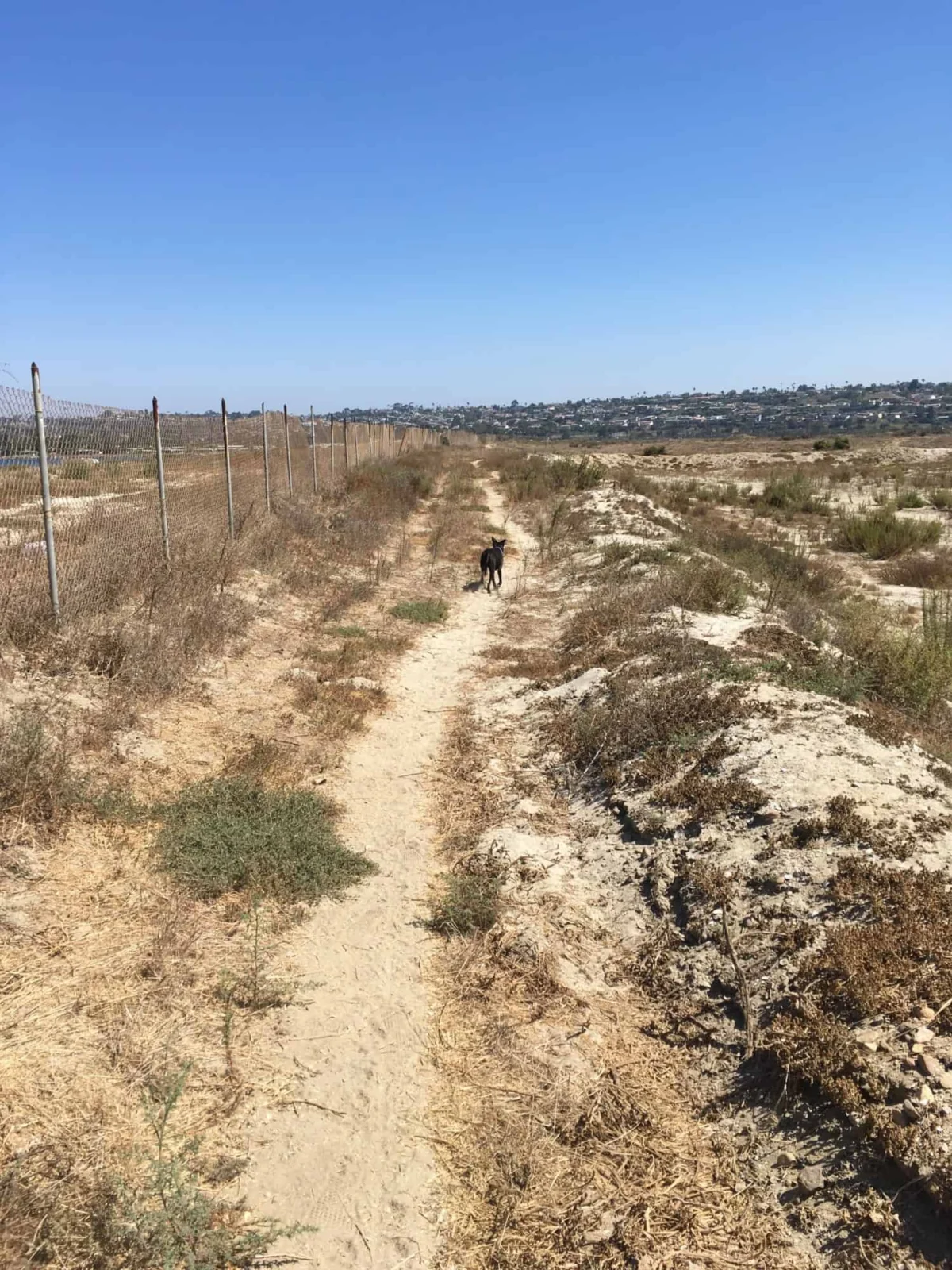
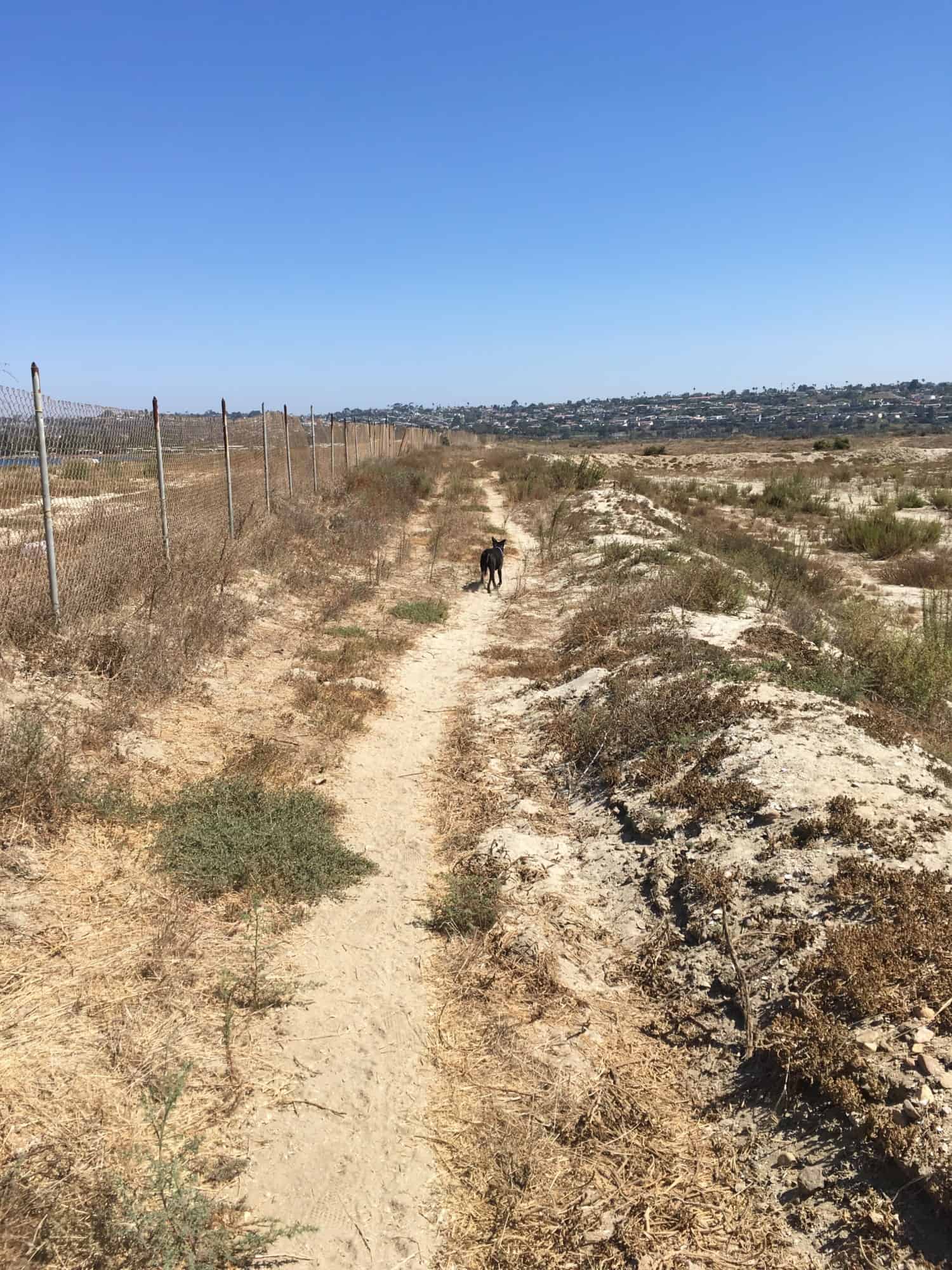
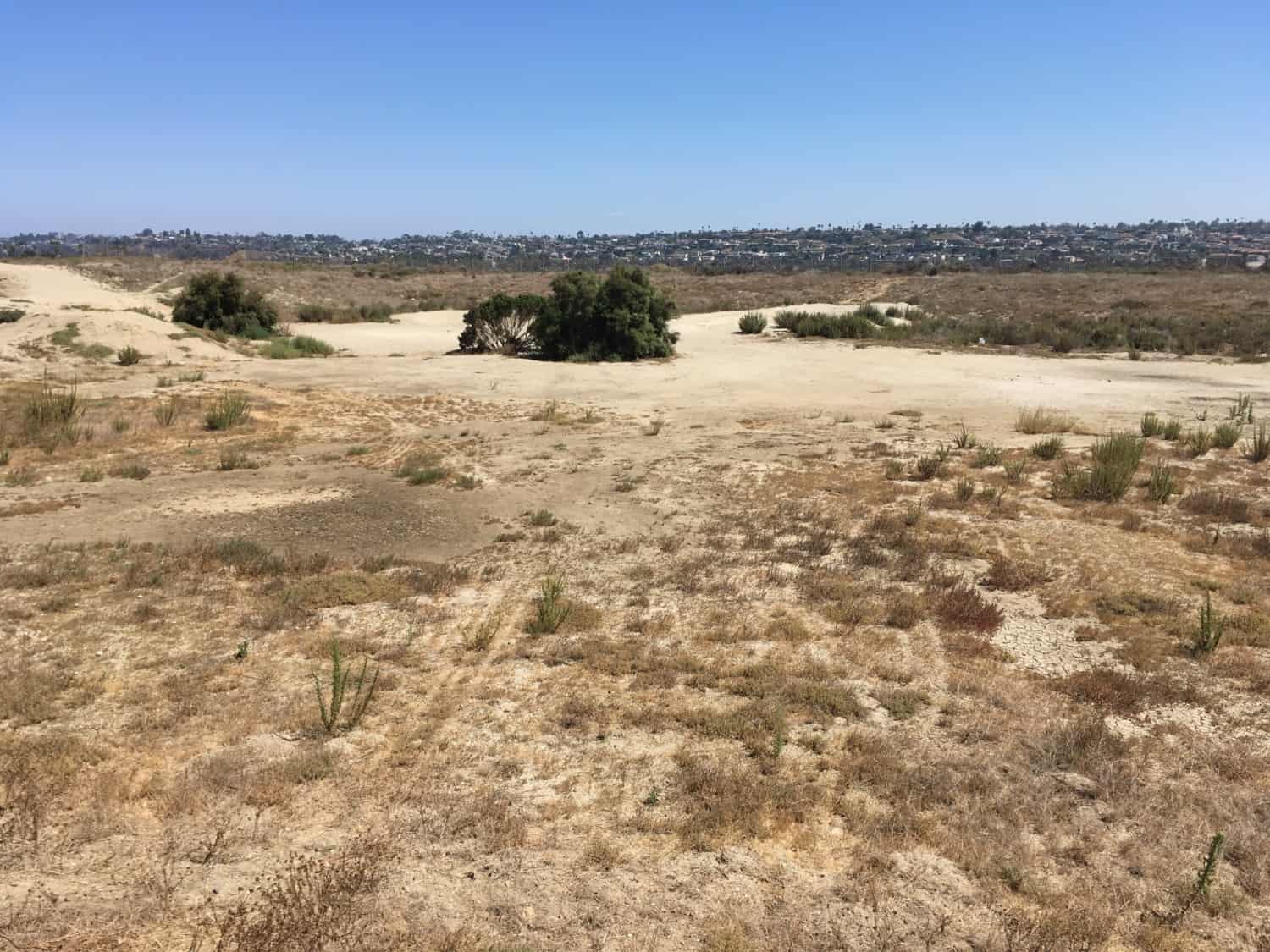
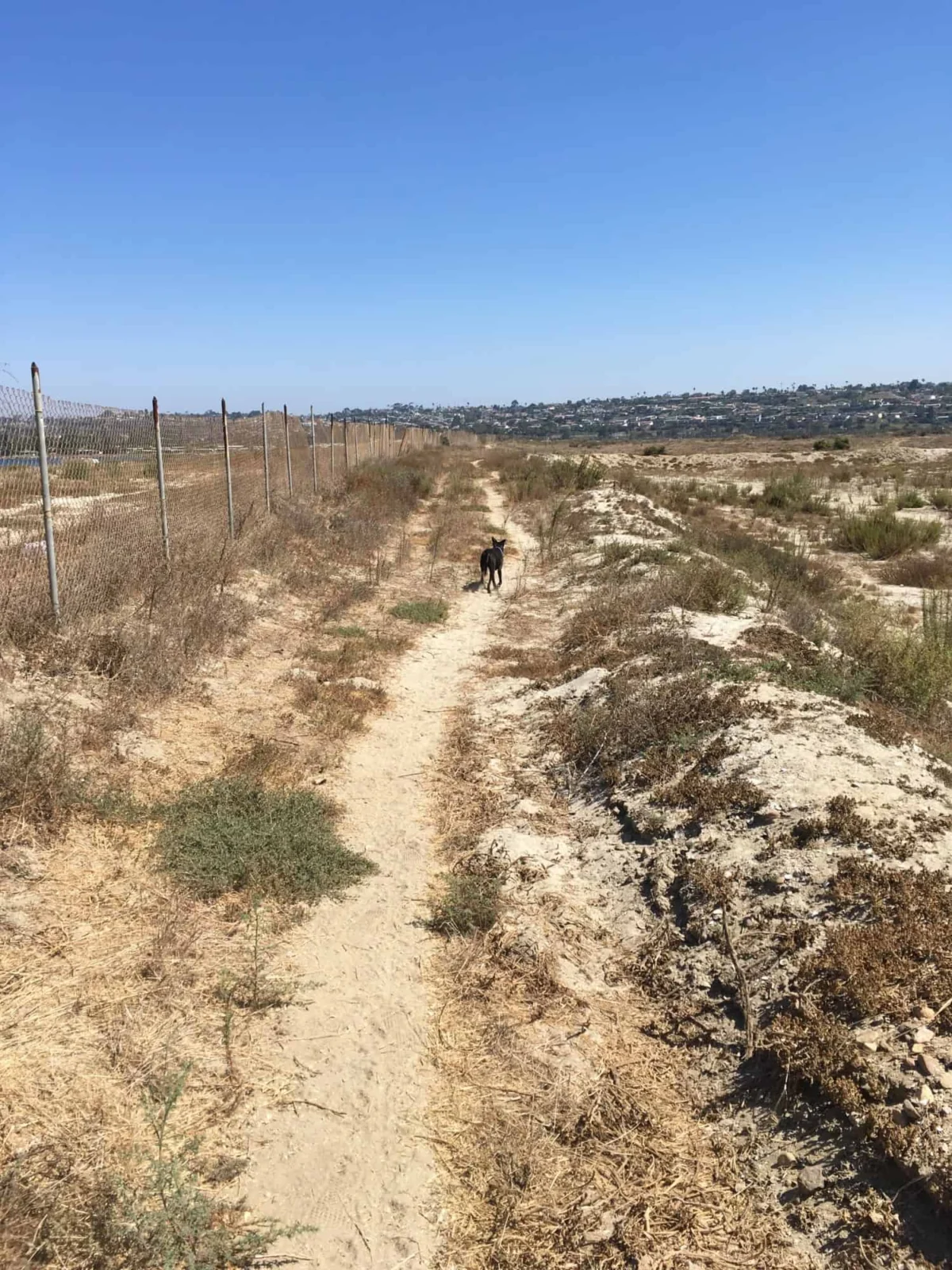
For Jane and her rescue pup, Koa, the adventure started by heading straight for the central hill of the island—a destination frequently overlooked by first-time visitors seeking only the water’s edge.
"We started by heading up the hill to explore the top of the island," Jane recounts. "Most people miss this spot, and we had it all to ourselves that day!"
The elevated vantage point offers sweeping, unobstructed views of Mission Bay and the surrounding San Diego skyline, serving as a peaceful prelude to the energetic activities waiting below.
Mid-Day: Splashing Along the Shoreline
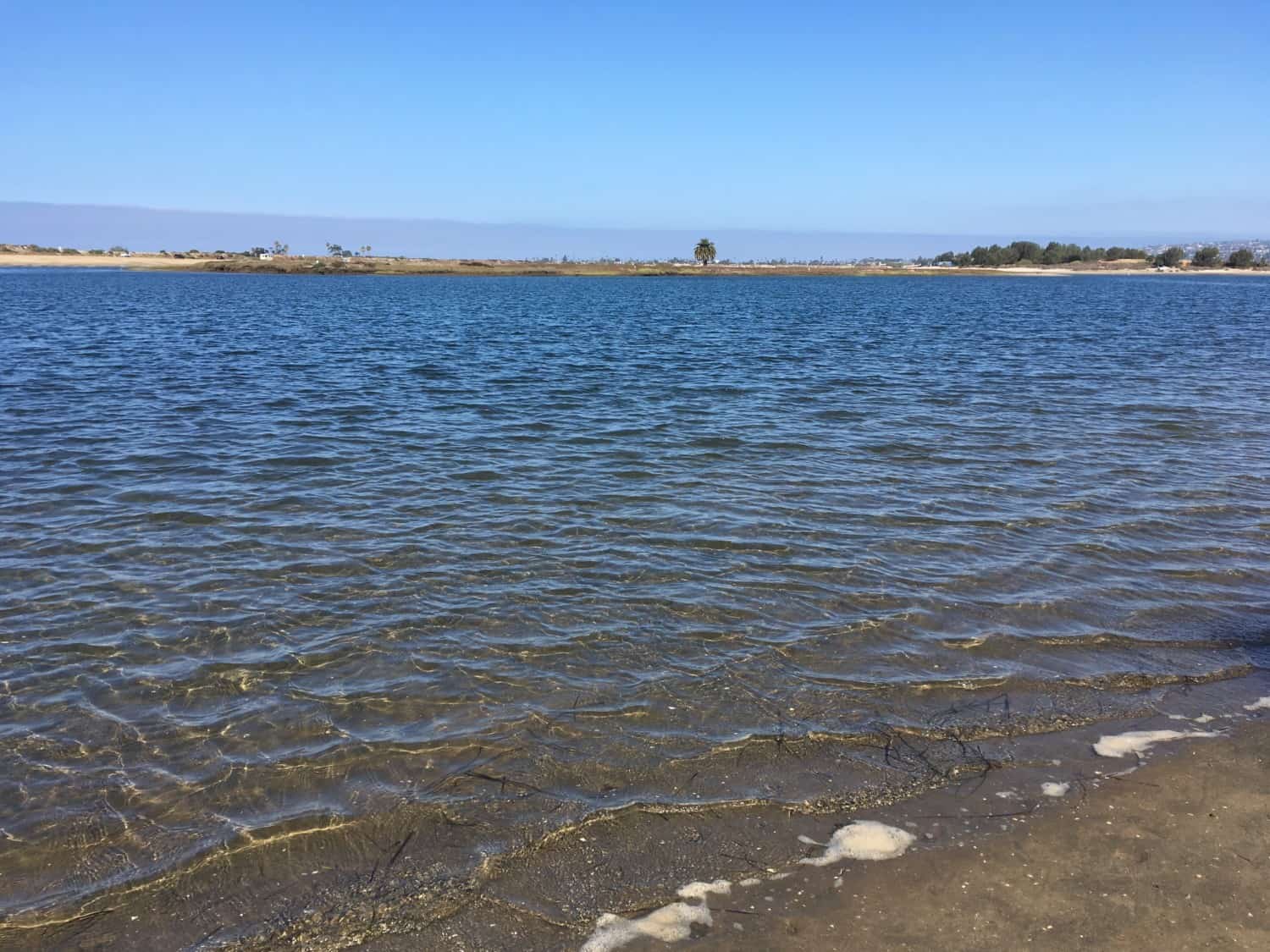
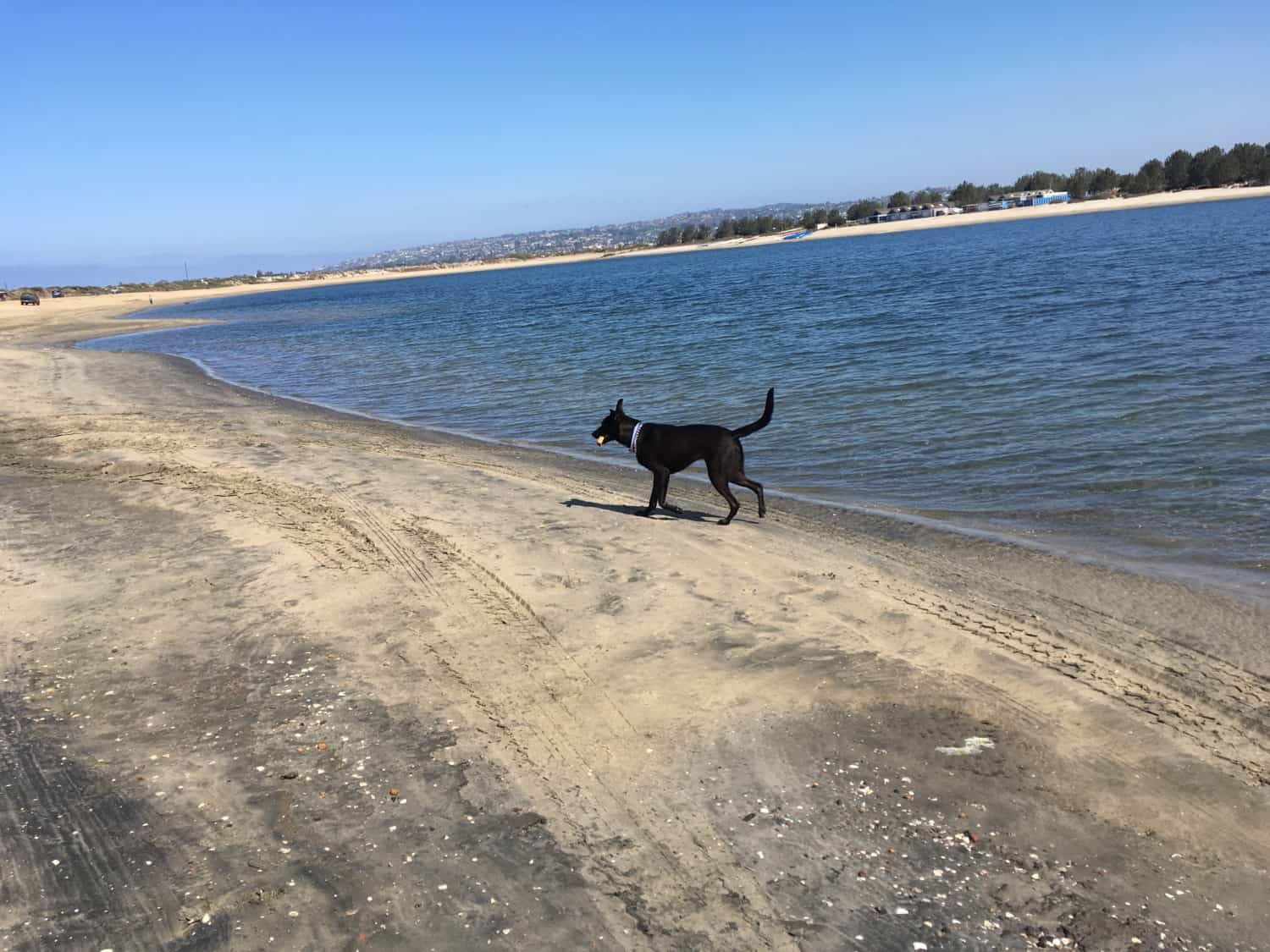
After exploring the interior trails, the itinerary naturally shifts toward the water. On a warm San Diego afternoon, the shoreline beckons.
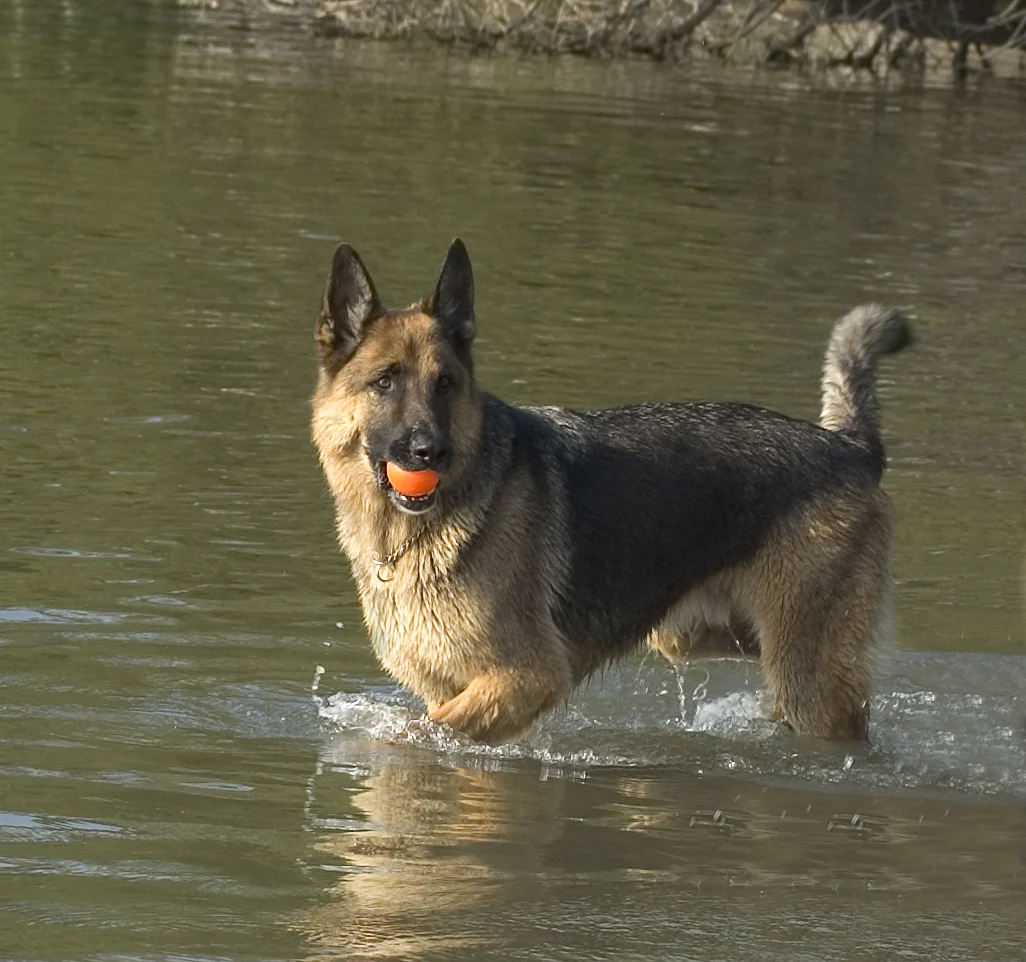
While Koa is a capable swimmer, he shares a quirky trait common among many rescue dogs: a preference for keeping his swimming activities strictly "below shoulder level." Rather than diving headfirst into the deeper channels of the bay, he opts for enthusiastic splashing along the shallows, chasing waves, and digging in the damp sand.
Throughout the excursion, visitors share the beach harmoniously with horseback riders exercising their mounts in the bay, kayakers paddling past the shore, and children playing catch. For rescue dogs who may have spent months confined to shelters, the sensory-rich environment offers profound psychological and physical enrichment.
Late Afternoon: Stepping Back in Time at Old Town
After spending roughly three grueling, fun-filled hours exploring the trails and beaches of Fiesta Island, a transition to a more historic, structured environment provides the perfect balance for the remainder of the day.
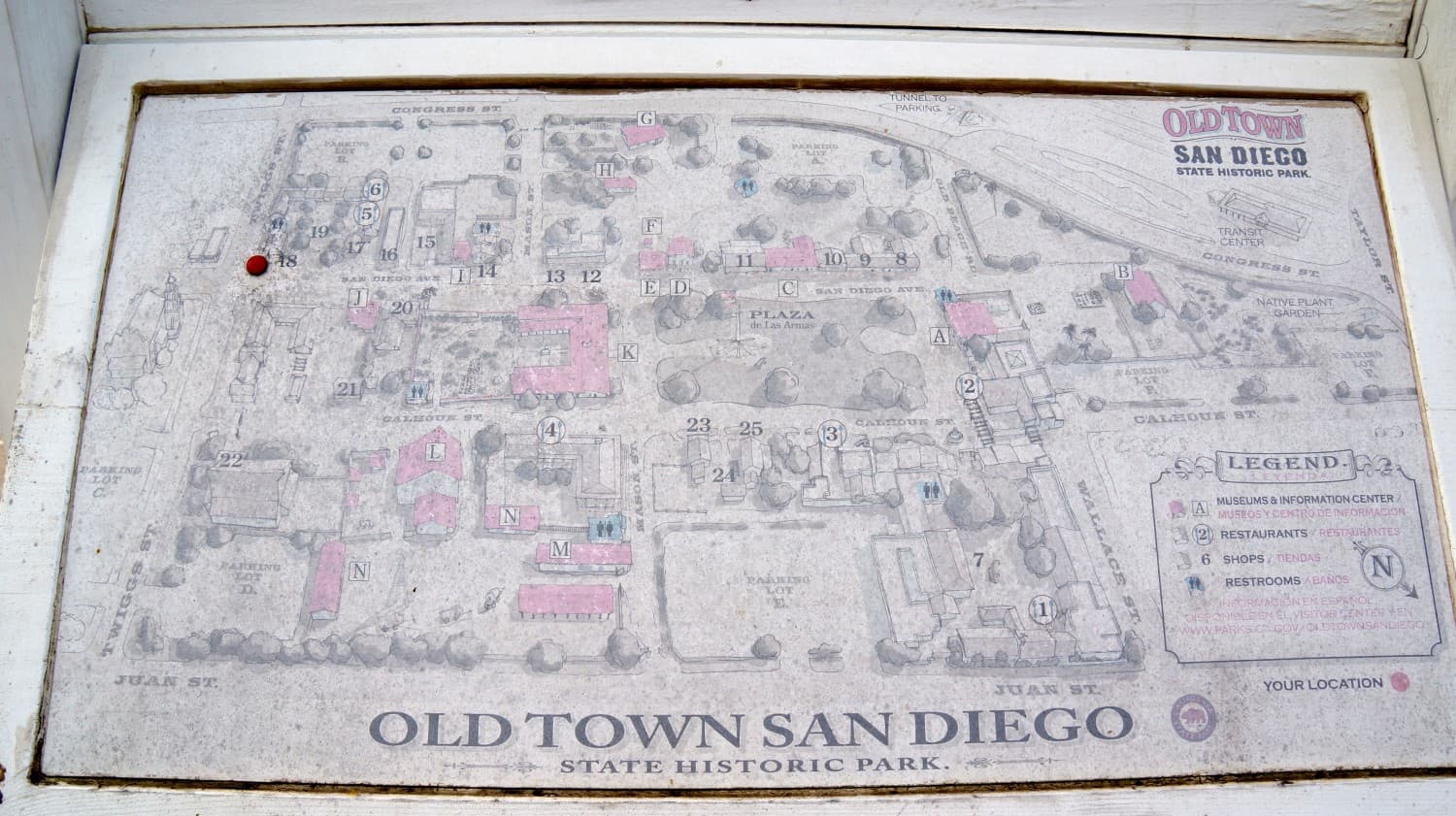
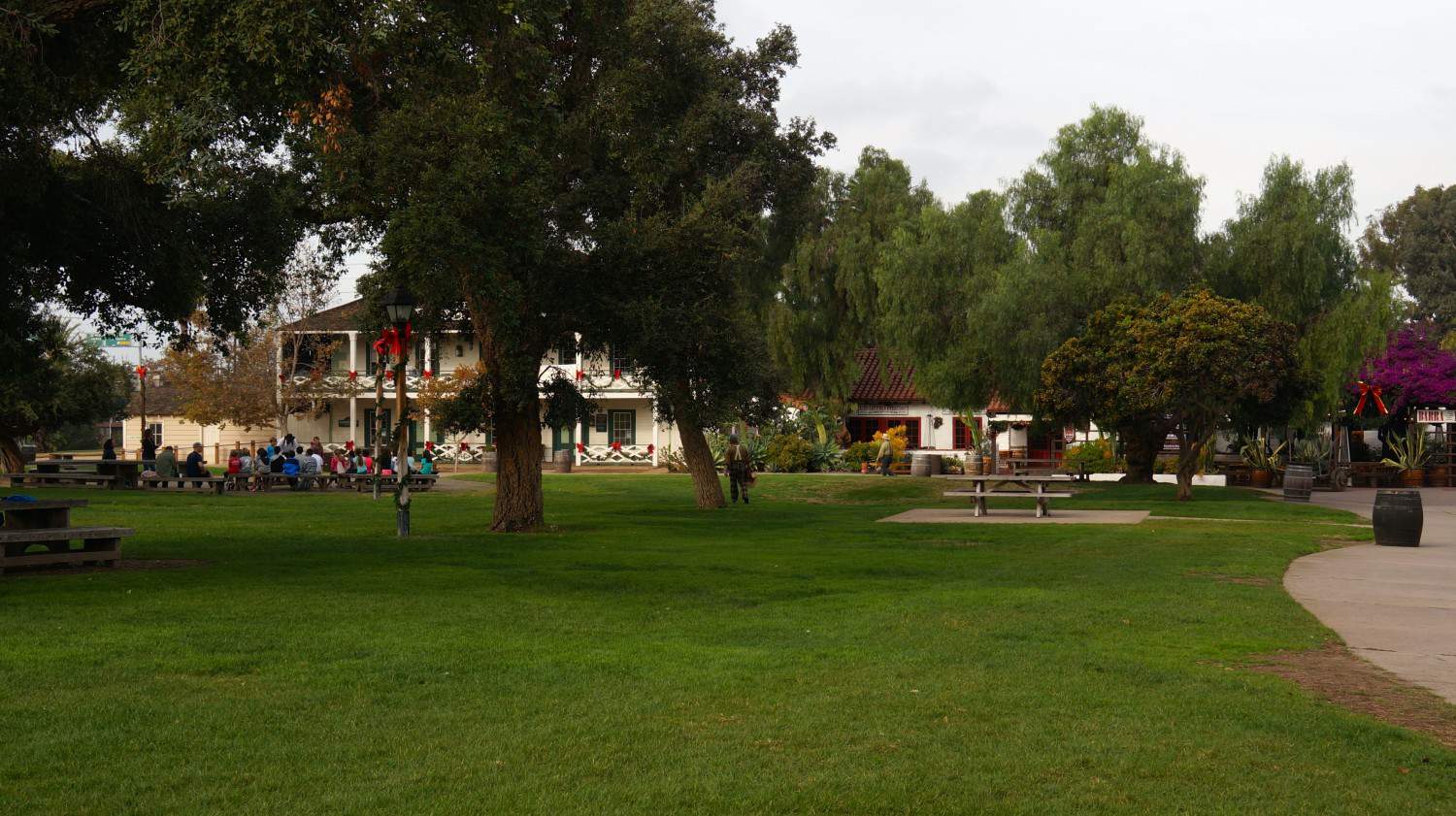
Driving a short distance from Mission Bay brings travelers to Old Town San Diego State Historic Park. Serving as the birthplace of modern California, Old Town bridges the gap between recreational pet travel and cultural education.
While pets are strictly prohibited from entering historic indoor structures and museums, the expansive outdoor plazas, brick-lined pathways, and verdant lawns are entirely dog-friendly. Visitors can stroll past historic adobe buildings, listen to live outdoor music, observe working blacksmith demonstrations, and even catch a glimpse of the park’s resident burros, all while keeping their leashed canine companions by their side.
Supporting Data: The Economic and Social Impact of Pet Travel in San Diego
San Diego’s emergence as a premier pet-friendly travel destination is backed by broader economic and demographic trends within the tourism and hospitality sectors.
According to data compiled by travel industry analysts and local tourism boards, pet-inclusive travel has experienced exponential growth over the past decade. Over 70% of U.S. households now own at least one pet, and a rapidly growing percentage of these pet parents refuse to leave their animals behind when taking vacations.
Tourism Revenue: Cities that actively cultivate pet-friendly infrastructure—such as designated off-leash beaches, pet-welcoming patios at restaurants, and accessible historic parks—capture a significantly larger share of the drive-market tourism demographic.
Recreational Demographics: Public lands like Fiesta Island experience thousands of visitor transactions weekly, with local and out-of-town visitors contributing to the preservation and maintenance of municipal park systems through state and local tourism taxes.
Animal Welfare and Social Health: Spaces that encourage off-leash exercise play a vital role in canine behavioral health. For rescue dogs transitioning into domestic life, structured socialization in open environments drastically reduces anxiety, improves obedience through voice-command training, and strengthens the bond between human and animal.
Official Responses and Municipal Guidelines
Balancing the untamed freedom of a natural habitat like Fiesta Island with public safety and environmental conservation requires active oversight from local government agencies, including the City of San Diego Park and Recreation Department.
The Balance of Freedom and Responsibility
Municipal regulations explicitly designate specific zones within Mission Bay for off-leash canine recreation. However, park rangers and city officials emphasize that off-leash privileges are entirely dependent on responsible pet ownership.
Official Directive from Municipal Parks Authorities: “While Fiesta Island allows dogs to run off-leash, pet owners must maintain strict voice control over their animals at all times. Because roadways run parallel to the shoreline, unexpected distractions can pose significant hazards to pets, drivers, and pedestrians alike.”
Furthermore, environmental groups and park management continually remind visitors of their obligation to practice Leave No Trace principles:
Waste Mitigation: Uncollected pet waste is not only a public health hazard but also a significant contributor to bacterial runoff into Mission Bay. Park officials urge visitors to pack multiple waste bags and utilize designated disposal bins.
Wildlife Protection: Mission Bay is home to various local and migratory bird species. Off-leash dogs must not be permitted to harass local wildlife or damage sensitive dune vegetation.
Speed Limits: Motorists driving RVs, trucks, or cars along the island’s sandy roads must strictly adhere to posted speed limits, remaining vigilant for running dogs and distracted pedestrians.
Implications: The Future of Urban Pet Travel and Conservation
The enduring popularity of Fiesta Island and Old Town San Diego highlights a broader evolution in urban planning and tourism management. Modern cities are increasingly realizing that accommodating pets is no longer a niche amenity, but a core component of inclusive public space design.
Balancing Conservation and Recreation
As urban centers grow denser, natural coastal refuges like Fiesta Island face mounting pressure from human development, increased foot traffic, and environmental wear and tear. The long-term viability of these spaces depends entirely on a social contract between the municipality and the public:
Self-Policing Communities: Communities of regular park-goers often act as stewards of the land, organizing volunteer beach clean-ups and educating novice visitors on local safety rules.
Infrastructure Investment: As tourism boards market these destinations globally, local governments face increasing pressure to invest in sustainable infrastructure—such as reliable hydration stations, improved waste disposal systems, and clearly marked ecological preservation zones—to protect natural habitats without sacrificing recreational access.
A Model for Other Municipalities
San Diego’s seamless integration of wild, open-access canine recreation areas with historical and cultural preservation serves as a blueprint for coastal cities nationwide. By proving that high-traffic public lands can successfully accommodate off-leash dogs, equestrians, water sports enthusiasts, and historians alike, San Diego demonstrates that urban spaces can remain vibrant, inclusive, and deeply welcoming to travelers of all species.
For more information on planning your pet-friendly itinerary, consult local guides on San Diego’s Top 10 Dog-Friendly Activities and Top Dog Beaches in San Diego.