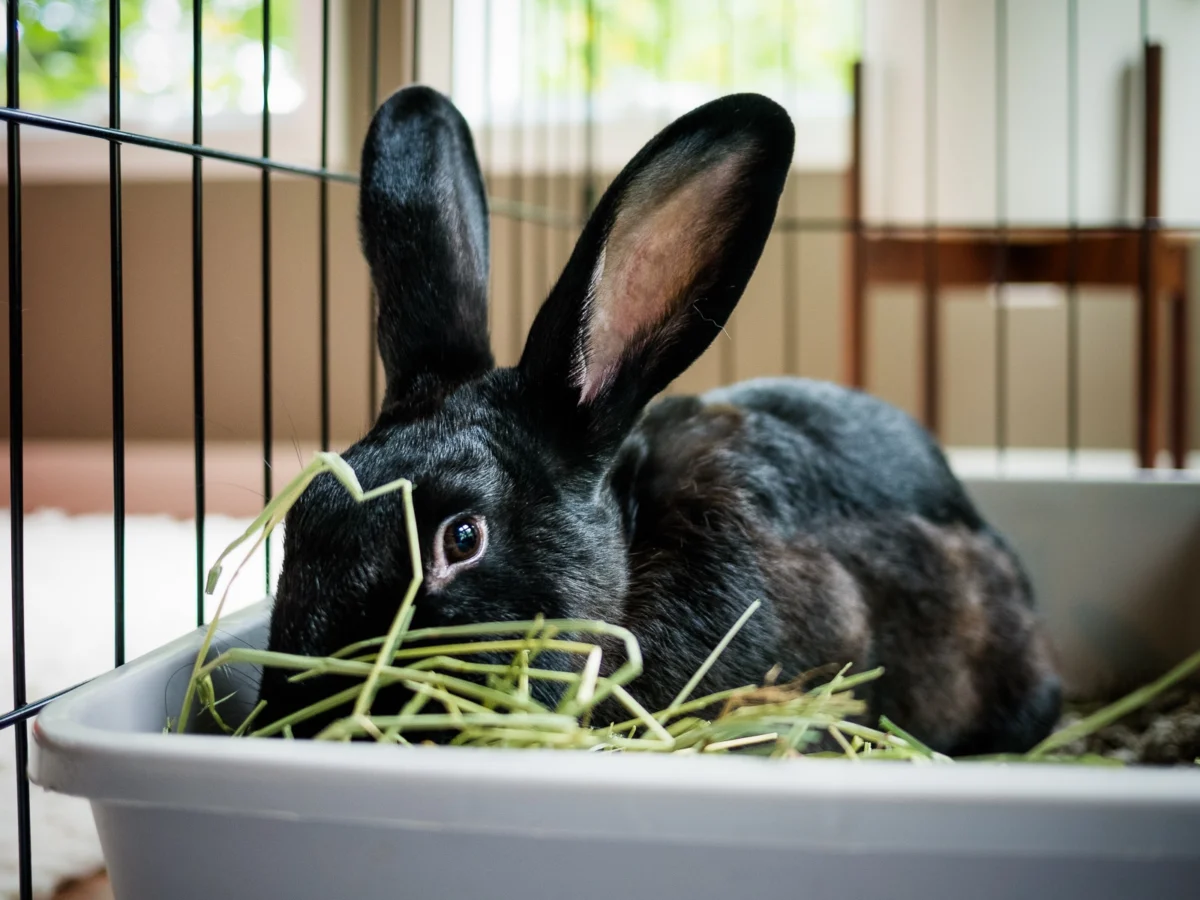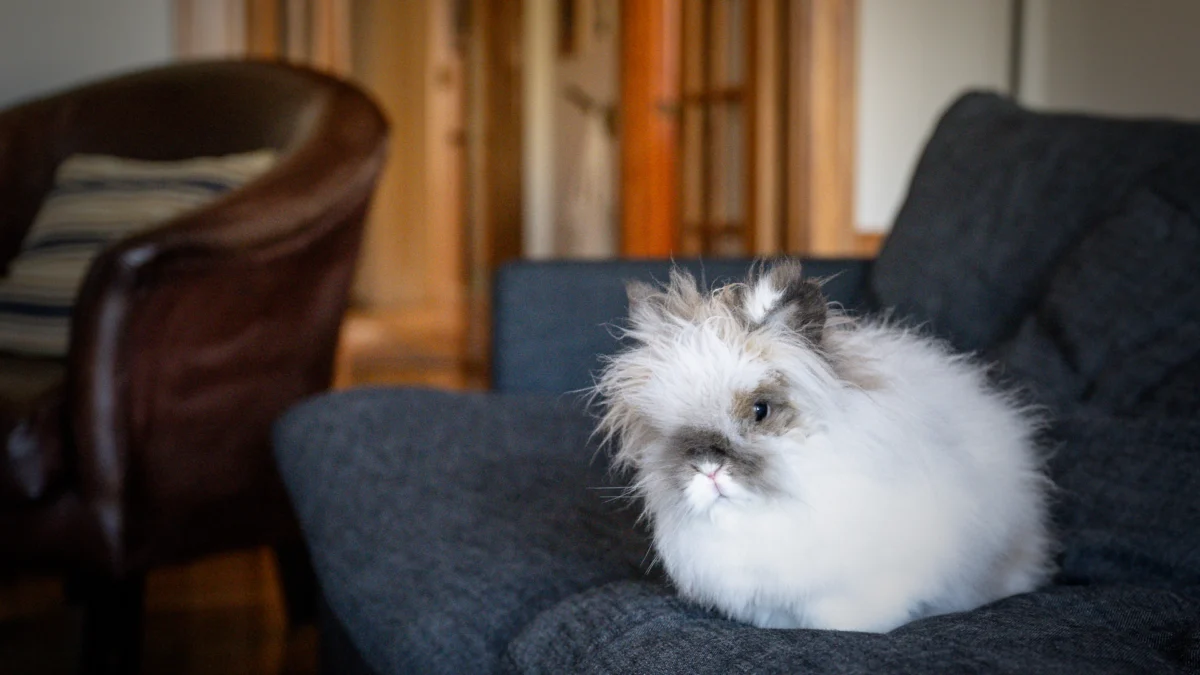
KENNESAW, GA — Across the United States, a growing wave of animal welfare advocates, rescue directors, and shelter volunteers are drawing a hard line against the commercial sale of live rabbits. In Georgia, the Georgia House Rabbit Society (GHRS) has officially stepped to the forefront of this movement, joining a coalition of more than 100 animal rescue organizations nationwide. Together, they are putting intense pressure on major pet retail chains—most notably Petland—to immediately halt the sale of live rabbits in their stores.
This coordinated statewide push in Georgia is part of a larger, highly organized national initiative: The Rabbit.org Foundation’s Stop Rabbit Sales campaign. The campaign’s core message is clear and uncompromising. Advocates are urging Petland to abandon outdated, inhumane retail practices that treat sentient animals as mere merchandise. Instead, the foundation and its network of shelters are challenging the corporation to adopt compassionate, modern retail models. This includes partnering with established local rescue organizations to showcase adoptable, fixed, and vaccinated shelter animals, rather than sourcing and selling commercially bred rabbits.
For local shelters already drowning in intake requests, the consequences of pet store rabbit sales are not abstract policy debates; they are a daily, exhausting reality characterized by neglected animals, overcrowded foster homes, and entirely preventable animal suffering.
Main Facts: The Crisis of Commercial Rabbit Sales
The heart of the conflict lies in the fundamental disconnect between how commercial pet stores market rabbits and the reality of caring for these complex, sensitive animals.
Rabbits are frequently marketed as "starter pets" for children, or as low-maintenance, cage-bound animals that require little attention. In reality, domestic rabbits (Oryctolagus cuniculus) are delicate, highly intelligent, and social creatures with lifespans that can easily reach 8 to 12 years. They possess specialized dietary needs, require specialized veterinary care from exotic animal veterinarians, and are prone to severe medical distress if their environmental and emotional requirements are not met.
When commercial pet stores like Petland sell young rabbits to unsuspecting consumers, they frequently fail to provide adequate education regarding proper husbandry. This commercial pipeline fuels a devastating cycle:
- Impulse Purchasing: Families purchase cute, young rabbits—often around major holidays like Easter—without understanding the long-term financial and time commitments.
- Behavioral Misunderstanding: Buyers are often unprepared for normal rabbit behaviors, such as digging, chewing, and litter-box training challenges, which require patience and proper environmental enrichment.
- Abandonment and Neglect: Unprepared owners quickly become overwhelmed. This leads to tragic outcomes, including illegal and fatal outdoor abandonment, surrender to overburdened shelters, or prolonged neglect in a neglected cage in a quiet corner of a home.
The Georgia House Rabbit Society, operating out of Kennesaw, has borne witness to this cycle for nearly three decades. GHRS volunteers and staff note that a significant percentage of their emergency intakes trace directly back to impulse purchases made at commercial storefronts, including Petland locations operating within the state in Kennesaw, Norcross, and Marietta.
Chronology: A History of Advocacy and Rescue
The friction between commercial rabbit sales and animal rescue organizations is not new, but the push for a total corporate ban has intensified significantly over the last several years as shelter capacities have reached historic breaking points.
1996: The Founding of GHRS
The Georgia House Rabbit Society was established as a non-profit organization dedicated entirely to rescuing, rehabilitating, and rehoming domestic rabbits, while simultaneously conducting vital public education campaigns regarding proper rabbit care. Over the decades, GHRS has successfully transitioned from a small, localized network of passionate foster homes into a cornerstone of exotic animal rescue in the Southeast, saving thousands of animals from neglect, abuse, and abandonment.
2020: The Case of Lazarus
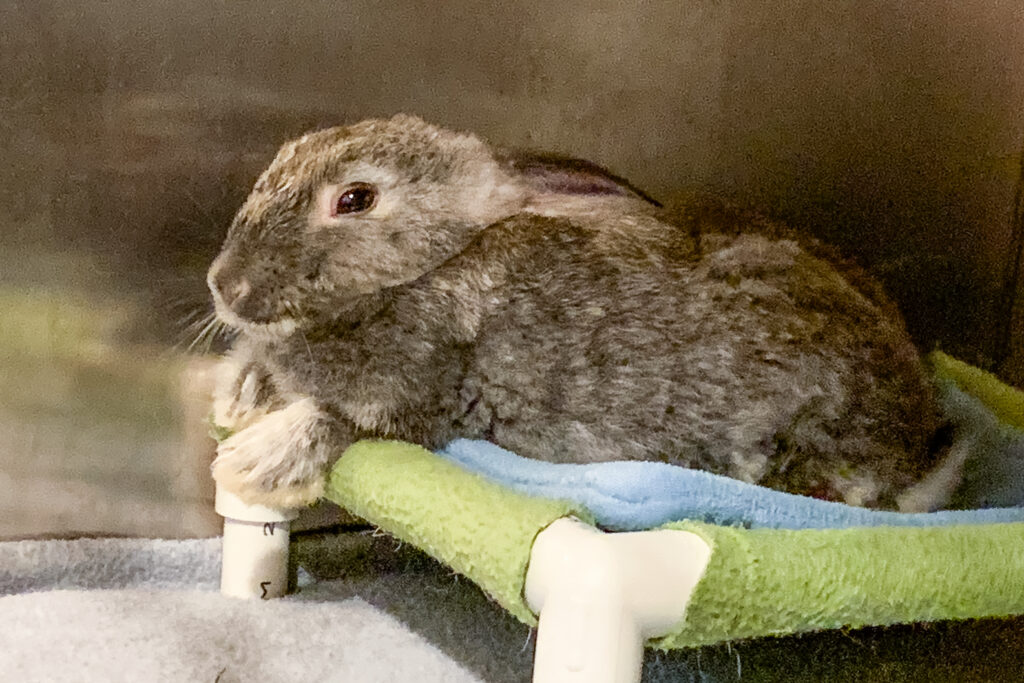
While hundreds of rabbits pass through GHRS doors annually, certain cases crystallize the devastating physical and psychological toll of commercial pet trade neglect. In 2020, the shelter received one of its most severe and harrowing cases when a Petland employee brought in a lethargic, dying young rabbit who would come to be named Lazarus.
Lazarus arrived at the facility in catastrophic condition: he was severely underweight, his fur matted and heavily caked in feces, and his tiny body ravaged by coccidia, a severe and potentially fatal parasitic intestinal infection common in overcrowded, unsanitary breeding environments.
For days, GHRS medical staff and volunteers provided round-the-clock, intensive critical care. Through specialized medications, fluid therapy, nutritional support, and endless warmth, Lazarus fought back. Within a week, he had begun to gain strength and weight. Once fully recovered, Lazarus was neutered and successfully adopted into a loving, permanent home.
For the shelter community, Lazarus became more than just a successful medical rehabilitation; he transformed into a national symbol of resilience, and an undeniable indictment of the commercial supply chain that allowed a baby animal to reach such a state of suffering before ever finding a proper home.
Present Day: The National Stop Rabbit Sales Campaign
Today, the battle has scaled up from individual rescue interventions to systemic corporate pressure. The Rabbit.org Foundation’s national Stop Rabbit Sales campaign has united more than 100 rescues across the United States. By coordinating simultaneous press releases, digital petitions, and public awareness demonstrations, the coalition is bringing unprecedented scrutiny to Petland’s corporate policies regarding live animal sales.
Supporting Data and Local Impact
The impact of retail rabbit sales is best understood through the lens of those on the front lines of shelter management.
"Across Georgia’s three Petland locations, we see the fallout firsthand," explains Courtney Gurley, Shelter Manager of the Georgia House Rabbit Society. "Young rabbits are often sent home with families who don’t yet understand their specialized needs. Weeks later, many of those same rabbits arrive at our rescue underweight, frightened, and in need of veterinary care."
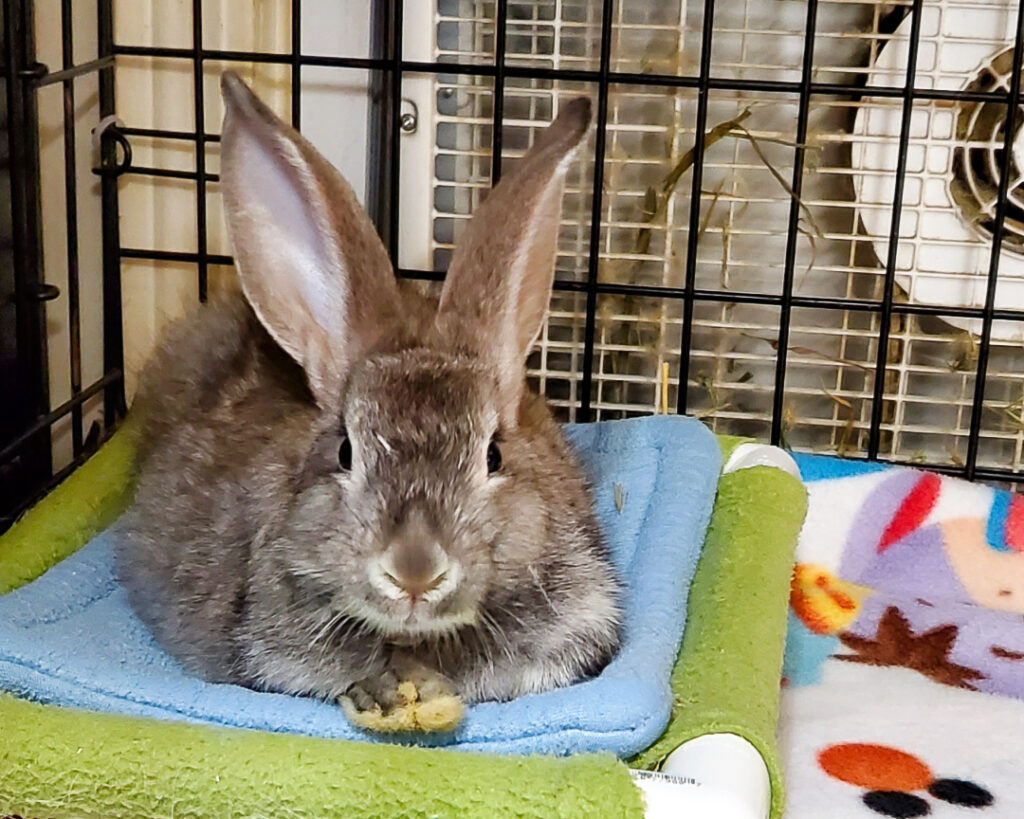
This localized experience mirrors national data collected by animal welfare coalitions. According to shelter surveys across the country, rabbits are the third most commonly abandoned animal in traditional shelters, trailing only dogs and cats. Unlike cats and dogs, however, municipal animal controls often lack the specialized veterinary staff, diet regimens, and housing setups required to properly care for surrendered rabbits. Consequently, private, breed-specific rescues like GHRS are left to shoulder the financial and physical burden of rehabilitating animals displaced by commercial retail practices.
The financial toll on non-profit rescues is immense. Veterinary care for exotic pets is significantly more expensive than standard canine or feline veterinary care. Expenses for treating common pet-store-origin conditions—such as gastrointestinal stasis, severe dental malocclusions, parasitic infections like coccidia, and injuries resulting from improper handling—frequently run into the thousands of dollars per animal. These costs are absorbed entirely by donations, adoption fees, and out-of-pocket contributions from dedicated volunteers.
Official Responses and Perspectives
The Animal Welfare Stance
Animal welfare advocates maintain that live animal sales in retail stores are inherently unethical because they treat living beings as impulse consumer commodities. Organizations participating in the Stop Rabbit Sales campaign emphasize that ethical pet acquisition should always involve thorough research, preparation, and adoption from a shelter where animals are already spayed, neutered, microchipped, and evaluated for temperament.
Furthermore, rescue coalitions point out that commercial breeders supplying pet stores often rely on high-volume, low-cost breeding facilities (frequently referred to in the industry as rabbit mills). In these facilities, breeding does and bucks are kept in cramped, wire-bottom cages with little regard for genetic health, socialization, or basic welfare, resulting in offspring that may carry congenital health and behavioral issues.
The Corporate Model Under Scrutiny
Petland, as a major national franchise corporation, has long defended its business model by asserting that it complies with local, state, and federal regulations regarding animal husbandry and that it sources its animals from USDA-licensed breeders and trusted distributors.
However, animal rights and rescue organizations argue that regulatory compliance is a remarkably low baseline that does nothing to prevent the systemic overpopulation, impulse purchasing, and subsequent suffering of animals. The core demand of the Stop Rabbit Sales campaign is not merely regulatory tweaks, but a fundamental business pivot: retail stores must step out of the live animal sales market entirely and transition toward humane models, such as hosting weekend adoption events in partnership with local non-profit rescues.
Implications for the Future of Animal Welfare in Georgia and Beyond
The campaign led by the Georgia House Rabbit Society and The Rabbit.org Foundation carries profound implications for the future of companion animal retail and protection laws.
- Increased Corporate Accountability: As national pressure mounts, corporations like Petland face mounting reputational damage for continuing to sell live rabbits while shelters across the country overflow with abandoned animals. Public perception is rapidly shifting away from retail pet sales toward adoption-first philosophies.
- Legislative Precedents: Grassroots activism often serves as the precursor to legislative action. Several municipalities and states across the country have already enacted bans on the retail sale of dogs, cats, and rabbits in pet stores, pushing retailers toward rescue-partner models. The heightened visibility of the GHRS campaign brings Georgia closer to these vital policy conversations.
- Public Education and Cultural Shift: By drawing attention to the unique needs of rabbits through high-profile rescue stories like that of Lazarus, organizations like GHRS are fundamentally changing how the public views these animals. Rabbits are no longer widely accepted as "disposable starter pets," but rather as complex, rewarding companions deserving of the same respect, veterinary care, and legal protections afforded to dogs and cats.
How You Can Take Action
The Georgia House Rabbit Society and The Rabbit.org Foundation emphasize that public participation is vital to achieving a permanent end to pet-store rabbit sales. Animal lovers, advocates, and concerned citizens can support the movement in several impactful ways:
- Sign and Share the Petition: Add your voice to the national movement by visiting The Rabbit.org Foundation’s Stop Rabbit Sales campaign page to sign the petition urging Petland to end live rabbit sales.
- Adopt, Don’t Shop: If you or someone you know is prepared to welcome a rabbit into your home, bypass commercial pet stores entirely. Visit rescues like the Georgia House Rabbit Society (houserabbitga.com) to adopt a healthy, spayed/neutered, and socialized companion.
- Spread Awareness: Share stories of rescue and rehabilitation—such as the recovery of Lazarus—to educate friends, family, and community members about the realities of the commercial pet trade.
- Support Local Rescues: Donate your time, supplies, or financial resources to non-profit organizations like GHRS that carry the daily burden of rehabilitating animals discarded by the commercial market.
About the Organizations
- Georgia House Rabbit Society (GHRS): Founded in 1996 in Kennesaw, Georgia, GHRS is a dedicated 501(c)(3) nonprofit organization committed to rescuing, rehabilitating, and rehoming domestic rabbits, while providing comprehensive educational resources to the public on proper rabbit care and husbandry. Learn more at houserabbitga.com.
- The Rabbit.org Foundation: A national nonprofit organization dedicated to improving the lives and welfare of domestic rabbits through public education, legislative advocacy, and close collaboration with shelter networks, rescue groups, and veterinary professionals. Learn more at rabbit.org.