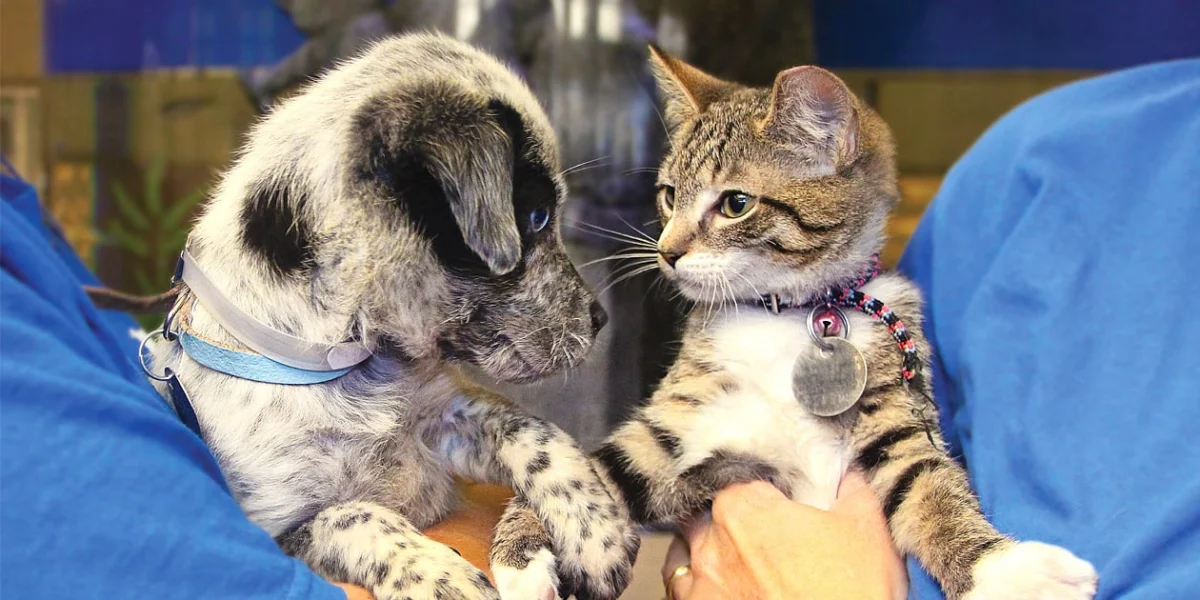
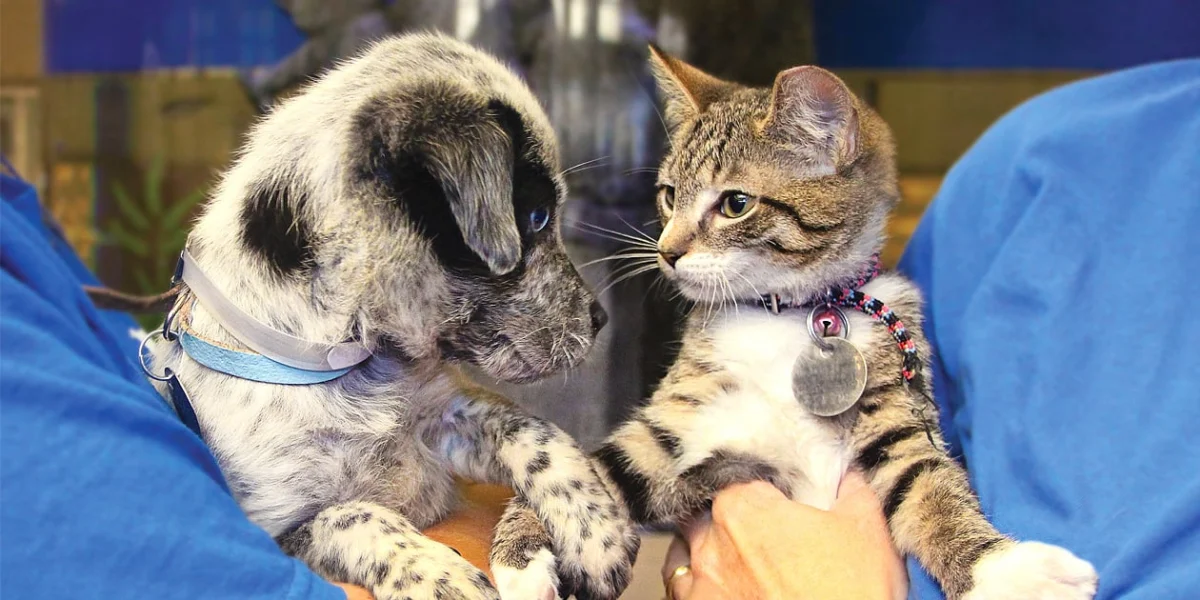
Main Facts: A Community in Crisis
The city of Del Rio, Texas, is currently grappling with the aftermath of catastrophic flooding that has left the local infrastructure severely compromised. Amidst the chaos of submerged homes and displaced residents, the region’s animal welfare community is facing a secondary, equally urgent disaster. Local shelters, including the City of Del Rio Animal Services and Val Verde County Animal Control, have been overwhelmed by rapidly rising waters.
These facilities, which serve as the primary safety net for the region’s stray and abandoned animal populations, are now in a fight for survival. Partnering with the relief organization Border Animal Mission, these shelters are currently operating under emergency protocols. Kennels have been compromised, supplies have been ruined by water damage, and the influx of displaced animals continues to climb as residents evacuate. The situation is dire, and the call for assistance is no longer just a request—it is a critical plea for the survival of the region’s most vulnerable creatures.
Chronology of the Disaster
The current crisis began late last week when extreme weather systems stalled over the border region, dumping unprecedented amounts of rainfall in a short timeframe.
- Initial Impact (Day 1): Early reports indicated localized flooding, but the situation escalated rapidly as the Rio Grande and local arroyos surged past their banks. By the evening of the first day, the City of Del Rio Animal Services reported water encroaching on their lower-level kennels.
- The Inundation (Day 2): As the rain persisted, facility grounds were submerged. Staff and volunteers at Val Verde County Animal Control were forced to move animals to higher ground within the facilities, but the pace of the flooding soon made these measures insufficient. Emergency rescue operations were initiated to evacuate animals from the most dangerous sectors of the shelters.
- The Current Phase (Day 3–Ongoing): Border Animal Mission mobilized its logistics network to provide immediate aid. As of today, the focus has shifted from internal shelter management to long-distance transport and securing temporary housing for the hundreds of displaced animals. The immediate focus is on managing the health risks associated with contaminated floodwater and preventing an outbreak of disease within the overcrowded temporary holding areas.
Supporting Data: The Scale of the Need
While exact counts of displaced animals fluctuate by the hour, preliminary data from the affected shelters suggests that the impact is far-reaching.
- Facility Capacity: Before the flooding, the City of Del Rio Animal Services and Val Verde County Animal Control were already operating at near-maximum capacity, a common issue for border-region shelters. The sudden displacement of over 200 animals—ranging from small-breed dogs to large livestock—has created an unprecedented logistical bottleneck.
- Resource Depletion: Reports indicate that 85% of stored dry food supplies were lost to water damage within the first 24 hours. Furthermore, medical supplies, including routine vaccines and deworming treatments, were either ruined or rendered unusable due to potential contamination from flood debris.
- Volunteer Engagement: While the local volunteer base is robust, many have been unable to reach the shelters due to road closures and safety mandates. The organization is currently relying on a skeleton crew of essential personnel working 16-hour shifts to ensure basic feeding and sanitation.
Official Responses and Collaborative Relief Efforts
The response to the disaster has been defined by a desperate, high-stakes coordination between municipal authorities and non-profit partners.
Border Animal Mission’s Strategic Intervention
Border Animal Mission (BAM) has assumed the role of lead logistics coordinator. They are currently in direct contact with municipal animal control officers to facilitate the movement of animals to facilities outside the flood zone. “Our priority is twofold,” a representative for BAM stated. “First, we must stabilize the animals currently in our care by ensuring they have clean, dry bedding and adequate nutrition. Second, we are establishing an ‘evacuation pipeline’ to move as many animals as possible to partner facilities in neighboring counties that have not been affected by the surge.”
Municipal Challenges
Local government officials in Del Rio have expressed their gratitude for the outside support but have emphasized the difficulty of the situation. City of Del Rio Animal Services has released a statement noting that while they are doing everything possible to keep animals safe, their primary concern is the integrity of the shelter’s electrical systems and the safety of their staff, who are operating in dangerous, high-water environments.
Implications: The Long-Term Recovery
The impact of this flood will be felt in Del Rio long after the waters recede. The implications for the animal welfare community are significant and require a long-term strategic response.
Public Health and Safety
The mixture of floodwaters with sewage and industrial runoff creates a high risk of leptospirosis and other zoonotic diseases. The immediate need for vaccines is not merely for preventative care but for critical disease control in a crowded, stressed environment. Without a consistent supply of antibiotics and disinfectants, the shelters risk a secondary medical crisis that could prove fatal to the animals currently in their care.
The Financial Burden of Disaster Relief
Disasters of this magnitude exert a tremendous financial strain on shelters that were already under-funded. The cost of emergency veterinary care, transport, and the procurement of emergency supplies is expected to run into the tens of thousands of dollars. Local tax bases, already stretched by the need to repair city roads and infrastructure, are unlikely to be able to absorb the full cost of this animal welfare crisis.
Infrastructure Resilience
This event highlights a systemic vulnerability in regional animal shelters. Facilities located in flood-prone areas must be retrofitted or relocated to ensure that future weather events do not lead to a similar loss of resources and risk of life. The current disaster acts as a wake-up call for municipal planners to prioritize the security of animal welfare facilities as part of the broader regional emergency response strategy.
How the Public Can Help
The situation in Del Rio is evolving rapidly, but the need for supplies is immediate and constant. The most effective way for the public to assist is through the following channels:
- Amazon Wish Lists: Border Animal Mission has curated an Amazon Wish List that allows donors to purchase exactly what is needed—puppy food, high-strength cleaning supplies, and medical equipment—and have it shipped directly to the staging areas.
- Direct Financial Donations: Monetary contributions are essential for covering the costs of animal transport, emergency veterinary consultations, and the rental of temporary shelter space. Donors are encouraged to visit the official websites of the Border Animal Mission to ensure their contributions reach the right relief funds.
- Advocacy and Awareness: Sharing information about the crisis helps mobilize a broader base of support. As the national media spotlight shifts, the local need remains, and sustaining the flow of aid is vital to the success of the rescue mission.
As the community of Del Rio works to rebuild its homes and infrastructure, the plight of its animals remains a critical component of the recovery process. The dedication shown by the staff at City of Del Rio Animal Services, Val Verde County Animal Control, and Border Animal Mission is a testament to the resilience of those who serve the voiceless. By acting now, the public can help turn the tide of this disaster and ensure that these rescued animals have a path to a safe, secure future.
Please consider purchasing items from their Amazon Wish List or making a direct donation to support these critical rescue efforts today. Every contribution, no matter how small, serves as a lifeline to an animal in desperate need.