
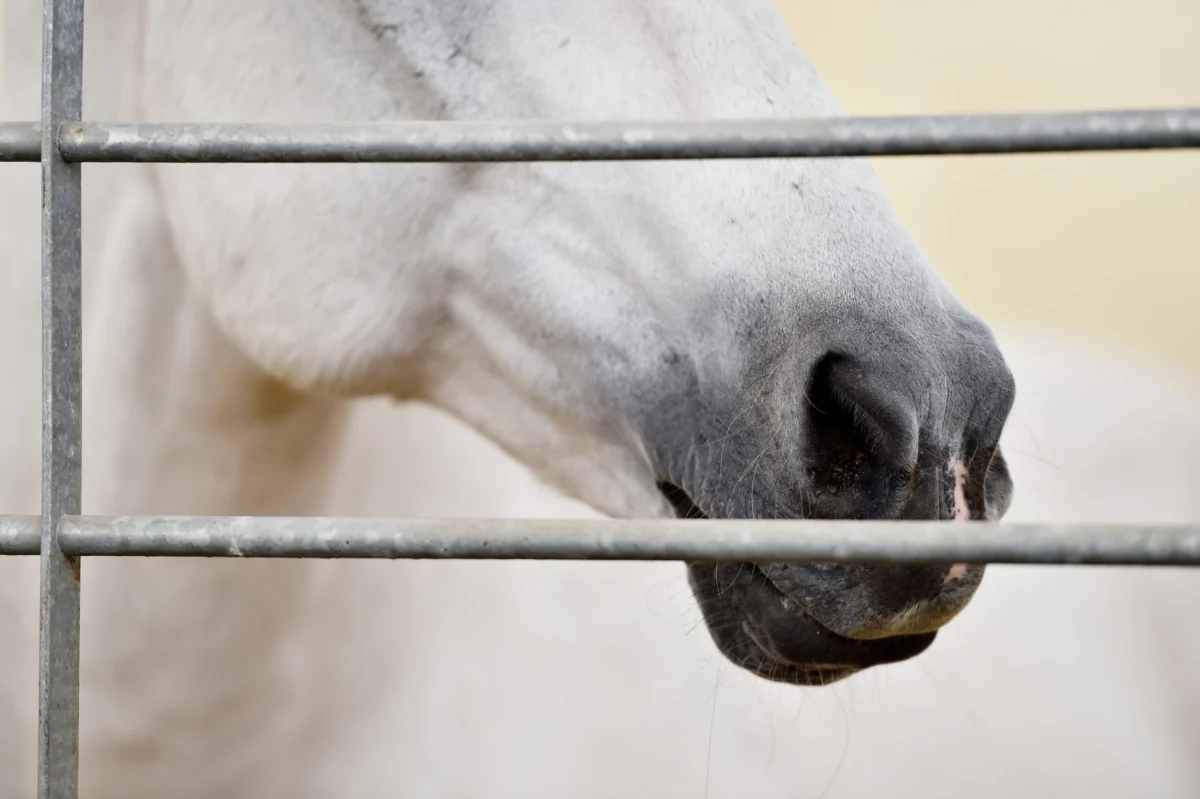
WISCONSIN – The Wisconsin Department of Agriculture, Trade, and Consumer Protection (DATCP) has issued an urgent health alert following the confirmation of four new cases of equine strangles across the state. The affected horses are located in Marathon, Waupaca, Brown, and Outagamie counties, sparking concerns among regional veterinarians and horse owners regarding the potential for wider transmission during the current season.
This report, disseminated through the Equine Disease Communication Center (EDCC) Health Watch program, underscores the persistent threat posed by this highly contagious bacterial infection. As equine professionals monitor these clusters, the focus has shifted toward aggressive biosecurity protocols to prevent further spread of the Streptococcus equi bacterium.
The Facts: Understanding the Current Situation
Strangles, scientifically known as Streptococcus equi subspecies equi, is a common but debilitating respiratory disease in horses. It is characterized by the inflammation of the mucous membranes and the swelling of lymph nodes, which can lead to abscesses that "strangle" the airway—hence the colloquial name.
The confirmation of cases in Marathon, Waupaca, Brown, and Outagamie counties represents a geographic spread that necessitates heightened awareness for stable owners, trainers, and equestrian enthusiasts across Northern and Central Wisconsin. While the specific number of affected horses at each location has not been finalized, the presence of the pathogen in four distinct counties suggests that transmission pathways—ranging from shared equipment to asymptomatic carriers—are active.
A Chronological Perspective on Equine Health
The trajectory of strangles outbreaks typically follows a predictable, albeit concerning, pattern. In the equine world, the disease is considered endemic, meaning it is constantly present at a low level, but environmental stressors, the introduction of new horses to a facility, and seasonal changes often act as catalysts for clinical outbreaks.
Early Detection and Reporting
The initial reports surfaced through local veterinary practitioners who observed classic clinical signs in horses residing in the identified counties. Following diagnostic confirmation via polymerase chain reaction (PCR) testing—the gold standard for identifying S. equi—the cases were reported to the DATCP.
Containment Efforts
Once the positive status of the animals was confirmed, state officials and private veterinarians moved to implement quarantine protocols. In the equine industry, a quarantine involves the complete isolation of infected animals and any "in-contact" horses. This period of isolation is critical, as the bacteria can be shed by horses that appear perfectly healthy, creating a "silent" transmission cycle.
The Science of Strangles: Clinical Indicators and Pathology
To understand the severity of this outbreak, one must look at the pathophysiology of the bacteria. Streptococcus equi is a highly resilient organism. It spreads primarily through direct nose-to-nose contact or through indirect contact with contaminated objects, such as water troughs, feed buckets, grooming tools, or even the hands and clothing of handlers.
Recognizing the Symptoms
Veterinarians and owners are advised to monitor their horses for the following clinical signs:
- Fever: Often the first indicator, frequently preceding other physical symptoms.
- Nasal Discharge: Initially clear, this discharge typically progresses to thick, yellow, or off-white pus.
- Swollen Lymph Nodes: Particularly in the submandibular region (under the jaw) and the throat latch. These nodes may become hot, painful, and eventually rupture to drain purulent material.
- Difficulty Swallowing or Breathing: Caused by the pressure of the enlarged lymph nodes on the esophagus and trachea.
- Lethargy and Anorexia: A decrease in appetite and overall energy levels.
The Asymptomatic Carrier
One of the most dangerous aspects of strangles is the asymptomatic carrier. A horse that has recovered from an infection may continue to harbor the bacteria in its guttural pouches—small, air-filled sacs near the ear. These horses can shed the bacteria for months or even years, infecting new, susceptible horses without ever showing clinical symptoms themselves.
Official Responses and Diagnostic Protocols
The DATCP, in coordination with the EDCC, is working to ensure that the equine community remains informed and equipped to handle the current situation.
Diagnostic Procedures
Modern diagnostics have revolutionized how we manage strangles. PCR testing is utilized to detect the DNA of the bacteria. Samples are generally taken via a nasal swab, a nasal wash, or by aspirating material from an abscess. PCR is favored for its speed and its ability to detect very small amounts of bacterial DNA, making it essential for identifying subclinical carriers.
Treatment Strategies
Treatment remains a point of clinical debate. While antibiotics are common in human medicine, their use in strangles cases is nuanced:
- Early Intervention: If caught extremely early, antibiotics may prevent the development of abscesses.
- Severe Cases: Antibiotics are often reserved for horses showing severe clinical signs, such as respiratory distress or systemic illness.
- The Risk of Overuse: Over-treating with antibiotics can suppress the horse’s natural immune response. If the immune system is not allowed to fully engage with the bacteria, the horse may not develop lasting immunity, leaving them susceptible to reinfection later.
Typically, the most effective treatment involves "supportive care": keeping the horse comfortable, encouraging the abscesses to mature and drain, and ensuring the animal continues to eat and drink.
Implications for the Wisconsin Equine Industry
The current outbreak serves as a stark reminder of the importance of biosecurity. Wisconsin’s robust equine industry—ranging from competitive equestrian sports to recreational trail riding—relies on the mobility of horses. However, this mobility is the primary driver of disease transmission.
The Role of Biosecurity
To mitigate the risk of further spread, the following measures are recommended for all facilities:
- Quarantine New Arrivals: Any horse arriving at a new facility should be quarantined for a minimum of 21 to 30 days.
- Hygiene Standards: Disinfecting shared equipment, such as bits, bridles, and grooming kits, is essential. Bleach or specialized veterinary-grade disinfectants are effective against S. equi.
- Personnel Protocols: If a facility has confirmed cases, handlers should work with the infected horses last, using dedicated boots and coveralls to avoid cross-contamination.
The Vaccination Dilemma
While vaccines for strangles exist, they are not a "silver bullet." They do not provide 100% protection and, in some cases, can cause side effects if administered incorrectly. However, in the face of an outbreak, they can help reduce the severity of symptoms in vaccinated horses. Owners should consult their private veterinarians to determine if vaccination is appropriate for their specific herd based on risk level and lifestyle.
Understanding the Long-Term Outlook
Most horses make a full recovery from strangles within three to four weeks. However, the economic and emotional impact on owners can be significant. The cost of diagnostic testing, veterinary care, and the loss of use of the horse during the recovery period can be substantial. Furthermore, the risk of "bastard strangles"—where the bacteria spread to other parts of the body, such as the lungs, abdomen, or brain—remains a rare but life-threatening complication.
Community Responsibility
The responsibility for containing this outbreak does not lie solely with state officials; it is a shared duty. Stable managers must be transparent about health status, and owners must prioritize the well-being of the wider equine population over personal convenience.
"Biosecurity is not a one-time event; it is a culture," notes a representative from the Equine Disease Communication Center. "By maintaining high standards of hygiene and being vigilant about the health of every horse on the property, we can break the cycle of infection."
Conclusion: A Call to Vigilance
As the situation in Marathon, Waupaca, Brown, and Outagamie counties continues to evolve, the message to Wisconsin horse owners is clear: Be vigilant, be prepared, and communicate.
If you suspect your horse is displaying signs of strangles, isolate the animal immediately and contact your veterinarian. Do not transport the horse to competitions, trail rides, or boarding facilities, as this is the primary mechanism by which the disease moves from one county to another.
The EDCC and DATCP will continue to provide updates as more information becomes available. By adhering to established protocols and prioritizing the health of the horse, the Wisconsin equestrian community can successfully navigate this outbreak and ensure a safe, healthy environment for all equines across the state.
For further resources on equine disease management and to view live updates on this and other outbreaks, visit the official Equine Disease Communication Center website.