For many pet owners, routine medical care—such as applying eye ointments, trimming nails, or administering daily medication—can feel like a battlefield. The struggle to restrain a fearful or uncooperative dog often leaves both the human and the animal stressed, creating a negative cycle that makes future procedures even more difficult. However, a revolutionary approach known as the "Bucket Game," pioneered by trainer Chirag Patel, is changing the paradigm of canine husbandry by replacing coercion with cooperation and agency.
The Challenge of Chronic Care: A Case Study in Pannus
Skip, an active dog known affectionately as "Mr. Wonderful," recently faced a daunting diagnosis. His veterinarian, Dr. Sara Greenslit of Anshen Holistic Vet Care, identified that Skip was suffering from pannus. Medically defined as a progressive, inflammatory, immune-mediated disease of the cornea, pannus is a condition that, if left untreated, inevitably leads to permanent blindness.
While the diagnosis is serious, it is manageable. Pannus is particularly prevalent in specific breeds, including German shepherds, greyhounds, and border collies, and is widely believed to be genetically mediated. The primary treatment regimen involves the daily application of Optimmune®, an ophthalmic ointment. Unlike liquid eye drops, which can be applied with relative ease, a thick ointment requires a more deliberate, intrusive, and prolonged application process directly into the dog’s eye.
For many dogs, the proximity of a human hand toward the eye triggers an instinctive "fight or flight" response. The necessity of daily application creates a persistent source of anxiety. Recognizing this, Skip’s owner turned to the "Bucket Game," a training methodology designed to give the animal a sense of control over their medical experience.

The Mechanics of Agency: What is the ‘Bucket Game’?
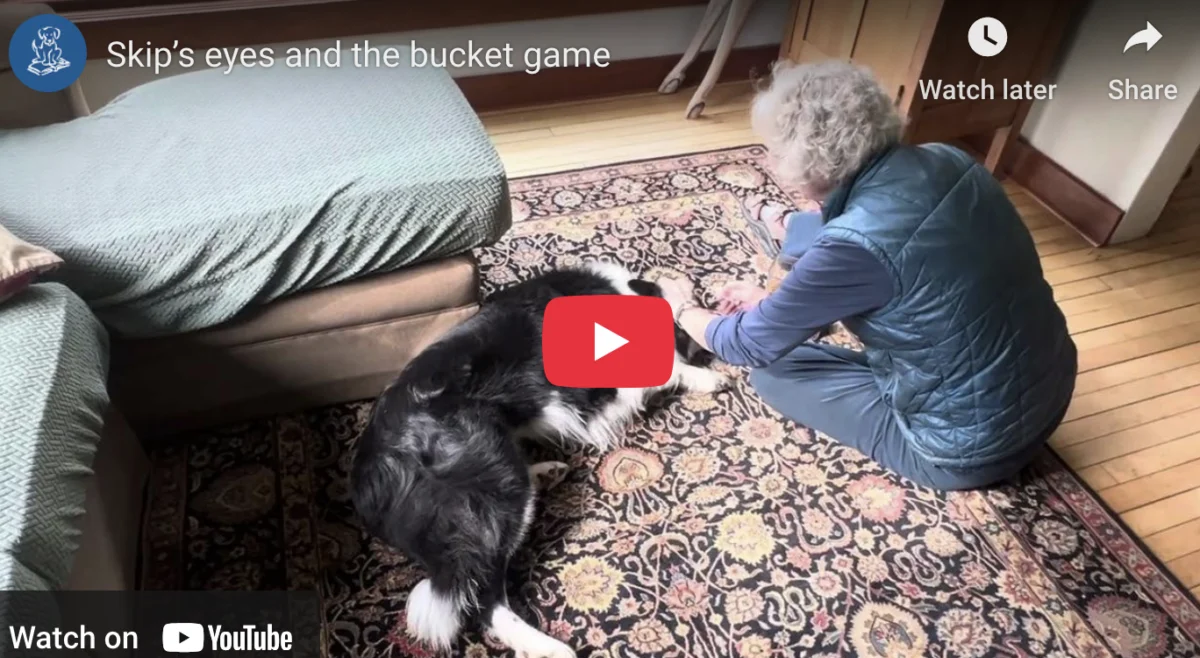
At its core, the Bucket Game is a technique that empowers the animal to "opt-in" to a procedure. The animal is trained to focus on a bucket or a specific target; as long as the animal is engaged with that target, the human proceeds with the husbandry task. If the animal pulls away, stops eating, or disengages, the human immediately halts the procedure.
The Chronology of Training
The training process is a masterclass in patience and incremental success. For Skip, the journey began over a year ago with foundational steps:
- Establishing the Reward: The dog is taught to lie down and focus on the bucket to receive a treat.
- Shaping the Position: The training is gradually shaped to have the dog lie on its side, eventually with its head resting flat on the floor.
- Building Tolerance: The owner slowly introduces the sensation of having eyelids held open while the dog remains in the "bucket-focused" position.
- The Final Step: Only after the dog is fully comfortable with the tactile sensation is the medication introduced.
The brilliance of this method lies in autonomy. When Skip senses the tube of ointment approaching, he has the agency to move his head. If he does, his owner immediately withdraws the medication, signaling that the dog’s comfort is the priority. This creates a feedback loop where the dog learns that he is not a victim of the process, but a participant.
Supporting Data: Why Autonomy Matters
Behavioral science has long emphasized the importance of "agency" in animal welfare. When an animal perceives that they have control over their environment, cortisol levels—the primary stress hormone—are significantly reduced.

This methodology is not limited to ocular health. It has proven remarkably effective for high-stress tasks like dremeling nails. In a previously documented case involving a dog named Maggie, the owner utilized the Bucket Game to overcome a severe phobia of nail maintenance. While the dog may not have developed a "love" for the process, the relationship between the dog and the dremel shifted from one of terror to one of tolerance.
The success of these techniques relies on three critical factors:
- Granularity: Dividing complex tasks into the smallest possible steps.
- Timing: Knowing when to treat, when to pause, and when to regress to a previous step if the dog shows signs of stress.
- Observation: Reading subtle cues, such as tongue flicks or shifting hips, which indicate the dog is feeling overwhelmed.
Expert Perspectives on Husbandry
The veterinary community is increasingly endorsing these cooperative care models. By integrating behavioral training into medical care, clinics can reduce the need for physical restraint and heavy sedation.
"The goal is to move away from ‘compliance through force’ and toward ‘compliance through consent,’" says one leading animal behaviorist. "When we allow an animal to tell us ‘no’ or ‘not now,’ they are actually more likely to say ‘yes’ the next time, because they trust that we are listening."

This approach requires the owner to act as a partner rather than a taskmaster. It requires a willingness to slow down—often much slower than the owner feels is necessary—to ensure the animal is truly comfortable.
The Broader Implications for Dog Ownership
The implications of the Bucket Game extend far beyond medical administration. It fosters a deeper bond between pet and owner, grounded in mutual respect. When a dog knows that their boundaries will be honored, they become more biddable and less prone to reactivity.
Beyond the clinical success, this method promotes a more compassionate worldview. By advocating for the "village conversation" regarding husbandry, owners are sharing strategies that make the lives of countless pets more manageable. It encourages a shift in culture where the "success" of a medical procedure is measured not just by the application of the medicine, but by the emotional state of the animal during the process.
Life Beyond the Bucket: A Seasonal Reflection
While the Bucket Game provides a framework for medical management, life on the farm continues to revolve around the seasons. Transitioning from the challenges of illness—including the recent, widespread impact of COVID-19—back into the rhythm of spring has been a restorative process for the household.

Spring, however, brings its own set of husbandry tasks. The season of the "great shed" is a testament to the endurance of both dog and owner. After weeks of limited activity, the grooming process becomes a vital part of the daily routine. The simple act of brushing, once a chore, becomes a moment of connection.
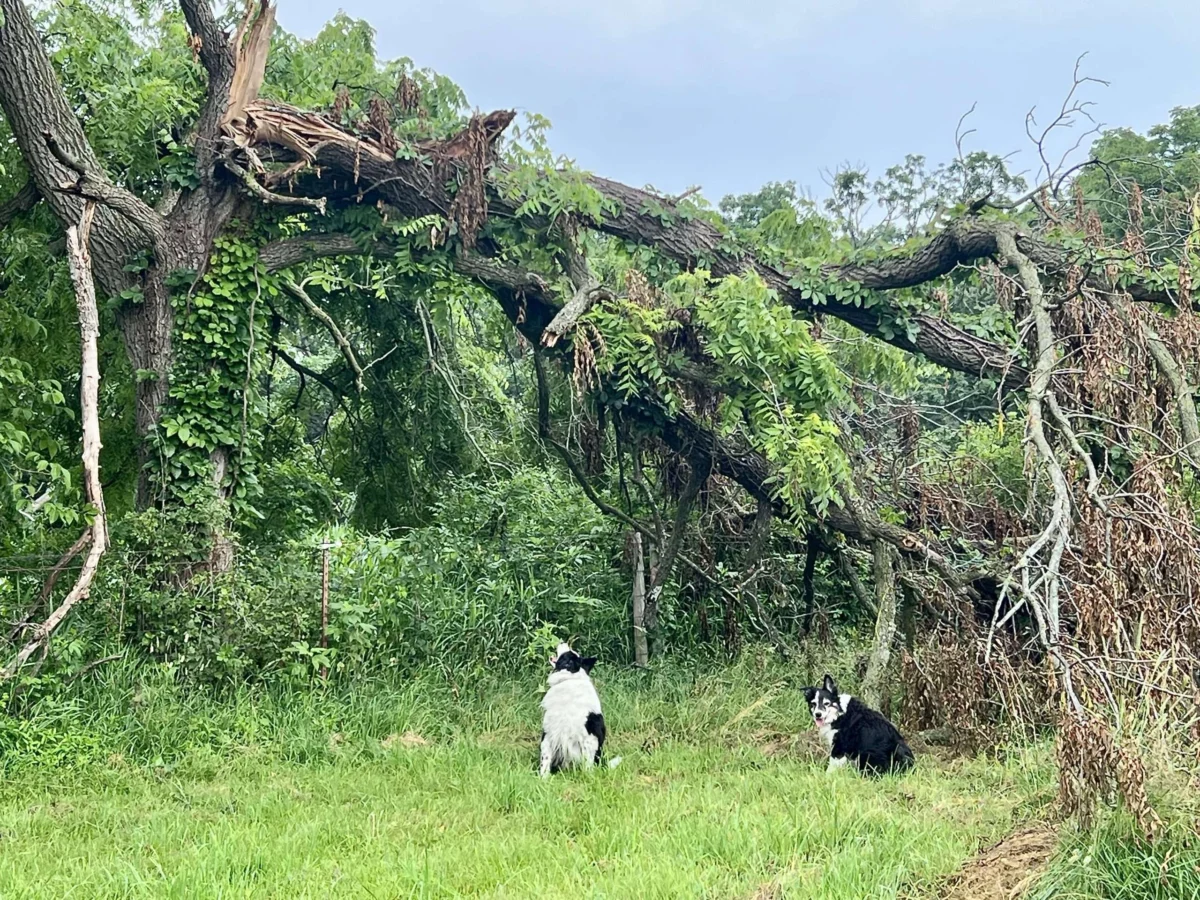
Furthermore, the environment is thriving. The clearing of invasive species like buckthorn and honeysuckle has allowed native flora, such as showy orchids, to reclaim the landscape. For working dogs like Skip, the return to herding sheep is the ultimate reward. Watching a dog engage in their natural, hardwired behaviors after a session of medical care underscores the importance of a balanced life. Even after a long day of work, the simple, honest indicators of a dog’s well-being—such as a tired but satisfied posture—remind us why we go to such great lengths to keep them healthy.
Conclusion: A Call to Action
The journey of caring for a dog with chronic health needs is often fraught with difficulty, but it is also an opportunity to practice deep empathy. Whether it is managing a case of pannus or simply maintaining nail hygiene, the principles of the Bucket Game offer a path forward that preserves the dignity of our companions.
We invite pet owners everywhere to share their husbandry stories. What has worked for your dog? Where have you found the most success in reducing stress? By building this knowledge base, we can ensure that every dog receives the care they need with the compassion they deserve. The more we prioritize autonomy and patience, the more we elevate the standard of care for all sentient beings, one bucket, one treat, and one gentle interaction at a time.