
For many pet owners, the mere thought of navigating an airport with a four-legged companion evokes a sense of trepidation. The logistical hurdles—securing the right carrier, deciphering complex airline regulations, and ensuring your animal’s comfort at 30,000 feet—can feel overwhelming. However, air travel with pets is a routine occurrence, with millions of animals safely navigating the skies every year. While media reports often focus on the rare mishaps, the reality is that with meticulous planning and informed decision-making, flying with a pet can be a safe, manageable, and even rewarding experience.
Whether you are relocating across the country or heading out on a long-awaited vacation, this guide—compiled from the insights of seasoned pet travelers and veterinary experts—will provide you with the framework necessary to ensure a smooth journey.
Understanding the Landscape: The Reality of Pet Air Travel
The first step toward a successful flight is replacing anxiety with preparation. Airlines have significantly tightened their policies over the last decade, prioritizing safety through rigorous boarding requirements. It is a common misconception that all pets are at risk; in truth, most incidents are preventable through proper health screening and adherence to airline-specific safety protocols.
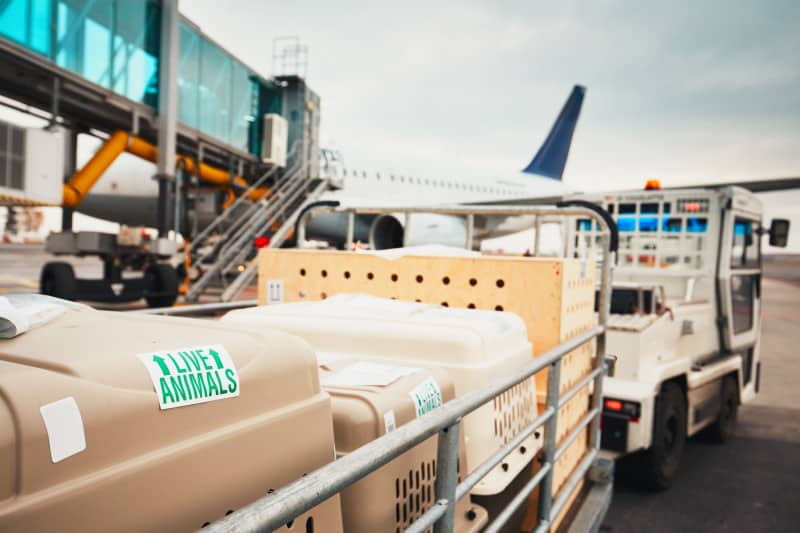
The aviation industry categorizes pets into two distinct groups: those traveling in the cabin (typically smaller dogs and cats that fit under the seat) and those traveling as checked baggage or manifest cargo. Regardless of the method, the responsibility for the animal’s welfare remains squarely with the owner. By understanding the policies of your specific carrier, you transform the process from a daunting obstacle into a standard travel checklist.
Chronology of Preparation: A Step-by-Step Timeline
To ensure a seamless experience, preparation should begin at least two to three months before your scheduled departure date.
Phase 1: The Veterinary Consultation (8–12 Weeks Out)
Your journey begins not at the airport, but in your veterinarian’s office. A pre-travel checkup is non-negotiable. Discuss your travel plans, including the duration of the flight and the destination’s climate. Your vet will verify that your pet is physically fit for the stress of travel and ensure that all vaccinations are up to date.
Phase 2: Booking and Compliance (6–8 Weeks Out)
Airlines limit the number of pets allowed on each flight to ensure proper care. Once your travel dates are set, call the airline immediately to secure a "pet spot." Simultaneously, research the destination’s entry requirements. If you are traveling internationally, this may involve complex quarantine laws or specific documentation that can take months to process.
Phase 3: Acclimatization (4 Weeks Out)
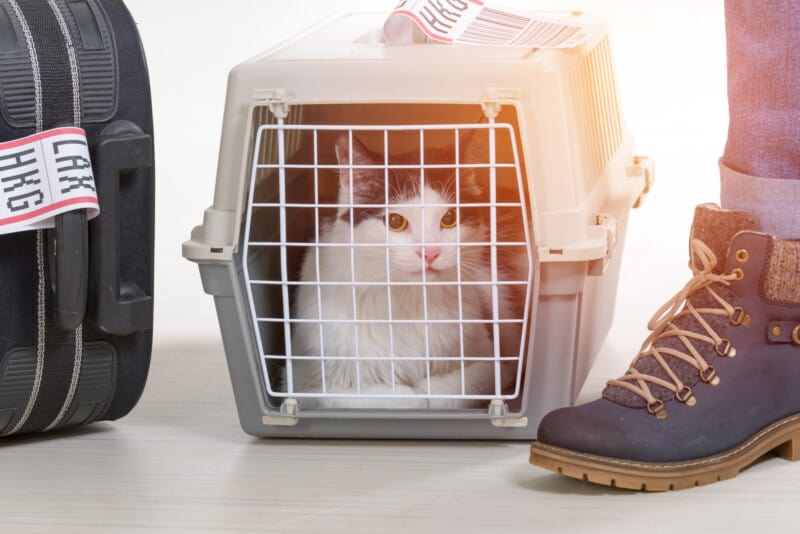
Do not wait until the day of the flight to introduce your pet to their carrier. The carrier should become a "safe space." Incorporate it into your home environment, using positive reinforcement—feeding meals inside the crate and placing favorite toys within—to build a positive association.
Phase 4: Final Verification (1 Week Out)
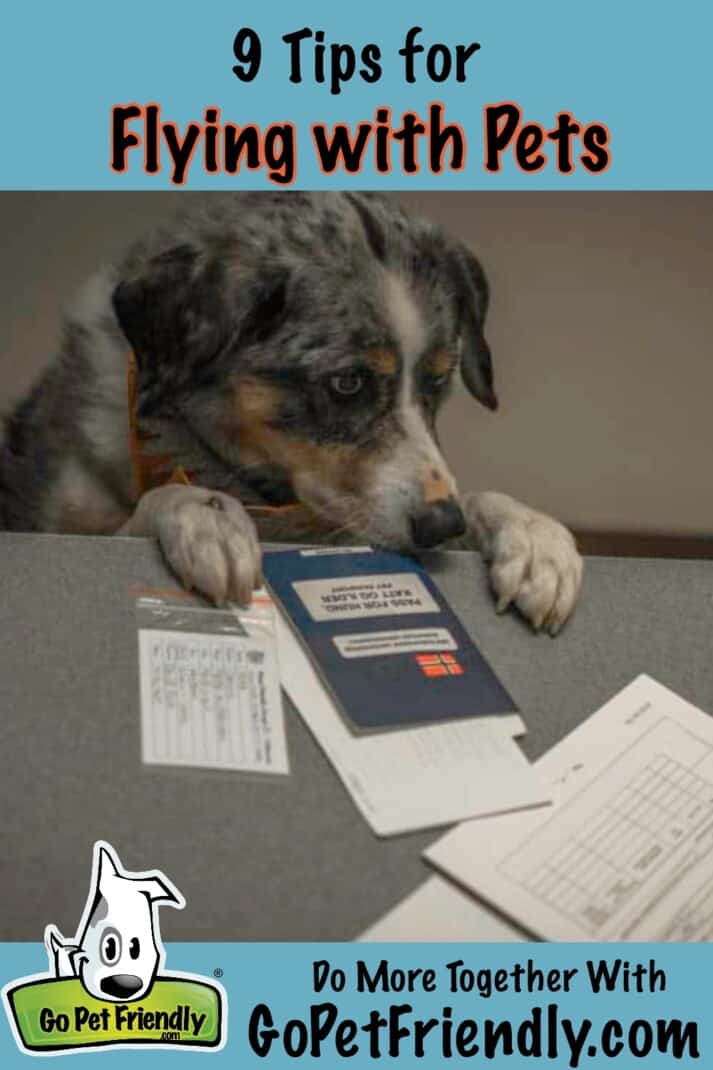
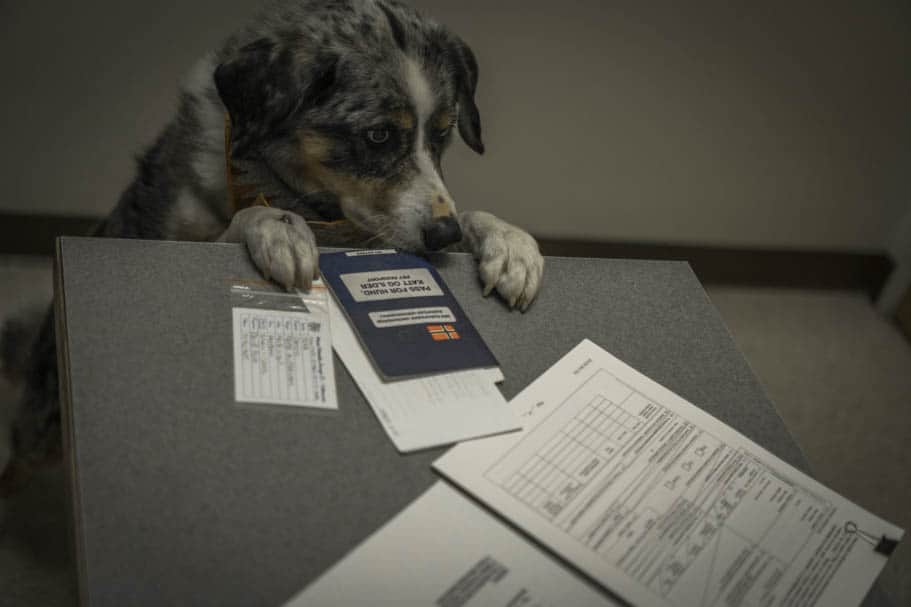
Schedule a final "fit-to-fly" appointment with your veterinarian to obtain a health certificate, which many airlines require to be issued within 10 days of travel. Organize all documents—vaccination records, health certificates, and identification tags—into a single, accessible folder.
Supporting Data and Essential Safety Tips
1. The "Brachycephalic" Caution
Short-nosed or "flat-faced" breeds, such as Pugs, Bulldogs, and Persian cats, require extra vigilance. Their unique anatomy can make breathing difficult, especially under the stress of travel or in extreme temperatures. Most major airlines restrict these breeds from cargo holds due to the increased risk of respiratory distress. Always check your airline’s specific list of restricted breeds before booking.
2. The Sedation Myth
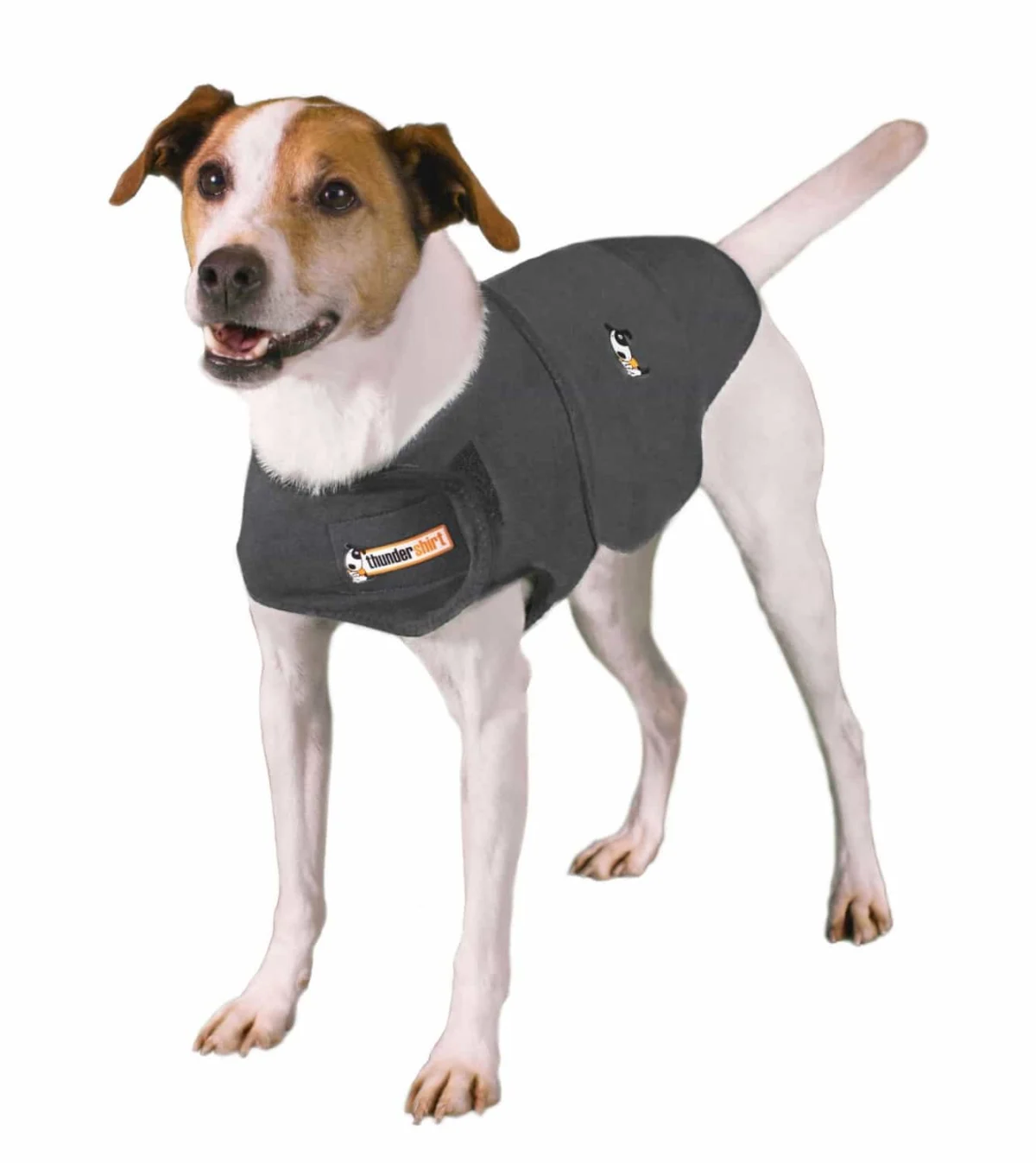
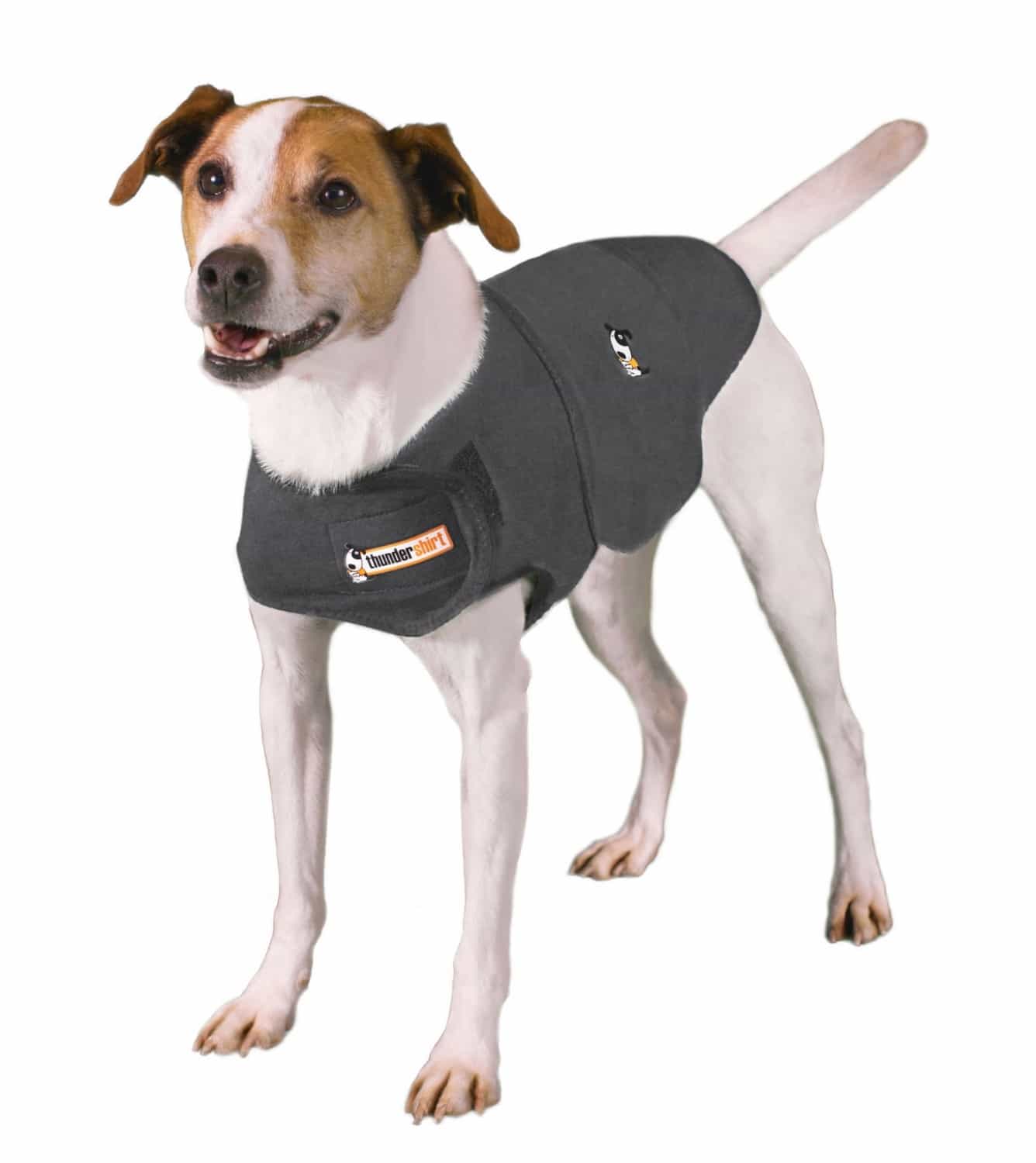
One of the most critical pieces of advice from the American Veterinary Medical Association (AVMA) is to avoid sedating your pet unless explicitly prescribed by a veterinarian for a specific medical reason. Sedatives can alter a pet’s natural ability to regulate body temperature and balance at high altitudes, increasing the risk of cardiovascular complications. Instead of drugs, opt for natural calming aids, such as pheromone-based sprays or specialized anxiety vests, after consulting your vet.
3. The Pressure Factor
Just as human passengers experience ear discomfort during changes in cabin pressure, pets feel it too. During takeoff and landing, provide your pet with a chew toy or a small, digestible treat. The act of chewing and swallowing helps equalize the pressure in their ears, significantly reducing discomfort.
4. Strategic Airport Logistics
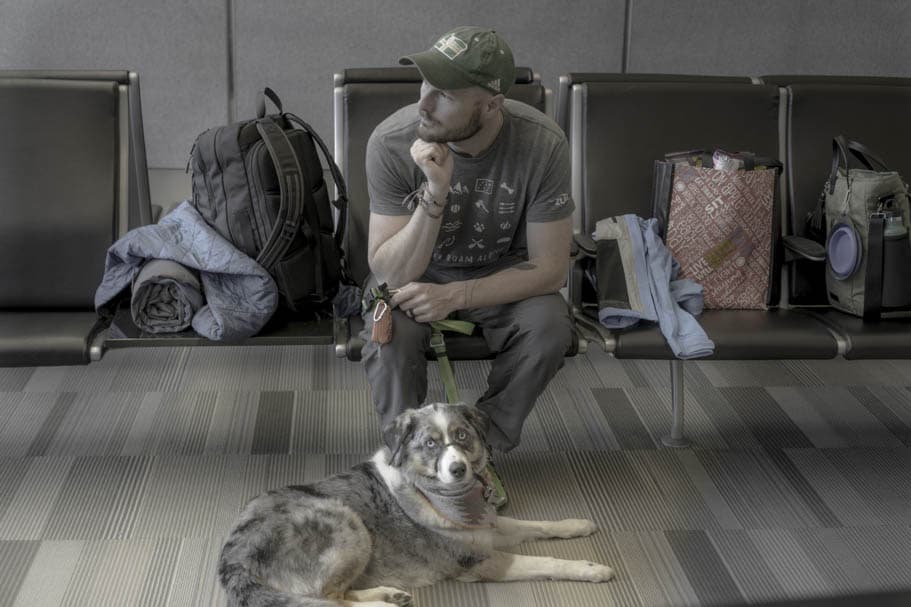
Airports can be sensory overload for animals. Before you arrive, use the airline’s website to locate the nearest designated pet relief area. These are now standard in most major international hubs. If your pet is hesitant to use these facilities, keep high-quality puppy pads in your carry-on to create an immediate, clean surface for them to use in a quiet corner of the terminal.
Official Responses and Industry Standards
The International Air Transport Association (IATA) sets the global standard for the "Live Animals Regulations" (LAR), which are followed by most major carriers. These regulations dictate the structural integrity of kennels, ventilation requirements, and the handling procedures for ground crew.
Major carriers often provide detailed "Pet Policies" on their websites. It is highly recommended that you print these policies and carry them with you. In the event of a dispute or confusion at the check-in counter, having the airline’s own policy in writing can be your strongest asset. Furthermore, always ask the gate agent about early boarding. Many airlines allow passengers with pets to board early, giving you the necessary time to secure the crate under the seat and calm your pet before the cabin fills with other passengers.
Implications: The Long-Term Benefit of Preparation
The implications of poor preparation are significant: denied boarding, added stress for the animal, and, in worst-case scenarios, health emergencies. Conversely, the investment of time in acclimating your pet to their carrier and ensuring their health status pays dividends in the form of a calm, well-adjusted traveling companion.
Traveling with a pet is an exercise in empathy. By seeing the airport and the aircraft through their eyes, you can mitigate their fears. A pet that is comfortable in their carrier is a pet that can sleep through a flight. A pet that is properly hydrated and exercised before the flight is a pet that will be much more relaxed upon arrival.
Conclusion: A Shared Journey
The bond between human and pet often transcends the boundaries of home. Taking your pet with you, rather than leaving them behind, allows you to maintain that connection regardless of the distance. While the logistical requirements of air travel are undeniably rigorous, they are designed with a singular goal: to ensure the safety of your companion.
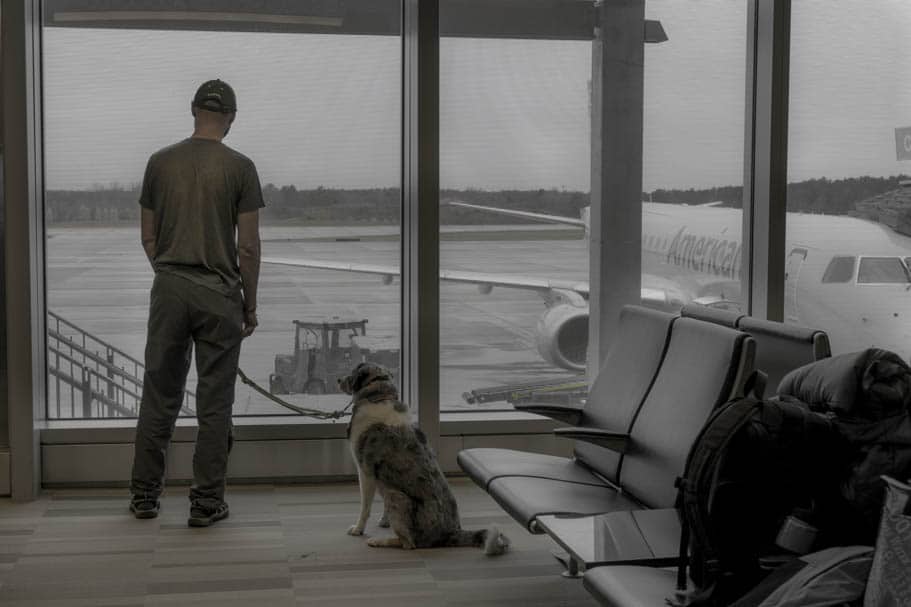
By treating the flight as a project that requires planning, patience, and professional guidance, you can remove the fear from the equation. Remember, your pet looks to you for cues on how to feel. If you approach the travel process with confidence and preparation, your pet will follow suit. Start early, consult your veterinarian, stay organized, and you will find that the sky is not a limit, but a gateway to new adventures with your best friend.
For more information on specific airline requirements, visit the official website of your chosen carrier or consult the Department of Transportation’s resource page on traveling with animals.