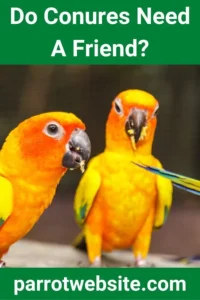
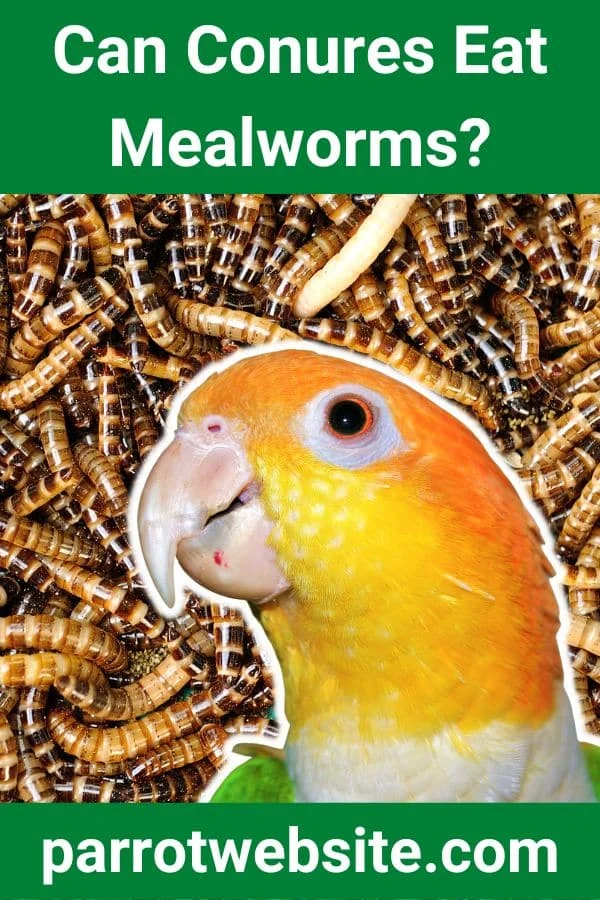
When it comes to avian nutrition, the dietary habits of conures—vibrant, intelligent, and highly social parrots—often spark debate among enthusiasts and professional breeders alike. A common inquiry surfacing in pet owner circles involves the inclusion of unconventional snacks in a bird’s diet, specifically the use of mealworms.
The question often arises from a place of curiosity: while we know our conures thrive on a blend of high-quality pellets, fresh vegetables, and the occasional seed mix, can these small, protein-rich larvae serve as a beneficial dietary supplement? The short answer is yes; however, the long answer requires a nuanced understanding of avian physiology, nutritional density, and the risks of over-supplementation.
Main Facts: Are Mealworms Safe for Your Conure?
At their core, mealworms (the larval form of the darkling beetle, Tenebrio molitor) are not just safe for conures; they are a biologically appropriate, albeit supplemental, food source. In the wild, many parrot species, including various members of the Aratinga and Pyrrhura genera, are opportunistic omnivores. While they primarily consume seeds, fruits, and flowers, they frequently forage for insects to supplement their protein intake, particularly during breeding seasons when the demand for amino acids is elevated.
For the domestic conure, mealworms act as a "superfood" snack. They are exceptionally dense in nutrients that are often difficult to obtain in sufficient quantities through standard commercial mixes alone. When offered as an occasional treat, they provide a significant boost in essential proteins, healthy fats, and trace minerals.
A Chronology of Discovery: Why Owners Are Turning to Insects
The interest in feeding mealworms to psittacines has grown alongside a broader shift in bird husbandry toward "foraging-based" nutrition. Over the past decade, avian nutritionists have moved away from "seed-only" diets, which were historically linked to obesity and vitamin A deficiencies in conures.
- The Shift Toward Protein Awareness: As owners became more educated about the importance of amino acids for feather health and muscle maintenance, they began looking for supplemental protein sources beyond the standard hard-boiled egg or commercial treat sticks.
- The "Foraging" Movement: Bird behaviorists discovered that offering snacks that require physical interaction (like picking up or breaking open a dried mealworm) keeps parrots mentally stimulated.
- Recent Accessibility: The rise of online pet retailers and the availability of high-quality, dried mealworms—originally marketed for backyard wild birds or reptiles—has made it significantly easier for parrot owners to integrate these items into their pets’ daily lives without the hassle of maintaining a live insect colony.
Supporting Data: The Nutritional Profile of the Mealworm
To understand why a conure might benefit from a mealworm, one must examine the chemical composition of the insect. Mealworms are not merely "empty calories"; they are complex biological packages.
Protein and Amino Acid Content
Mealworms contain high levels of protein, which is essential for the repair of tissues and the development of keratin—the primary structural component of a parrot’s beak and feathers. Because conures are active, high-metabolism birds, they can benefit from this concentrated protein source, provided it does not displace their primary diet.
Essential Fatty Acids
The lipid profile of the mealworm includes significant amounts of omega-3 and omega-6 fatty acids. These fats are critical for cardiovascular health, skin integrity, and the maintenance of a vibrant, healthy plumage. Furthermore, these healthy fats are often easier for a parrot to metabolize than the fats found in many fatty seed treats like sunflower seeds.
Mineral Density
A key finding in avian nutritional studies is the presence of potassium and phosphorus in mealworms.
- Potassium: Vital for nerve signal transmission and muscle contraction.
- Phosphorus: Works in tandem with calcium to maintain skeletal integrity.
However, there is a catch: because mealworms are so nutrient-dense, they have a high "caloric density." A small quantity delivers a large amount of energy. If a bird is sedentary, these calories can lead to rapid weight gain and fatty liver disease.
Official Responses and Expert Perspectives
While there is no "official" regulatory body for the specific feeding of mealworms to parrots, avian veterinarians generally offer a consensus-based approach.
The Association of Avian Veterinarians (AAV) emphasizes that "treats" should never constitute more than 10% of a parrot’s total daily caloric intake. Regarding mealworms, experts advise the following:
- The "One or Two" Rule: A healthy adult conure should receive no more than two or three mealworms, one or two times per week. This prevents the animal from developing a "preference" for the high-fat snack, which could cause them to refuse their nutrient-balanced base pellets.
- Dried vs. Live: Experts note that while live mealworms provide superior hydration and a higher moisture content, they can be difficult for some owners to handle. Dried mealworms are perfectly acceptable, provided they are sourced from reputable suppliers who ensure the insects are free from pesticides and chemical additives.
- The Risk of Bacterial Contamination: Veterinarians warn against sourcing mealworms from bait shops intended for fishing. These insects may be raised in unhygienic conditions or kept in containers with pesticides. Always purchase "bird-safe" or "reptile-grade" mealworms that have been processed for human or animal consumption.
Implications: The Potential Risks of Over-Feeding
It is crucial to balance the enthusiasm for a new treat with a sober look at the risks. The primary implication of "too much of a good thing" is digestive and metabolic distress.
1. Digestive Issues
Parrots have specialized digestive tracts optimized for plant matter. While they can digest insect protein, the exoskeleton of the mealworm—composed of chitin—is not always easily broken down in large quantities. Excessive ingestion of chitin can cause blockages or irritation in the avian gut.
2. Mineral Imbalance
The high phosphorus content of mealworms can be detrimental if not balanced by adequate calcium intake. If a conure consumes a diet overly rich in mealworms but lacking in calcium-rich vegetables (like kale or collard greens), it risks developing metabolic bone disease or issues with egg-laying in females.
3. Behavioral Dependency
Conures are highly intelligent and notoriously picky. If they realize that they can hold out for a high-value treat like a mealworm, they may begin to "flick" or ignore their healthier pellet diet. This creates a cycle where the owner feels forced to feed the treat to ensure the bird eats, further exacerbating the nutritional imbalance.
Strategic Implementation: How to Incorporate Mealworms Safely
If you decide to integrate mealworms into your conure’s diet, follow these professional guidelines to ensure the best outcome:
- Integrate as a Training Reward: Use the mealworm as a "high-value" reward during training sessions. This associates the treat with positive reinforcement rather than just a casual snack.
- Check the Source: Purchase mealworms from reputable pet supply companies that guarantee their product is free of pathogens and parasites.
- Monitor Weight: Keep a digital scale nearby. If your conure begins to gain weight, reduce the frequency of treat offerings immediately.
- The "Rotation" Strategy: Never make mealworms a daily staple. Rotate them with other healthy treats like fresh berries, small pieces of steamed sweet potato, or bits of walnut. This prevents boredom and ensures a diverse nutrient profile.
Conclusion
The inclusion of mealworms in a conure’s diet is a valid and beneficial practice, provided it is treated with the seriousness of a nutritional supplement rather than a dietary staple. These insects offer a concentrated dose of protein, omega-3 fatty acids, and essential minerals that can support a bird’s physical health and provide necessary mental stimulation.
However, the golden rule of avian husbandry remains: moderation is the architect of health. By limiting mealworm consumption to small, infrequent portions and sourcing high-quality, clean insects, you can safely enrich your conure’s diet and add a layer of excitement to their daily routine. Always observe your bird closely for any changes in stool, energy levels, or appetite, and consult with your avian veterinarian if you have specific concerns regarding your bird’s individual nutritional needs.