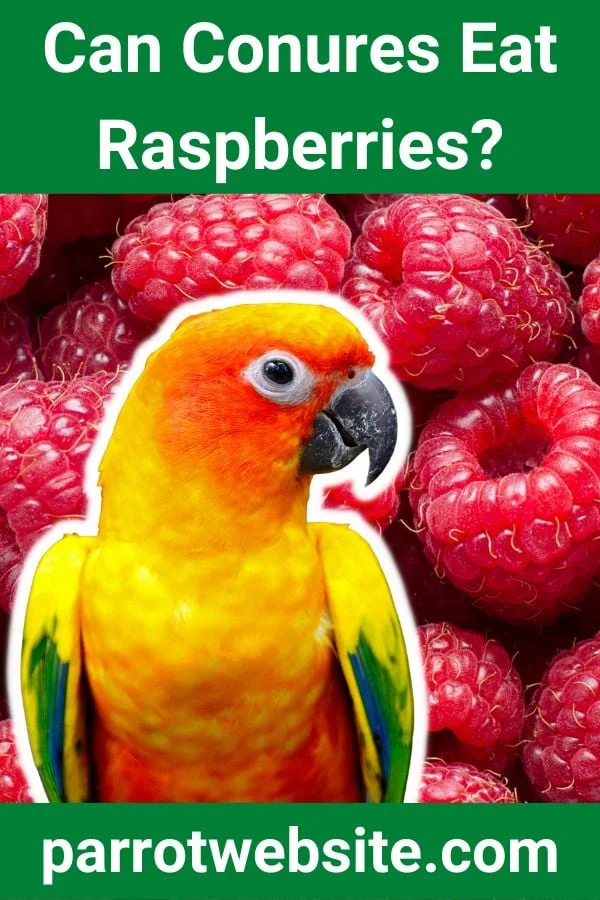
Raspberries are widely celebrated as a culinary staple in human diets, gracing breakfast bowls and dessert plates across the globe. Given their vibrant color, sweet-tart profile, and tender texture, it is only natural for avian enthusiasts to wonder if these berries can be shared with their feathered companions. For those who share their homes with conures—a species known for their playful, curious, and inquisitive nature—the question of dietary safety is paramount.
The short answer is a definitive yes: conures can safely consume raspberries. However, as with most dietary additions for psittacine species, the relationship between fruit consumption and health is one of strict balance. While these berries offer a dense payload of essential vitamins and minerals, they must be treated as a supplemental treat rather than a foundational dietary pillar.
Main Facts: The Nutritional Profile of Raspberries
To understand why raspberries are a beneficial, albeit occasional, treat for a conure, one must look at the biochemical makeup of the fruit. Raspberries are essentially tiny, nutrient-dense powerhouses.
Essential Vitamins
Raspberries are particularly rich in Vitamin C, a potent antioxidant that serves as a vital component in supporting a parrot’s immune system. In the wild, parrots often encounter environmental stressors that lead to the production of free radicals within their cells. Without adequate dietary antioxidants, these free radicals can lead to oxidative stress, which causes cellular damage and long-term degenerative disease. Furthermore, raspberries provide trace amounts of Vitamin K, E, and various B-complex vitamins, all of which contribute to metabolic function and plumage health.
Mineral Content
Beyond vitamins, these berries are packed with critical minerals:
- Iron: Essential for the production of healthy red blood cells and oxygen transport.
- Potassium: Crucial for maintaining fluid balance and healthy cell function.
- Magnesium and Phosphorus: Vital for bone health and neurological function.
- Copper: Supports iron absorption and connective tissue integrity.
The Role of Fiber
Fiber is often an overlooked component in captive bird nutrition. High-quality fiber content in raspberries assists in maintaining a healthy, moving gastrointestinal tract, ensuring that your conure’s digestion remains consistent and efficient.
Chronology and Lifecycle: Understanding Seasonal Availability
The nutritional benefits of raspberries remain consistent regardless of the harvest season, though owners often notice subtle differences in the fruit based on the time of year.
Summer-Fruiting Varieties
These berries typically appear early in the season and are produced by more vigorous, taller canes. While these fruits may be slightly smaller in individual volume, they are often produced in higher abundance. For a conure, these offer a manageable, bite-sized treat that is easy to manipulate with their beaks.
Autumn-Fruiting Varieties
As the seasons shift, autumn-fruiting raspberries—often larger in size—become available. These are equally safe for your bird. The only real variance is the size of the berry; larger, firmer berries may provide more "enrichment" as the bird spends time tearing them apart. Both varieties provide identical nutritional value, meaning your conure can safely enjoy a seasonal rotation of berries from early summer through the first frost of autumn.
Supporting Data: Why Moderation is the Golden Rule
While the nutrient profile is impressive, it is important to address the "too much of a good thing" paradox. Conures have delicate digestive systems that are evolutionarily adapted to a diet primarily composed of seeds, grains, and occasional vegetation.
The Digestive Risk
The primary risk associated with overfeeding raspberries is digestive distress. Because raspberries are high in water and fructose (natural fruit sugars), consuming them in large quantities can lead to rapid onset diarrhea and gastrointestinal discomfort.
Dietary Hierarchy
In a balanced captive diet, fresh produce—including fruits like raspberries—should represent only a small fraction of the total daily caloric intake. If a bird fills its stomach with high-moisture fruit, it risks leaving insufficient space for its base diet, which is required to maintain long-term health and weight stability.
Official Recommendations: How to Serve and Prepare
Proper preparation is just as vital as the frequency of feeding. Following these guidelines will ensure that your bird experiences the benefits of the fruit without exposure to unnecessary contaminants.
1. The Wash Protocol
Regardless of where you source your berries, they must be thoroughly washed under cool, running water. Even if a berry looks clean, it may carry residue from harvesting or transport. If possible, prioritize certified organic raspberries. Conventional farming often utilizes pesticides and synthetic fertilizers; while these may be tolerated by humans in small doses, a small bird’s metabolism is far more sensitive to chemical residues.
2. Serving Size and Frequency
For the average conure, a "small handful" (or one to two berries) offered once or twice a week is the ideal frequency. Do not make this a daily occurrence. Instead, use raspberries as a reward during training or as a way to "spice up" the food bowl to prevent dietary boredom.
3. The "Whole Fruit" Advantage
There is no need to slice or puree the fruit. Part of the joy for a conure is the sensory experience—the act of grasping the berry, feeling the texture, and tearing into the flesh. Providing the berry whole encourages natural foraging behaviors, which are essential for the mental stimulation of captive psittacines.
Implications: What to Avoid
While the fruit itself is safe, there are parts of the raspberry plant that are not recommended for inclusion in a parrot’s diet.
Stems and Leaves
While not necessarily toxic, raspberry stems are fibrous, woody, and offer no nutritional benefit. They are generally ignored by birds, but it is best to remove them during the washing process to avoid any potential choking hazards. Similarly, while some leaves may be safe, there is no nutritional incentive to feed them to your bird. Their dietary needs for greens are better served by nutrient-dense choices like kale, dandelion greens, or romaine lettuce.
Processed or Baked Goods
A common mistake among pet owners is assuming that because a human-grade "raspberry muffin" contains real fruit, it is safe for a bird. This is a dangerous misconception. Baked goods often contain high levels of refined sugar, butter, baking powder, salt, and sometimes artificial sweeteners like Xylitol, which is fatally toxic to birds. Always serve fruit in its raw, natural state.
The Psychological Impact: Enrichment and Mood
Beyond the physical health benefits, we must consider the psychological implications of adding variety to a bird’s diet. Conures are highly intelligent, social creatures that thrive on sensory stimulation.
When a bird is fed the same monochromatic diet day in and day out, they can become lethargic and disinterested. Introducing a bright, fragrant, and flavorful treat like a raspberry provides an immediate shift in their routine. The color (a vibrant red, which is visually stimulating to many birds) and the distinct texture of the drupelets provide a "foraging challenge" that keeps their mind sharp. By rotating treats like raspberries into their schedule, you are actively participating in their mental well-being, which is just as important as their physical nutrition.
Conclusion
Raspberries are a wonderful, safe, and nutritionally rich addition to a conure’s diet. They offer a concentrated source of vitamins, antioxidants, and minerals that can bolster the immune system and support long-term health. However, these benefits are only realized when the fruit is served as a garnish to a healthy diet, not as a main course.
By washing the berries carefully, sticking to organic sources when possible, and limiting consumption to one or two servings per week, you can provide your conure with a treat they will love. Always observe your bird’s reaction to new foods; if you notice any changes in stool consistency or behavior, revert to their standard diet and consult with an avian veterinarian. When treated with the respect and moderation that small, high-energy animals require, raspberries can be a delightful and healthy highlight in your conure’s life.