
The landscape of the American pet food industry is undergoing a seismic shift. For decades, the market has been dominated by the convenience and shelf-stability of kibble—the dry, extruded pellets that have become synonymous with canine nutrition. However, a new trend is emerging: "fresh" pet food. Recognizing a growing consumer desire for higher-quality, less processed diets, the titans of the industry—traditional kibble manufacturers—have begun aggressively entering the fresh dog food category.
But as these industry giants pivot toward "freshness," a troubling reality emerges. Beneath the sleek marketing and promises of wholesome nutrition lies a regulatory vacuum. With no legal definition for "fresh" pet food provided by the FDA or AAFCO, consumers are navigating a marketplace where the term is, at best, ambiguous and, at worst, misleading.

The Regulatory Void: Defining the "Fresh" Dilemma
The fundamental issue facing pet owners today is the absence of a standardized definition for "fresh" pet food. In the human food industry, regulations governing terms like "fresh," "organic," or "human-grade" are strictly enforced. In the pet food sector, however, the playing field is vastly different.
Currently, a product labeled as "fresh" can be frozen, refrigerated, shelf-stable, cooked, raw, or subjected to various levels of industrial processing. Without a formal legal standard, manufacturers are left to interpret the term as they see fit. This creates an environment where marketing prowess often outweighs nutritional transparency. As pet food consumer advocate Susan Thixton points out, this lack of oversight allows for wide discrepancies in quality, sourcing, and transparency, often leaving the consumer to pay premium prices for products that may not fundamentally differ from their traditional counterparts.
A Chronology of Corporate Expansion into "Fresh"
The transition of Big Pet Food into the fresh market has not been accidental; it is a calculated response to evolving consumer demographics.
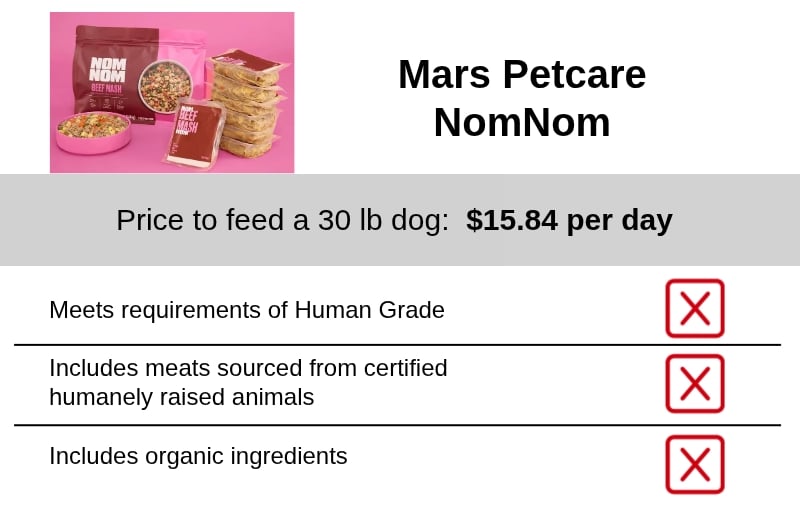
- 2022: A watershed year for market consolidation. Mars Petcare, already a global powerhouse, acquired NomNom, a direct-to-consumer fresh pet food company, signaling a serious intent to capture the premium fresh segment. That same year, Mars also acquired Champion Pet Foods, the parent company of the Orijen and Acana brands.
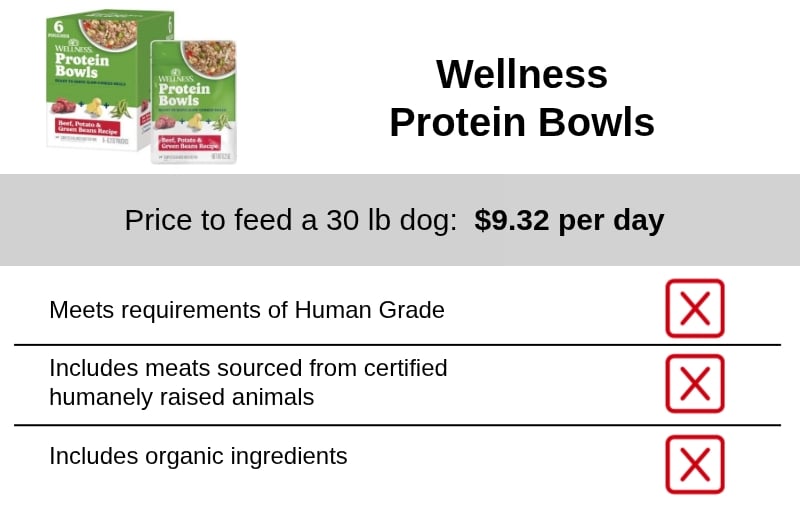
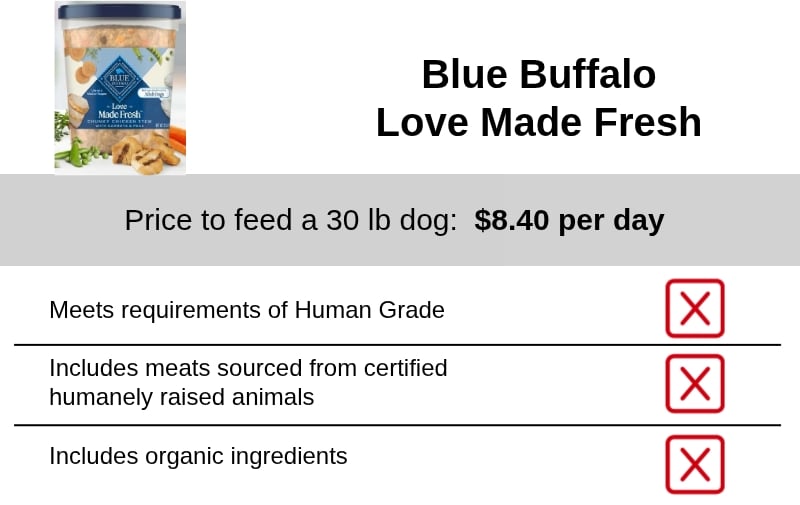
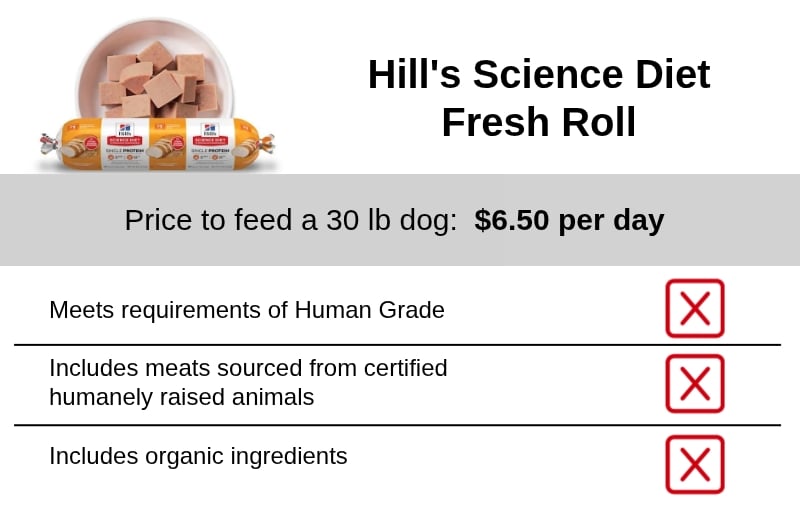
- 2024–2025: As the popularity of subscription-based fresh food services grew, traditional manufacturers like Wellness Pet Food, Blue Buffalo, and Hill’s Science Diet began rolling out their own fresh-styled product lines, such as "Protein Bowls," "Love Made Fresh," and "Fresh Roll," respectively.
- 2026: The market reached a saturation point of sorts, with major players now offering "fresh" variations alongside their legacy kibble lines. However, the price volatility observed throughout 2026 suggests that these corporations are still experimenting with the elasticity of the premium market.
Supporting Data: The Price of "Fresh"
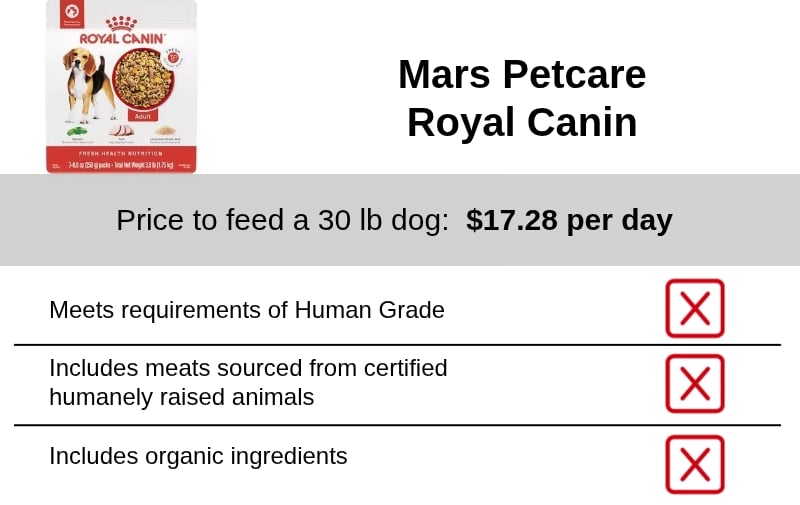
To understand the scale of the market shift, one must look at the cost to the consumer. Estimates based on manufacturer and retailer feeding guidelines for a 30-pound dog reveal startling price gaps.
The Big Brand Breakdown (Daily Cost for a 30lb Dog)
| Manufacturer/Brand | Product Line | Estimated Daily Cost |
|---|---|---|
| NomNom (Mars) | Fresh Meals | Varies by Plan |
| Royal Canin (Mars) | Fresh Health Nutrition | ~$17.28 |
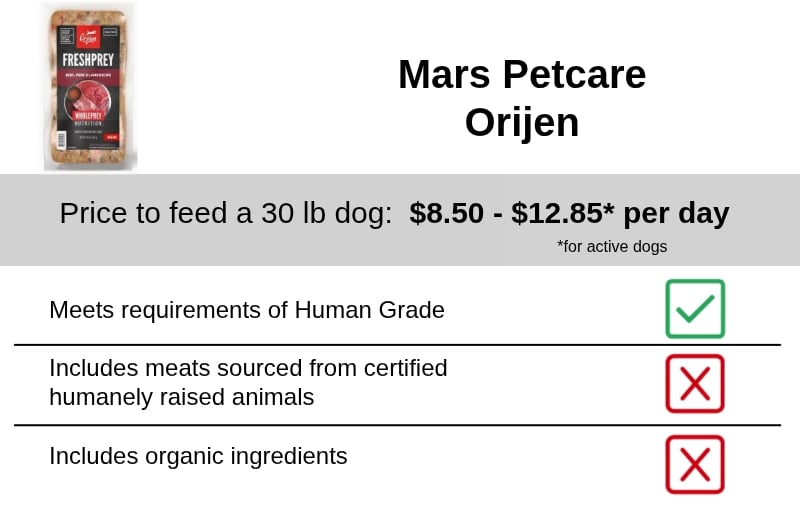
| Orijen (Mars) | Fresh Prey | ~$14.95 |
| Wellness | Protein Bowls | ~$11.20 |
| Blue Buffalo | Love Made Fresh | ~$8.40 |
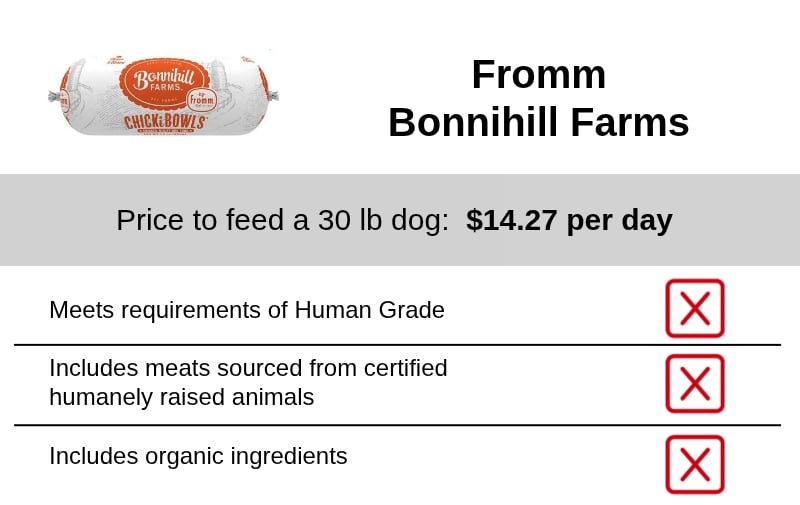
| Fromm | Chickibowls | ~$14.27 |
| Hill’s Science Diet | Fresh Roll | ~$6.50 |
These figures highlight a profound inconsistency. For instance, the price differential between the most affordable option (Hill’s Science Diet at $6.50/day) and the most expensive (Royal Canin at $17.28/day) is nearly threefold. Even more concerning is the comparison between products with similar manufacturing processes. Both Blue Buffalo and Royal Canin produce "fresh" options that are feed-grade and utilize similar processing techniques, yet their price points occupy vastly different tiers of the market.
The Orijen Exception: Human-Grade Claims
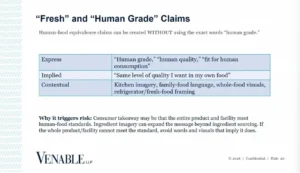
Among the giants, Orijen’s "Fresh Prey" stands out as a unique case. It is the only product among these major brands that explicitly makes a "human-grade" claim on its packaging. This implies that the ingredients are sourced and processed in a facility that meets human food safety standards. Yet, even with this distinction, it is not the most expensive option on the market, raising questions about how other companies justify their premium pricing strategies in the absence of such high-level certifications.
Implications: Pricing Games and Market Strategy
The erratic pricing structure leads to a difficult question: What "games" are these manufacturers playing?
The "Price Discovery" Experiment
The volatility in pricing suggests that these corporations are currently in a phase of aggressive market testing. When Mars Petcare introduced Orijen’s fresh line, the initial price point was significantly higher than what is currently seen on store shelves. The subsequent $2.00 per-pouch reduction at retailers like Petco indicates that the market is still finding its equilibrium. Manufacturers are testing exactly how much the "fresh" label is worth to the average consumer.
The Barrier to Entry
There is a growing concern that these high price points serve a strategic purpose: to keep fresh food as a "luxury" alternative. By keeping the price of fresh food significantly higher than traditional kibble, manufacturers may be effectively discouraging a mass shift toward fresh diets. If a consumer believes they cannot afford fresh, they will naturally revert to the higher-margin, more convenient, and more traditional kibble products that these companies have been selling for decades.
The Absence of "Human-Grade" and "Ethical Sourcing"
Perhaps the most telling data point is the lack of transparency regarding sourcing. Across almost all the analyzed brands—with the exception of Orijen’s human-grade claim—there is a notable silence regarding whether the meats used are from certified humanely raised animals or if the ingredients are organic. For a consumer paying $15.00 a day for "fresh" food, the lack of these assurances suggests that "fresh" may simply refer to the state of the food (refrigerated vs. dry) rather than the quality of the ingredients themselves.
Official Responses and Industry Outlook
To date, the major pet food manufacturers have remained largely silent regarding the specific pricing models and the lack of a legal definition for "fresh." The industry at large has historically resisted stricter FDA oversight, preferring the flexibility of AAFCO’s voluntary guidelines.
However, the pressure is mounting. As organizations like the Association for Truth in Pet Food continue to lobby for transparency, the gap between what a consumer expects when they see the word "fresh" and what they are actually getting is becoming a focal point of public discourse.
Conclusion: A Cautionary Path for Pet Owners
The shift toward fresh pet food is, in many ways, a positive development for animal health. However, as it stands, the "fresh" label is being used as a marketing vehicle rather than a guarantee of superior quality.
For the average pet owner, the advice remains the same: Look past the marketing. Check for "human-grade" certifications, investigate the sourcing of proteins, and demand transparency. The "fresh" frontier is in its infancy, and until federal regulations catch up with corporate branding, the responsibility of ensuring the health and safety of our pets lies entirely with the consumer.
As we look toward the future, one thing is certain: Big Pet Food has realized that "fresh" sells. Whether this leads to a genuine elevation in the standard of care for our dogs or simply a more expensive way to purchase traditional feed-grade products remains to be seen. In the interim, informed skepticism is the best tool any pet parent can possess.