By Outdoor & Pet Safety Desk
Published in partnership with GoPetFriendly
Introduction: The Allure and Peril of the Desert Landscape
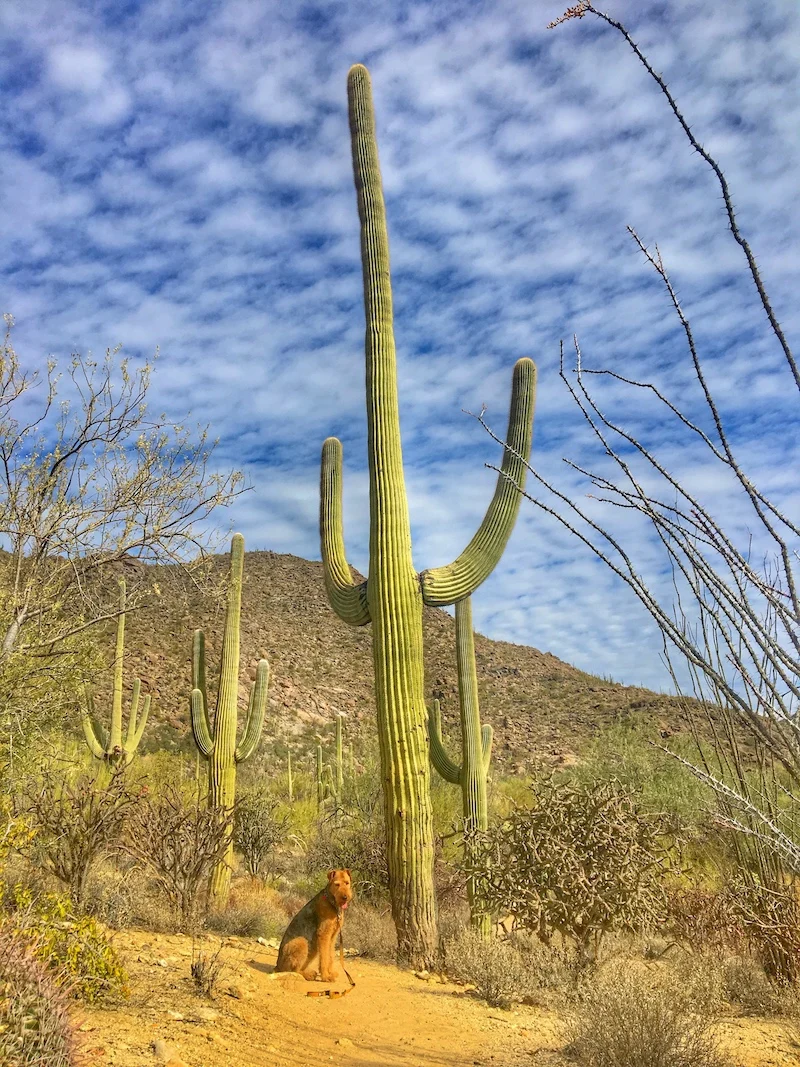
There is a profound, meditative stillness that comes with hiking through a desert landscape. The vast, sweeping horizons, the striking silhouettes of ancient cacti, and the profound silence offer a sense of peace that is difficult to find in dense woodlands or alpine forests. Yet, beneath this serene aesthetic lies a stark, unforgiving reality. The desert is an ecosystem of extremes, commanding utmost respect and meticulous preparation.
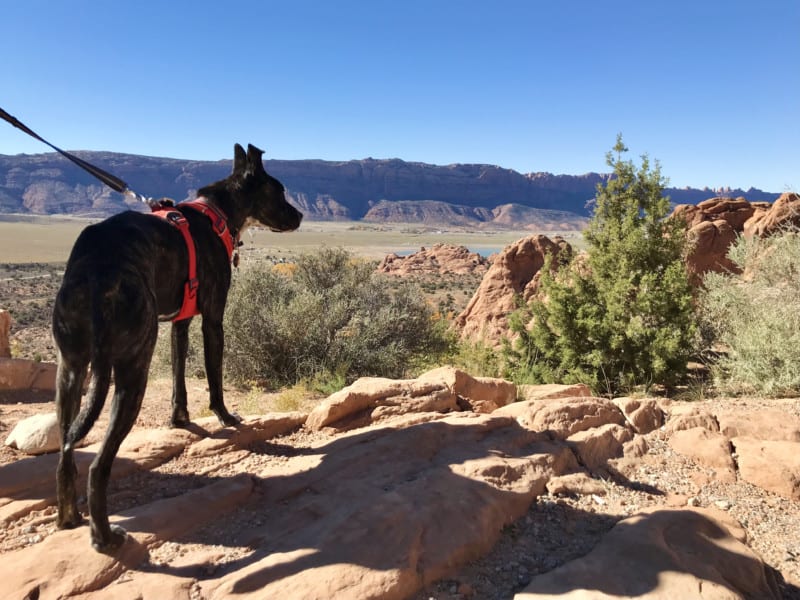
For pet owners, transitioning from lush, temperate trails to the arid backcountry introduces a steep learning curve. While human hikers must carefully manage hydration, navigation, and thermal regulation, introducing a canine companion into this equation multiplies the variables. Without the proper precautions, gear, and situational awareness, the environment can quickly turn hostile.
Drawing from extensive trail testing, expert veterinary insights, and hard-earned lessons from the field, this comprehensive guide outlines the essential gear, medical preparedness, and safety protocols required to ensure a safe, exhilarating desert hiking experience for both you and your dog.
Main Facts: Understanding the Desert Canine Ecosystem
Unlike wooded trails where shade, natural water sources, and soft earth are abundant, the desert presents unique physiological and environmental challenges for dogs.
- Thermal Regulation: Dogs do not sweat over their entire bodies the way humans do. Instead, they primarily cool themselves through panting and, to a much lesser extent, sweat glands located in their paw pads. Walking on superheated sand, rock, or asphalt can rapidly elevate a dog’s core body temperature and severely burn their pads.
- Unreliable Hydration: Natural water sources in arid regions are notoriously ephemeral. A stream noted on a map or flowing the previous week can be bone-dry by the time you reach it. Relying on local water sources is a dangerous gamble; hikers must pack 100% of the water required for both themselves and their pets.
- Hidden Hazards: From razor-sharp rock shards and aggressive cactus needles to venomous wildlife, the desert floor is engineered to deter the unprepared.
Recognizing these core facts is the first step toward responsible backcountry travel in arid climates.

Chronology: From Midwest Anxiety to Field-Tested Expertise
The methodologies and gear recommendations outlined here were not born in a sterile laboratory; they were forged through trial, error, and adaptation on the trail.
Phase One: The Transition (Pre-Trip Anxiety)
For hikers accustomed to the forgiving, moisture-rich environments of the Midwest, stepping into the American Southwest induces a healthy dose of anxiety. The sheer openness and lack of immediate shelter mean that minor mistakes can escalate quickly. Recognizing a scarcity of comprehensive, centralized resources specifically focused on canine desert safety, seasoned hikers have had to treat their own pets as trail-testers—pioneering protocols out of necessity.
Phase Two: Establishing the Communication Loop on the Trail
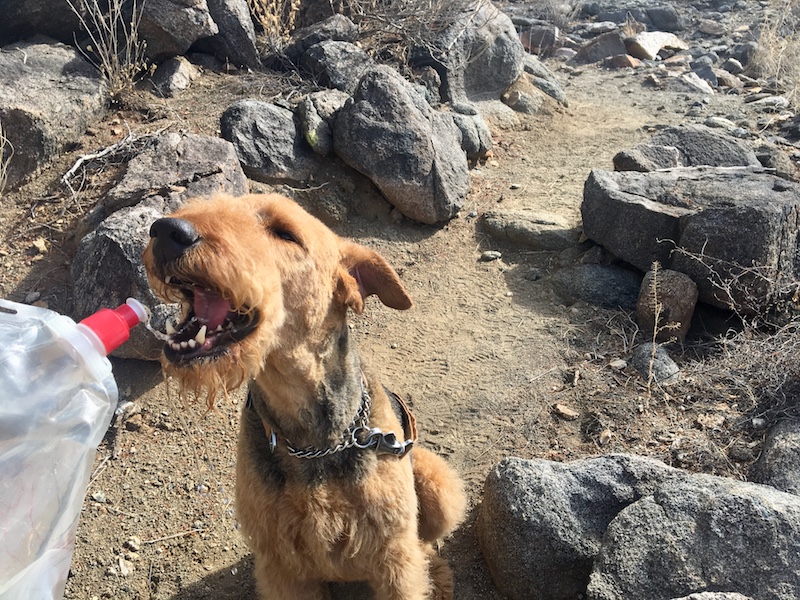
Field testing reveals that logistics are only half the battle; communication with your dog is equally critical. For example, establishing a reliable hydration rhythm requires deliberate training:
- The Cue: Periodically asking the dog if they are thirsty.
- The Response: Training the dog to stop, face the handler, and sit down.
- The Delivery: Administering controlled, small bursts of water using a specialized pop-top bottle, turning hydration into a controlled "drinking fountain" experience rather than a frantic gulping session.
Phase Three: Emergency Adaptation
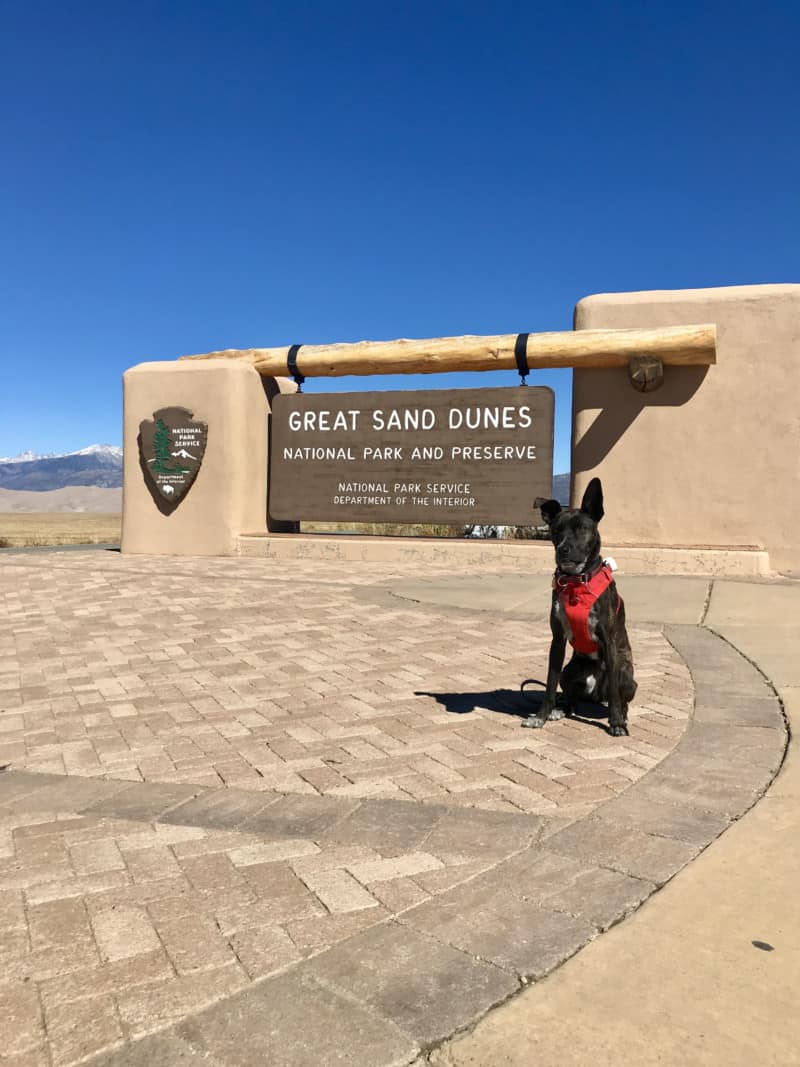
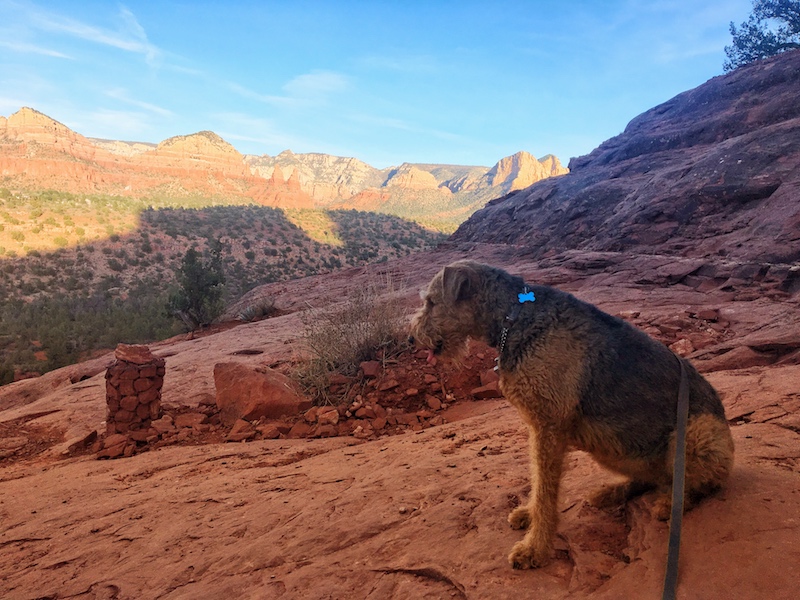
Over successive seasons exploring diverse terrain—from the rocky expanses of Sedona to the shifting, searing sands of the Great Sand Dunes National Park—gear kits evolve. Items once deemed superfluous, such as fine-tooth combs and pet-safe self-adhesive tape, quickly graduate from "optional extras" to non-negotiable frontline essentials.
Supporting Data & Essential Gear Checklist
When prepping for a desert excursion, your packing list must go beyond the standard leash and waste bags. Based on extensive trail logs, here are the seven non-negotiable essentials for your canine desert kit:
1. Water and a Hydration System
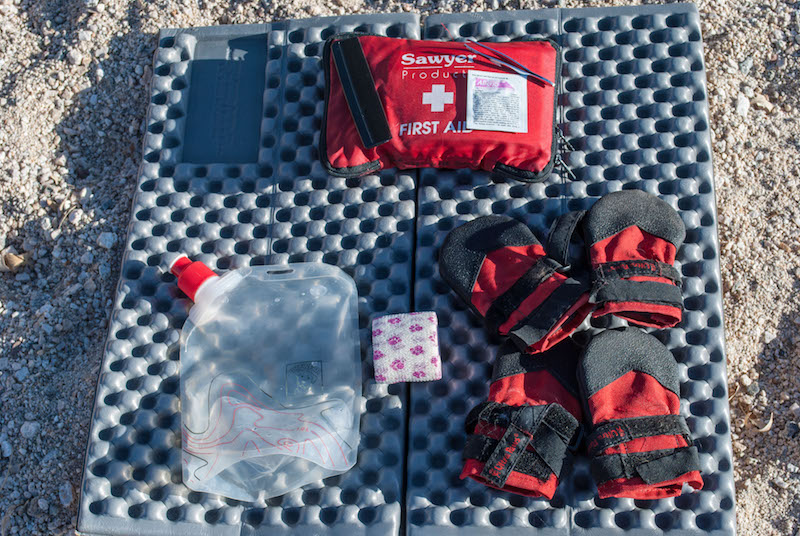
You need a lot of water—significantly more than you would pack for a temperate-zone hike of equal distance. To distribute the weight efficiently, consider outfitting your dog with a specialized canine hydration backpack, such as the Ruffwear Hydration Pack, allowing them to carry a portion of their own supply. Pair this with a collapsible water bottle featuring a pop-top nozzle to prevent waste and control intake speed.
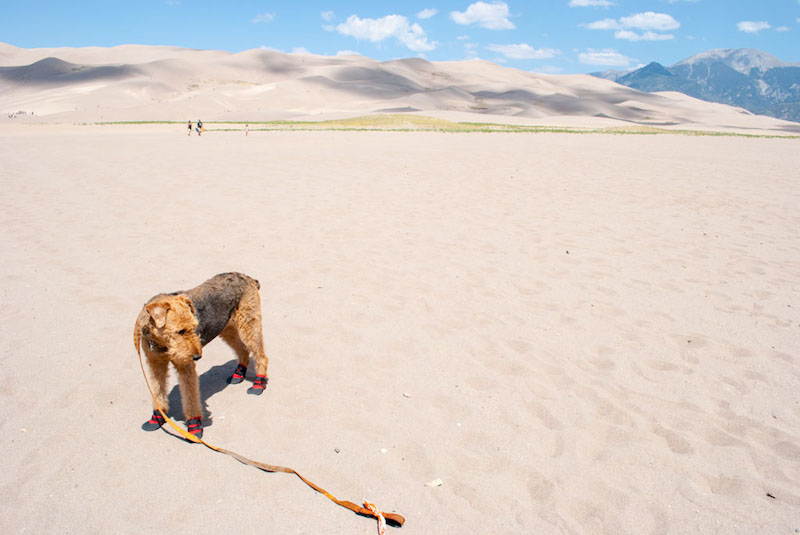
2. Emergency Dog Boots
While continuous boot-wearing in hot weather can impede a dog’s ability to regulate body temperature through their paws, boots are critical emergency equipment. They must be packed for unexpected injuries, sudden spikes in ground temperature, or punishing abrasive surfaces (such as deep, sun-baked sand). Look for rugged designs with dual-velcro security straps, like the Ultra Paws Rugged Dog Boots, to ensure they do not slip off mid-stride.
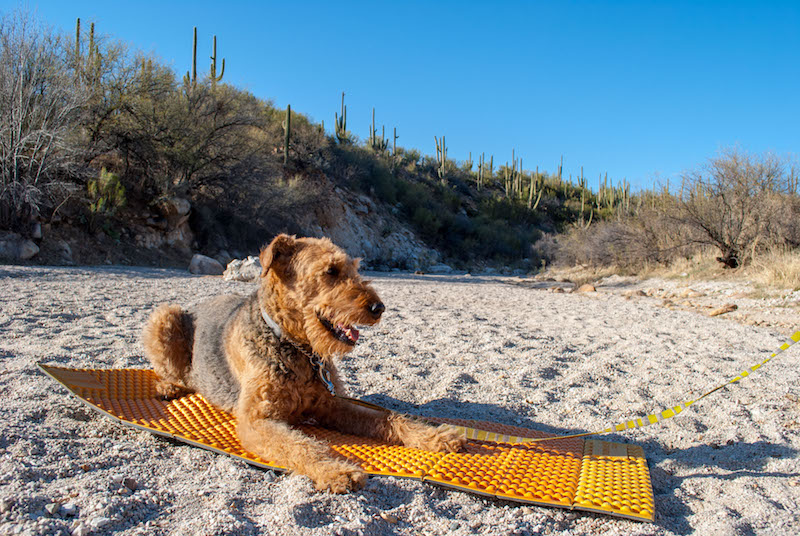
3. A Portable Canine Sit-Pad
During extended hikes, breaks are mandatory. While humans often carry foam sit-pads, dogs are left to lie directly on the terrain. Because the desert floor is a minefield of rock shards, sharp brush, and fallen cactus needles, packing a lightweight, compact sleeping pad or sit-pad for your dog transforms a stressful rest stop into a comfortable, injury-free oasis.
4. A Fine-Tooth Comb
A cheap, fine-tooth metal comb is a revolutionary addition to any desert hiking pack. It allows you to swiftly brush out embedded sand burrs, goathead thorns, and microscopic cactus spines from your dog’s coat and paws before they migrate deeper into the skin—saving your fingers from painful pokes in the process.
5. Precision Tweezers
For fine work that a comb cannot manage—such as removing isolated cactus spines, wood splinters, or bee stingers—a pair of high-precision stainless steel tweezers is indispensable. Remember: spines can easily transfer from your dog’s fur to your hands or leash, meaning prompt removal protects both of you.
6. Pet-First-Aid Self-Adhesive Tape
Standard human bandages and adhesive tapes will wrap disastrously into a dog’s fur, causing immense pain upon removal. Always pack specialized, pet-safe cohesive bandage tape. This material adheres only to itself, not to skin or hair. Note: Apply the tape loosely to avoid cutting off circulation, and use it strictly as a stabilization measure until veterinary care can be reached.
7. Antihistamines (Benadryl)
Inquisitive dogs often investigate buzzing insects. In worst-case scenarios, a dog may snap at and ingest a bee or wasp. Just like humans, dogs can experience severe allergic reactions. Consult your veterinarian prior to your trip to confirm if Benadryl is appropriate for your dog, establish the exact weight-based dosage, and keep a clearly labeled note alongside the medication in your first-aid kit.
Official Responses and Veterinary Guidance
Veterinarians and animal rescue organizations operating in arid regions emphasize that environmental awareness is paramount. Professional veterinary consensus stresses several key preventive measures:
- The Rattlesnake Vaccine: While rattlesnakes generally prefer to avoid humans and large animals, close encounters on narrow desert trails do happen. Many regional veterinarians recommend the rattlesnake vaccine for dogs that frequent desert trails or hike off-leash. While the vaccine does not render a dog immune, veterinary toxicologists note that it buys critical time—neutralizing some venom potency and dampening the physiological shock—giving owners a wider window to reach an emergency animal hospital.
- Heatstroke Prevention: Veterinary professionals warn that canine heatstroke can develop with terrifying speed. Panting alone is often insufficient when ambient temperatures soar and relative humidity plummets. Vets advise monitoring for early signs of distress: excessive drooling, glazed eyes, bright red gums, unsteady coordination, and lethargy. If these signs appear, hikers must immediately seek shade, apply cool (not ice-cold) water to the dog’s groin and paw pads, and evacuate to veterinary care.
Implications: Fostering a Culture of Responsible Desert Stewardship
As outdoor recreation continues to surge in popularity, the impact on fragile desert ecosystems and the animals that navigate them becomes increasingly pronounced.
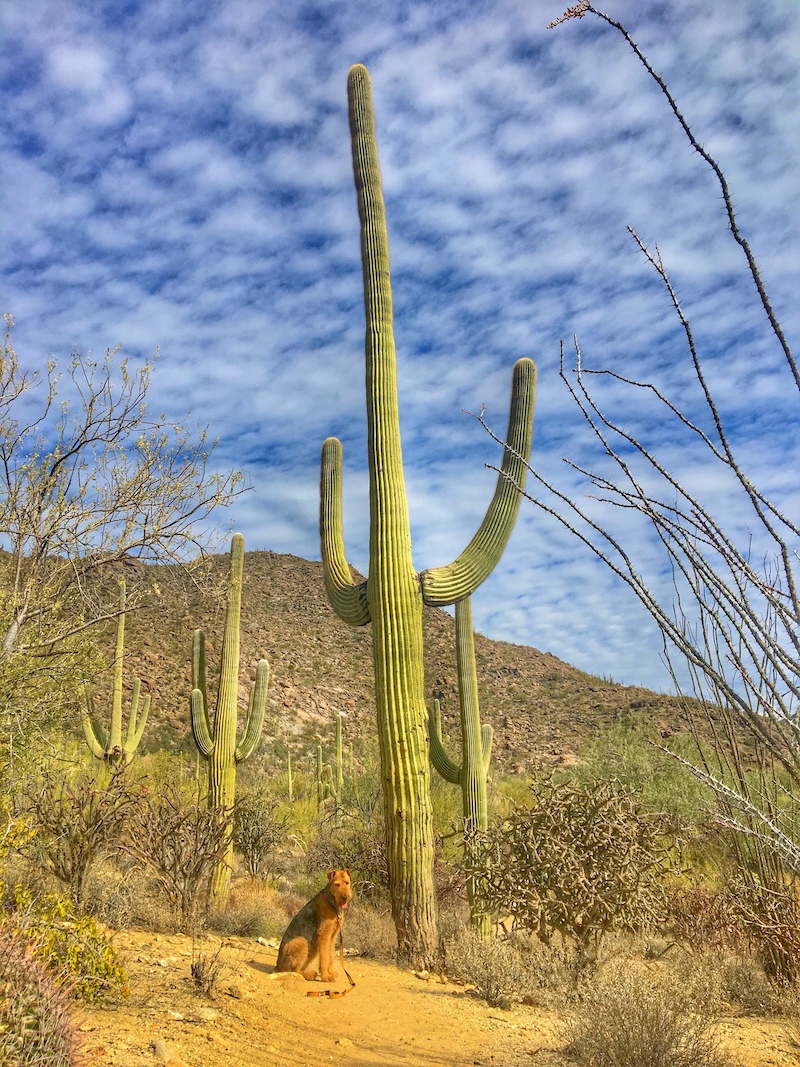
The implications of unprepared hiking extend far beyond a ruined weekend trip. Search-and-rescue teams and local animal emergency services frequently respond to preventable canine heatstroke and trauma incidents in national parks and wilderness preserves. By adopting a rigorous, gear-conscious, and proactive approach to desert trekking, pet owners not only safeguard the health and longevity of their four-legged companions but also reduce the strain on public emergency infrastructure.
Ultimately, hiking the desert with your dog can be one of the most rewarding bonding experiences imaginable. By respecting the raw power of the landscape, packing with absolute intentionality, and treating the trail with the humility it demands, you ensure that every journey into the painted canyons and golden dunes ends safely back at the trailhead.
Disclaimer: GoPetFriendly.com LLC participates in affiliate programs, including the Amazon Services LLC Associates Program, earning commissions through qualifying purchases linked within this article. Always consult your primary veterinarian before introducing new medications, supplements, or strenuous physical routines to your pet.