By Denise Fleck
Pet Safety Crusader & Animal Care Instructor
Main Facts: The Reality of Canine Swimming Safety
When summer arrives and temperatures soar, heading to the body of water—whether it is a backyard pool, a shimmering lake, or the ocean shore—becomes an inviting escape for humans and their four-legged companions. However, a common and dangerous misconception persists that all dogs instinctively know how to swim.
While certain breeds, such as Newfoundlands, Labradors, and Portuguese Water Dogs, possess physical traits that predispose them to aquatic environments, they are not born with pre-programmed swimming techniques. Even among water-loving breeds, formal introduction and patient training are often required to ensure safety and confidence.
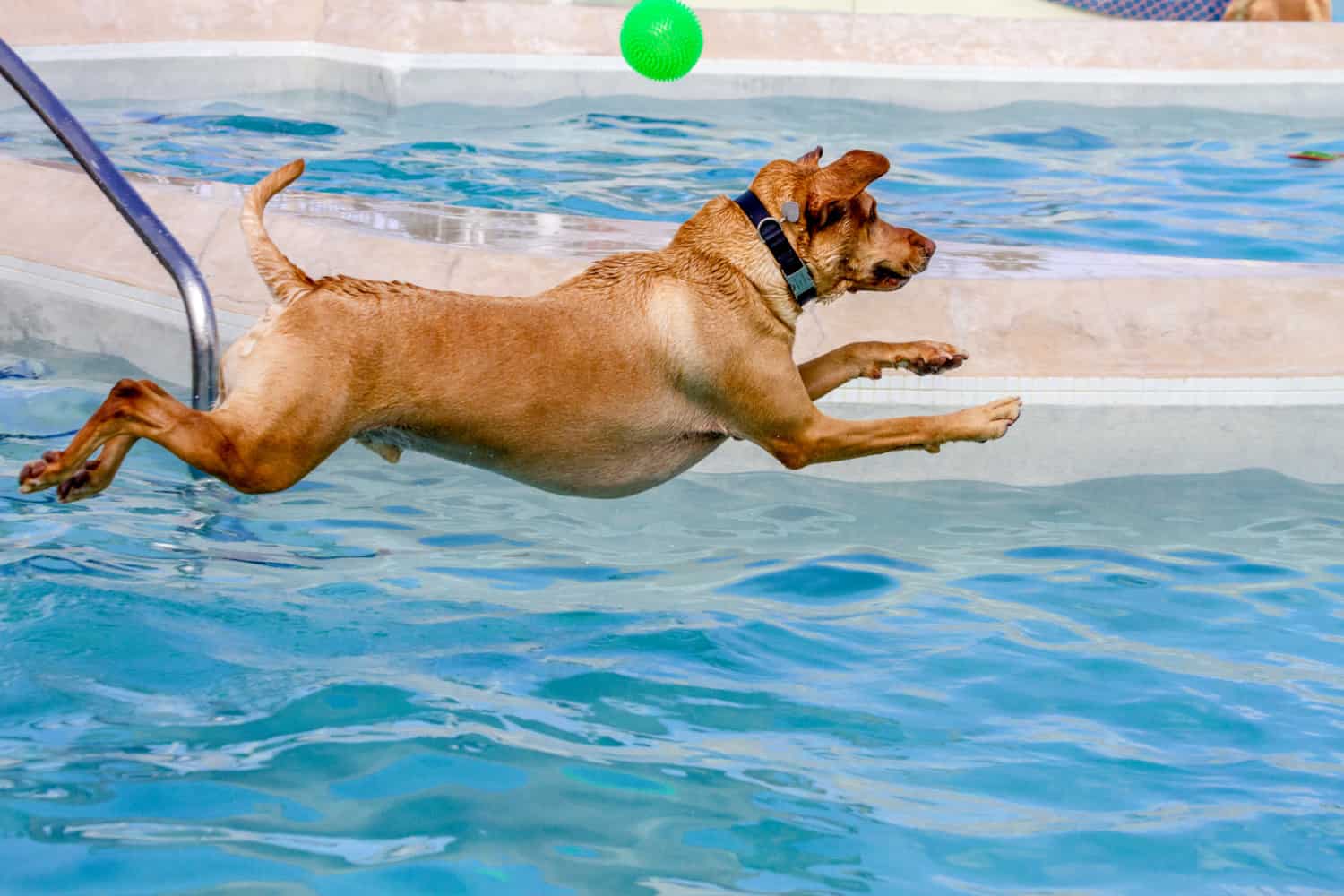
The stakes are remarkably high. Industry estimates suggest that approximately 10,000 dogs drown in the United States every year. The vast majority of these heartbreaking tragedies occur when unattended animals inadvertently fall into swimming pools and find themselves unable to escape. Much like humans, dogs quickly exhaust themselves through frantic splashing, leading to panic, fatigue, and ultimately, submersion. Consequently, teaching a dog how to swim—and more importantly, how to locate and utilize pool exits—is one of the most critical life skills a pet can acquire.
Beyond drowning prevention, introducing dogs to water under controlled conditions offers profound health advantages. Swimming provides a zero-impact or low-impact aerobic workout, making it an ideal physical therapy modality for dogs suffering from osteoarthritis, hip dysplasia, spinal issues, or obesity. The buoyancy of water supports the animal’s total body weight, effectively alleviating joint pressure while allowing them to burn calories and build cardiovascular endurance. High-performance dogs competing in agility, flyball, herding, and obedience also frequently incorporate swimming into their conditioning regimens to maintain peak physical condition without pounding their joints on hard terrain.
Chronology: Understanding Your Dog’s Relationship with Water
The journey from a land-loving pup to a confident swimmer does not happen overnight. Understanding how dogs naturally react to water is essential for designing a positive, stress-free learning timeline.
Phase 1: The Initial Assessment
The first step in any aquatic journey is evaluating whether your dog has any natural affinity for water. Not every dog is destined to be an Olympian. Short-necked, large-chested breeds—such as Bulldogs, Pugs, and Basset Hounds—struggle significantly in the water because their heavy front ends and dense bone structures make it nearly impossible to keep their heads elevated.
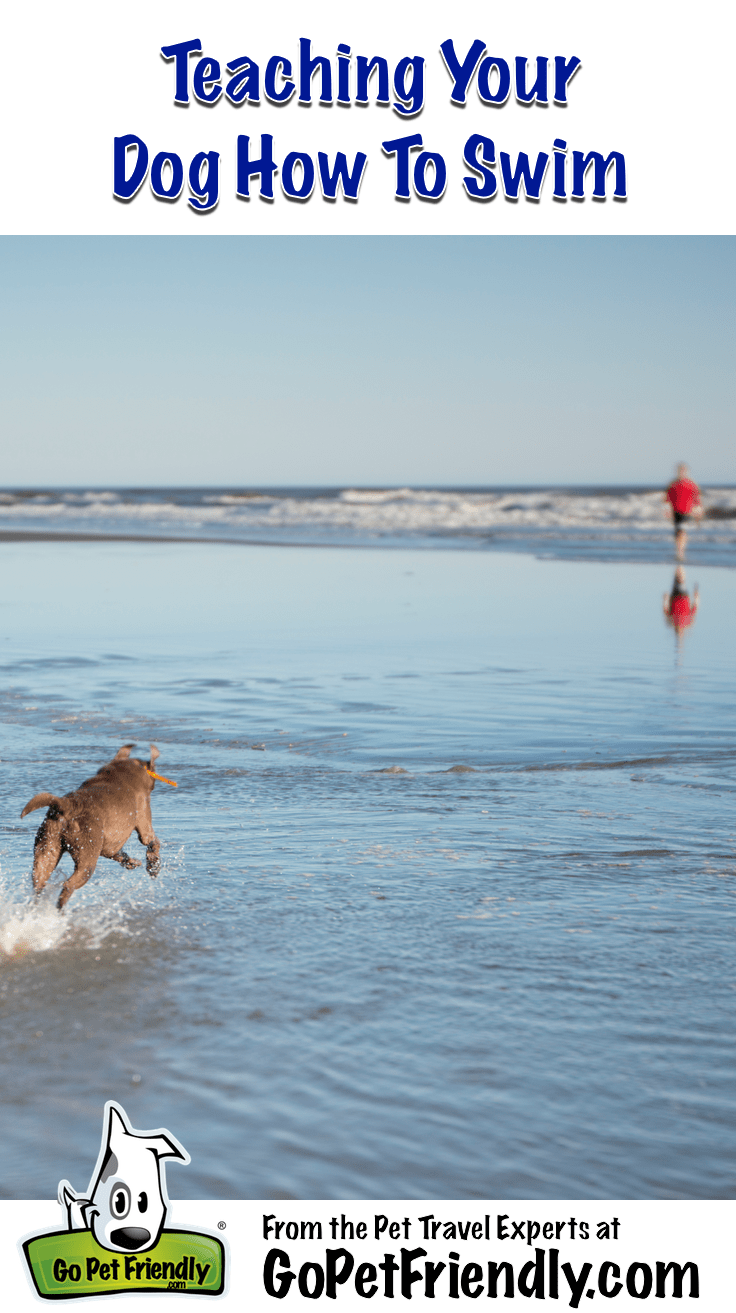
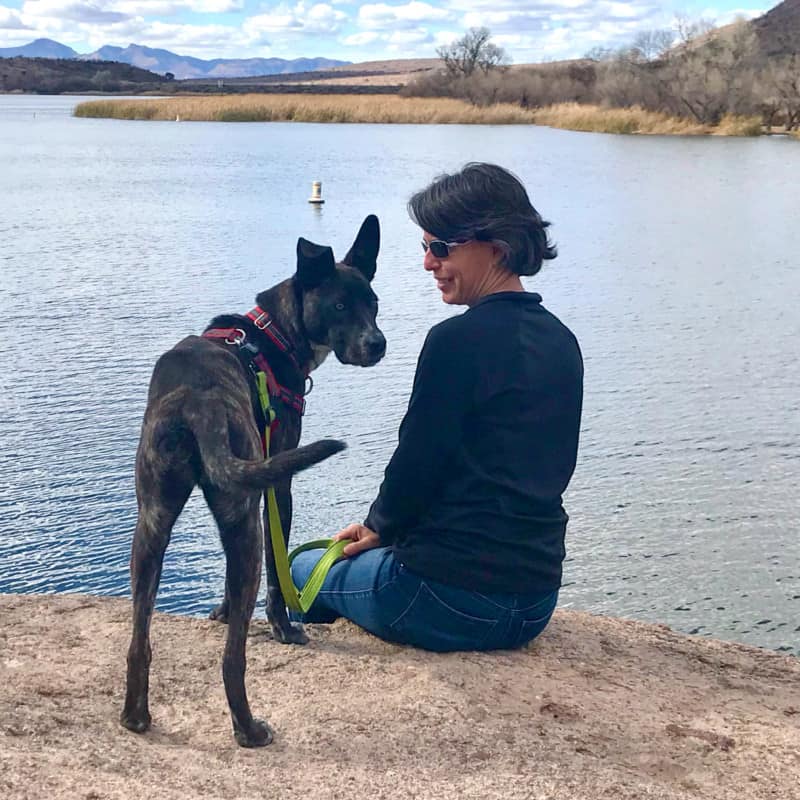
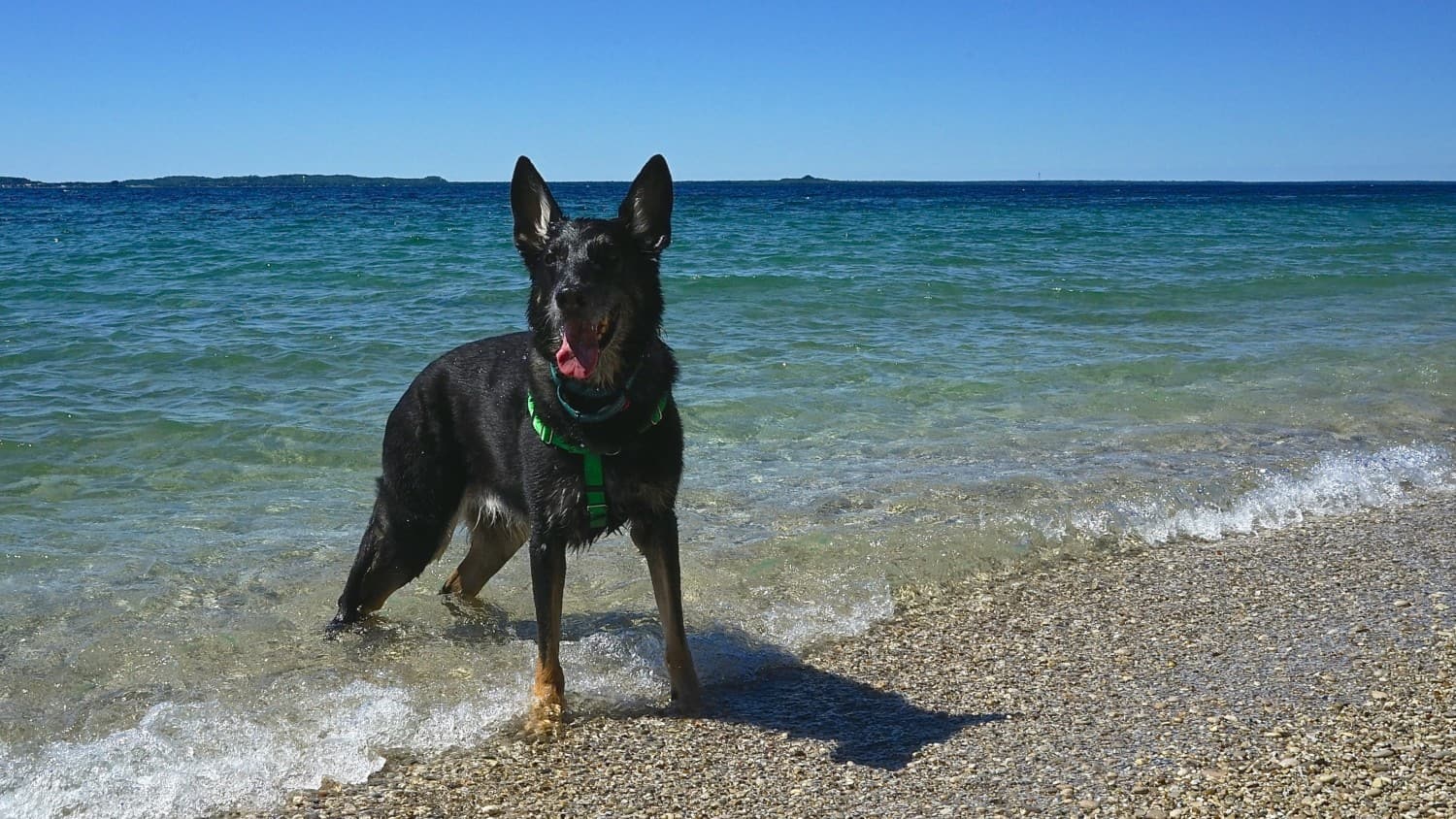
At the other end of the spectrum are individual personality preferences. For instance, many pet owners know that some dogs, much like Myles from the GoPetFriendly community, view even a stray puddle as a personal insult, choosing instead to walk around it and admire the wet stuff from a safe, dry distance. Conversely, other dogs, like the legendary traveler Buster, live for the waves, prompting their human companions to scout out pet-friendly beaches across the country.
Phase 2: Testing the Waters
To determine where your dog falls on the spectrum from "aquaphobic" to "fish," trainers recommend a simple, controlled test. Gently support your dog or walk with them on a leash into shallow water where they can still touch the bottom.
- The Reluctant Wader: If your dog immediately struggles to retreat to dry land, your primary obstacle will be fear. This requires slow desensitization, utilizing high-value treats, floating toys, and endless patience. If your dog ultimately decides water is not for them, forcing the issue is counterproductive; a plastic kiddie pool in the backyard might be a better compromise.
- The Front-Paddle Pup: If your dog begins to paddle with only their front legs while their hind end sinks and their back paws slap the surface, they have raw enthusiasm but lack coordination. With gentle physical support under their belly, you can help them learn to engage their hind legs and tail to achieve proper horizontal buoyancy.
- The Natural: If your dog immediately coordinates all four legs in a smooth, rhythmic "doggie paddle," congratulations—you have a natural-born swimmer on your hands.
Phase 3: Gradual Introduction and Skill Mastery
Once basic buoyancy is established, the timeline shifts toward practical survival skills. Dogs must be taught not only how to stay afloat, but precisely where the pool steps, ramps, or gradual shoreline exits are located. Practicing "exit drills" ensures that if a dog ever falls into a pool unexpectedly, their immediate instinct is to swim directly to safety rather than panicking against a vertical pool wall.
Supporting Data: Health, Fitness, and Aquatic Statistics
To fully grasp the importance of water safety and canine swimming education, it is helpful to examine the physiological and statistical data surrounding dogs and aquatic environments.
- Drowning Demographics: Animal rescue organizations report that residential swimming pools account for over 60% of canine drowning incidents. Unfenced pools and pools lacking specialized animal ramps represent the highest hazard zones.
- Therapeutic Efficacy: According to canine rehabilitation veterinarians, hydrotherapy reduces joint compression by up to 90%, depending on the water depth. This allows dogs with degenerative joint diseases to maintain muscle mass without exacerbating cartilage wear.
- Caloric Burn: Swimming is an intensely demanding cardiovascular activity. A 15-minute swimming session can burn the equivalent energy of a 45-minute brisk walk, making it exceptionally effective for weight management programs supervised by veterinary professionals.
- Risk Factors: Breeds with high body-fat-to-muscle ratios (like Dachshunds) may float easier due to fat buoyancy, but their short legs limit their propulsion efficiency. Conversely, heavy-muscled breeds with low body fat (like Greyhounds) sink more readily and tire quickly without canine flotation devices (life jackets).
Official Responses: Insights from Veterinary and Pet Safety Experts
Animal welfare organizations, veterinary bodies, and pet safety professionals universally emphasize that water activities require active supervision.
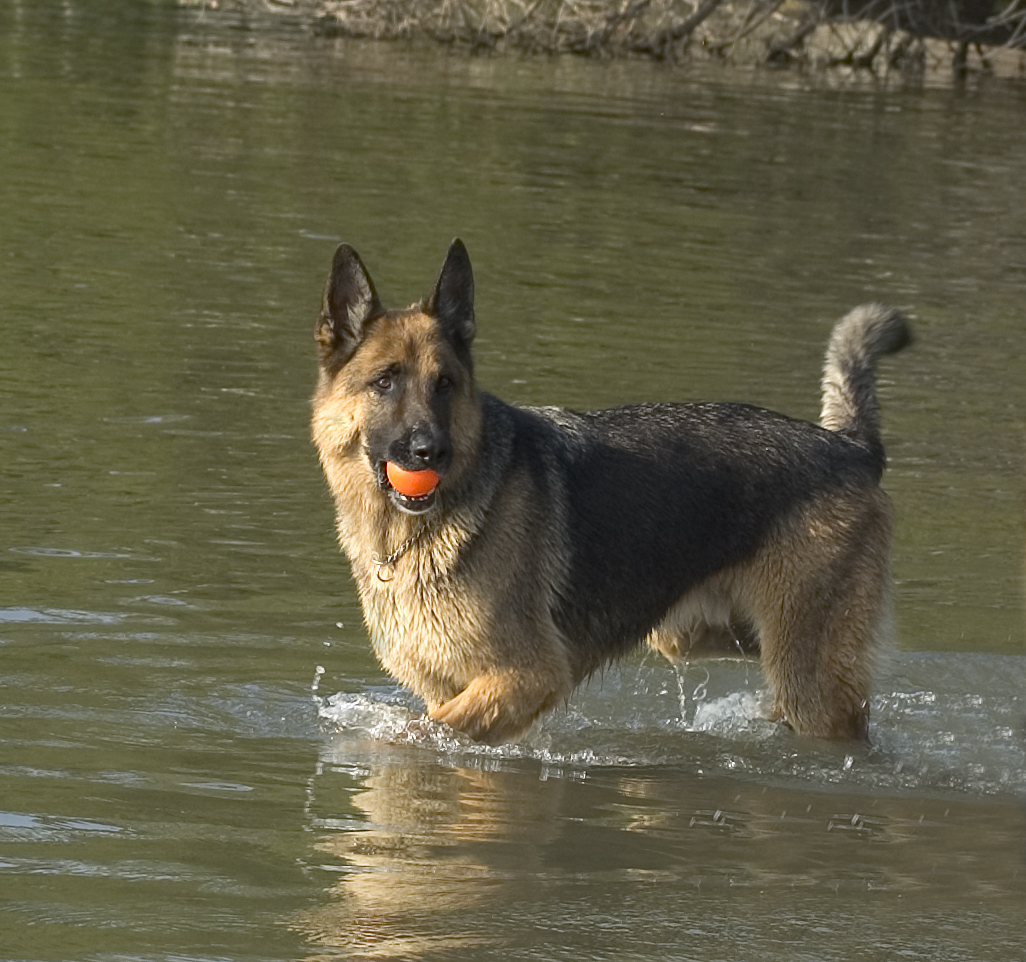
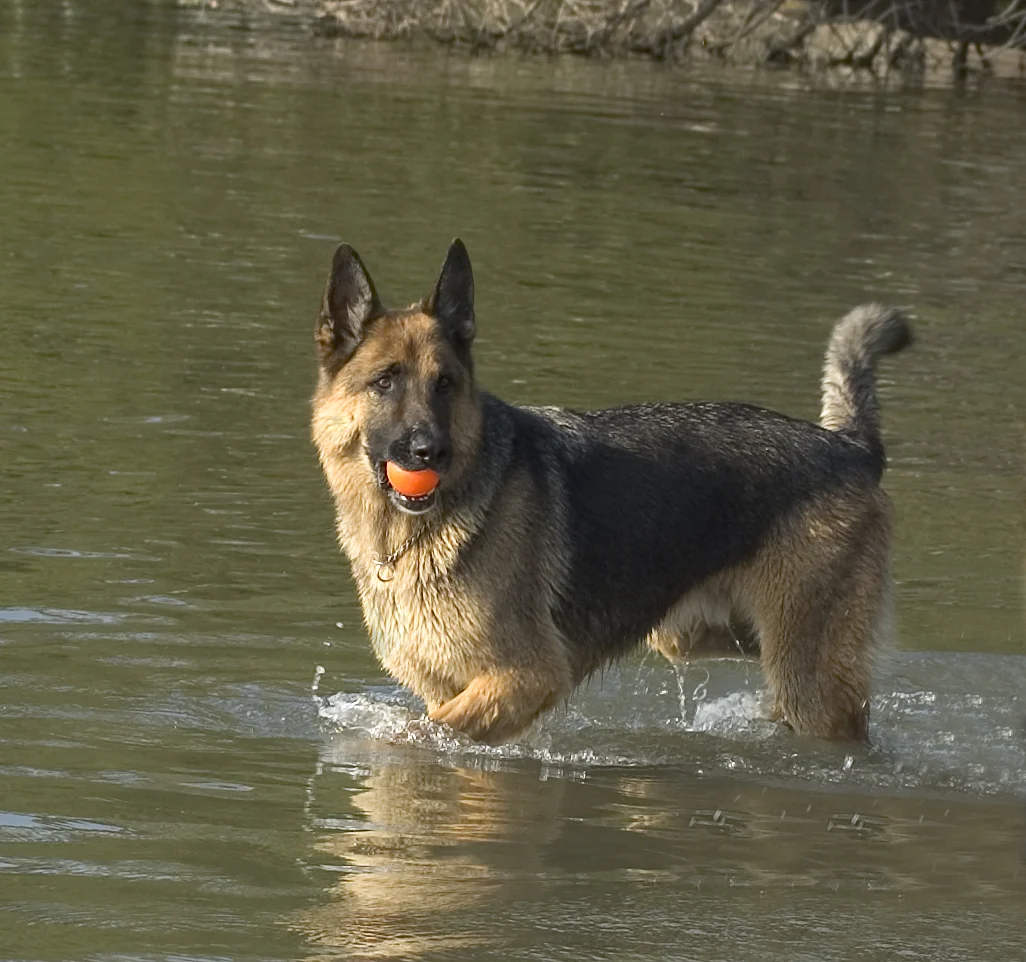
According to veterinary emergency clinicians, water intoxication (hyponatremia) is an under-reported danger during intensive swimming sessions. When dogs aggressively retrieve floating toys or bite at pool spray and lake waves, they frequently ingest massive amounts of water. This dilutes sodium levels in the bloodstream, leading to symptoms such as lethargy, staggering, bloating, vomiting, and in severe cases, seizures or death. Experts advise pet parents to enforce mandatory rest periods and use solid rubber retrieving toys rather than porous tennis balls that force the dog to keep its mouth open wide, swallowing excess water.
Furthermore, pet safety organizations stress the mandatory implementation of canine life jackets (canine flotation devices or CFD’s) during early swimming lessons, boating excursions, or when venturing into deep lakes and fast-moving rivers. A proper canine life jacket features a sturdy rescue handle on the back, allowing owners to easily lift an exhausted dog out of the water or guide them safely back to shore.
Implications: Building a Lifetime of Safe Water Adventures
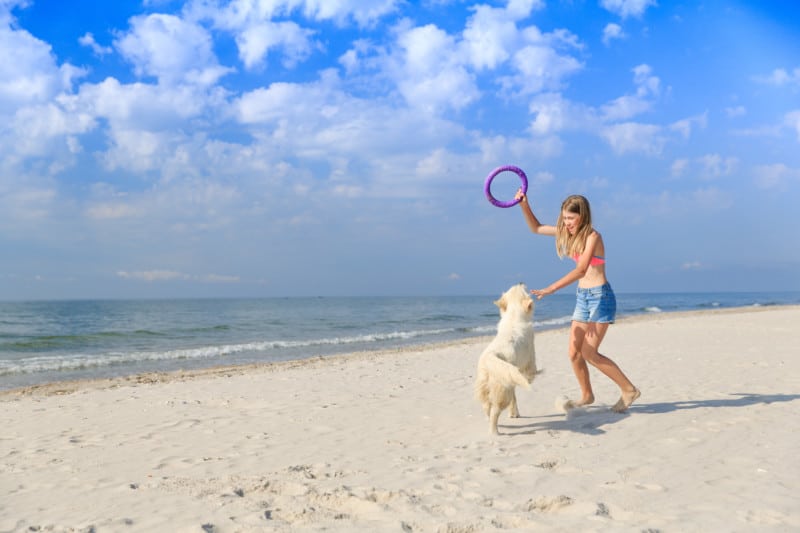
The implications of properly teaching a dog to swim extend far beyond a single afternoon of cooling off. When approached with patience, safety equipment, and positive reinforcement, water training lays the foundation for a lifetime of enriched human-canine bonding and shared outdoor recreation.
Essential Rules for Safe Water Fun
- Start Slowly and Keep It Warm: Avoid forcing, throwing, or dropping a dog into the water, as this triggers severe panic and water aversion. Ensure the water temperature is comfortable; if it is too cold for a human child, it is too cold for a dog. Use floating toys to lure them in gradually from the shallows.
- Monitor Fatigue Closely: Dogs are often so hyper-focused on retrieving a ball that they will ignore their own physical exhaustion. Watch for heavy, labored breathing, drooping head posture, or a sinking hind end. These are clear signs that it is time to enforce an immediate rest break on dry land.
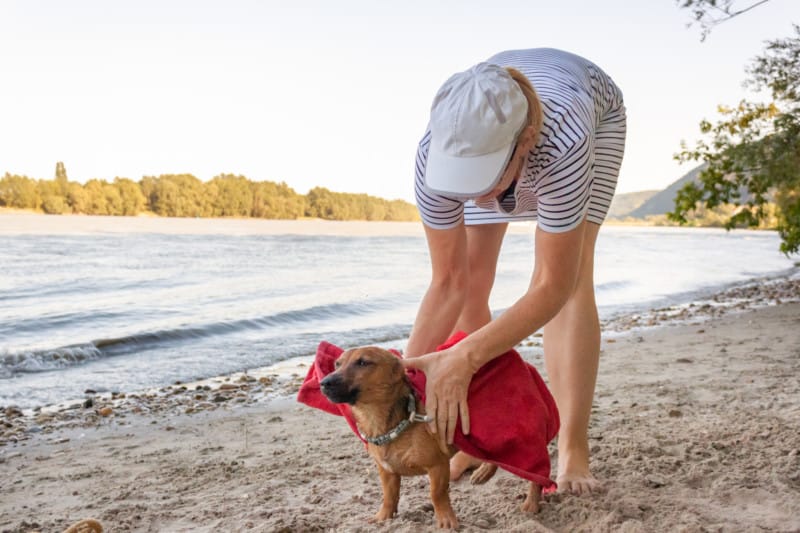
- Rinse and Dry Thoroughly: Post-swim hygiene is paramount for preventing skin and ear infections. Chlorine from swimming pools can severely irritate a dog’s skin and eyes, while stagnant lake or river water often harbors bacteria, algae, and parasites like Giardia. Always thoroughly rinse or shampoo your dog’s coat after swimming. Pay meticulous attention to drying out their ears completely to prevent painful outer ear infections (otitis externa).
- Expand into Advanced Water Sports: Once your dog is a confident swimmer who understands how to safely exit the water, an entire world of recreational activities opens up. You can safely include your canine companion in canoeing, kayaking, paddleboarding, boating, and dock-diving competitions.
Conclusion
Teaching your dog to swim is a rewarding process that requires equal parts patience, preparation, and vigilance. By respecting individual breed limitations, acknowledging personal personality differences like Myles’s aversion to water or Buster’s passion for the waves, and prioritizing rigorous safety protocols, you can transform aquatic environments from zones of anxiety into playgrounds of joy.
Remember to keep training sessions short, celebrate small victories, and always supervise your furry friend. Before you know it, you and your four-legged Michael Phelps will be making a magnificent splash together, creating memories that will last a lifetime.