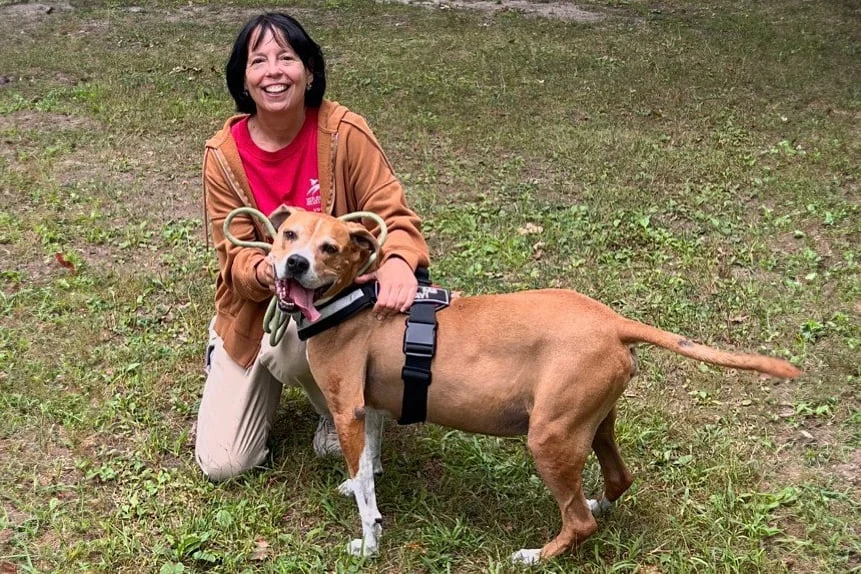
In the quiet corners of Warren and Washington Counties, a silent crisis persists. It is a crisis measured in the thousands—stray and feral cat populations that, without intervention, face lives of hardship, disease, and instability. At the heart of the effort to mitigate this crisis is Deborah Oligny, a director whose commitment to feline welfare has transformed the landscape of local animal rescue. Through her organization, NCI (North Country Initiatives), Oligny and her dedicated team are not merely providing shelter; they are managing a sophisticated, high-stakes logistical operation that balances medical intervention, community outreach, and the relentless search for forever homes.
The Magnitude of the Mission: Managing the Colony Crisis
The scope of NCI’s work is staggering. On any given day, Oligny’s team is managing the care of dozens of cats within their facility, while simultaneously orchestrating complex operations across two counties. Their primary focus is the management of feral and stray colonies—clusters of cats that have become established in neighborhoods, farms, and industrial zones.
Currently, the team is actively assisting with as many as 15 distinct colonies across the region. Each colony represents a unique set of challenges: some are located in high-traffic areas prone to vehicular accidents, while others exist in rural settings where resources are scarce and the environment is harsh. For the NCI team, the work involves far more than simply providing food. It requires Trap-Neuter-Return (TNR) initiatives, ongoing medical monitoring, and, crucially, building bridges with the human communities that host these cats.
The Logistics of Compassion
"The work is constant," says Oligny, reflecting on the operational demands of the organization. Managing 15 colonies requires a rotating schedule of site visits, medical assessments, and the coordination of foster networks. The goal is to stabilize the populations to prevent further unchecked reproduction while ensuring that the cats currently in the system are as healthy as possible. This is a delicate balancing act, requiring significant financial support, volunteer manpower, and a deep understanding of animal behavior.
A Chronology of Recovery: The Rubble and Rocco Narrative
To understand the impact of NCI, one must look at the individual stories that emerge from the collective struggle. Two recent rescues, Rubble and Rocco, serve as a poignant case study of the challenges and the ultimate hope that defines the NCI mission.
The Case of Rubble
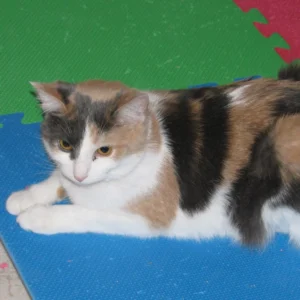
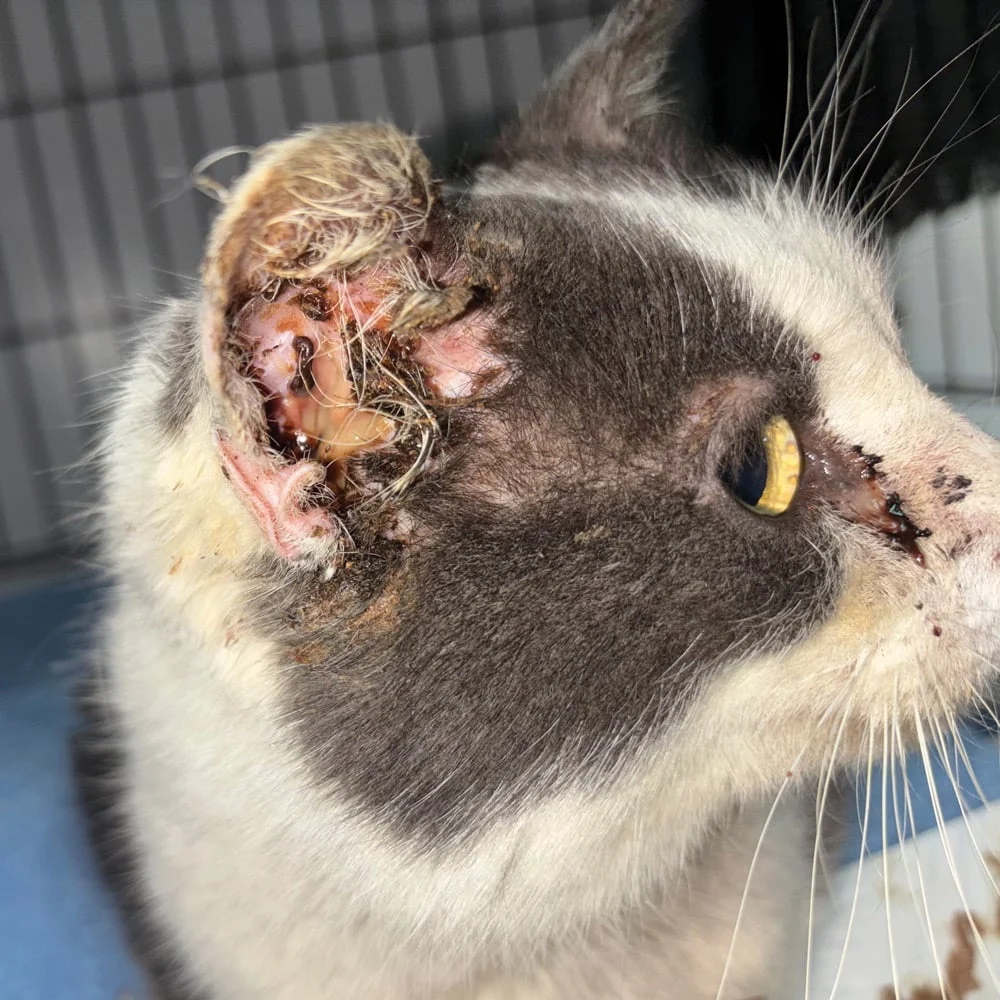
Rubble’s journey began in the uncertainty of the streets. When he was first brought into the care of NCI, his prognosis was grim. He was suffering from a severe, long-term ear infection that had progressed to the point of rupturing his eardrum. For a stray cat, such an injury is often a death sentence, leading to chronic pain, neurological issues, or fatal infection.
For the first several weeks, Rubble’s life was defined by the clinical environment of the rescue facility. He required aggressive antibiotic therapy, pain management, and specialized wound care. Beyond the medical treatment, however, was the critical need for "TLC"—the tender, loving care that transforms a frightened stray into a socialized companion. The NCI staff spent countless hours with Rubble, earning his trust and providing the stability he had never known. Today, Rubble is fully recovered, his spirit as vibrant as his health is restored. He stands as a testament to the fact that with enough resources and compassion, even the most neglected animals can be rehabilitated.
The Evolution of Rescue: Rocco
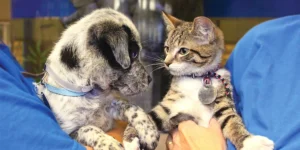
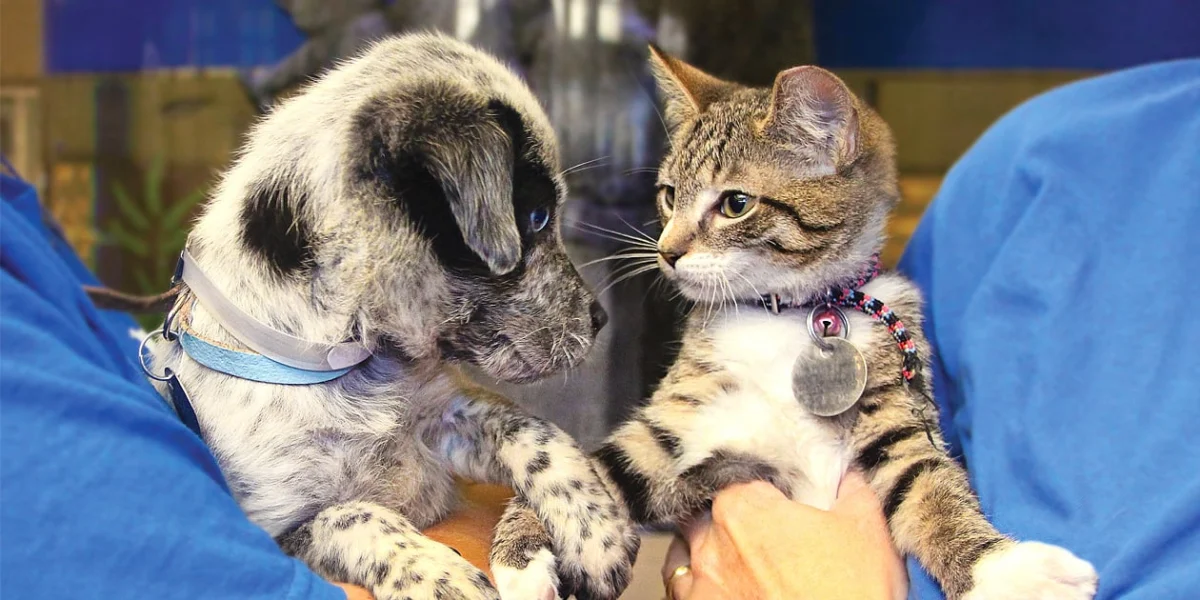
Rocco’s story follows a similar trajectory of intervention and transformation. Like Rubble, Rocco entered the system as a vulnerable stray. While his medical path differed, the intervention provided by NCI was the deciding factor between a life of suffering and a future in a loving home. By tracking the timelines of these cats—from the initial trap, through the weeks of medical stabilization, to the final stage of adoption—the NCI team illustrates a repeatable model of success that can be applied to larger populations.
Supporting Data: The Statistics of Stray Populations
The need for rescue services in Warren and Washington Counties is not anecdotal; it is data-driven. Experts in animal welfare note that a single unspayed female cat and her offspring can produce hundreds of kittens over a few years. Without aggressive intervention, these colonies expand exponentially, putting immense pressure on local wildlife and public health resources.
- Population Density: Across the 15 colonies managed by NCI, the organization handles a fluctuating population that often exceeds 100 cats at any given time.
- Medical Burden: Approximately 60% of rescued strays arrive with significant health issues, ranging from upper respiratory infections and parasites to severe trauma from territorial fighting or environmental hazards.
- Community Impact: By focusing on TNR, NCI has reported a significant reduction in nuisance complaints in the regions they serve, proving that humane management is the most effective form of population control.
The financial strain of these operations is significant. Veterinary costs alone for a single cat with complex needs can exceed $500, a burden that falls entirely on the organization’s fundraising efforts and public donations.
Official Responses and Strategic Vision
When asked about the future of feline welfare in the region, Deborah Oligny emphasizes the necessity of community partnership. "We aren’t just saving cats; we are educating neighbors," she explains. NCI works closely with local municipal leaders and residents to ensure that the colonies are managed in a way that respects the needs of the human residents while prioritizing the welfare of the animals.
The official stance of the NCI leadership is that the current model of "emergency response" is insufficient. Instead, they are pushing for a preventative approach. This includes:
- Increased Access to Low-Cost Spay/Neuter: Working with regional veterinarians to lower the barrier to entry for colony caretakers.
- Public Education Campaigns: Teaching residents how to identify early signs of illness in feral cats and how to contact the appropriate organizations before a situation becomes a crisis.
- Foster Integration: Expanding the network of temporary homes to free up space in the primary facility for cats with the most severe medical needs.
Implications for the Future of Animal Welfare
The work being done by NCI carries profound implications for the broader animal welfare community. As cities and rural counties across the United States grapple with how to handle growing stray populations, the NCI model offers a scalable template.
The Shift Toward Proactive Care
The traditional "shelter" model—where cats are held in cages until adoption—is becoming increasingly recognized as unsustainable for feral populations. NCI’s shift toward "colony management" recognizes that not every cat is a candidate for indoor living, but every cat is deserving of a managed, healthy existence.
The Moral Imperative
Beyond the logistics, there is a fundamental question of community ethics. The treatment of the most vulnerable among us—in this case, the stray cat population—reflects the health and compassion of the community at large. By taking in cats like Rubble and Rocco, NCI is not just solving a logistical problem; they are fostering a culture of empathy.
As the team looks toward the next season, the challenges remain high. The cost of food, medical supplies, and transportation continues to rise. Yet, the resolve of the NCI staff is undiminished. The transition of cats from the shadows of a colony to the warmth of a family home serves as the ultimate fuel for their work.
In conclusion, the story of NCI is a story of resilience. It is a story told in the quiet recovery of an ear infection, the steady growth of a kitten, and the tireless, often invisible work of volunteers who brave the elements to ensure that no cat is left to suffer in silence. For those looking to support this mission, the message is clear: the need is constant, but the impact of a single act of kindness can last a lifetime. Whether through donations, volunteering, or simply spreading awareness, the community plays a vital role in ensuring that the next "Rubble" or "Rocco" finds the same path to safety and love.