BEND, Oregon — The Oregon Department of Agriculture (ODA) has officially confirmed that two horses residing in Deschutes County have tested positive for pigeon fever, a contagious and potentially debilitating bacterial infection that typically peaks during the late summer and autumn months. The confirmation has prompted local animal health officials, veterinarians, and the Equine Disease Communication Center (EDCC) to issue heightened advisories to horse owners, boarding facilities, and equine event organizers across the Pacific Northwest.
While pigeon fever—scientifically known as Corynebacterium pseudotuberculosis infection—is rarely fatal when treated promptly, its physical manifestations can be severe, causing painful abscesses, prolonged lameness, and significant economic and operational disruption for horse farms and stables. The recent cluster of cases in Central Oregon serves as an urgent reminder of the biosecurity vulnerabilities equine facilities face during seasonal shifts, prompting an immediate call for heightened vigilance among regional caretakers.
Main Facts
The outbreak in Deschutes County involves two distinct, albeit geographically close, premises where equine populations have been compromised by the bacteria. According to state agricultural authorities and reports compiled through the Equine Disease Communication Center’s health monitoring network, the infection has manifested across two separate locations within a remarkably short radius.
- Location One: At the first affected facility, a single horse was confirmed positive for pigeon fever on September 11. Following standard quarantine and monitoring protocols, health officials identified one additional equine resident that had direct contact with the infected animal and is now considered exposed.
- Location Two: A second facility, situated less than one mile away from the initial index case and historical hot spots of confirmed equine illnesses in the region, reported its own positive case. At this second property, one horse has tested positive, while three additional stablemates have been flagged as exposed and are currently under close veterinary observation.
Pigeon fever earns its colloquial name from the characteristic, pigeon-like swelling it produces on the chest of infected equines. However, the bacteria can cause abscesses anywhere on the body, most frequently along the ventral midline (under the belly), pectoral region, and groin. While the disease is not typically zoonotic on a wide scale—meaning it rarely transmits to humans, though handlers should still practice rigorous hygiene—it spreads with notable efficiency among horses via biting insects, contaminated soil, and shared equipment.
The ODA, alongside local large-animal veterinary practices, is actively monitoring the situation to prevent further dissemination within Deschutes County’s dense equine community.
Chronology of the Deschutes County Outbreak
Understanding the timeline of infectious disease outbreaks is critical for tracing vectors, establishing effective quarantines, and preventing secondary chains of transmission. The unfolding timeline of the Deschutes County pigeon fever incidents illustrates how quickly localized clusters can emerge during peak vector seasons.
Early September: Heightened Seasonal Awareness
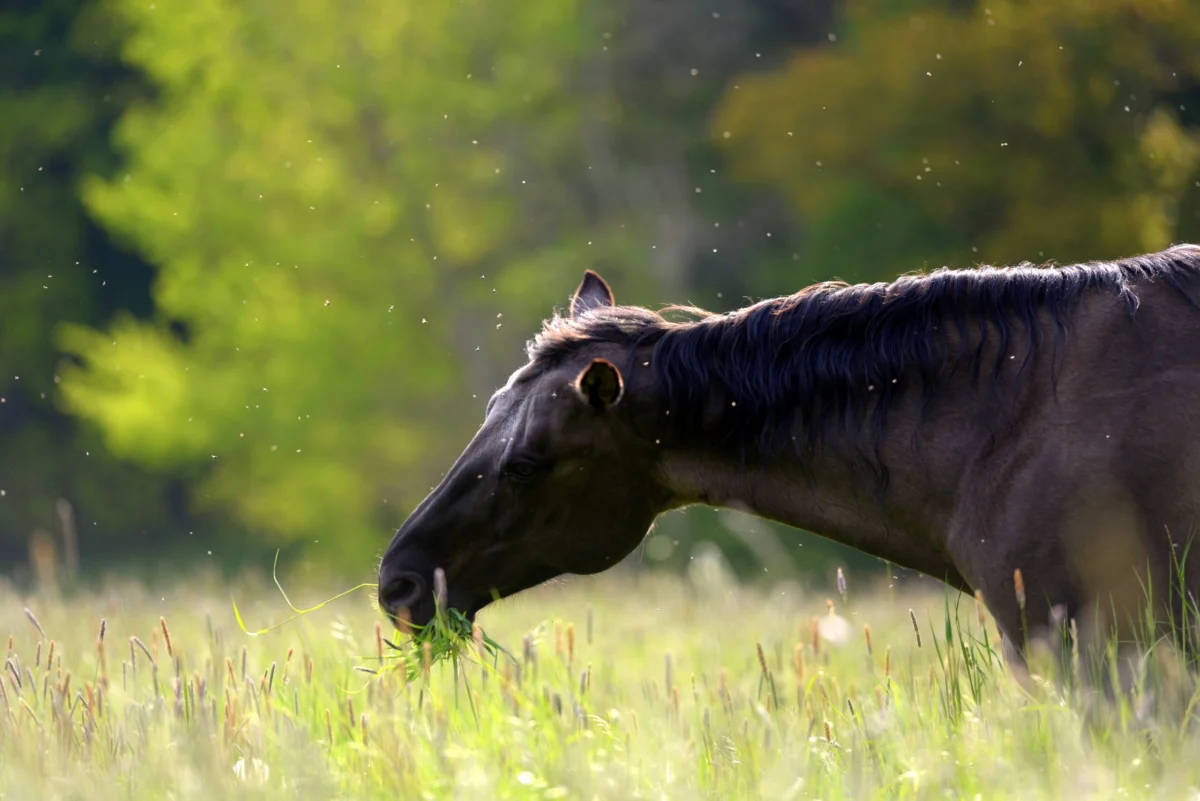
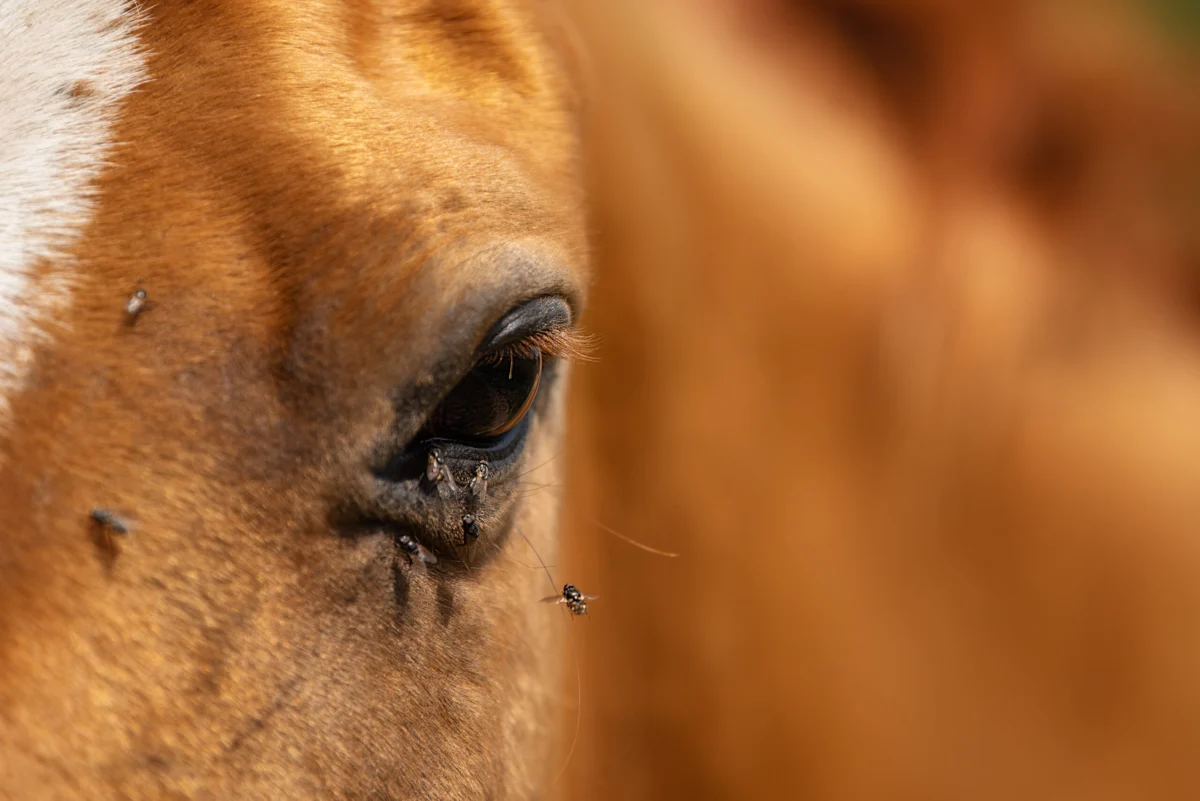
As late summer temperatures persisted across Central Oregon, regional veterinarians noted an uptick in seasonal insect activity—particularly stable flies and horn flies, which are known mechanical vectors for Corynebacterium pseudotuberculosis. Facilities in Deschutes County, a popular hub for recreational and competitive equestrian sports, were already operating under standard seasonal advisories.
September 11: The First Confirmed Case
At the first primary facility in Deschutes County, a horse presented with atypical swelling and localized heat around the pectoral region. The attending veterinarian performed clinical evaluations, and diagnostic samples were collected and submitted for laboratory analysis. On September 11, the diagnostic results returned positive for Corynebacterium pseudotuberculosis, confirming the index case. Biosecurity measures were instantly enacted at the property, and management identified one immediate pasture-mate that had shared proximity and was categorized as exposed.
Mid-September: Secondary Detection within a Mile
Shortly after the initial diagnosis, veterinarians received calls regarding a horse displaying similar clinical signs at a second facility located less than a mile from the first site. Given the geographic proximity, state agricultural officials coordinated with the property managers to conduct diagnostic screenings. On-site examinations confirmed a second positive case of pigeon fever. Contact tracing at this secondary facility revealed a slightly broader circle of potential exposure, with three additional horses identified as having shared common ground, water troughs, or fly zones with the infected animal.
Ongoing Containment and Monitoring Phase
As of late September, all affected and exposed horses have been sequestered under strict farm-level quarantine protocols. Attending veterinarians are managing active abscesses through localized treatments, warm compresses, and, where clinically indicated, targeted systemic therapies. State animal health authorities continue to monitor both facilities for any new clinical presentations, with quarantine orders remaining in place until affected animals are certified as fully resolved by a licensed veterinarian.
Supporting Data and Epidemiological Context
To fully grasp the gravity of the Deschutes County outbreak, it is essential to examine the biological nature of Corynebacterium pseudotuberculosis and the environmental conditions that allow it to thrive in regions like Central Oregon.
The Etiology of Corynebacterium pseudotuberculosis
Corynebacterium pseudotuberculosis is a facultative intracellular, gram-positive bacterium. In horses, biotype I of this organism is responsible for pigeon fever (though different biotypes primarily affect sheep and goats, causing caseous lymphadenitis). The bacteria are remarkably resilient and can survive for extended periods in dry soil and organic matter—sometimes persisting in pastures, paddocks, and turnout sheds for months or even years.
Transmission Vectors
Unlike respiratory pathogens that spread rapidly through aerosolized droplets (such as Equine Herpesvirus or Equine Influenza), pigeon fever is primarily an environmental and vector-borne disease.
- Cutaneous Penetration: The bacteria enter the horse’s body through breaks in the skin. These can range from microscopic abrasions caused by dry grass, thorns, or flies, to visible cuts, scrapes, and surgical sites.
- Insect Vectors: Biting insects, particularly stable flies (Stomoxys calcitrans) and horn flies (Haematobia irritans), act as mechanical carriers, transferring bacteria from contaminated soil or weeping abscesses of infected horses to the unbroken or compromised skin of healthy animals.
- Environmental Contamination: When internal or external abscesses rupture, they discharge thick, purulent exudate containing millions of bacteria onto the ground, fences, or stall walls. If other horses come into contact with these contaminated surfaces, infection can occur.
Seasonal Prevalence: Late Summer to Fall
The epidemiology of pigeon fever demonstrates a clear seasonal peak. In North America, the disease is most prevalent from August through November. During late summer, pastures often dry out, becoming dusty and abrasive, which can compromise the integrity of equine skin on the lower limbs and chest. Simultaneously, fly populations peak before the first hard frosts, maximizing the efficiency of vector transmission. Historically, the disease was considered endemic primarily to California and the Western United States, but changing climatic patterns, increased interstate equine travel, and expanded surveillance have led to documented cases across broader geographic ranges.
Official Responses and Industry Stakeholder Action
The management of equine infectious diseases in the United States relies on a collaborative framework involving state departments of agriculture, private veterinary practitioners, and specialized reporting networks.
The Oregon Department of Agriculture (ODA)
The ODA plays a primary regulatory and advisory role when reportable or economically significant infectious diseases strike livestock and companion animals within the state. In response to the Deschutes County cases, ODA veterinarians have provided technical guidance to local practitioners, ensuring that proper quarantine protocols are established. While pigeon fever is not always classified among the most strictly regulated quarantine diseases (such as Equine Infectious Anemia or Vesicular Stomatitis), state agricultural authorities actively track its spread to prevent regional outbreaks that could impact equine commerce, boarding operations, and competitive events.
The Equine Disease Communication Center (EDCC)
The dissemination of rapid, verified information regarding the Deschutes County cases has been facilitated through the EDCC. Operating as an industry-funded, independent nonprofit organization, the EDCC bridges the gap between state veterinarians, diagnostic laboratories, and the horse-owning public.
Through its partnership with the Equine Network and programs like EDCC Health Watch, the organization aggregates confirmed disease event reports and distributes them freely to ensure transparency. Industry donations enable the EDCC to maintain an open-access platform where caretakers can monitor active outbreaks nationwide, empowering them to make informed decisions regarding biosecurity, travel restrictions, and vaccination schedules.
Veterinary and Facility-Level Protocols
Local veterinary practices in Central Oregon have mobilized to educate their clientele. Practitioners are advising farm managers to implement rigorous biosecurity measures, which include:
- Isolating New Arrivals: Implementing mandatory quarantine periods for any horses newly introduced to a facility.
- Vector Abatement: Utilizing fly control programs, including premise sprays, feed-through larvicides, fly masks, and frequent manure removal to break the transmission chain.
- Sanitation of Equipment: Regularly cleaning and disinfecting grooming tools, water troughs, tack, and shared feeding stations.
- Proper Waste Management: Safely collecting and disposing of discharge from draining abscesses to prevent environmental contamination of pastures and stalls.
Implications for Horse Owners and the Regional Equine Economy
The confirmation of pigeon fever in Deschutes County carries significant operational, financial, and welfare implications for the local equine community, which forms a vital part of Oregon’s agricultural and recreational landscape.
Clinical Management and Welfare
For individual horse owners, a diagnosis of pigeon fever means navigating a potentially lengthy and labor-intensive recovery period. The disease typically presents in three distinct clinical forms:
- External Abscesses: The most common form, characterized by large swellings on the chest, belly, or limbs that eventually soften, rupture, and drain thick, greenish-yellow pus. Treatment usually involves allowing the abscesses to mature (using hot compresses or drawing poultices), lancing them surgically if necessary, and flushing the cavity with antiseptic solutions.
- Internal Infection: A more severe, systemic manifestation where abscesses form in internal organs such as the liver, spleen, kidneys, or lungs. Horses with internal pigeon fever often exhibit lethargy, fever, weight loss, and colic-like symptoms, requiring prolonged courses of specialized systemic antibiotics and intensive veterinary care.
- Ulcerative Lymphangitis: A localized infection of the lymphatic vessels of the lower limbs, causing painful swelling, reluctance to move, and lameness.
While external abscesses generally resolve well with proper drainage and hygiene, the economic cost of veterinary visits, medications, and discarded feed or bedding can add up quickly. Furthermore, secondary complications such as chronic limb swelling or internal organ damage can permanently affect an animal’s athletic utility.
Economic and Operational Impact on Boarding Facilities
Deschutes County is home to numerous boarding stables, training facilities, and breeding farms. When an infectious disease like pigeon fever strikes within a concentrated cluster, facility managers face immediate operational hurdles:
- Quarantine Strains: Restricting movement on and off a property halts training schedules, prevents clients from attending regional shows or trail rides, and can create financial stress if boarders withhold payments or demand temporary fee reductions due to restricted access.
- Reputational Management: Transparent communication is vital. Facilities that proactively share health alerts and enforce strict biosecurity protocols generally maintain the trust of their clientele, whereas attempts to conceal infectious outbreaks can lead to long-term reputational damage and loss of business.
- Event Cancellations and Biosecurity Checks: Local equestrian events, clinics, and sales must heighten their intake screenings. Event organizers are increasingly requiring Certificates of Veterinary Inspection (CVIs) and daily temperature logs to ensure that visiting horses do not introduce pathogens into naive populations.
Long-Term Outlook and Proactive Recommendations
As the equine industry adapts to shifting disease landscapes driven by climate variability and increased animal mobility, proactive education remains the best defense. Animal health authorities emphasize that early detection is paramount. Horse owners who observe unexplained swellings, lethargy, or reluctance to move should immediately isolate the suspect animal, contact their veterinarian, and avoid sharing equipment between horses.
By maintaining rigorous fly control, practicing meticulous pasture hygiene, and staying informed through verified channels such as the Equine Disease Communication Center, Deschutes County horse owners can successfully weather the current pigeon fever season and protect the health and well-being of their equine companions.