Main Facts
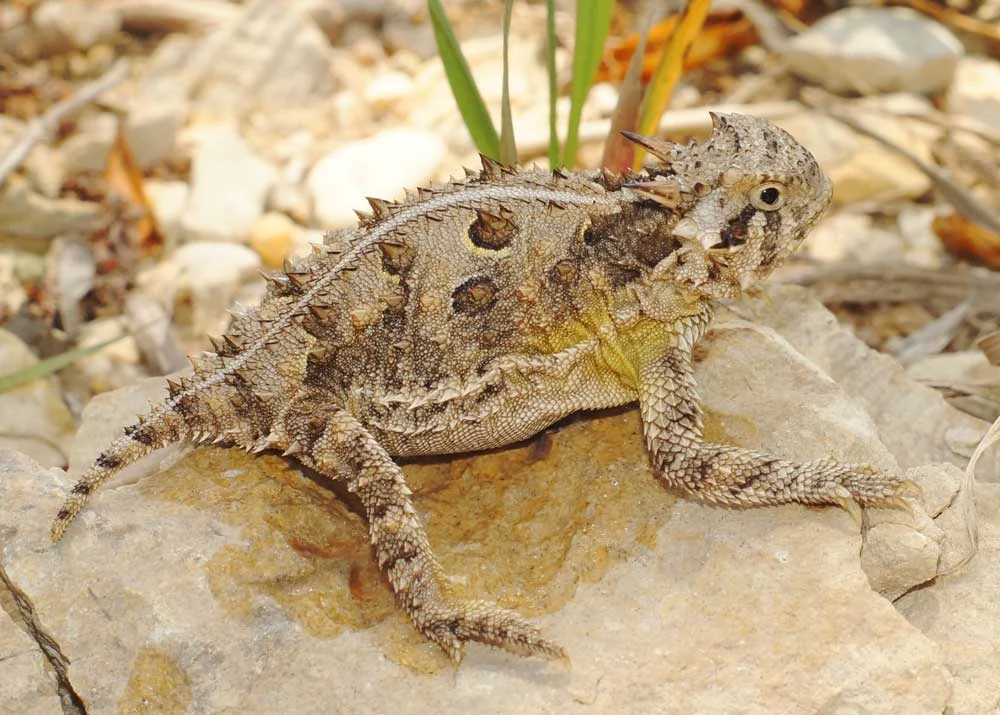
The Caldwell Zoo in Tyler, Texas, has announced a major conservation milestone, successfully concluding its sixth consecutive breeding season for the iconic Texas horned lizard (Phrynosoma cornutum). In a landmark achievement for the facility, zookeepers and conservationists welcomed 64 healthy hatchlings across three distinct clutches in 2026. This vital breeding initiative operates in close coordination with the Texas Parks and Wildlife Department (TPWD), serving as a crucial bulwark against the ongoing population decline of a reptile deeply embedded in the cultural and ecological identity of the Lone Star State.
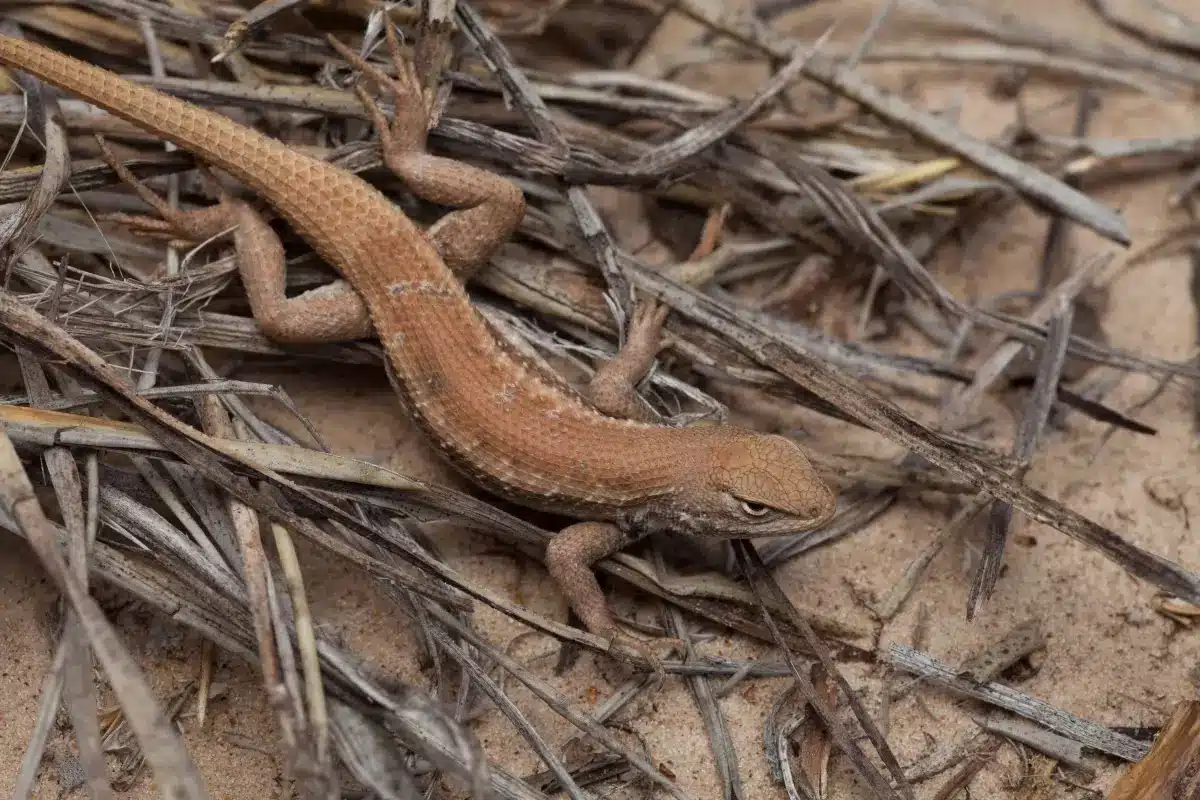
Often colloquially referred to as "horny toads" or "horned frogs," these specialized reptiles are actually lizards native to arid and semi-arid regions of North America. Once a ubiquitous sight across dusty backyards, pastures, and desert plains throughout Texas and Oklahoma, the species has experienced a dramatic and deeply concerning contraction of its native range. Today, the Texas horned lizard is officially classified as a Threatened species by the state of Texas, making captive breeding, habitat restoration, and field research more urgent than ever.
The success at Caldwell Zoo highlights the sophisticated husbandry protocols required to breed these notoriously delicate creatures. By meticulously replicating natural environmental cues, designing specialized habitats for mating pairs, and utilizing advanced incubation technology, zoo professionals are helping to bridge the gap between captive-bred preservation and eventual reintroduction into the wild.
Chronology of a Conservation Triumph
The journey toward the 2026 hatching success began long before the first tiny lizard broke through its leathery shell. Understanding the timeline of the Texas horned lizard’s reproductive cycle provides critical insight into the dedication required by Caldwell Zoo’s herpetology staff.
Preparation and Pairing
Months prior to the breeding season, the zoo’s habitats undergo rigorous preparation. Caldwell Zoo has constructed specialized, tailored enclosures designed specifically for compatible mating pairs of horned lizards. These habitats mimic the natural sandy soils and thermal gradients of the lizard’s native range, encouraging natural behaviors and successful pairing.
Oviposition and Egg Collection
Once successful mating occurs, female Texas horned lizards prepare to lay their clutches. In the wild, a single female typically produces one clutch per year, generally ranging between 10 and 40 eggs, with an average of 15 to 30. To maximize survival rates and protect the fragile eggs from environmental hazards, predators, or humidity fluctuations in the exhibit soil, zoo staff carefully collect the eggs shortly after they are laid.
Incubation and Hatching
The harvested eggs are immediately transferred to state-of-the-art climate-controlled incubators. Depending on ambient temperatures, the incubation period typically spans six to eight weeks. During this window, zookeepers monitor temperature and humidity levels with exacting precision to ensure optimal embryonic development.
Early Life and Micro-Habitat Management
As the 2026 season culminated, the 64 hatchlings emerged from their shells and were promptly transitioned to specialized, climate-controlled rearing environments. In these secure indoor facilities, the young lizards receive round-the-clock care, including carefully curated micro-diets consisting of termite larvae, fruit flies, and small crickets, setting the stage for their eventual growth and release.
Supporting Data and Biological Insights
To fully grasp the magnitude of the Caldwell Zoo’s achievement, one must examine the biological characteristics of the Texas horned lizard and the specific pressures driving its population decline.
Species Overview and Taxonomy
Belonging to the genus Phrynosoma—which translates roughly to "toad-bodied"—horned lizards are perhaps the most recognizable and gregarious group of lizards in North America. Of the 15 distinct horned lizard species found within the United States, the Texas horned lizard commands the widest geographic distribution.
Reproductive Metrics
- Clutch Frequency: Females lay one clutch per year.
- Clutch Size: Typically ranges from 10 to 40 eggs, with 15 to 30 being standard.
- Incubation Duration: 6 to 8 weeks, heavily influenced by temperature dynamics.
- Dietary Specialization: Harvester ants (Pogonomyrmex species) constitute the vast majority of an adult’s natural diet.
Environmental Pressures and Habitat Loss
The steep decline of the Texas horned lizard is not attributed to a single factor, but rather to a compounding matrix of ecological pressures:
- Habitat Fragmentation and Loss: Urban expansion, agricultural conversion, and the paving of native rangelands have eradicated millions of acres of suitable habitat.
- Invasive Grasses: The widespread planting of non-native grasses alters the structural landscape, making it difficult for the lizards to forage, bask, and burrow effectively.
- The Fire Ant Threat: The introduction of the invasive red imported fire ant (Solenopsis invicta) has wreaked havoc on native ecosystems. Not only do fire ants prey directly upon vulnerable horned lizard hatchlings and eggs, but they also outcompete and decimate native harvester ants. Without a steady supply of harvester ants, adult horned lizards face starvation, as their digestive systems are biologically specialized to process this specific prey base.
Official Responses and Expert Perspectives
The success of the 2026 breeding season has drawn praise from conservationists and zoo leadership alike, underscoring the collaborative nature of modern wildlife management.
In a video release highlighting the new hatchlings, Dallas, a representative from the Caldwell Zoo, emphasized the profound significance of the program:
"We had three different clutches, and all together, we have 64 hatchlings. This breeding program is super special and important because Texas horned lizards are disappearing throughout the state. So working together with Texas Parks and Wildlife, we are able to breed them and have lots of little baby hatchlings, grow them up big and strong, and then be able to release them back out onto the landscape."
Wildlife biologists note that while captive breeding is an essential tool, it must be paired with rigorous field science. The partnership between institutions like the Caldwell Zoo and state agencies like TPWD ensures that captive-bred individuals possess the genetic diversity, behavioral resilience, and health required to adapt once returned to the wild.
Herpetologists also frequently issue public awareness campaigns regarding the legal and biological realities of the species. Because Texas horned lizards are protected as a Threatened species under state law, it is illegal to capture, possess, or transport them without explicit permits. Furthermore, experts strongly stress that horned lizards do not make good pets. Their specialized dietary requirements—principally a continuous supply of live harvester ants—make it virtually impossible for private reptile hobbyists to properly care for them in captivity, often leading to rapid malnutrition and mortality.
Implications for the Future of Texas Conservation
The successful hatching of 64 Texas horned lizards at the Caldwell Zoo represents far more than a numerical triumph for a single institution; it serves as a beacon of hope for regional biodiversity and ecosystem restoration.
Reintroduction and Population Reinforcement
The ultimate goal of the Caldwell Zoo’s breeding program is not permanent residency within the confines of the facility, but rather ecological repatriation. By growing the hatchlings "big and strong" under controlled, predator-free conditions, the zoo dramatically increases their baseline survival probability. When these juveniles reach an appropriate developmental milestone, they are slated for release onto protected, restored landscapes in coordination with Texas Parks and Wildlife biologists. These reintroduction events help reinforce fragmented wild populations, introduce fresh genetic stock, and restore an iconic predator to its historic niche.
Grassroots Engagement and Habitat Restoration
Beyond direct captive breeding, the plight of the "horny toad" serves as an invaluable educational tool. For generations of Texans, encountering a horned lizard was a cherished childhood memory. By sharing the success of the 2026 hatching season, institutions like the Caldwell Zoo reconnect the public with the natural heritage of the American Southwest. This cultural affinity fosters broader community support for native habitat conservation, invasive fire ant management, and the preservation of native rangelands.
As the Caldwell Zoo looks beyond its sixth successful season, the dedicated efforts of its staff provide a vital blueprint for reptile conservation. Through meticulous science, institutional partnerships, and an unwavering commitment to species preservation, the future of the Texas horned lizard looks a little brighter—one hatchling at a time.