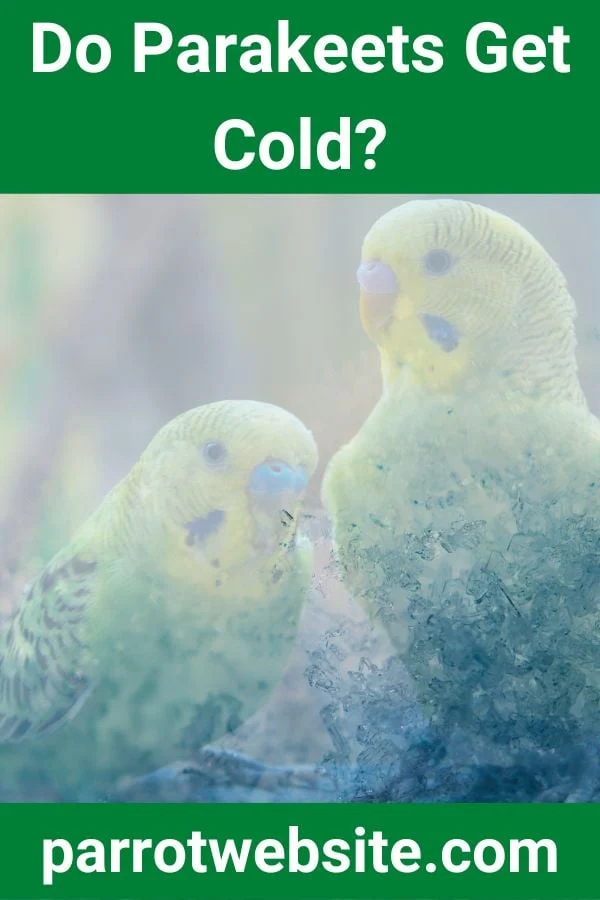
Keeping your avian companion warm is not merely a matter of comfort; it is a fundamental requirement for their survival. As descendants of tropical climates, parakeets—scientifically known as Melopsittacus undulatus—possess physiological adaptations that make them highly susceptible to the fluctuations of a domestic environment. While they are often viewed as hardy, resilient pets, the reality is that they are biologically hardwired for the warmth of the Australian outback. Ensuring their well-being requires a nuanced understanding of their thermal needs, the potential risks of exposure, and the best practices for maintaining a stable, healthy environment.
Main Facts: The Tropical Baseline
To understand why parakeets struggle in colder climates, one must look at their evolutionary history. Native to the arid and semi-arid regions of Australia, these birds have evolved to thrive in environments where ambient temperatures typically hover between 70 and 85 degrees Fahrenheit. In their natural habitat, they move between wetlands and rainforests, regions that are consistently warm and often humid.
When brought into a home environment, the parakeet’s biological clock and physiological system expect this steady, tropical warmth. Unlike mammals, which can regulate their body temperature through a complex internal metabolism, small birds like parakeets rely heavily on their immediate environment to assist in thermoregulation. When the temperature drops, they must expend significant energy just to stay warm. If the environment falls below 60 degrees Fahrenheit for a sustained period, the bird’s internal reserves can be depleted, leading to hypothermia and, in extreme cases, fatality. Conversely, temperatures exceeding 90 degrees Fahrenheit pose their own set of risks, including heat stress and dehydration.
Chronology: The Physiological Progression of Cold Stress
Understanding how a bird reacts to the cold requires a chronological view of their physical response. The progression from mild discomfort to medical emergency happens in distinct phases:
- The Initial Response (Mild Cold): When the temperature begins to dip below the 70-degree mark, the bird will immediately attempt to preserve core body heat. You will notice the bird fluffing its feathers—a process called "ptiloerection." By trapping a layer of air between their feathers and their skin, they create a natural insulating barrier. They may also tuck their beak into their scapular feathers and stand on one foot to minimize heat loss through their extremities.
- The Secondary Phase (Persistent Cold): If the environment remains below 65 degrees for an extended period, the bird’s energy reserves begin to dwindle. You may notice lethargy, decreased appetite, and a reluctance to move. The bird may spend the entire day in the "fluffed" position, essentially trying to conserve enough energy to keep its vital organs functioning.
- The Critical Phase (Hypothermia): Once the temperature falls toward 60 degrees and below, the bird’s metabolism can no longer keep pace with the heat loss. This leads to profound lethargy, labored breathing, and potential collapse. At this stage, the bird is in a life-threatening condition and requires immediate veterinary intervention to stabilize its body temperature.
Supporting Data: Why "Room Temperature" Isn’t Enough
Many pet owners mistakenly assume that if they feel comfortable in a sweater, their bird will feel comfortable as well. This is a dangerous misconception. Humans are endotherms with a larger body mass and a different metabolic rate. A parakeet’s high surface-area-to-volume ratio means they lose heat much faster than a human.
Data from avian veterinary associations suggests that while a bird might "survive" in a 65-degree room, they are not "thriving." Chronic exposure to temperatures just five degrees below their optimal range leads to a suppressed immune system. A bird that is constantly battling to stay warm is a bird that is more susceptible to opportunistic infections, respiratory issues, and digestive stress.
Furthermore, the humidity factor cannot be ignored. In their natural Australian habitat, the humidity levels often accompany the heat, which helps maintain the health of their respiratory and integumentary systems. Low humidity in a heated home—common during winter months—can dry out a bird’s nasal passages, making them more vulnerable to pathogens.
Official Responses and Expert Recommendations
Avian experts and veterinarians consistently recommend a "constant-temperature" approach. The consensus is that the best method for heating is centralized climate control. By maintaining a steady, regulated ambient temperature, you remove the burden of thermoregulation from the bird.
- Placement is Key: Experts advise that the cage should never be placed near windows, exterior doors, or in drafty hallways. Even if a room is heated to 70 degrees, a draft from a poorly sealed window can cause a localized temperature drop around the cage, creating a "cold pocket" that the bird cannot escape.
- The Role of Secondary Heating: While central heating is the gold standard, supplementary heating—such as ceramic heat emitters or specialized bird-safe cage heaters—can be used. However, these must be used with caution. Direct heat sources can cause localized burns or pose fire hazards if not installed correctly.
- Nighttime Care: The question of nighttime temperatures is frequently debated. While temperatures in the wild do drop at night, they rarely reach the levels found in a northern-hemisphere winter home. Experts recommend keeping the nighttime temperature within five degrees of the daytime temperature. Covering the cage with a breathable, insulating cover is a highly recommended practice, as it provides both thermal retention and the necessary darkness for a healthy sleep cycle.
Implications for the Responsible Owner
The implications of these facts are clear: ownership of a parakeet is a commitment to managing an artificial micro-climate. For the prospective or current owner, this requires a proactive strategy:
1. Monitoring the Environment
Invest in a high-quality thermometer and hygrometer to place near the cage. Do not guess the temperature; know it. If the temperature consistently fluctuates, you must address the insulation of the room rather than relying on inconsistent portable heaters.
2. Eliminating Drafts
A simple "candle test"—lighting a candle and moving it around the window frames—can help identify hidden drafts that are invisible to humans but deadly to birds. Sealing these gaps is one of the most effective ways to protect your pet.
3. The Blanket Strategy
Covering the cage at night serves a dual purpose. It signals to the bird that it is time to rest, reducing stress, and it traps the bird’s own body heat within the cage. Ensure the cover is made of a breathable material; never use plastic or non-porous materials that could lead to oxygen deprivation or CO2 buildup.
4. Recognizing Distress
An owner must be observant. If you see your bird persistently fluffed up, standing on both feet, or showing a lack of interest in their toys and food, assess the temperature immediately. If your bird has reached the stage of sitting on the bottom of the cage, this is a symptom of severe illness or exhaustion, and you should seek professional veterinary care immediately.
Conclusion: A Commitment to Comfort
In summary, the parakeet’s need for warmth is not a luxury—it is a physiological necessity. While they are resilient creatures capable of adapting to various captive conditions, their roots in the tropical climates of Australia remain the guiding principle for their care. By maintaining a consistent temperature, eliminating drafts, and providing a stable, covered environment at night, you can ensure your parakeet lives a long, healthy, and happy life.
It is a balancing act, certainly, but one that is well within the reach of any dedicated bird owner. By prioritizing their environmental needs, you provide the foundation for a vibrant, energetic, and thriving companion. Remember: when it comes to the health of your parakeet, it is always better to be slightly too warm than even a degree too cold.