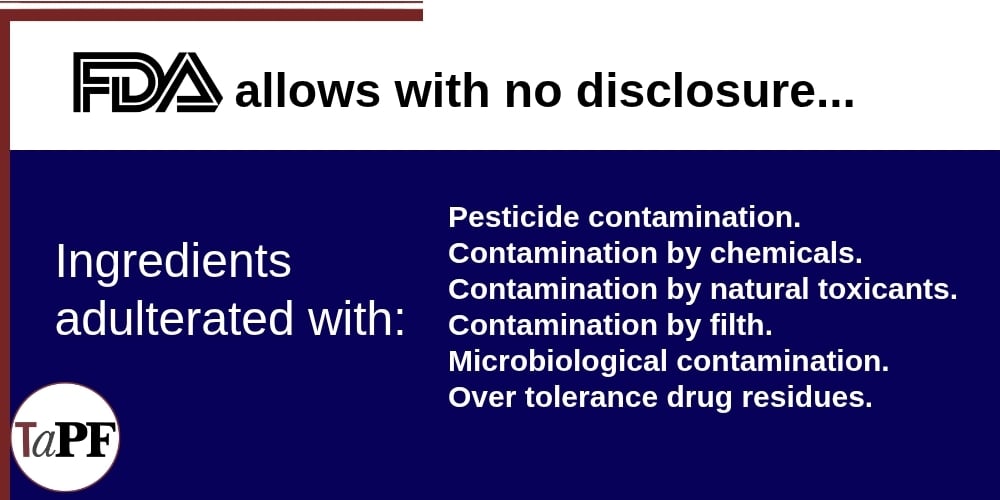
For decades, pet owners have operated under the assumption that the ingredients labeled on their animal’s food meet rigorous safety standards. However, a series of Compliance Policy Guides (CPGs) maintained by the U.S. Food and Drug Administration (FDA) reveals a starkly different reality: the agency maintains an official, sanctioned pathway for food deemed "adulterated" for human consumption to be diverted into the pet food and animal feed supply.
This regulatory framework, while framed by the agency as a method for minimizing waste and managing supply chain crises, raises profound questions regarding transparency, consumer autonomy, and the long-term health implications for millions of domestic pets and livestock.
The Regulatory Framework: What is "Adulterated" Food?
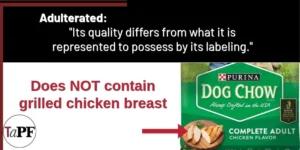
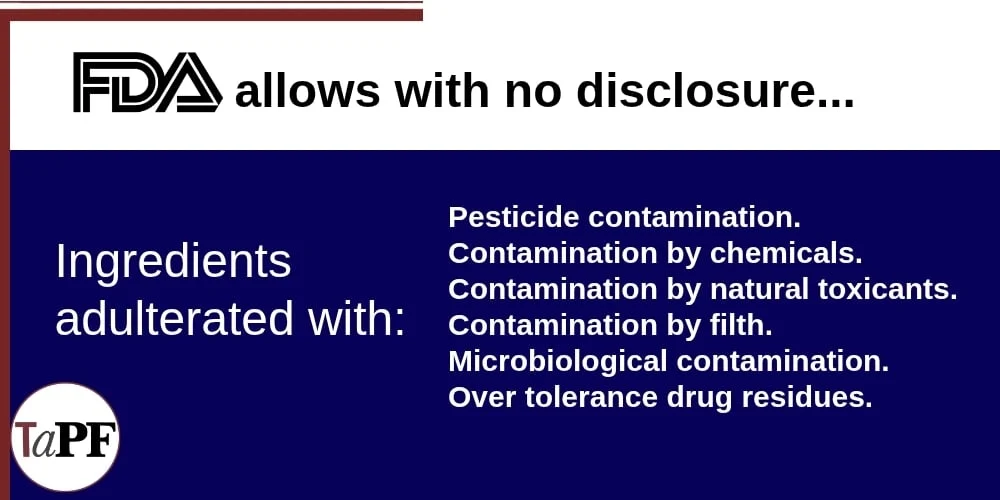
Under the Federal Food, Drug, and Cosmetic Act, the term "adulterated" is a legal classification for food that is considered unfit for human consumption. This can include products contaminated with filth—such as rodent, roach, or bird excreta—as well as items damaged by fire, flood, or mold, or products containing chemical or drug residues that exceed safety thresholds.
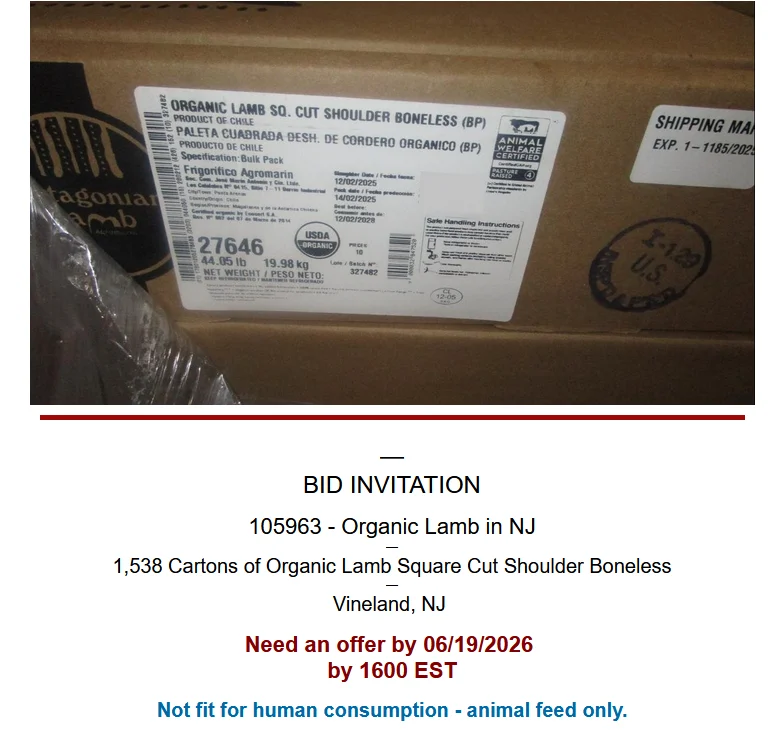
While the average consumer might assume that such products are destroyed upon discovery, the FDA’s own Compliance Policy Guides reveal that the agency frequently authorizes the "diversion" of these materials into the animal feed supply chain.
CPG Sec. 675.100: Diversion of Contaminated Food for Animal Use
The FDA’s stance on food contaminated with vermin or bird feces is explicitly outlined in CPG Sec. 675.100. The policy states: "FDA does not object to the diversion to animal feed of human food adulterated with rodent, roach, or bird excreta."
The agency acknowledges that these contaminants are "vectors for microorganisms deleterious to the health of animals," including salmonella, parasite eggs, and leptospira. However, rather than banning the inclusion of these materials, the FDA requires a "heat treatment" process. Manufacturers must contact the Center for Veterinary Medicine (CVM) on a case-by-case basis to receive approval for the specific treatment method they intend to use to neutralize these pathogens before the material is incorporated into animal feed.
CPG Sec. 675.300: Moisture-Damaged Grain
Natural disasters and industrial accidents often result in significant quantities of moisture-damaged or moldy grain. CPG Sec. 675.300 allows this material to be converted into animal feed. The policy notes that grain salvaged from warehouse fires—often extinguished with river water or seawater containing sewage, chemical runoff, or toxic waste—may be diverted.
The FDA requires consultation with the CVM and the Center for Food Safety and Applied Nutrition (CFSAN) to determine if the material can be "rendered safe." This creates a scenario where products that were never fit for human consumption due to potential toxicity are granted a second life in the bowl of a family pet.
CPG Sec. 675.200: The "Ad Hoc" Diversion Policy
Perhaps most concerning is CPG Sec. 675.200, which allows for the diversion of food that is considered adulterated for human use simply because the standards for animal feed are lower. This policy permits the movement of meat and poultry products contaminated with drug or chemical residues—which would be illegal to sell to humans—into the pet food stream.
This process is handled on an "ad hoc" basis, meaning there is no uniform, public-facing standard for safety; each request is judged by the agency in private.
Chronology: A History of Regulatory "Tolerance"
The practice of diverting waste food into the animal supply chain is not a new phenomenon, but it has become increasingly codified over the last several decades.
- 1980s–1990s: The FDA formalized the "diversion" process as a standard operating procedure to reduce the environmental and economic impact of food recalls. During this era, the agency shifted its focus toward "salvage" operations.
- 2010–2020: As pet food manufacturing became more industrialized and centralized, the volume of ingredients diverted from human food facilities into pet food plants increased. The FDA maintained its oversight role, requiring "notification" but rarely publicizing these diversions.
- 2020–2026: Increased public scrutiny regarding pet food safety led to a surge in Freedom of Information Act (FOIA) requests. Despite this, the agency has maintained its policy of private, case-by-case authorization for the use of adulterated ingredients.
- September 17, 2026: A formal FOIA request was filed by consumer advocates seeking the identities of the "consignees"—the specific pet food and livestock feed manufacturers—that have purchased and processed these adulterated ingredients between 2020 and 2026.
Supporting Data: The Transparency Gap
The central conflict between the FDA and the public lies in the definition of "transparency." While the FDA argues that it maintains safety by "consulting" on the treatment of these ingredients, it refuses to disclose which manufacturers are using them.

The ingredient labels on pet food packaging remain intentionally vague. A label might list "chicken meal" or "grains," but it will never disclose if that chicken was salvaged from a batch that contained antibiotic residues or if the grains were salvaged from a moldy, flood-damaged silo.
The lack of mandatory labeling for diverted, adulterated ingredients effectively strips the consumer of their right to choose. By keeping the list of manufacturers involved in these diversions confidential, the FDA protects the industry’s reputation at the expense of consumer knowledge.
Official Responses and the Culture of Secrecy
The FDA has consistently maintained that its diversion policies are necessary to prevent the waste of potentially usable nutrients. When pressed on the risks of secondary contamination, the agency’s standard response is that their oversight—the "heat treatment" and the "consultation" process—is sufficient to mitigate danger.
However, the agency has shown extreme resistance to requests for information regarding which companies utilize these practices. Previous FOIA requests on this topic have languished for over five years, with the agency often citing "trade secret" exemptions to avoid identifying the manufacturers involved. This creates a regulatory environment where the government acts as a gatekeeper of information that could directly impact the health of the nation’s pets.
Implications: The Long-Term Impact on Pet Health
The implications of these policies are significant, both ethically and biologically.
1. Consumer Autonomy
Pet owners are currently unable to make informed decisions. If a consumer wishes to avoid ingredients that were once classified as "adulterated"—even if they have been "treated"—they currently have no way to identify which brands utilize these sources. The market has no mechanism to penalize manufacturers who rely on "salvaged" materials because the information is suppressed by the regulator.
2. Biological Risks
While heat treatment is effective at killing many pathogens, it does not remove chemical residues, mycotoxins (from mold), or heavy metals. The FDA’s reliance on "case-by-case" authorization assumes that the agency can effectively monitor every batch of diverted material. Critics argue that this is an impossible task, leading to a "lottery" of safety where some bags of pet food are significantly more contaminated than others.
3. Institutional Trust
The most profound implication is the erosion of trust in the regulatory body. When a consumer learns that the government allows the use of food contaminated with "rodent, roach, or bird excreta" in the food chain for animals, it creates a crisis of confidence. The perceived prioritization of industry efficiency over transparency suggests that the FDA views pets as "disposable" products rather than members of the family.
Conclusion: The Path Forward
The quest for transparency in pet food is not merely an argument over labels; it is a battle for the fundamental right to know what is being fed to our animals. The fact that the FDA requires advance notification for these diversions proves that the agency has the data necessary to inform the public. The choice to withhold this information is a policy decision that favors the industry over the consumer.
As the current FOIA request regarding the 2020–2026 diversion records moves through the legal system, the nation waits to see whether the FDA will prioritize public transparency or continue to shield the manufacturers who benefit from this hidden pipeline of adulterated food. Until then, pet owners remain in the dark, relying on the assumption that "safe" means "clean," while the regulatory reality remains far more complicated.
For those concerned about the safety of their pets, the current environment necessitates a proactive approach—researching independent testing, supporting manufacturers with transparent supply chains, and demanding that the FDA end the practice of diverting adulterated human food into the pet food supply.