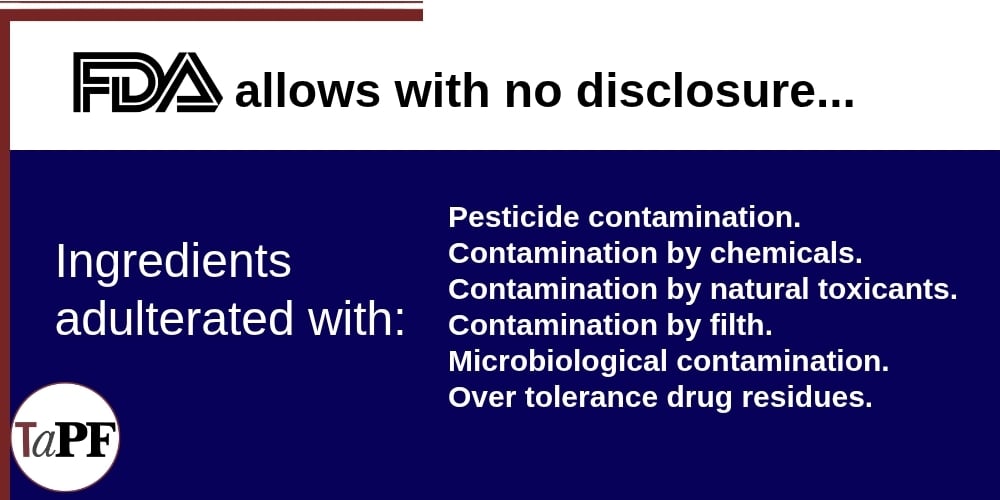
For millions of pet owners, the ingredient list on the back of a bag of kibble or a can of wet food represents a promise of safety. Consumers operate under the assumption that if a product is on the shelf, it has passed rigorous safety standards. However, a series of long-standing Food and Drug Administration (FDA) Compliance Policy Guides (CPGs) reveals a reality that contradicts this trust: the agency has established formal mechanisms to allow "adulterated" human food—products contaminated with filth, chemicals, or pathogens—to be diverted into the animal feed and pet food supply.
While the FDA maintains that these diversions are managed through oversight and "treatment" protocols, consumer advocates argue that the lack of transparency surrounding these practices leaves pet owners in the dark about the true contents of their pets’ bowls.
The Regulatory Framework: Defining "Adulterated"
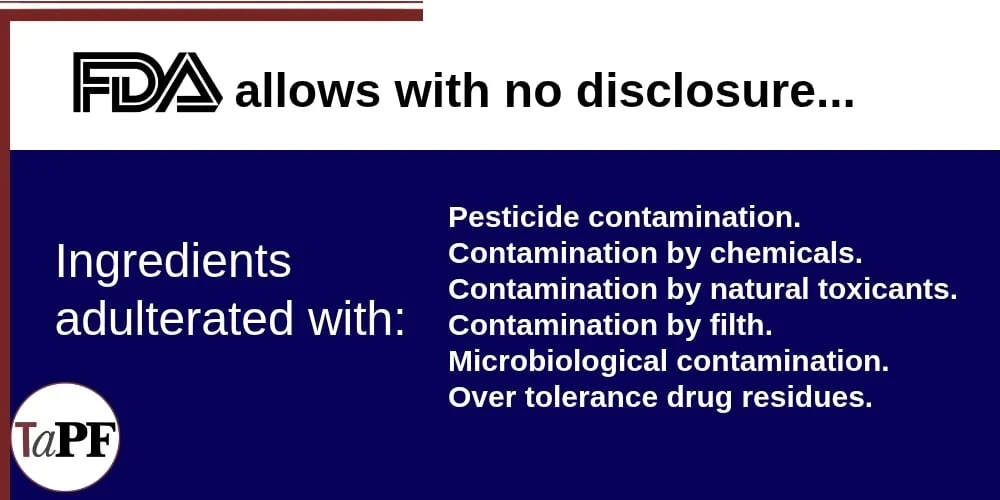
Under the Federal Food, Drug, and Cosmetic Act, "adulterated" food is defined as food that contains any poisonous or deleterious substance which may render it injurious to health, or food that has been prepared, packed, or held under insanitary conditions whereby it may have become contaminated with filth.
In a standard consumer context, "adulterated" is synonymous with "unfit for consumption." Yet, the FDA’s Compliance Policy Guides (CPGs) create a tiered system of safety. The agency operates on the premise that what is too dangerous for human consumption—due to rodent feces, mold, or chemical residues—may be "salvaged" for animal use, provided specific, agency-approved conditions are met.
CPG Sec. 675.100: The Diversion of Contaminated Food
One of the most concerning policies is CPG Sec. 675.100, which addresses the diversion of human food contaminated with "rodent, roach, or bird excreta." The FDA explicitly states that it does not object to the diversion of such food into animal feed, provided it undergoes "heat treatment."
The agency acknowledges that these substances are vectors for dangerous pathogens, including Salmonella, Leptospira, and various parasite eggs. The policy requires that the Center for Veterinary Medicine (CVM) be contacted on a case-by-case basis to approve the treatment method. However, critics point out that this "case-by-case" authorization creates a opaque regulatory environment where the public remains unaware of which manufacturers are processing contaminated waste into pet nutrition.
CPG Sec. 675.300: Moisture-Damaged and Moldy Grain
The regulatory appetite for diversion extends to environmental disasters. Under CPG Sec. 675.300, the FDA addresses moisture-damaged and moldy grain. The agency’s internal guidance notes that these materials have, in the past, been salvaged from grain elevator fires—where they may have been doused with contaminated river or sea water containing sewage and chemical waste—or from hurricane-flooded facilities.
Again, the policy dictates that such materials may be converted to animal feed if the CVM, in consultation with the Center for Food Safety and Applied Nutrition (CFSAN), determines that the material can be "rendered safe." This shifts the burden of safety from the inherent quality of the raw material to the effectiveness of a secondary "decontamination" process, the details of which are rarely disclosed to the end consumer.
CPG Sec. 675.200: The "Ad Hoc" Salvage System
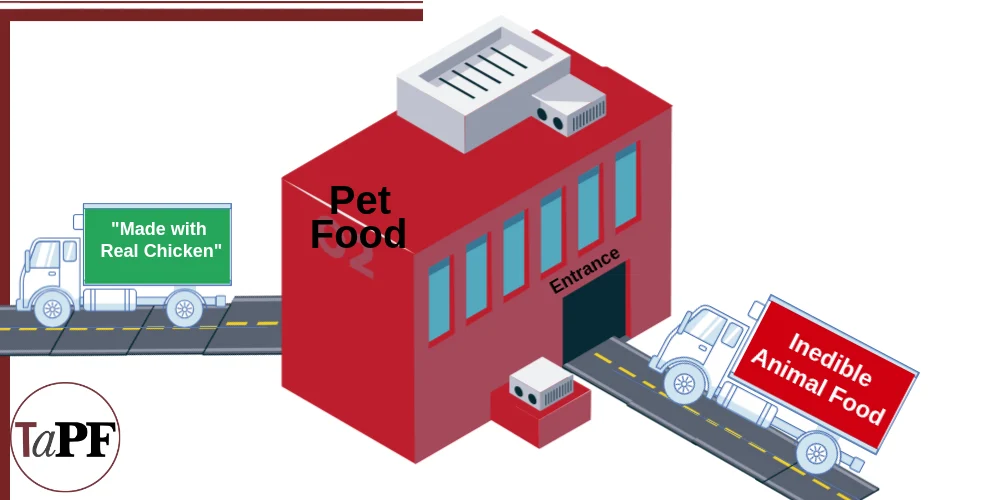
Perhaps the most broad-reaching policy is CPG Sec. 675.200, which governs the diversion of adulterated food into acceptable animal feed use. This policy allows for the repurposing of food that violates the standards of the Federal Food, Drug, and Cosmetic Act, including meat and poultry products detained by the USDA for drug or chemical residue contamination.
The FDA justifies these diversions by suggesting that different "defect action levels" exist for humans versus animals. By handling these requests on an "ad hoc" basis, the agency maintains a pipeline that allows industry players to recoup losses on contaminated products that would otherwise be destroyed, by instead offloading them into the pet food supply chain.
Chronology of a Regulatory Blind Spot
The existence of these policies is not new, but the push for transparency has intensified in recent years.
- 1990s–2010s: The FDA formalizes various CPGs to manage industrial food waste, establishing the framework for "diversion" as a cost-saving measure for food processors facing recalls or contamination events.
- 2014: The Association for Truth in Pet Food begins formal representation of consumers at AAFCO and FDA meetings, raising questions about the intersection of human food safety and pet food ingredient quality.
- 2020–2025: Increased consumer demand for "human-grade" pet food highlights the disparity between marketing claims and the reality of potential diversion policies.
- September 2026: A formal Freedom of Information Act (FOIA) request is filed by advocates, seeking a comprehensive list of all approved adulterated food diversion requests from 2020 to 2026, including the identities of the consignees (the manufacturers) who purchased these contaminated materials.
Supporting Data and the "Transparency Gap"
The core issue is not necessarily that the FDA is entirely silent, but that their communication is directed at industry stakeholders rather than the public. When a company requests to divert adulterated food, the FDA requires a detailed proposal including the nature of the contamination, the proposed "treatment" to render the food safe, and the final destination of the product.

However, this data remains behind a "regulatory curtain." The pet owner purchasing a bag of food has no way of knowing if the ingredients within that bag were once part of a recall or a contamination incident that the FDA authorized for "salvage." There is no requirement for manufacturers to label products as "derived from diverted adulterated human food."
Furthermore, while the FDA claims that these treatments effectively neutralize pathogens, there is limited publicly available data on the long-term safety of feeding animals products derived from chemically contaminated or sewage-exposed grains.
Official Responses and Agency Stance
The FDA maintains that these policies are essential for minimizing food waste and ensuring that the animal feed supply remains robust. Their official stance is that by providing a path for the "salvage" of food, they are preventing perfectly viable nutrients from being sent to landfills.
When questioned about the potential health risks to pets, the agency points to their oversight role. By requiring notification and consultation, the FDA asserts that they are performing a gatekeeper function. The agency argues that not all "adulterated" food is toxic; some is simply "adulterated" by strict human standards that are unnecessarily high for livestock or pets.
However, advocates like Susan Thixton, a prominent pet food consumer advocate, argue that this logic is fundamentally flawed. "The FDA knows exactly which pet food manufacturers include adulterated ingredients," Thixton notes. "They know which livestock feed manufacturers are using the diverted waste. But they don’t tell you. The ingredient list gives you no clues."
Implications for the Consumer
The implications of these policies are significant for the pet owning public:
- Erosion of Informed Consent: Pet owners pay a premium for what they believe are high-quality, safe ingredients. The existence of these policies means that the "quality" of a product can vary wildly based on whether a manufacturer has utilized diverted materials.
- Health Risks: While the FDA mandates "heat treatment," heat does not remove chemical residues, heavy metals, or toxins produced by molds (mycotoxins). If grain is contaminated with pesticide runoff or industrial chemicals, simple heating processes will not render that product safe.
- The "Safety" Illusion: By allowing contaminated food into the pet food supply, the agency essentially creates a "second-class" safety standard for animals. This contradicts the modern view of pets as family members who deserve the same health protections as humans.
- Regulatory Capture: The reliance on "ad hoc" decisions and private consultations between the FDA and industry players creates a system where the public is excluded from the decision-making process. This prevents independent scientific scrutiny of whether these "treatments" actually work.
The Path Forward: A Call for Disclosure
The ongoing FOIA request filed in September 2026 represents a critical test for the FDA. If the agency chooses to redact the names of the companies purchasing this adulterated food, they are effectively protecting the industry at the expense of the consumer. If they release the data, it will provide the first real glimpse into the scale of the diversion pipeline.
For now, the pet food consumer is left in a position of vulnerability. Until there is a mandate for full transparency—where every ingredient’s history is traceable and every diversion is publicly disclosed—the "trusted" list of pet foods remains a moving target.
As the debate continues, advocates are calling for legislative changes that would require the FDA to publish a monthly report on all approved diversions. Such a move would force transparency into the light, ensuring that if a manufacturer decides to utilize "adulterated" materials in their recipes, the consumer has the right to know before they ever put the bowl down on their kitchen floor.
The FDA’s current policies may be efficient for the industry, but they are failing the most vulnerable members of our households: our pets. Transparency is not an optional luxury in the food industry; it is the absolute minimum requirement for public trust. Until the FDA decides to prioritize the consumer over the convenience of industry salvage, the question of what is truly in our pets’ food will remain a mystery that most owners are better off not solving.